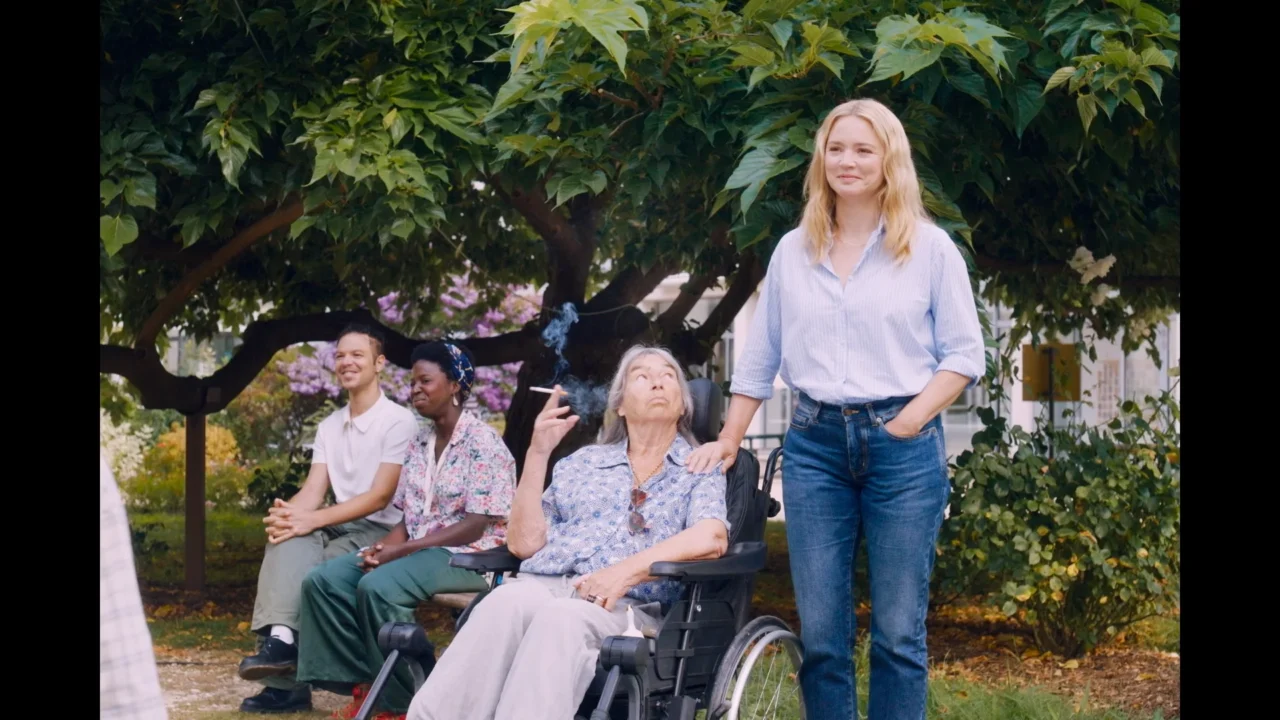
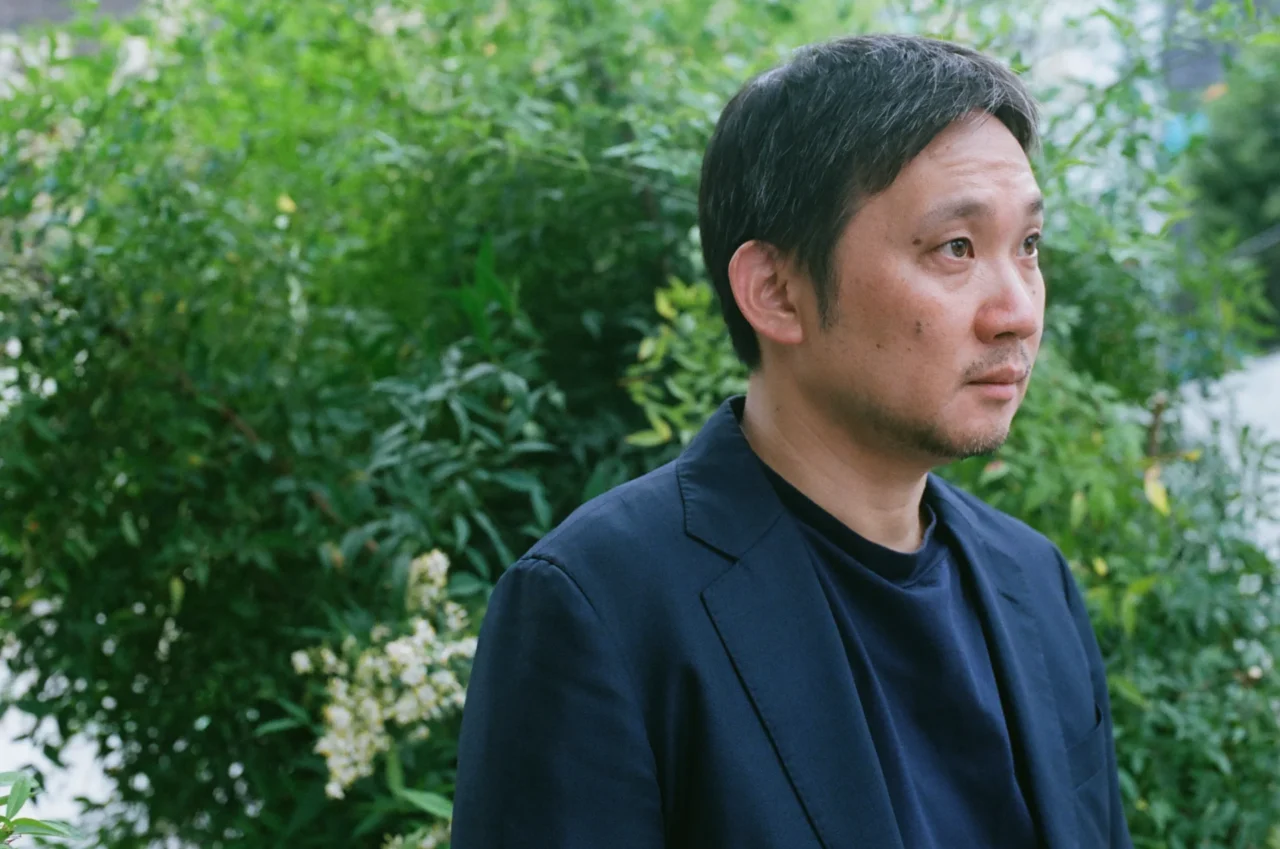
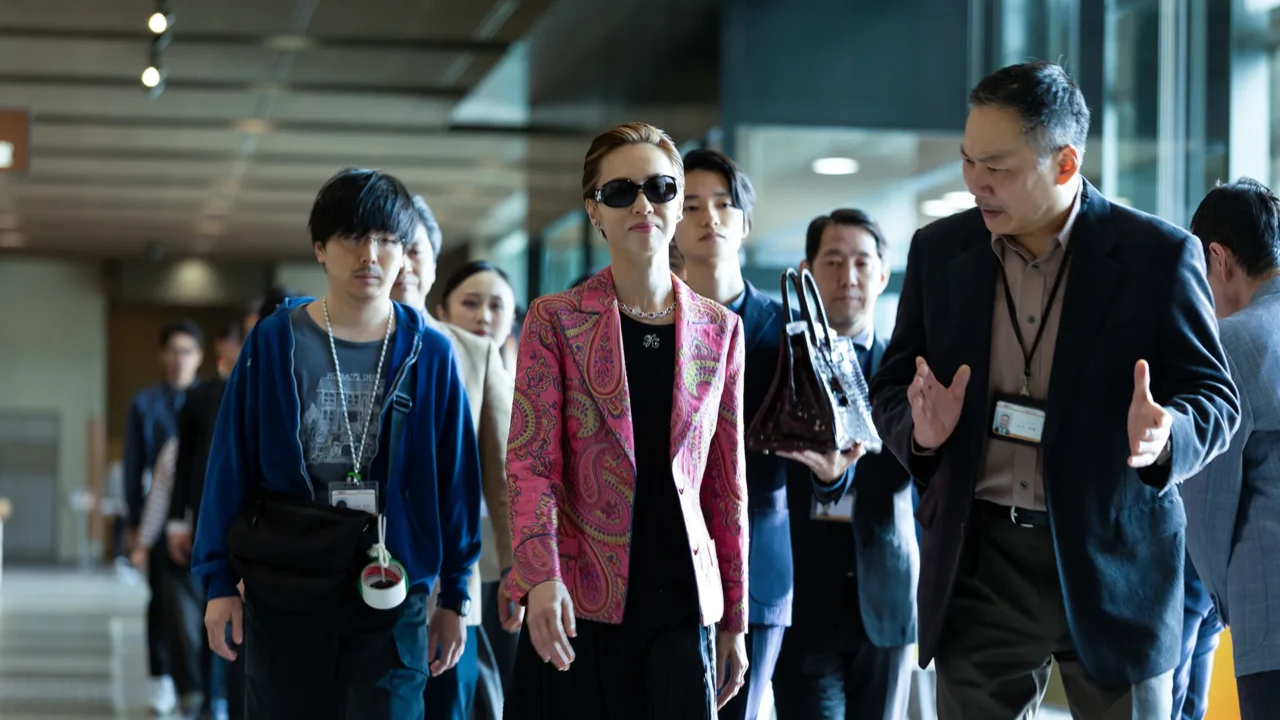
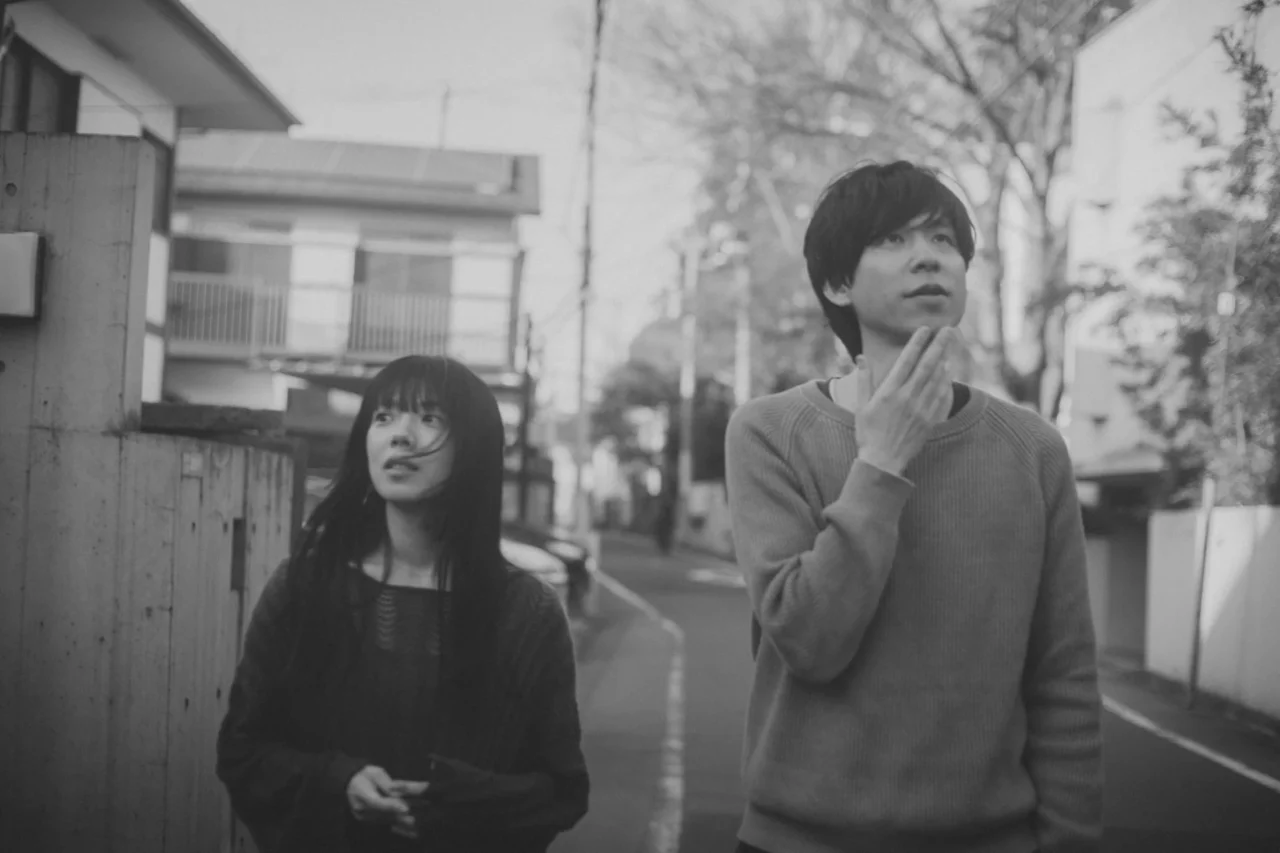
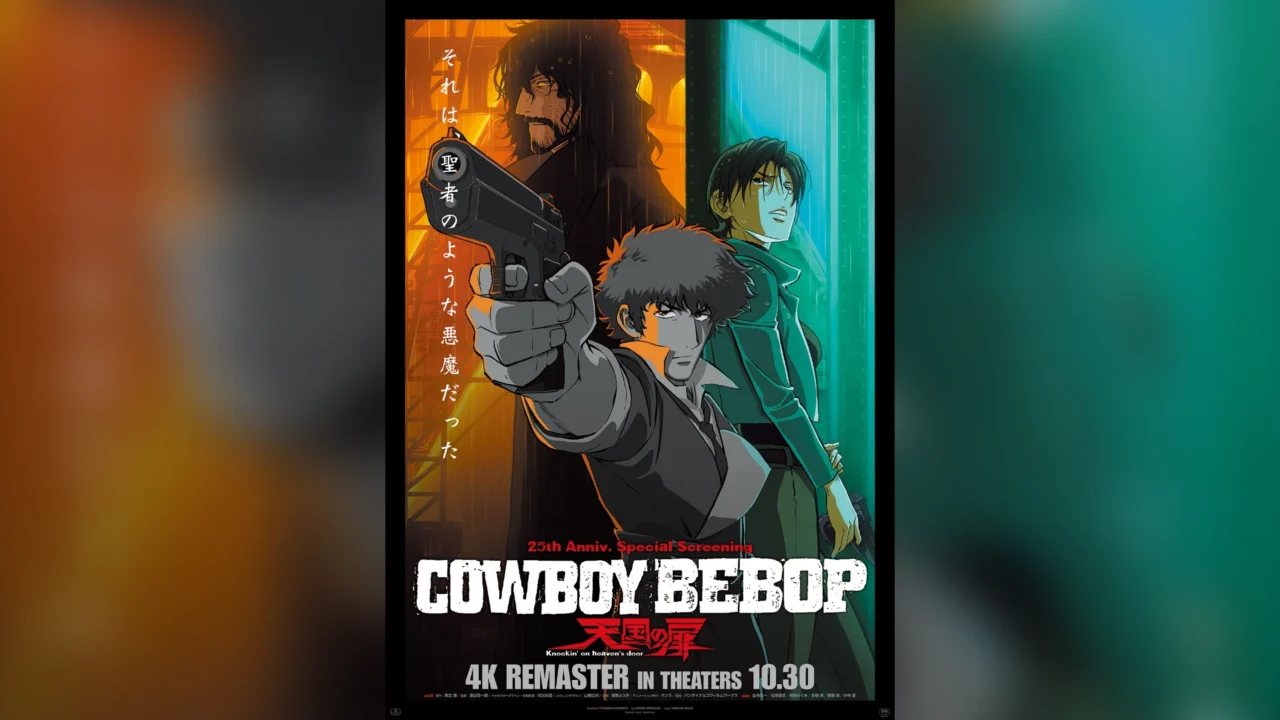
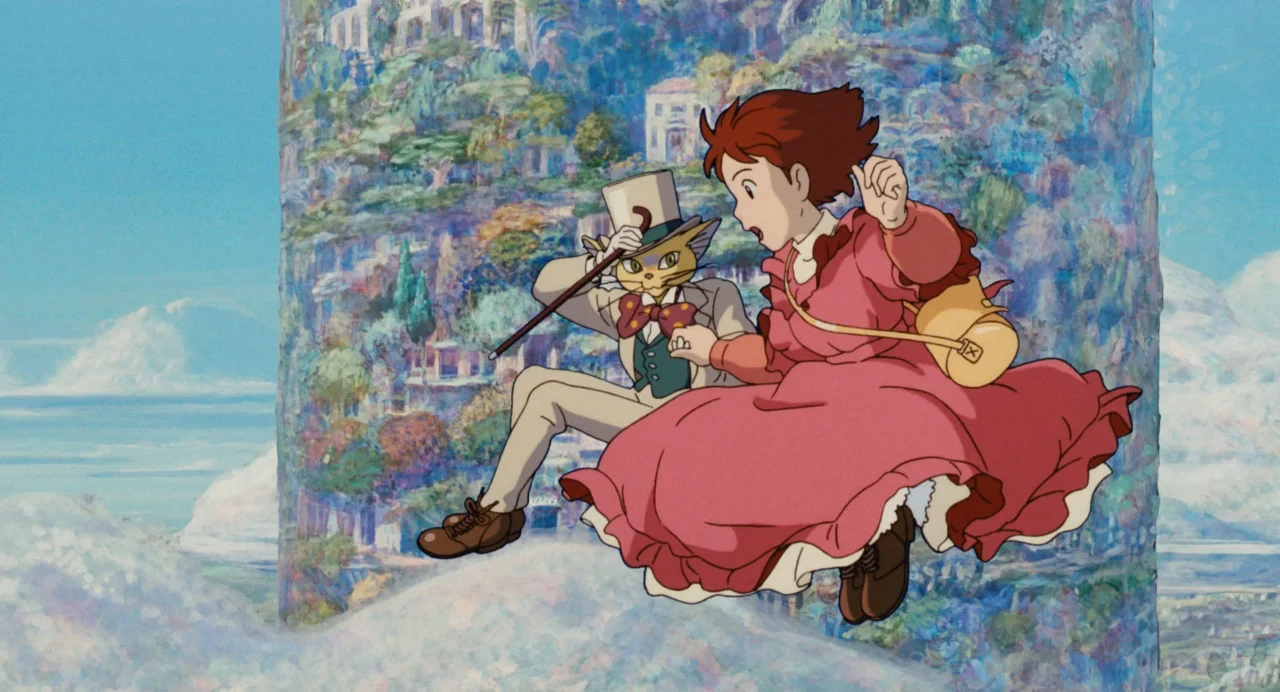
Ryusuke Hamaguchi, the acclaimed filmmaker behind Happy Hour (2015), Drive My Car (2021), and Evil Does Not Exist (2023), has won a devoted following among film audiences worldwide. His latest film, All of a Sudden, generated major buzz at the 79th Cannes Film Festival, where stars Virginie Efira and Tao Okamoto jointly won Best Actress.
Hamaguchi’s films are often long, dialogue-driven, and philosophical, yet they also possess a strange, irresistible accessibility. What is the secret behind that appeal?
To coincide with the release of All of a Sudden, we sat down with Hamaguchi to explore what makes his films so compelling. What emerged was not simply the perspective of a cinephile auteur, but that of someone who still approaches cinema first and foremost as a viewer.
Please note: this article contains discussion of the film’s content.
INDEX
Would My Younger Self Watch This?
Before we get into All of a Sudden, there’s something I’ve been wanting to ask you. You may not agree with this characterization, but I’ve always felt your films have a kind of unexpected accessibility to them.
Hamaguchi: Unexpected accessibility [laughs]? Thank you.
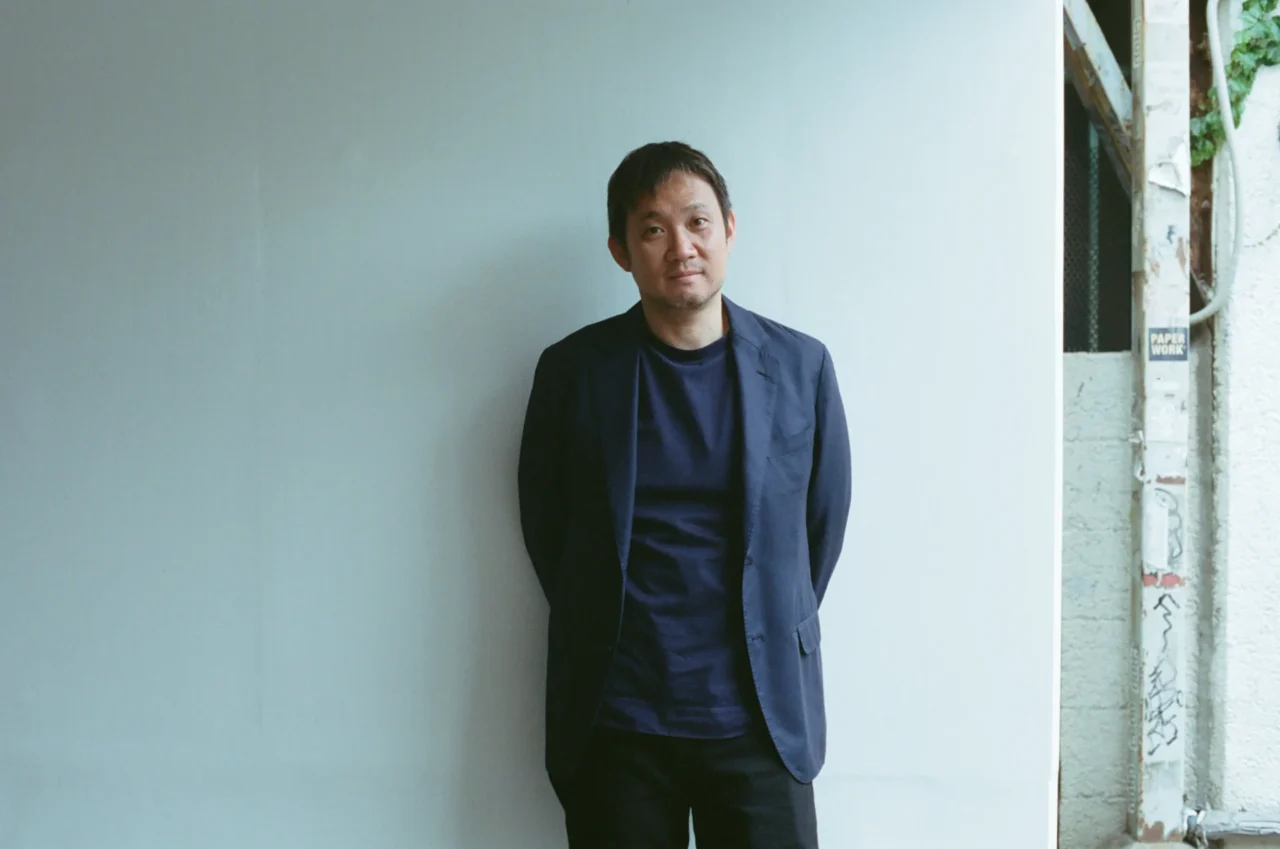
Born December 16, 1978, in Kanagawa, Japan. His graduation film PASSION (2008), produced at the Graduate School of Film and New Media at Tokyo University of the Arts, first brought him critical attention.
His five-hour, seventeen-minute feature Happy Hour (2015), starring four first-time actors who had participated in an acting workshop, won major awards at international film festivals including Locarno. Wheel of Fortune and Fantasy (2021) received the Silver Bear Grand Jury Prize at the Berlin International Film Festival, while Drive My Car (2021) won four prizes at the Cannes Film Festival, including Best Screenplay, before going on to win the Academy Award® for Best International Feature Film.
Evil Does Not Exist (2024) received the Silver Lion Grand Jury Prize at the Venice International Film Festival, making Hamaguchi only the second Japanese director after Akira Kurosawa to have received major awards at the Academy Awards and all three of Europe’s leading film festivals: Cannes, Berlin, and Venice.
His latest film, All of a Sudden, won the Best Actress Award at the 79th Cannes Film Festival, shared by Virginie Efira and Tao Okamoto.
I remember casually saying to a group of friends, “There’s something oddly inviting about Hamaguchi’s films.” It unexpectedly turned into a whole conversation because everyone seemed to agree. So I thought I’d ask you directly — what do you think it is?
Hamaguchi: You mean, even though they don’t look like the kind of films that would be inviting? [laughs]
Exactly. [laughs] All of a Sudden is 196 minutes long, and many of your films have substantial runtimes. They’re also full of philosophical conversations, so they’re often seen as the work of a challenging auteur. And yet, once you’re in them, they never feel inaccessible. People seem to slip into your films with surprising ease. There’s a real pull to them, but it’s a very different kind of appeal from spectacle or entertainment.
Hamaguchi: (Leaning forward in his chair.) I think that’s probably because, at heart, I’m still just a moviegoer. I know how much easier it is to watch a film when there’s something that immediately draws you in.
As you watch more films, your idea of what makes something engaging changes. You start noticing subtler things and realizing, Oh, that’s compelling too. But most audiences don’t watch films that way. So I’m always thinking about how to help people enter the world of a film without asking too much of them.
There’s also the reality of being an independent filmmaker. Every film matters. If one doesn’t perform well, there’s no guarantee you’ll get to make the next one. So of course I care whether people enjoy watching my films. It’s never been about making films only for myself.
Hamaguchi: So if you ask me when I know something is going to work… I think it’s when, as a viewer myself, I can honestly say, This works. That’s the feeling I keep coming back to whenever I’m choosing the material for a story.
I’ve spent enough time watching films that my eye has changed over the years. But there was a time when I knew very little about cinema. That’s still where I begin. I always find myself going back to that version of myself and asking, Would he understand this? Would he enjoy it?
When you say “that version of yourself”…
Hamaguchi: I mean the person I was before I really knew much about film. If I were to make something simply because it’s considered “good,” but that younger version of me wouldn’t have understood it, I feel like he’d laugh at me.
In a book you published in 2024, you open by recounting the experience of falling asleep during one of those so-called “difficult” films. It suggests that your relationship with cinema before you became deeply immersed in it remains an important reference point for you.
Hamaguchi: Oh, I still fall asleep all the time. [laughs] If anything, now that I’m in my forties, if I watch a film after lunch, you can pretty much count on me nodding off.
INDEX
Finding a Way In
What kinds of films did you find exciting before you became deeply immersed in cinema?
Hamaguchi: That depends on how far back you want to go. [laughs] If we’re talking about elementary and middle school, it has to be the Back to the Future trilogy. I remember thinking, I can’t believe something this entertaining exists. Even now, those films remain a benchmark for me as a filmmaker. They taught me that repetition alone — or rather, not just repetition, but the way it’s used — can make a film endlessly engaging.
The Terminator films had a huge impact on me as well. Looking back, I also loved movies like Paul Verhoeven’s Total Recall. Really, anything starring Arnold Schwarzenegger was something I’d happily watch back then.
Hamaguchi: Then, when I got to high school, I started discovering the films that came out of Japan’s mini-theater boom. By then the movement may already have been losing momentum, but I was watching directors like Wong Kar Wai, whose films had an immediate sense of style and cool. I was also seeing the Coen brothers’ work, even if I couldn’t fully appreciate it at the time.
In Japan, though, the filmmaker who made the biggest impression on me was Shunji Iwai. I think I first saw Fireworks, Should We See It from the Side or the Bottom? on television. I remember thinking, This feels completely different from any other TV drama. It was probably the first time I became aware that there was someone behind the camera shaping a work like this — that films and moving images had an author. For me, that realization began with Iwai.
It clearly left an impression on you.
Hamaguchi: I think I sensed some kind of strange, excessive desire on the part of the filmmaker in the images. I wouldn’t have been able to put it that way at the time, but I felt there was someone behind them. It was the first time I’d ever felt that while watching television. It was almost like seeing something I wasn’t supposed to see.
When you talk about “that younger version of yourself,” do you mean the period when you were watching films like Back to the Future, or the period when you were discovering mini-theater films?
Hamaguchi: I think those things are connected. And since we were just talking about television, my middle and high school years also coincided with the peak of trendy dramas in Japan, so I watched a lot of those too.
Then, once I entered university, I fell into a much more cinephile way of life and started watching films constantly. But even then, when I watched “difficult” films, some of them were genuinely hard to sit through as a viewer. At the time, for instance, Truffaut felt far more approachable to me than Godard. I remember feeling how much easier it was to find your way into a film when there was even something as simple as a romantic rivalry.
Romantic entanglements are certainly a staple of trendy dramas.
Hamaguchi: Exactly. Later, in my final years at university, I discovered the films of Éric Rohmer. They had qualities that immediately drew me in. They also showed me how the traditions of classical Hollywood cinema could be distilled into something far more understated and deeply rooted in everyday life.
A little later, when I was in graduate school, I discovered Jean Grémillon. His films are extraordinary in every cinematic sense, but what struck me just as much was how effortlessly watchable they are. Love, jealousy, betrayal, obsession… those emotions pull you in almost instinctively. Grémillon, in fact, was a fairly direct influence on PASSION (2008), the graduation film I made at the time.
It’s not that those elements are the only way into a film. But whenever a story gives even a little space to human emotion, I find it much easier to enter as a viewer. It gives you something to hold onto.
Edward Yang’s A Brighter Summer Day is a perfect example. The first time I saw it was on VHS at home. The image was dark, and honestly, I could barely tell what was happening. But I could still feel the emotional connection between the young characters, Xiao Si’r and Xiao Ming. That was enough to guide me through the film. Looking back, I think it was through moments like those that I gradually found my way into cinema.