Few figures in modern Japanese pop culture inspired as much fascination, fear, and controversy as Kazuko Hosoki. To some, she was an all powerful fortune teller whose books sold in record breaking numbers and whose sharp tongued appearances dominated television throughout the 2000s. To others, she represented something far darker: a woman shadowed by allegations of organized crime ties, spiritual scams, extortion, and the murky world of “second wife business” schemes.
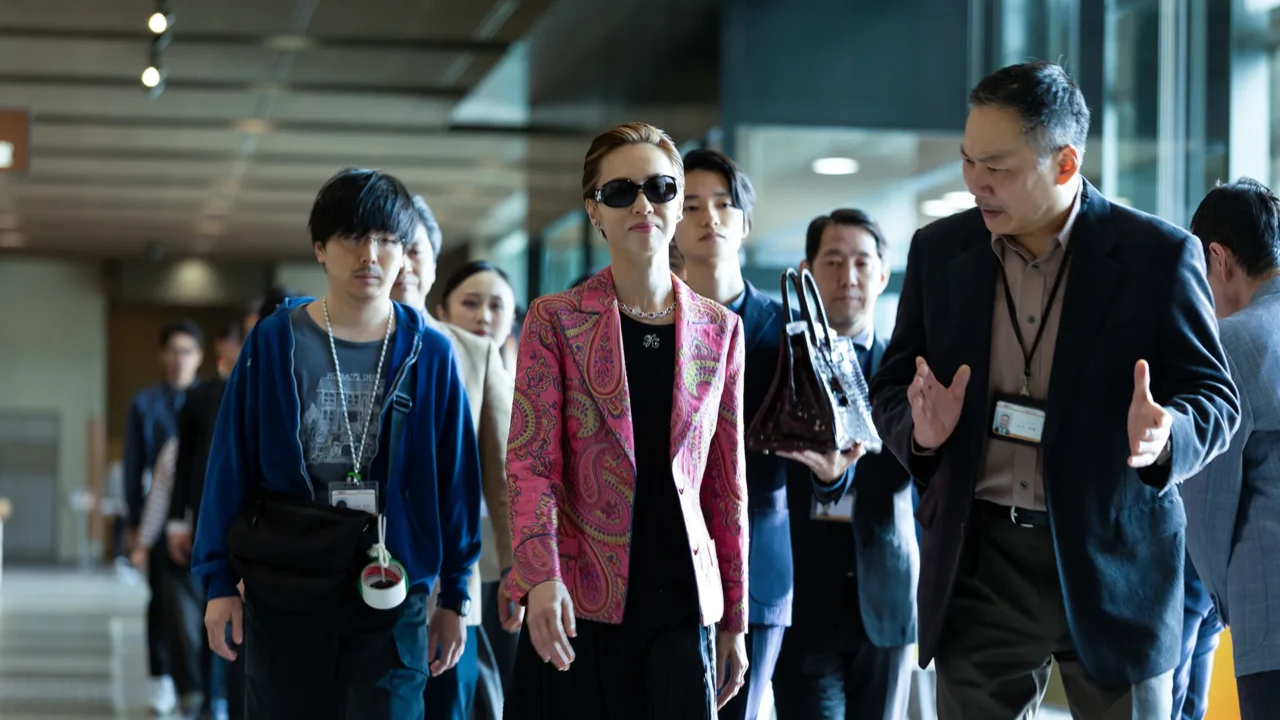
Now, that turbulent and deeply polarizing life has been transformed into drama in Netflix’s “Straight To Hell,” with Erika Toda taking on the role of Hosoki herself.
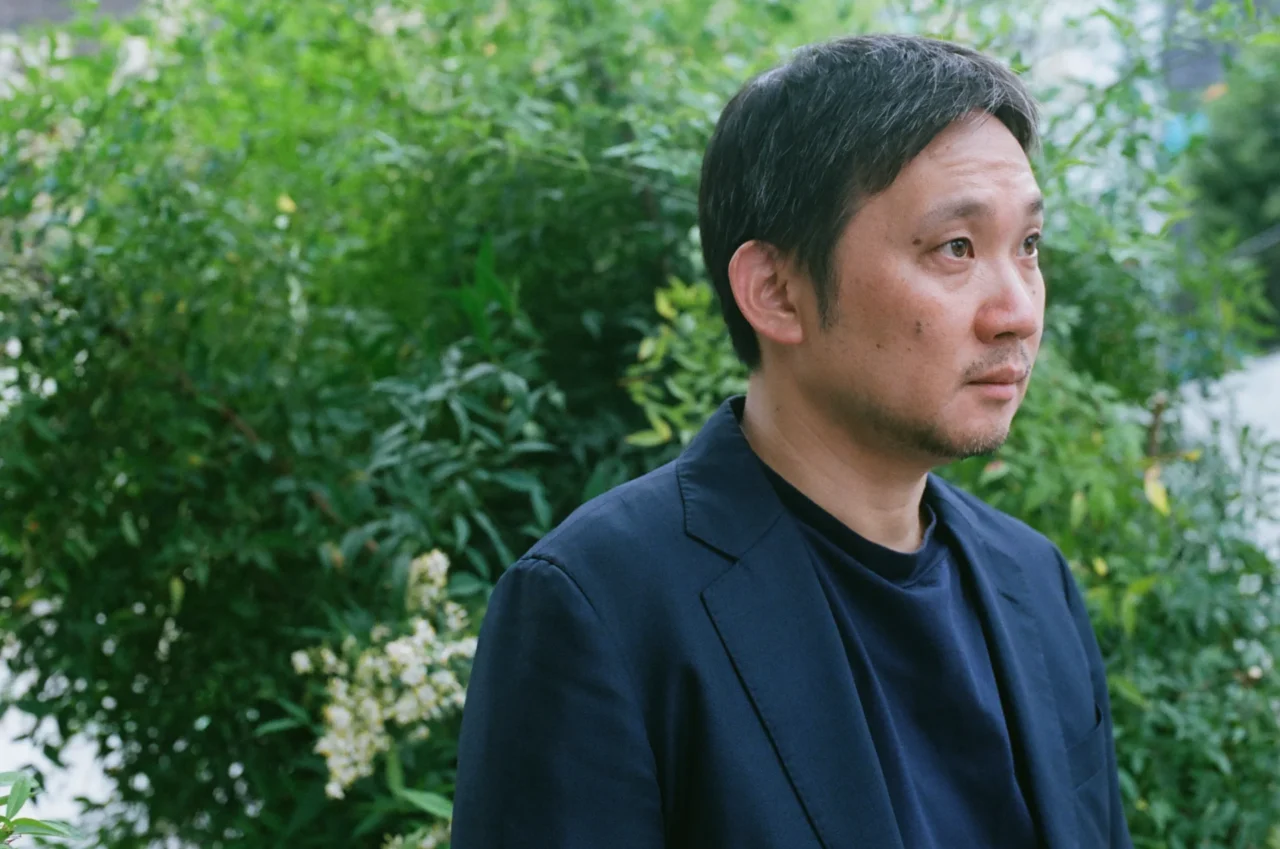
But beyond the tabloid headlines and larger than life persona, what kind of story does the series ultimately tell? We asked Kenichi Yasuda (Rock Manpitsu) to watch the series and respond freely in his own words.
Warning: This article contains spoilers for the drama series.
INDEX
Netflix’s signature blend of real life biography and true crime drama.
Netflix’s latest Japanese original series “Straight To Hell,” inspired by the life of Kazuko Hosoki (1938–2021), is the kind of show that practically demands to be binge watched. Clocking in at nine episodes averaging just over 53 minutes each, I ended up watching the entire thing in one sitting.
Over the years, Netflix has built a strong track record in Japan with dramatizations of larger than life real world figures, from “The Naked Director” to “The Queen of Villains.” At the same time, the platform has also leaned heavily into gritty crime stories rooted in reality, including “Tokyo Swindlers” and “The Forest of Love.” “Straight To Hell” essentially merges those two Netflix obsessions into one sprawling series.
Playing Hosoki is Erika Toda, whose casting alone signals the scale of the production. In fact, she even appeared as a special guest during Netflix’s exclusive broadcast of the Japan vs. Korea WBC game at Tokyo Dome on March 7, 2026, underscoring just how heavily the company was pushing the drama.
When people hear the name Kazuko Hosoki, what probably comes to mind are the imposing covers of her “Rokusei Senjutsu” fortune telling books stacked in bookstores, her brutally blunt remarks on variety television, or the endless scandals that seemed to follow her everywhere. Still, it has already been nearly two decades since her regular television appearances came to an end in 2008. In many ways, that distance in time is precisely what makes a dramatization like this possible.
At the same time, there is also a closing window for a project like “Straight To Hell” to resonate on an instinctive level. The title alone still immediately evokes Hosoki for a certain generation of viewers. But cultural memory does not last forever.