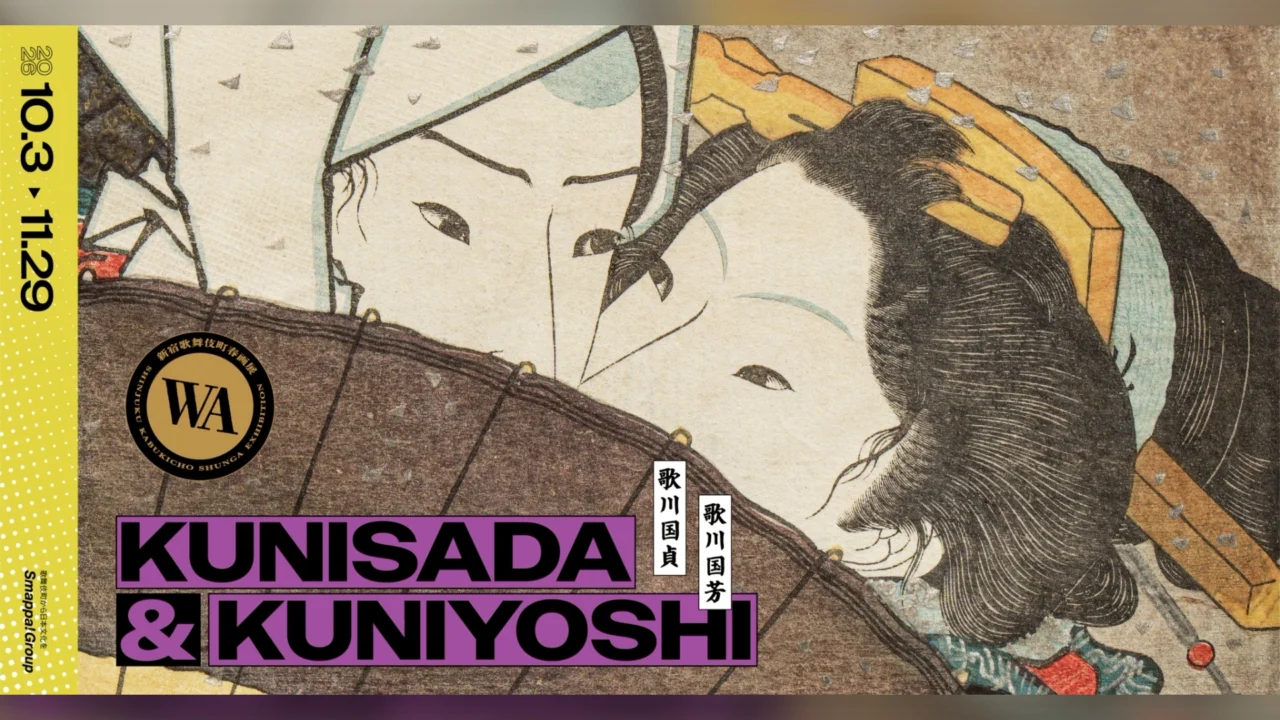
Utagawa Kunisada and Utagawa Kuniyoshi: Shinjuku Kabukicho Shunga Exhibition WA is currently being held at the Shinjuku Kabukicho Noh Stage in Tokyo.
The exhibition is organized by Smappa!Group, which operates more than 20 businesses in Kabukicho, including host clubs, bars and hair salons. In recent years, the group has been working to promote Japanese culture from the heart of Kabukicho. Now in its fourth edition, the exhibition focuses on two legendary ukiyo-e artists: Utagawa Kunisada, whose illustrations for Ryutei Tanehiko’s Nise Murasaki Inaka Genji sparked a craze for Genji-themed prints in Edo, and Utagawa Kuniyoshi, a devoted cat lover known for his wildly imaginative works. Both are among the most celebrated artists in the history of ukiyo-e.
Kunisada is best known for his portraits of kabuki actors, while Kuniyoshi made his name with depictions of warriors. The exhibition brings together works of shunga, or Japanese erotic art, by these two distinctive masters in the unusual setting of a Noh stage in Kabukicho. Beyond the exhibition itself, visitors can also take part in the Shunga Tour with Hosts, an optional two-hour experience that combines a guided viewing of the artworks with working hosts from Smappa!Group, some of whom speak English, followed by an hour at a Japanese host club.
It might sound like a fun experience on paper, but the reality turned out to be even better. The tour was so enjoyable that it offered a welcome escape from everyday life, leaving a lasting sense of excitement and energy. Here’s what makes this unusual experience so special.
Please note: This article contains sexual themes and descriptions.
INDEX
Shunga on a Noh Stage in Kabukicho: Art Wasn’t Always a Solo Experience
Before meeting the hosts, I had a chance to explore the exhibition with someone from the PR team. And honestly, the exhibition itself was full of surprises.
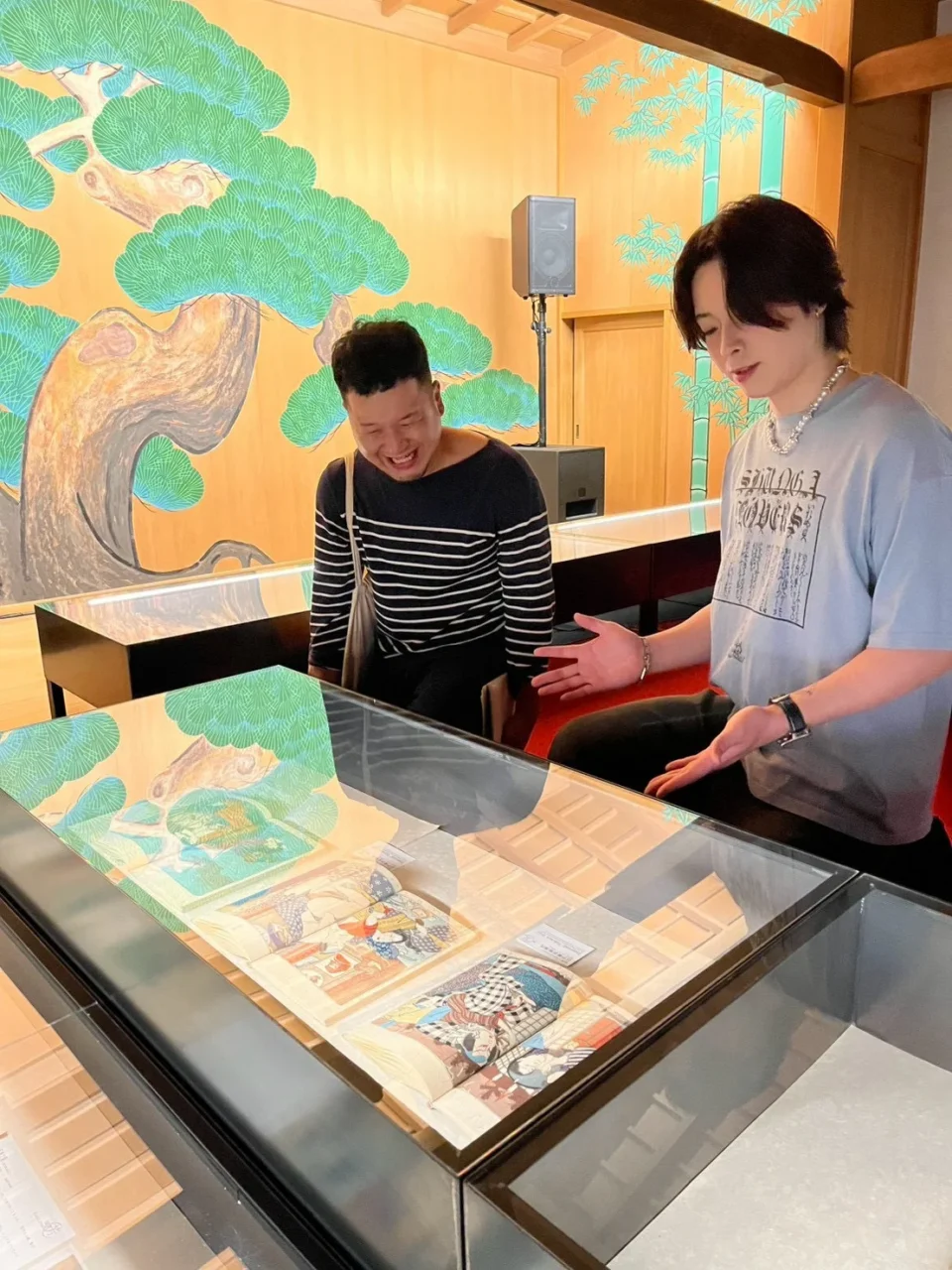
For starters, I had no idea there was a Noh stage in Kabukicho, let alone one that dates back to 1941. The way the exhibition was set up was just as interesting.
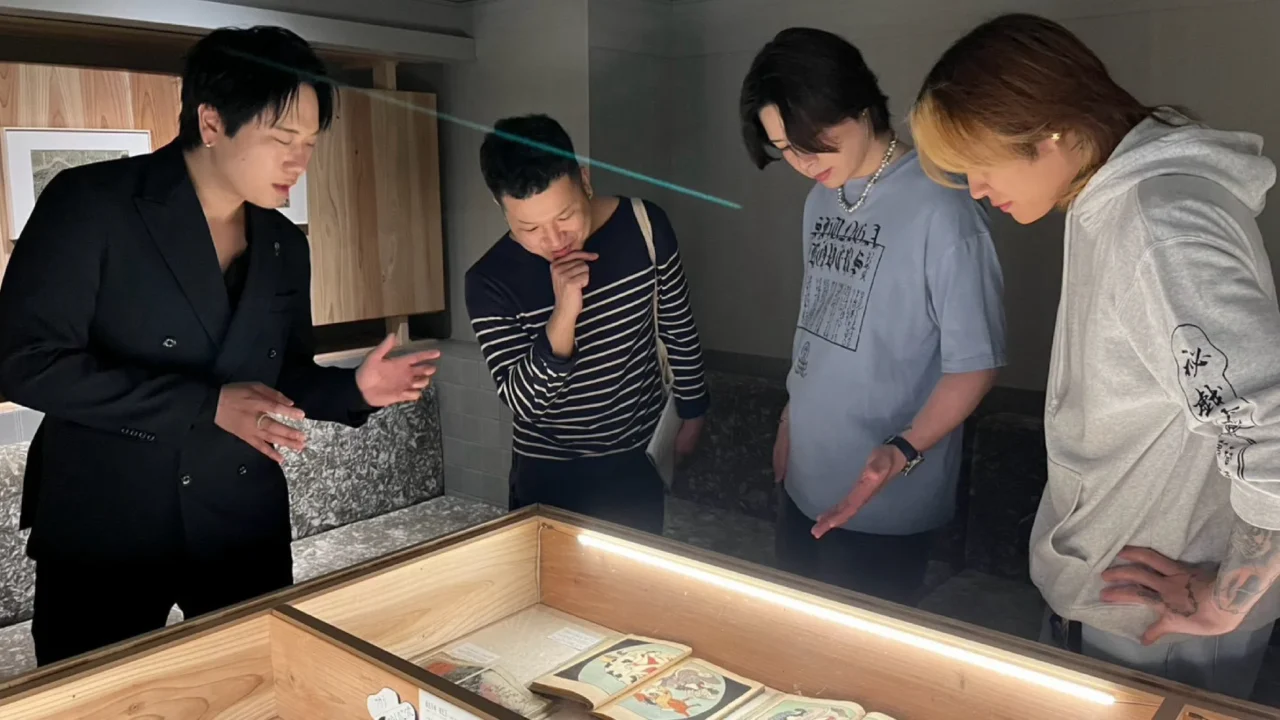
Back in the Edo period, shunga was also known as warai-e, or “laughing pictures.” Rather than being enjoyed only in private, these erotic artworks were often shared among groups of people, who would laugh and chat about what they were seeing. The exhibition brings back that spirit with glass display cases arranged in a circle. Visitors can see not just the artworks but also each other’s faces and reactions, making the whole experience feel much more social than your typical art exhibition.
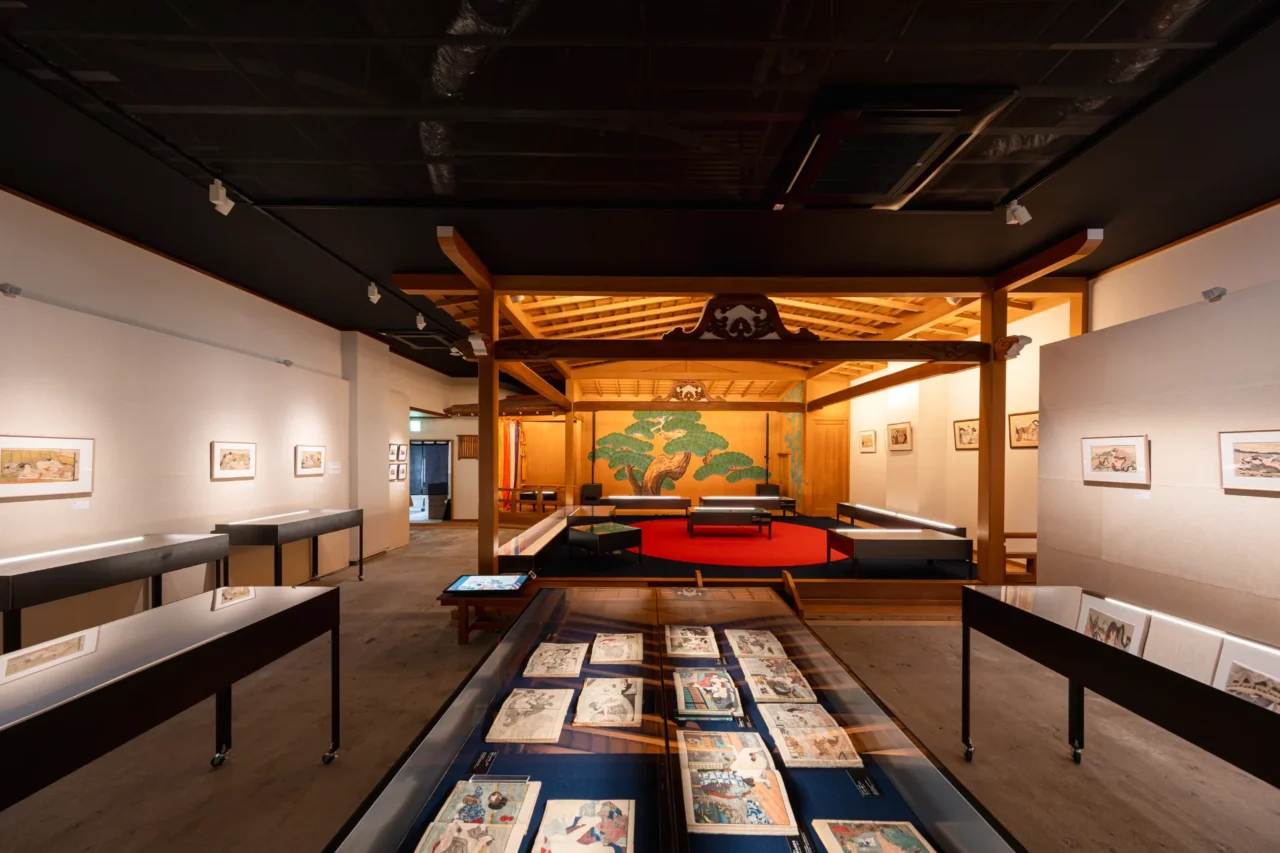
The descriptions are refreshingly casual, too. Instead of the usual dry, academic explanations, they’re written in a friendly, enthusiastic tone that makes the art easy to get into. Free audio guides are also available in both Japanese and English, making the exhibition more accessible to international visitors.
INDEX
Kunisada’s Three Genji Works: Incredible Craftsmanship Down to the Finest Detail
Of course, the artworks themselves are just as impressive. The exhibition is curated by Mitsuru Uragami, an art dealer and one of the world’s leading collectors of shunga. Many of the pieces on display are incredibly rare, and you can sense just how special they are. One of the highlights is a set of three works by Utagawa Kunisada, collectively known as the Three Genji Works.
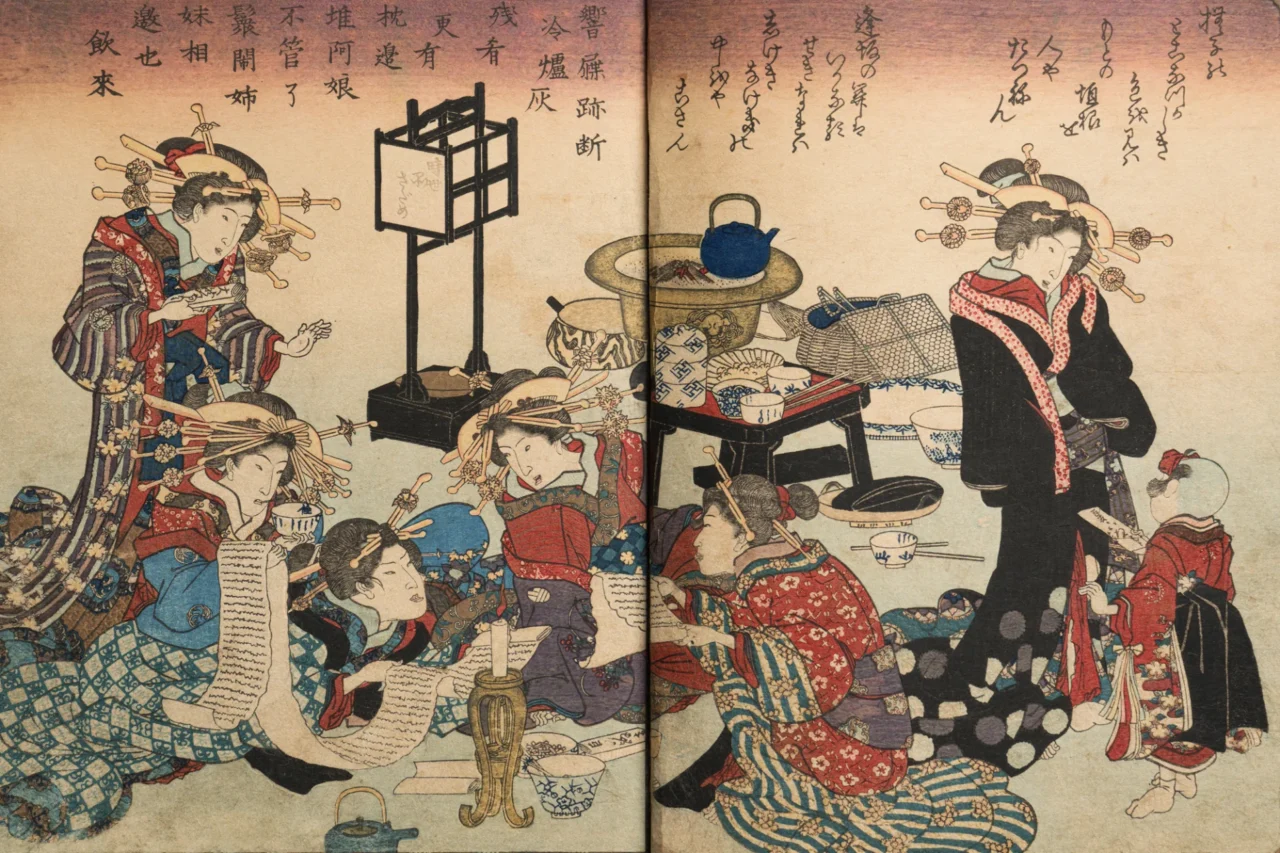
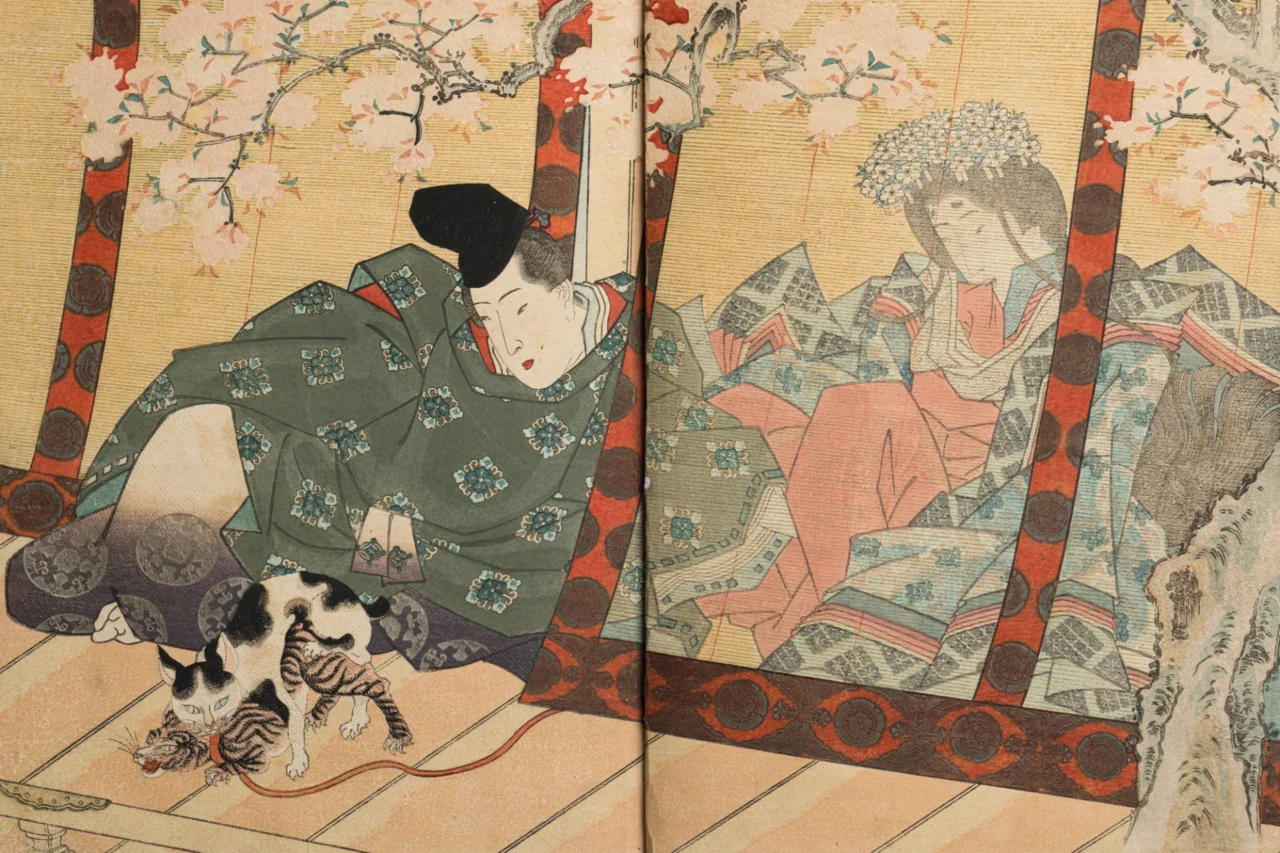
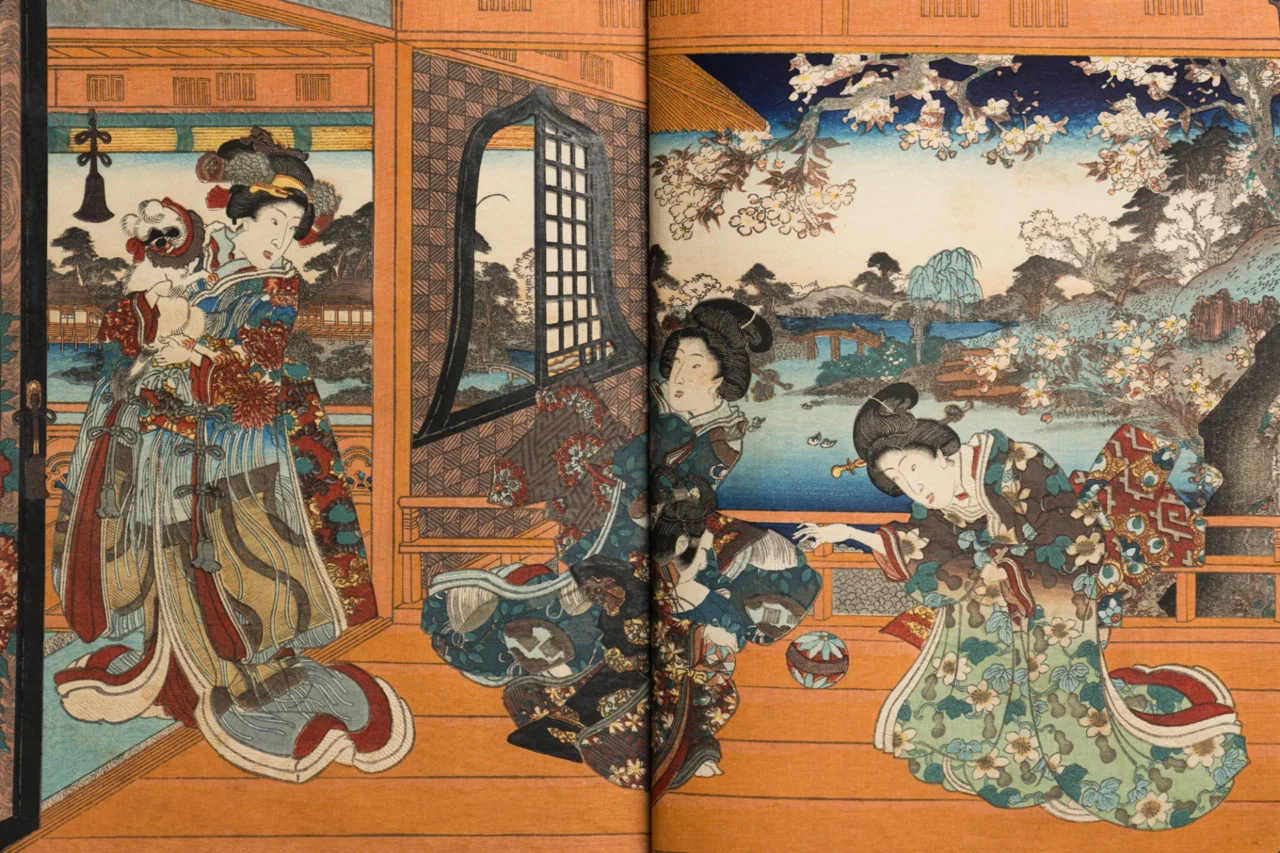
These three works were inspired by Nise Murasaki Inaka Genji, a hugely popular Edo-period adaptation of The Tale of Genji, Japan’s classic romance novel. Written by Ryutei Tanehiko and illustrated by Kunisada himself, the adaptation moved the story to the Muromachi period and sparked a major Genji craze. In other words, Kunisada’s three works are based on an adaptation of an earlier story. It’s almost like sampling a sample in music. The idea of artists building on and reworking earlier creations clearly goes back a lot further than we might think.
Often considered among the finest examples of ukiyo-e woodblock printing, these works show just how skilled the craftsmen of the time were. Some details were carved with three incredibly fine lines within a single millimeter. Other techniques created raised textures without ink, or added a glossy finish to bring out patterns and surfaces. The level of precision is almost impossible to imagine.
The colors are another surprise, with vivid shades that look remarkably fresh even today. And then there are the tiny details, including individual curls of pubic hair rendered with almost absurd precision. It’s the kind of craftsmanship that leaves you wondering how anyone had the patience to pull it off.
I had always imagined shunga as mostly scenes of handsome young men and beautiful courtesans having sex. But the works here are far more varied, featuring everything from comical characters and unexpected pairings to encounters between humans and animals, parodies of The Tale of Genji, and exaggerated imagery that wouldn’t look out of place in manga.
Shunga also wasn’t necessarily produced as individual prints. Many works appeared in illustrated books known as enpon, made using multicolored woodblock printing. Think of them as something like today’s manga magazines. And just as early issues of popular manga magazines have become rare collectibles, it’s unusual to find so many of these books in such excellent condition gathered in one place.
INDEX
From City Hall to Firefighting: Three Hosts Take Us on a Shunga Tour
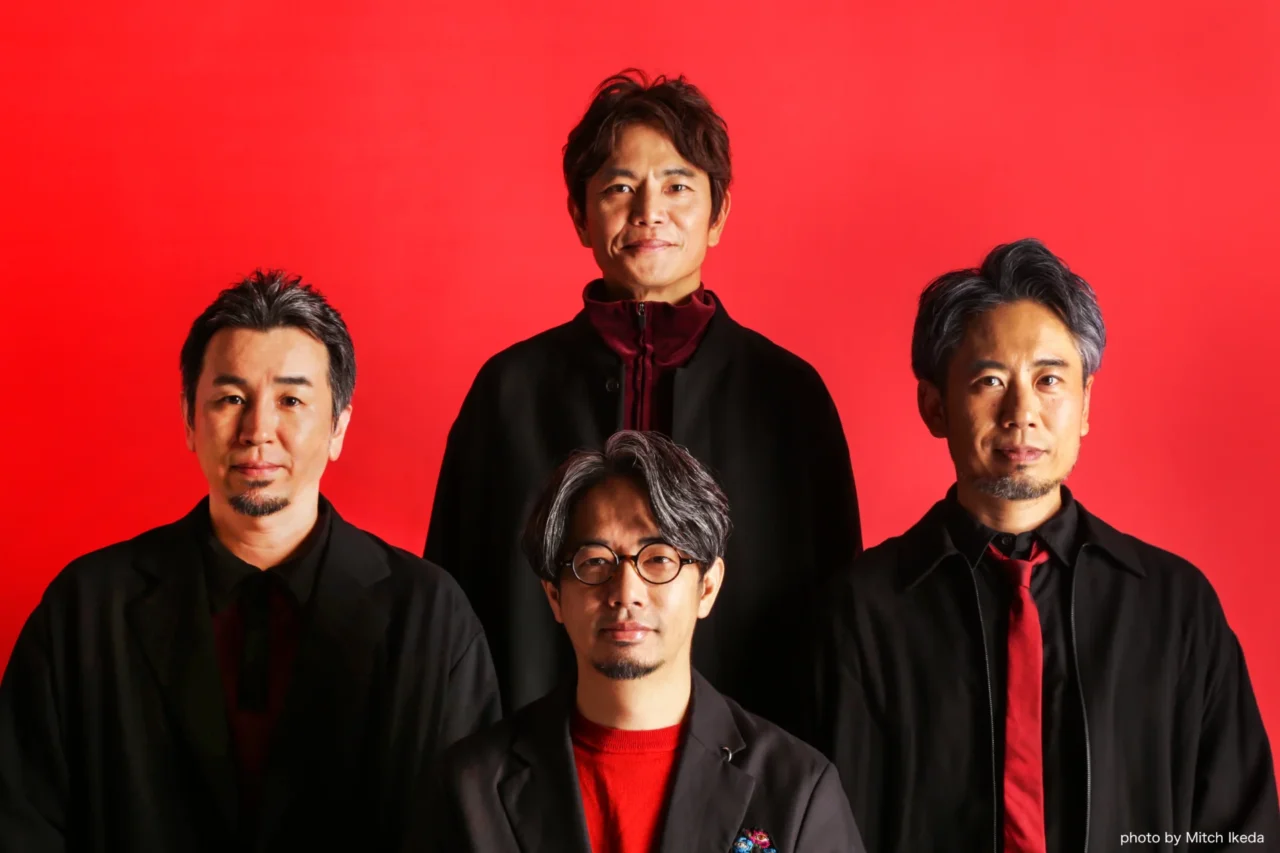
Now it was finally time for the Shunga Tour with Hosts. I met up with our three guides, Reiji Naito, Futo and Takuya Niimi, all working hosts, and we headed back into the exhibition together.
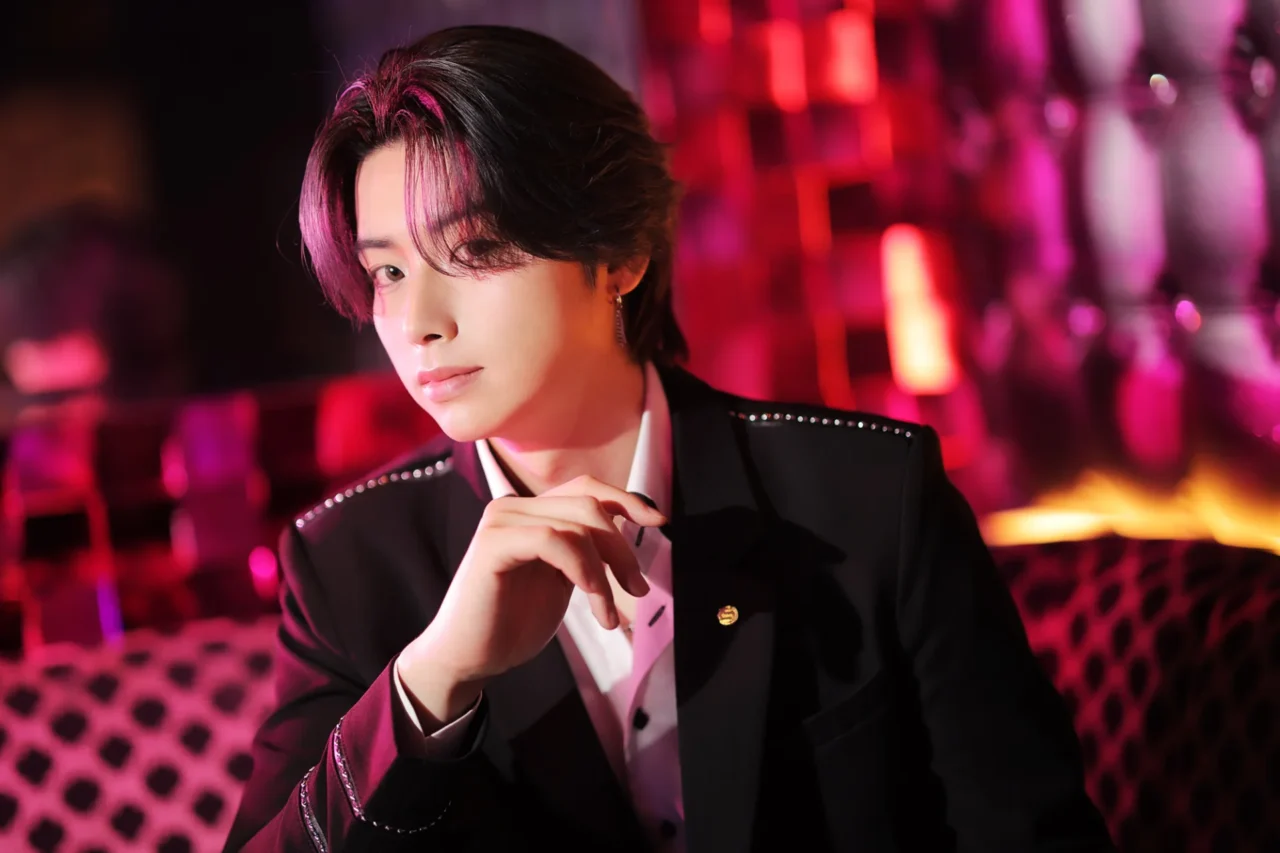
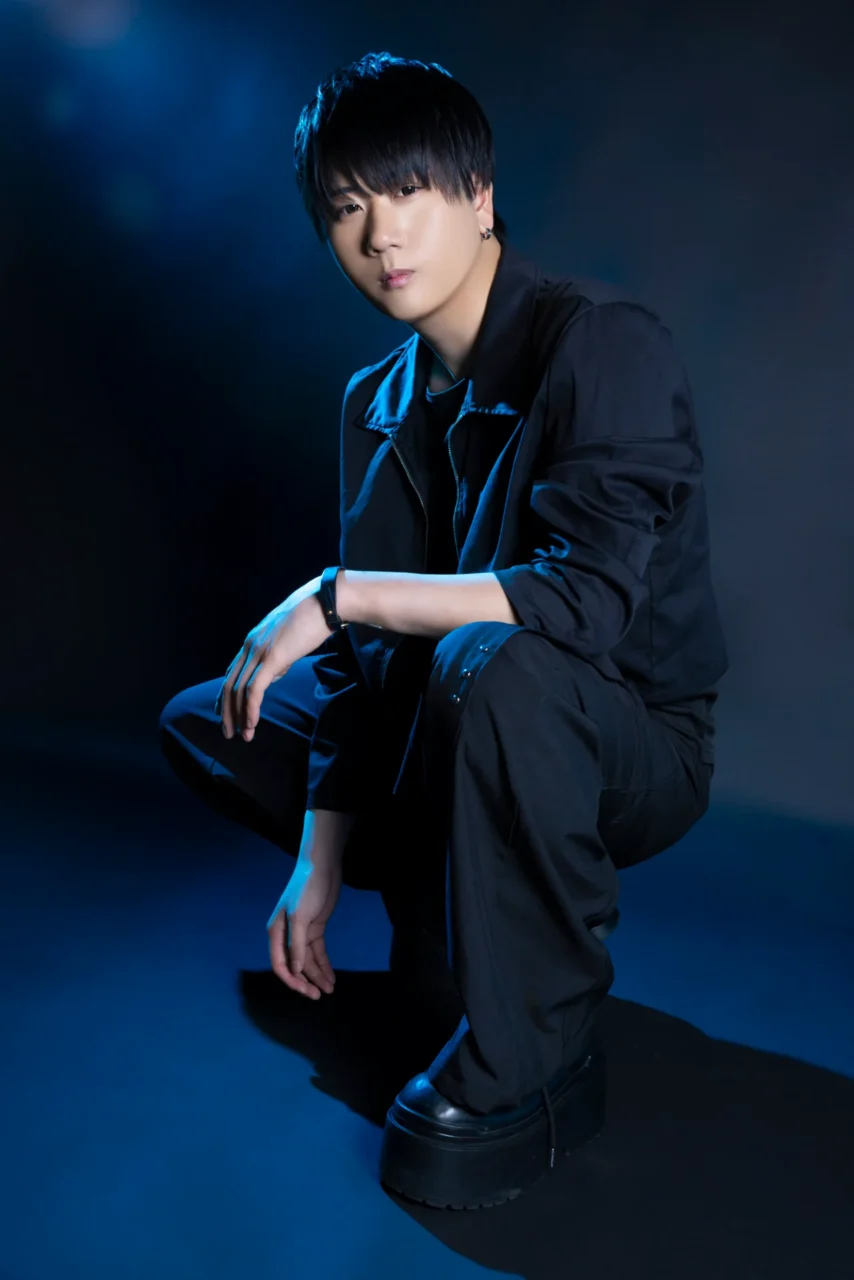

All three were, unsurprisingly, incredibly handsome, with the kind of presence that instantly lights up a room. I was curious to see how they would approach interpreting shunga, so I started with a simple question. “So, are you guys into art?”
Futo, who had previously worked at city hall, paused for a moment before answering.
“Art? Hmm, art… Well, I’ve got a painting by someone I don’t know hanging up at home.”
Reiji, a former firefighter, quickly chimed in.”I’ve got some houseplants.”
It was becoming clear that art wasn’t exactly their area of expertise. Which made me all the more curious to hear what they had to say about shunga.
As we stepped back into the exhibition, Futo clapped his hands and began speaking with the confidence of a seasoned tour guide.
“Well, shunga is basically… erotic pictures from the Edo period, right? It’s interesting to see what kinds of things people were into back then, or what sort of toys they used. Anyway, ask me anything. I’ll answer all your questions.”
Feeling reassured, I pointed to a series of prints inspired by Water Margin, a classic Chinese novel. Created by Kuniyoshi, these weren’t shunga but dramatic warrior prints, almost like an early version of action manga.
“Okay, so what’s this one about?”
“Oh, this one? Well… this is… Hmm, what is this, actually?”
And that pretty much set the tone for the entire tour.
Standing in front of artworks featuring remarkably explicit sexual scenes, the three hosts offered their commentary with complete seriousness.
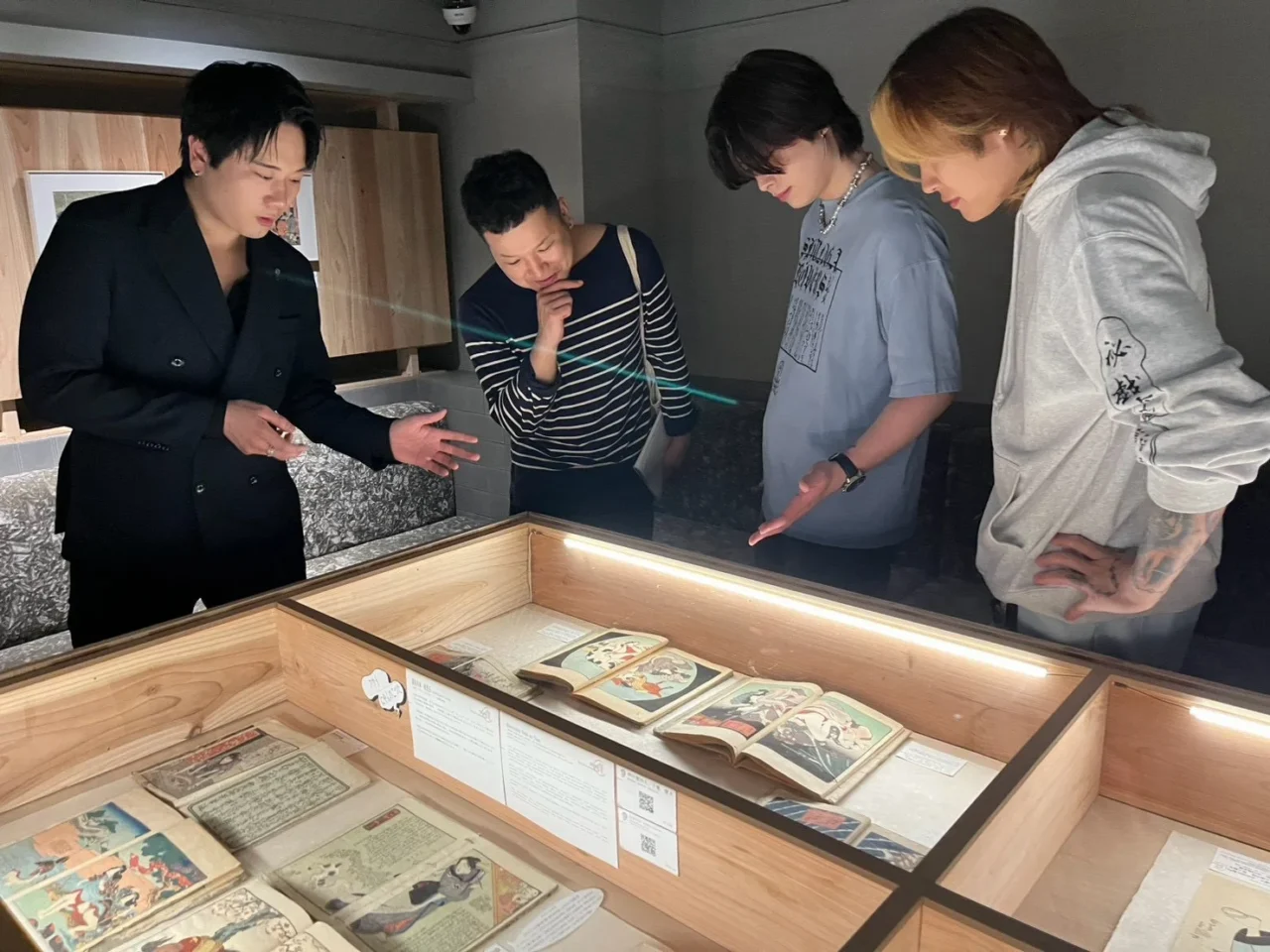
“Wow, this one’s really something. It’s educational, too. You can learn a lot from it.”
“Ah, yes. Very sensual.”
“Oh, sensual! That’s a word? What does it mean?”
“Well, kind of sexy, I guess.”
“Ah, I see. Never heard that one before.”
And yes, the whole tour was like this. I couldn’t stop laughing as we made our way around the exhibition. It was one hilarious moment after another.
But beyond the jokes, I was genuinely impressed by how good these guys were at entertaining people. As hosts, making others feel comfortable and keeping the conversation going is what they do for a living, and it showed.
The whole experience was funny, relaxed and surprisingly warm. In a way, it felt like stepping back into the Edo period, when people would gather around shunga, share their reactions and laugh together. Only this time, it was happening in the middle of modern-day Kabukicho.
INDEX
Shunga in a Host Club, and a Walk Through Kabukicho
After making our way through the first exhibition space, we headed to the second venue: BOND, a host club that’s currently closed for business and has been transformed into an exhibition space. Here, the focus is on artworks featuring supernatural creatures, including some rather erotic monsters, alongside a surprisingly extensive gift shop.
The merchandise ranges from lucky charms and lighters to sweatshirts, cushions, trading cards and luxury art books. It’s the kind of wonderfully eclectic selection you’d expect from a quirky Japanese lifestyle store, and the designs are genuinely good. Even the clothing is stylish.
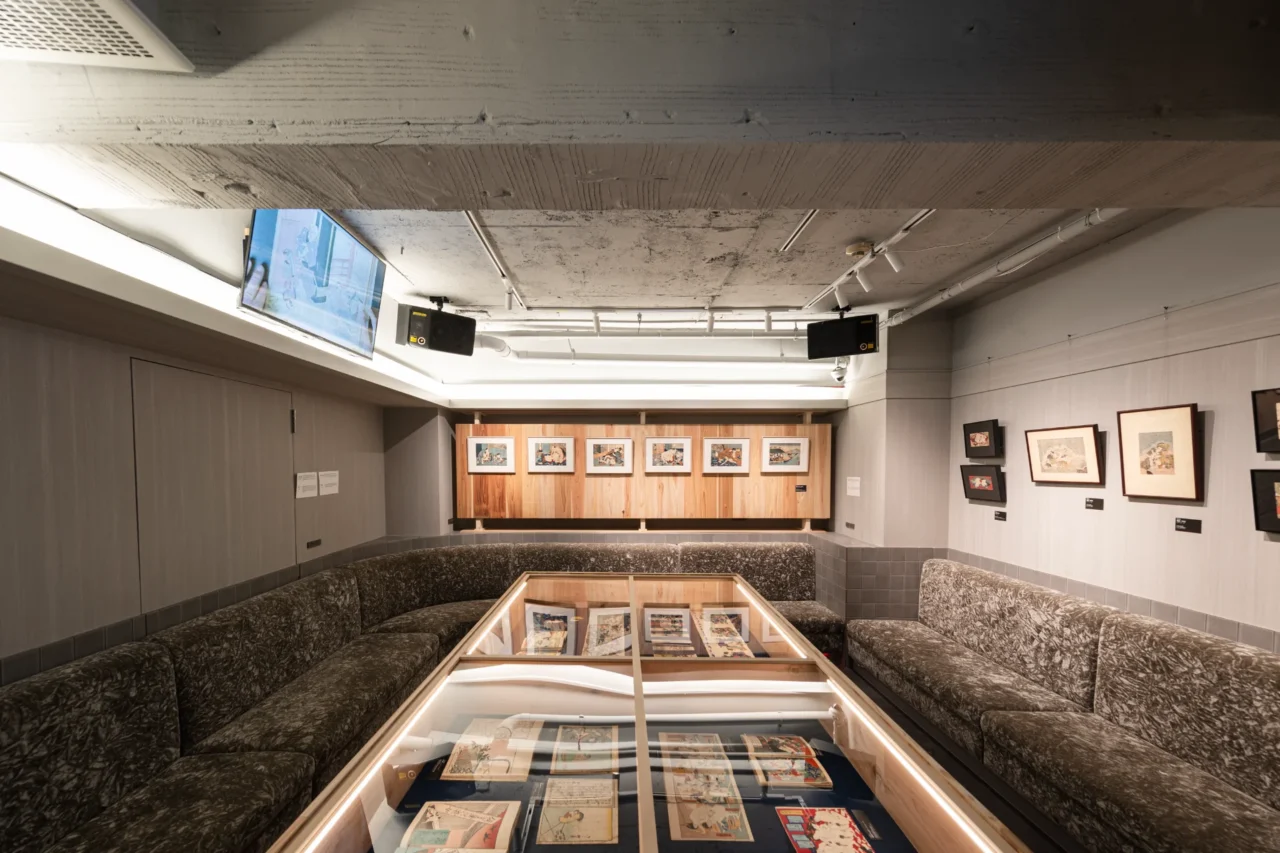
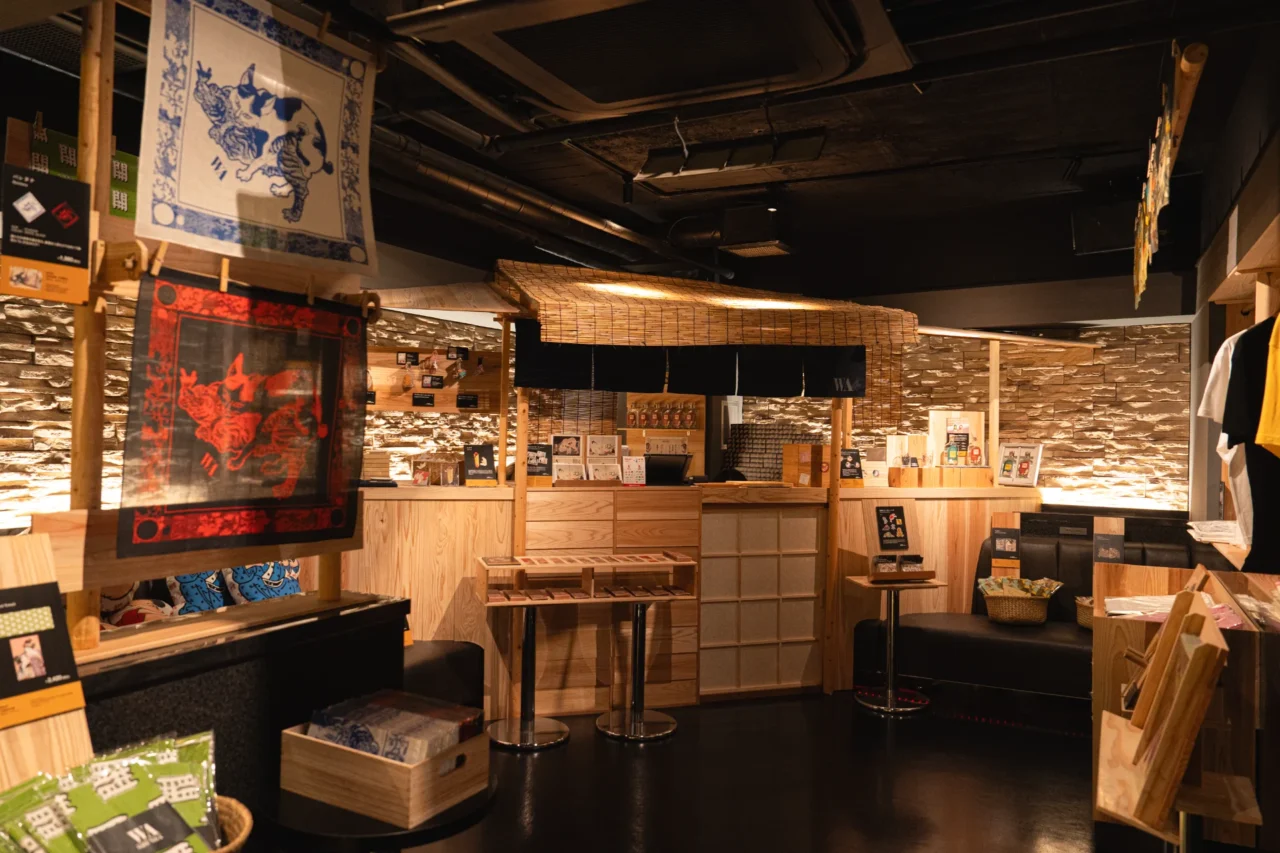
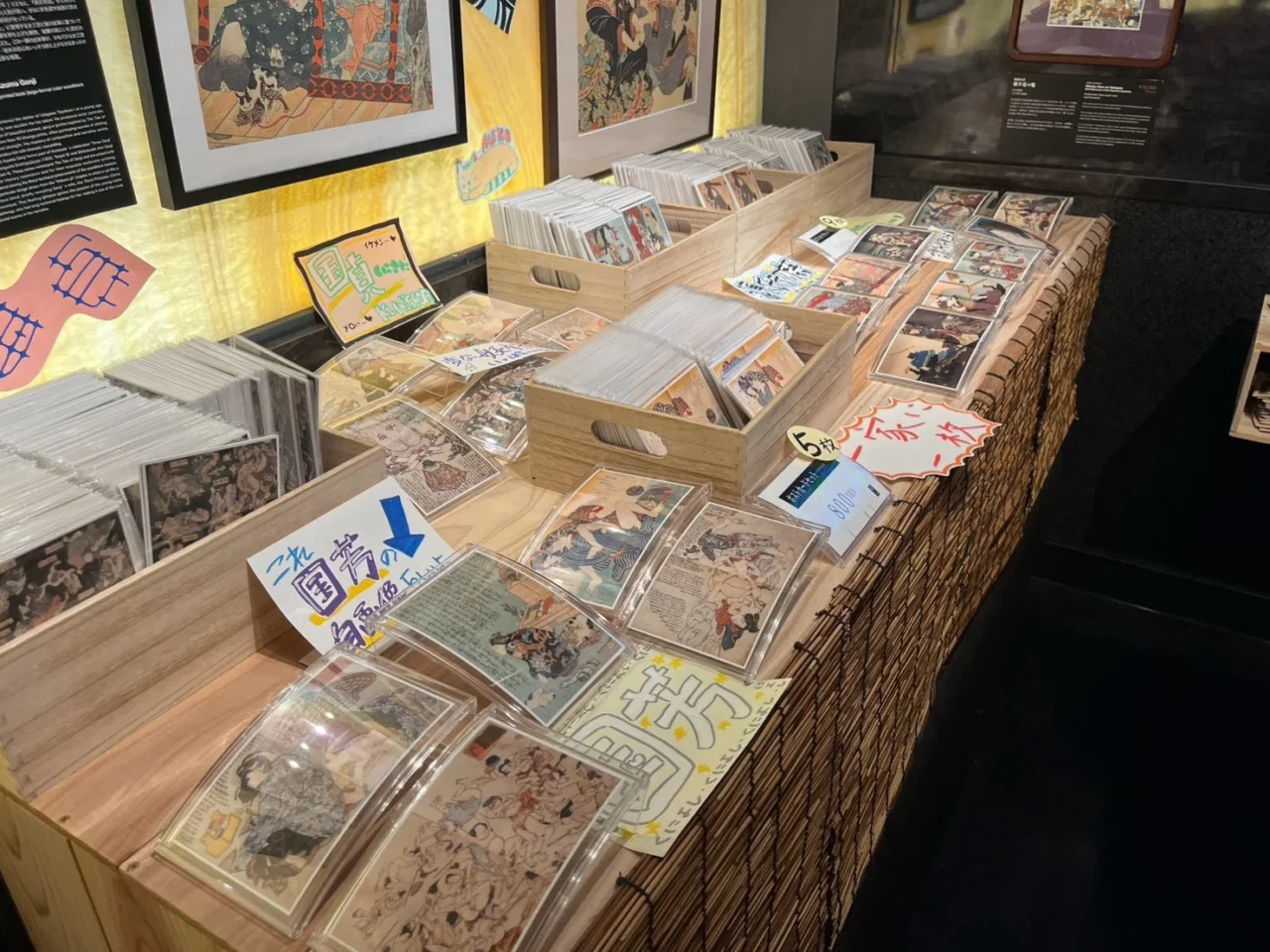
Standing in front of a collection of prints featuring erotic monsters, Futo clapped his hands again and confidently announced:
“Seriously, ask me anything. I’ll answer all your questions.”
“Okay, then what’s this Sankai Marako thing?”
“Oh, this? Well… this is… Hmm, what is it, actually? Is that the artist’s name?”
By now, you probably get the idea. Once again, I found myself laughing my way through the exhibition with the hosts.
After leaving BOND, we stopped by Decameron, a gyaru-themed bar, to take some shunga-themed purikura photo booth pictures. As if the art itself weren’t entertaining enough, the tour also turned out to be a fun way to explore Kabukicho.
Even as we walked through the neighborhood on a drizzly Sunday evening, the hosts kept us entertained, pointing out places along the way.
“This club is part of our group, too.”
“So is this one.”
“And this place? They serve really good eel. Nothing to do with our group, though.”
INDEX
My First Host Club Experience: An Hour That Left Me Feeling Surprisingly Relaxed
Finally, it was time for the last stop: an hour at AWAKE, the host club where our three guides work. The club had only just opened for the evening, so I was the only customer there. It was my first time ever visiting a host club, and my immediate thought was, “Oh, so this is what I’ve seen in TV dramas.”
The interior was elegant and luxurious, and stepping inside felt like entering a completely different world. I took a seat at a table toward the back, where different hosts came over throughout the hour, making drinks and chatting with me.
There was Sho Shigaki, who kept the conversation lively with his jokes; Nari, a soft-spoken veteran with 16 years of experience in the business; Raito, whose tattoos covered much of his neck and arms; and Luna, whose striking eyes were hard to miss. They were all incredibly good-looking, of course, but what stood out most was how friendly and welcoming everyone was. It was surprisingly relaxing.
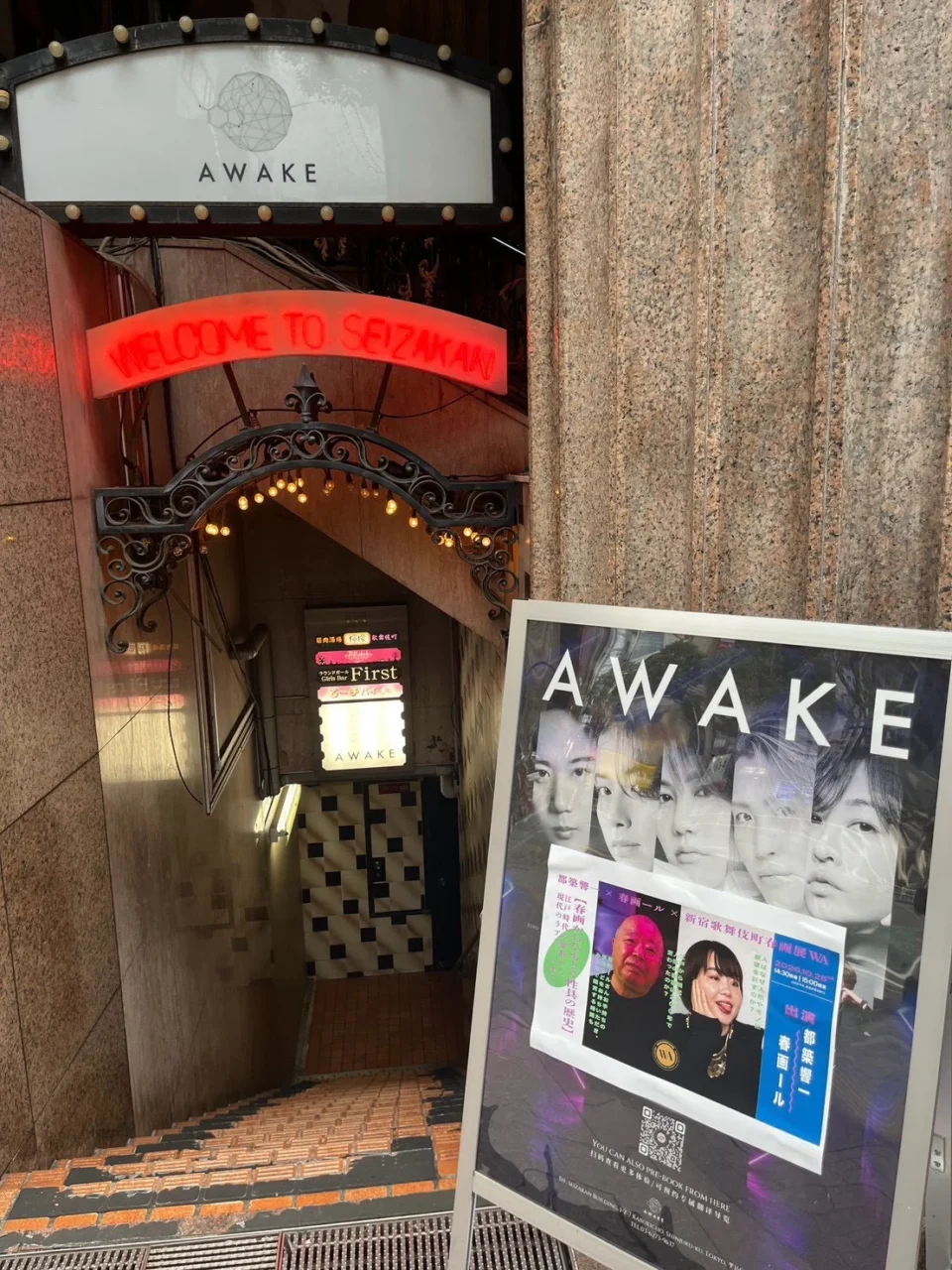
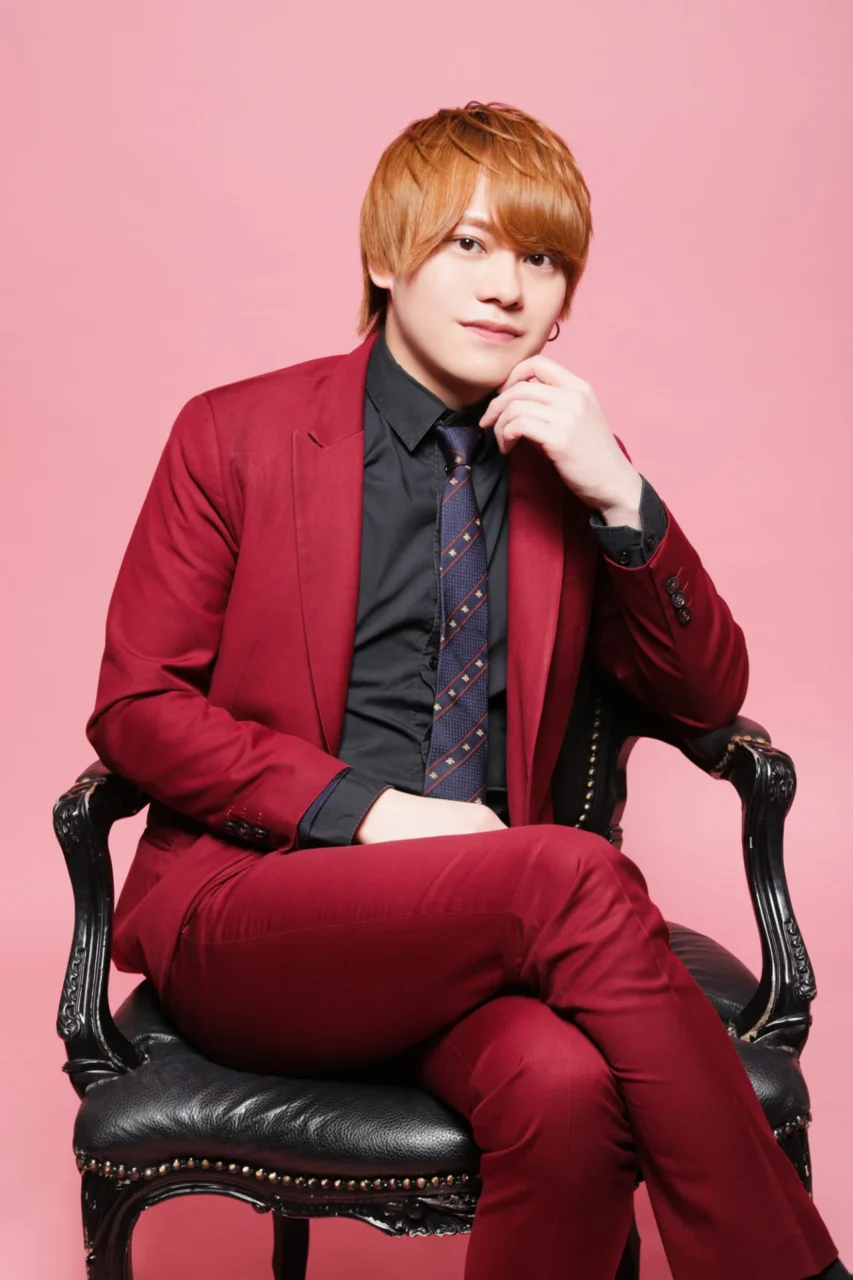
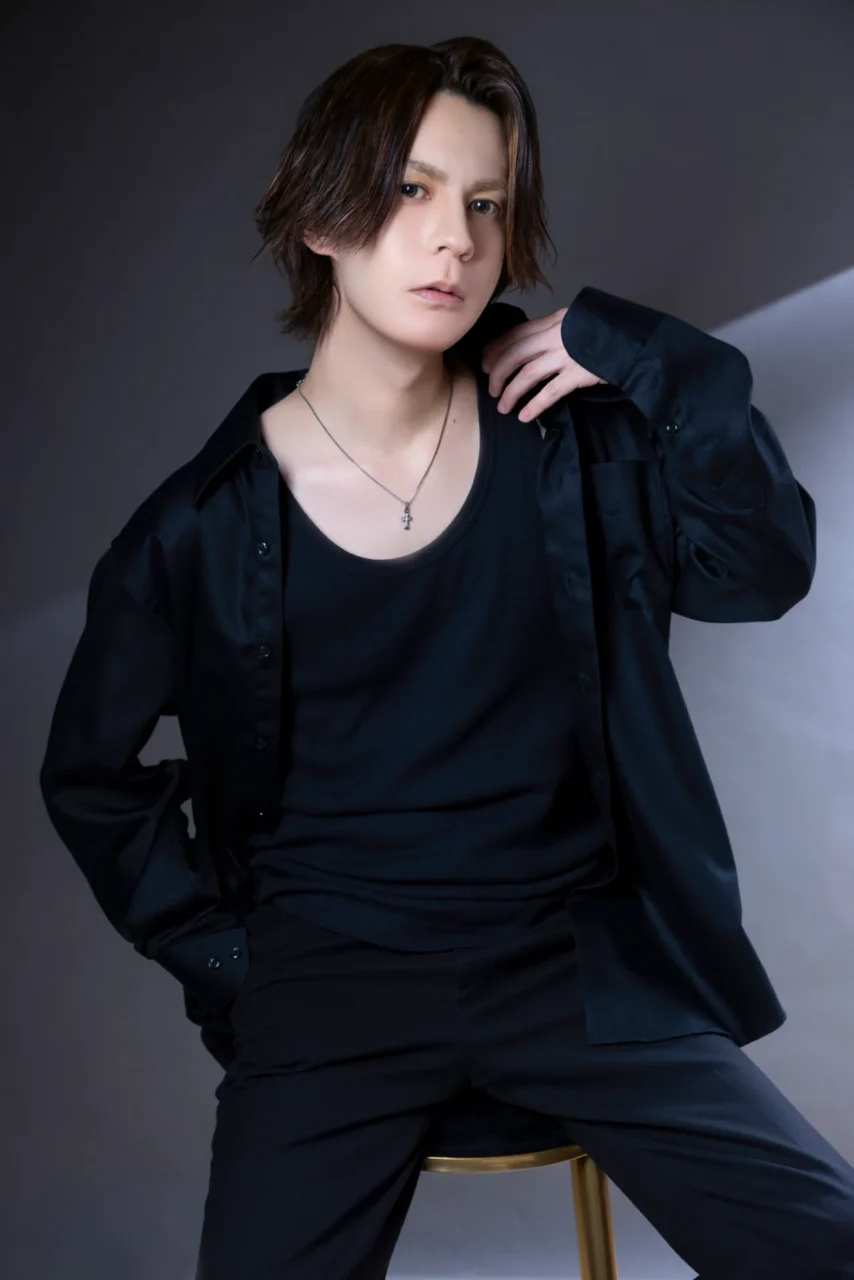
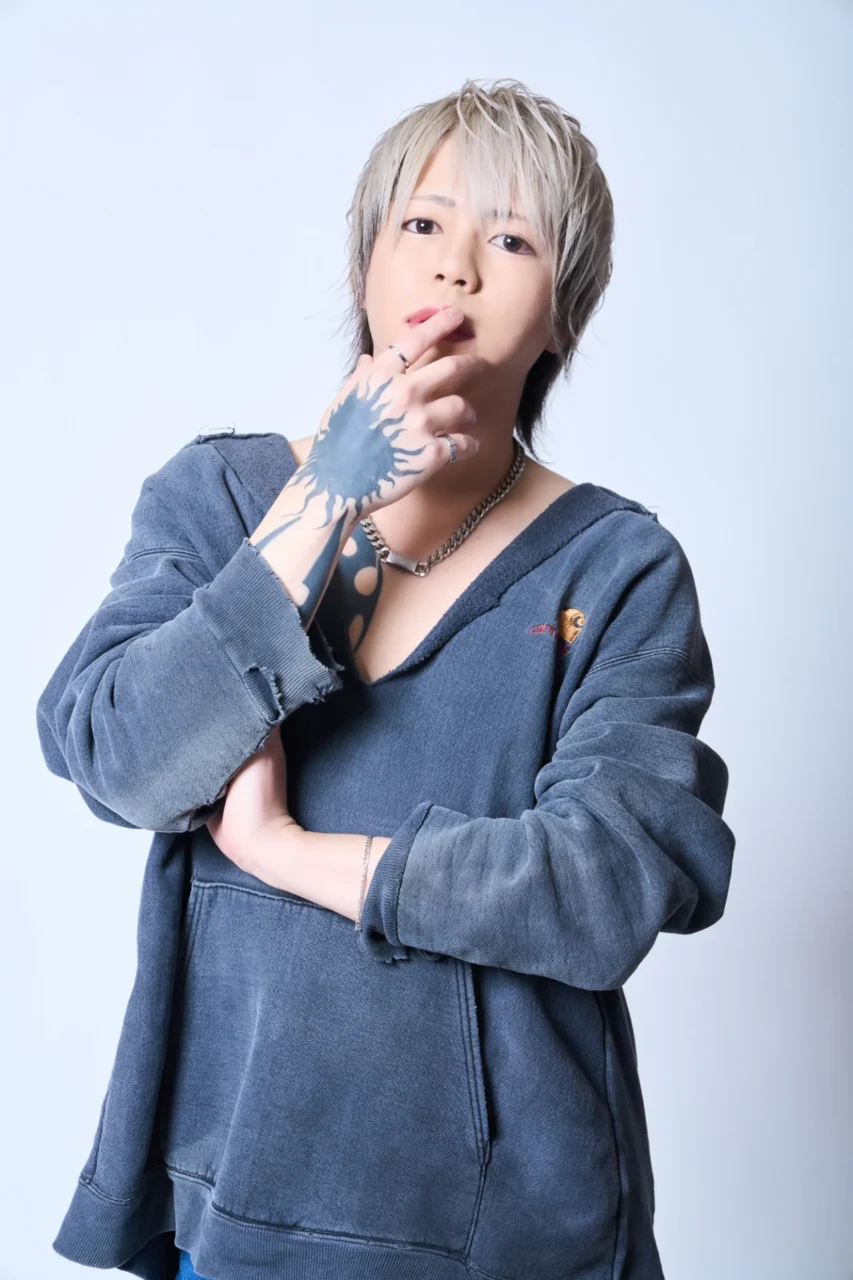
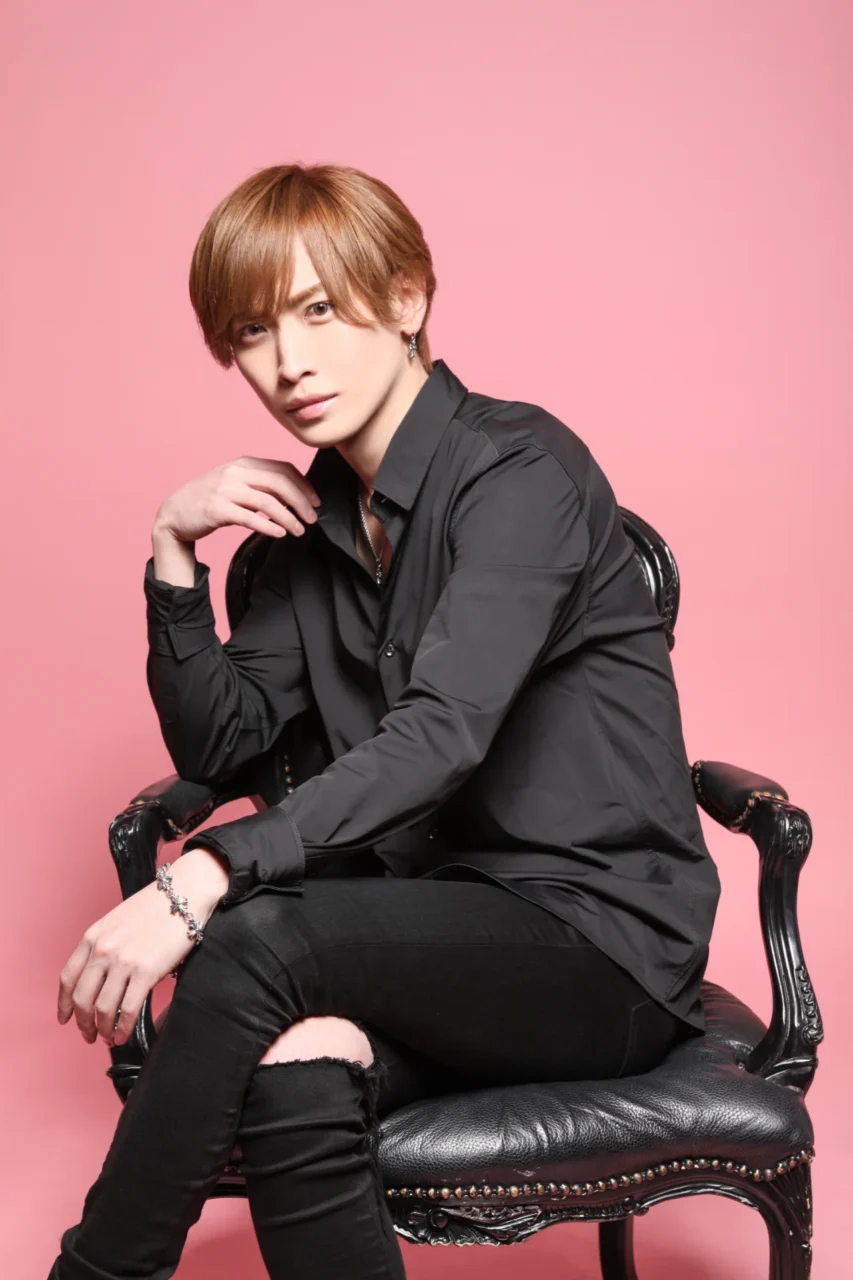
They told me I could ask anything, so naturally, I had plenty of questions. What was the stage inside the club used for? How much alcohol did they drink in a typical day? What were their working hours like? No matter how basic my questions were, they answered with good humor. They also asked me questions in return, effortlessly keeping the conversation going.
“What kind of customers do you think usually come here?”
“Hmm, I guess mostly women who work at hostess clubs or bars?”
“Not at all. We get all kinds of people. University students come here, too. We’ve even had three generations of the same family visit together.”
At one point, a host quickly lit my cigarette and explained that even the type of lighter they use is carefully chosen.
“We have to use lighters with adjustable flames. Otherwise, you might accidentally set someone’s bangs on fire. These days, more clubs are allowing heated tobacco but not regular cigarettes. Customers can smoke them, but we can’t.”
I was learning something new every few minutes, and the way they explained everything made even the smallest details entertaining.
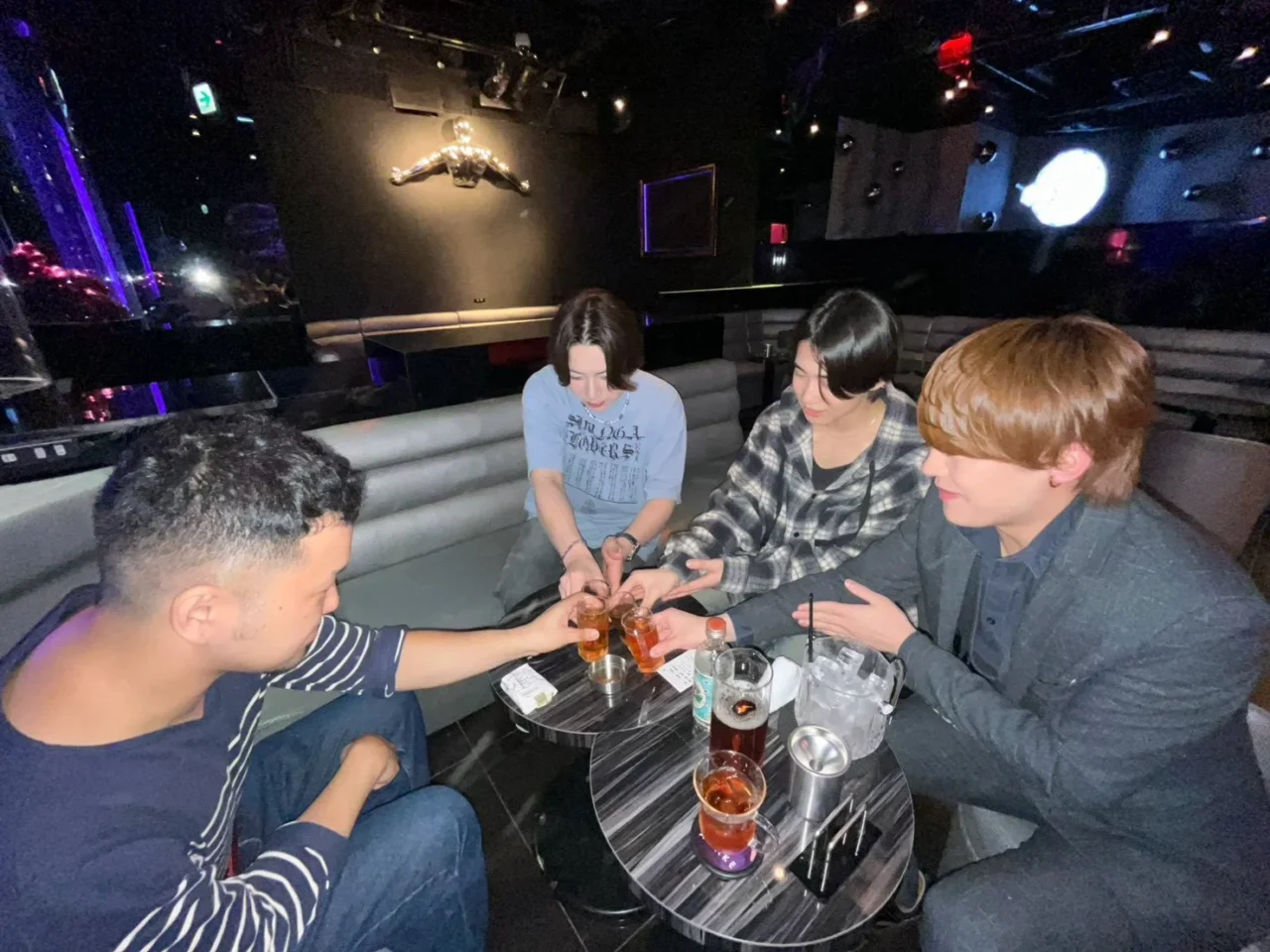
I also asked Raito about the Joker-inspired tattoo on his neck.
“That’s from Joker, right? Are you a big fan?”
“Not really. I actually had a birthmark on my neck that apparently looked like a hickey, so I figured I’d just cover it with a tattoo. I got a mouth tattooed there, too, so now I can talk twice as much.”
It was exactly the kind of quick, playful response that made the whole experience so enjoyable. Everyone had a way of making me laugh and feel completely at ease. As I sipped my oolong tea highballs, I found myself relaxing more and more.
Even though the visit lasted just an hour, it ended with a personal send-off from the hosts of my choice. It was hard to decide because everyone had been so lovely, but I eventually chose Sho and Futo. As I stepped into the elevator, the two of them bowed politely and stayed that way until the doors closed.
By the time I stepped back outside, Kabukicho was gradually coming to life for the night. I was in a great mood.
The shunga exhibition alone is well worth visiting, but I’d especially recommend the Shunga Tour with Hosts. If you’ve never been to a host club before, all the more reason to give it a try. There’s something about the way these guys make you feel welcome that helps you forget your worries, even if just for a little while.
Utagawa Kunisada and Utagawa Kuniyoshi: Shinjuku Kabukicho Shunga Exhibition WA
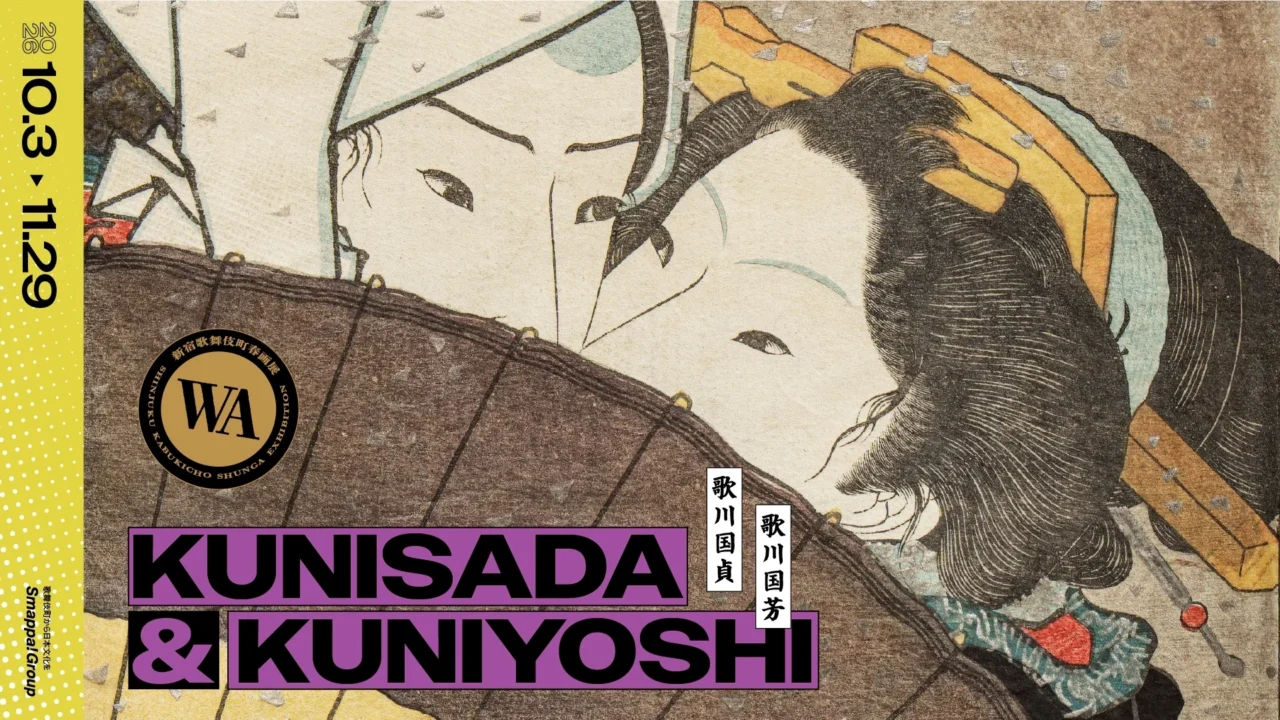
Exhibition Period: October 3 – November 29, 2026 (Closed November 2)
- First Half: October 3 – November 1
- Second Half: November 3 – November 29
Opening Hours: 11:00 AM – 9:00 PM (Last admission at 8:30 PM)
Venues:
- Shinjuku Kabukicho Noh Stage (2F Lions Plaza Shinjuku, 2-9-18 Kabukicho, Shinjuku-ku, Tokyo)
- Host Club BOND (9F Kabukicho Social Building, 1-2-15 Kabukicho, Shinjuku-ku, Tokyo)
Admission and check-in are at the Shinjuku Kabukicho Noh Stage.
Admission Fees:
| Ticket Type | Advance | At the Door |
|---|---|---|
| General | ¥1,900 | ¥2,200 |
| Student | ¥1,200 | ¥1,500 |
| Pair Ticket (General) | ¥3,500 | ¥3,800 |
| Pair Ticket (Student) | ¥2,000 | ¥2,400 |
Visitors must be 18 or older.
Exhibited Works: Approximately 100 shunga and ukiyo-e works by Utagawa Kunisada and Utagawa Kuniyoshi, all from the Uragami Sōkyūdō collection.
Audio Guide: Narrated by Machi Tawara and Yudai Chiba (free; available in Japanese and English)
Organizers: Smappa!Group and Wine Rice Co., Ltd.
Curator: Mitsuru Uragami (Director of Uragami Sōkyūdō; Standing Director of the International Ukiyo-e Society)
Academic Advisor: Noriko Itasaka (Professor Emerita, Senshu University)
Art Direction and Exhibition Design: Yasutaka Hayashi (Chim↑Pom from Smappa!Group)
Official Website: https://www.smappa.net/shunga/
Shunga Tour with Hosts
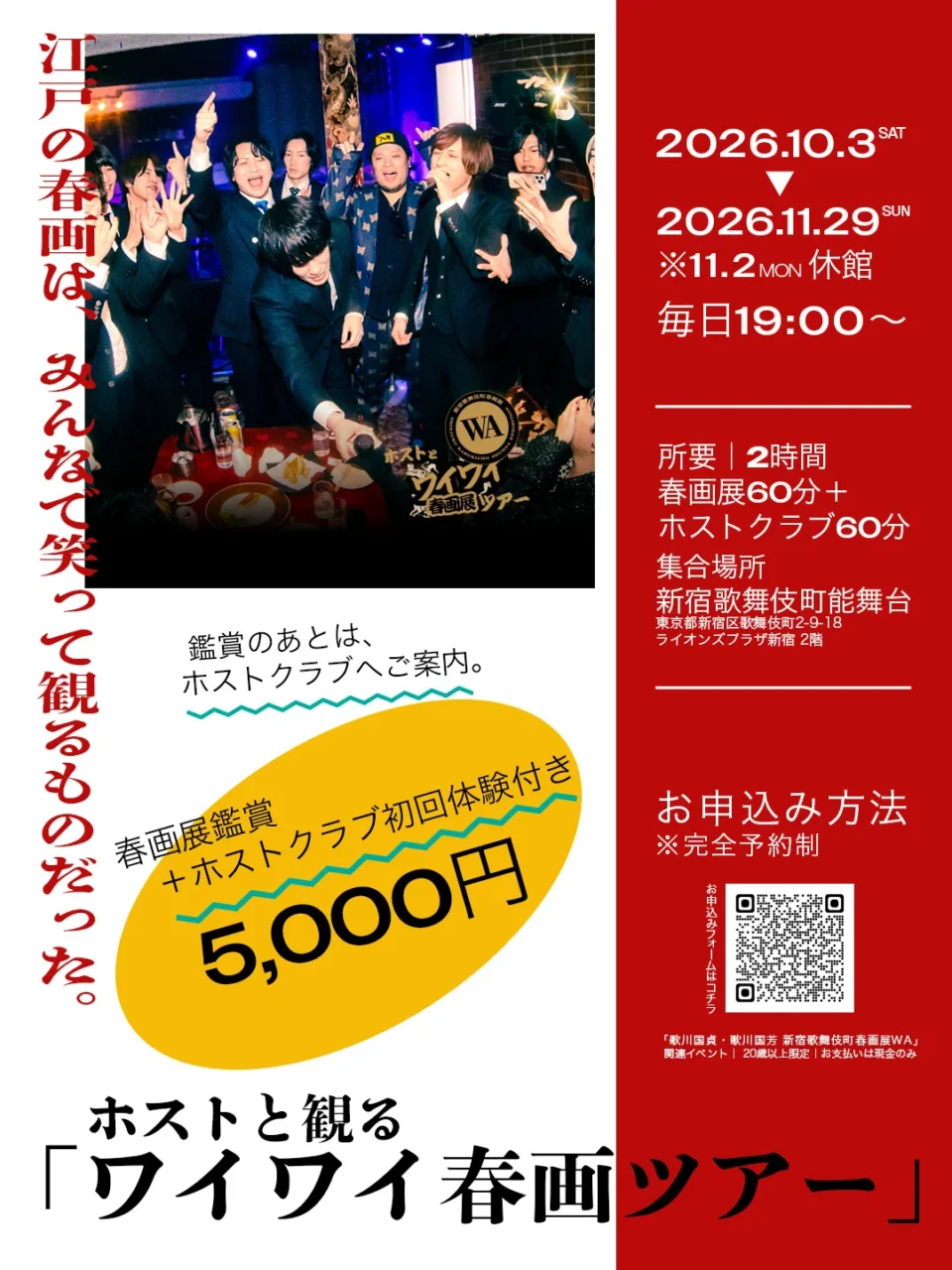
Dates: October 3 – November 29, 2026 (Daily, except November 2)
Time: 7:00 PM daily (Approx. 2 hours: 60 minutes viewing the shunga exhibition and 60 minutes at a host club)
Meeting Point: Shinjuku Kabukicho Noh Stage
Price: ¥5,000 (Includes exhibition admission and a first-time host club experience; cash only, payable on the day)
Reservations: Advance booking required
https://forms.gle/e5Uy3hJ6qCYFdreD8
Participants must be 20 or older, regardless of gender. The accompanying hosts will be assigned based on the number of participants and availability on the day.
Friday Night (Presented by Pipi-chan Farm and the Ernest Development Foundation)
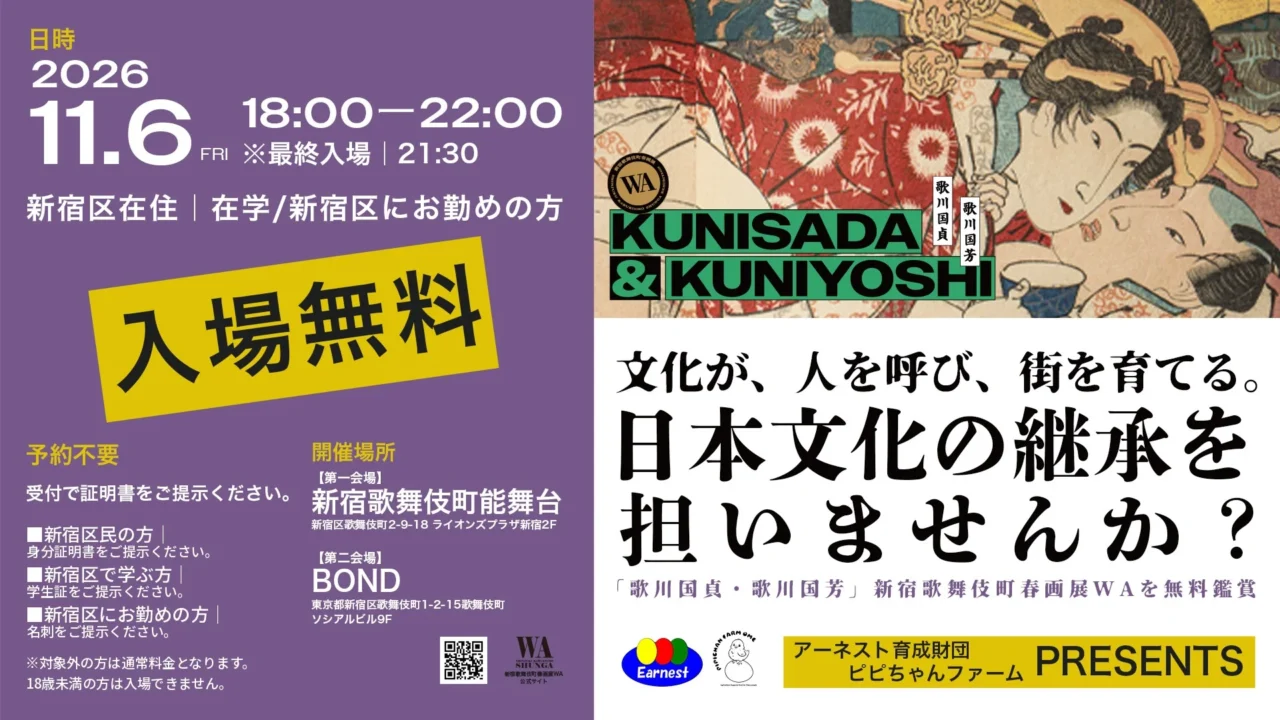
Date & Time: Friday, November 6, 2026, 6:00 PM – 10:00 PM (Last admission at 9:30 PM)
The exhibition will remain open until 10:00 PM on this day only.
Venues:
- Shinjuku Kabukicho Noh Stage (2F Lions Plaza Shinjuku, 2-9-18 Kabukicho, Shinjuku-ku, Tokyo)
- Host Club BOND (9F Kabukicho Social Building, 1-2-15 Kabukicho, Shinjuku-ku, Tokyo)
Eligibility: Anyone aged 18 or older who lives, works or studies in Shinjuku Ward.
Admission: Free (Valid for entry between 6:00 PM and 10:00 PM on November 6 only)
Reservations: Not required. Entry may be restricted during busy periods.
What to Bring: Proof that you live, work or study in Shinjuku Ward, such as a driver’s license, student ID, employee ID or business card. You may also be asked to verify your age.
Please Note: Visitors under 18 are not permitted, including students attending schools in Shinjuku Ward.