The film adaptation of Mieko Kawakami’s first novel centered on romantic love, All the Lovers in the Night, was released in Japanese theaters on November 13, 2026.
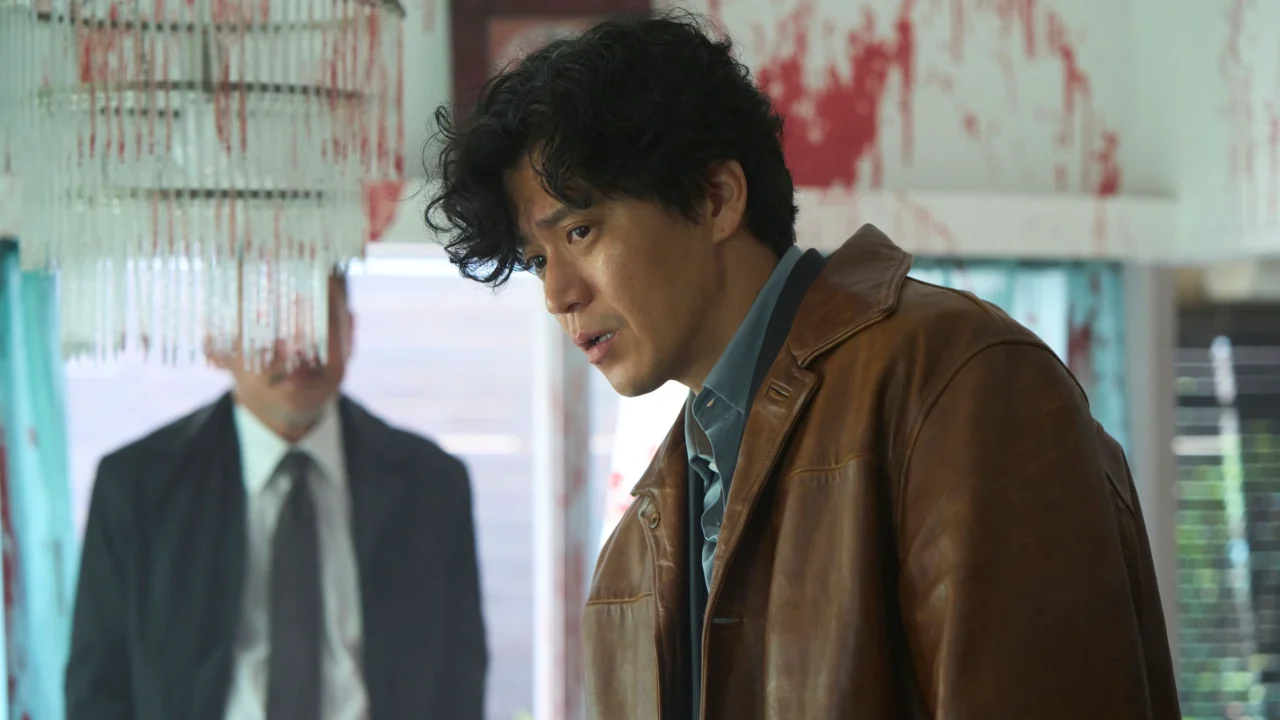
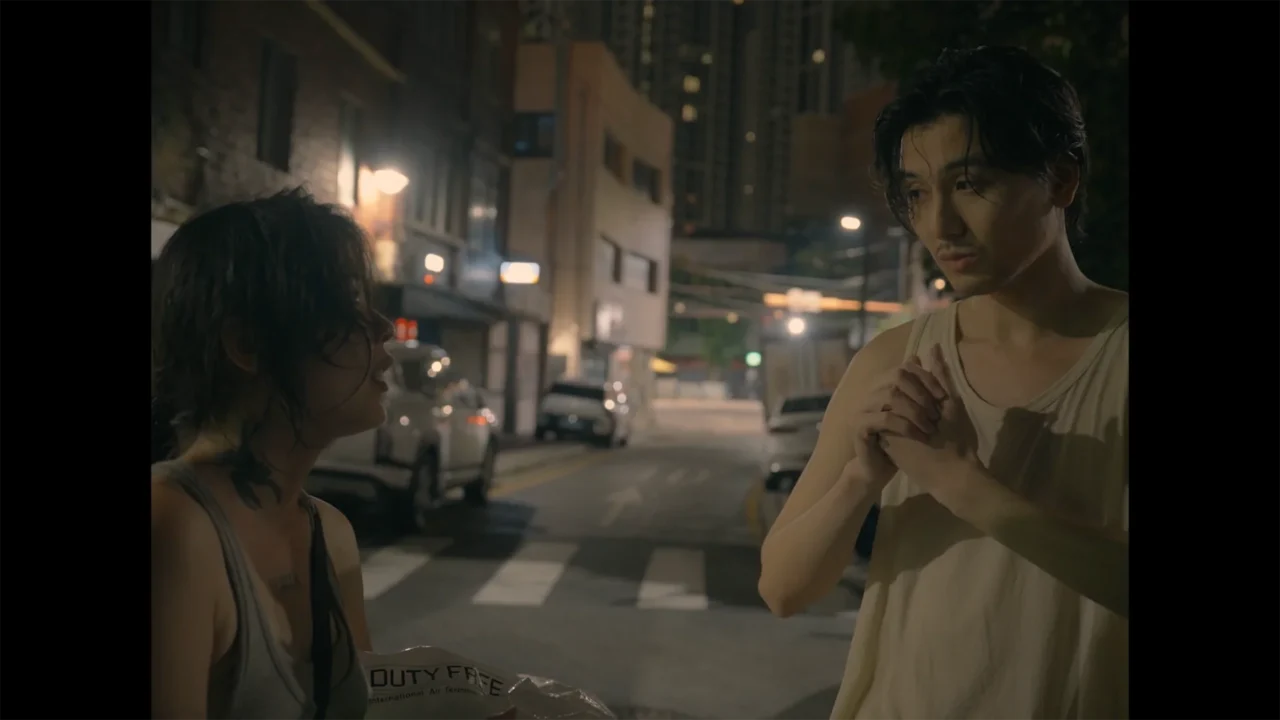
The story follows Fuyuko, a socially withdrawn proofreader in her thirties, played by Yukino Kishii, whose life begins to change when she meets Mitsutsuka, a physics teacher played by Tadanobu Asano.
How does someone who has spent years keeping others at a distance begin to connect with people again? The film explores this question through the recurring motif of light, examining how Kawakami’s novel translates to the screen and whether even the faintest glimmer in the darkness can offer hope.
Here, we take a closer look at how director Daishi Sode brings Kawakami’s story to the screen.
Editor’s Note: This article is an English translation of a review originally published in Japanese.
INDEX
Mieko Kawakami and the Complexities of Sisterhood
In the introduction to a special women’s issue of the literary magazine Waseda Bungaku, which she guest-edited, Mieko Kawakami urged women to speak up about the issues that matter to them, even when others dismiss their concerns or suggest they should have moved on.
Kawakami has long explored women’s bodies, social expectations and power dynamics, while acknowledging the complexities of writing about women as a collective. Rather than presenting stereotypical female characters, her fiction gives voice to a wide range of women, from introspective figures who struggle to take action to those who confront life with raw emotion and determination. Through her distinctive, fast-paced prose, Kawakami brings their inner lives into sharp focus.

Kawakami is now one of the most widely read Japanese authors internationally. Her novel Breasts and Eggs has been published in more than 40 countries, following attention from The New York Times. In 2022, Heaven was shortlisted for the International Booker Prize, while All the Lovers in the Night was a finalist for the National Book Critics Circle Award. Her more recent novel Sisters in Yellow is being translated in more than 20 countries, while its German edition, Das gelbe Haus, placed fifth in the 2025 SPIEGEL Book Prize.
In her Akutagawa Prize-winning novella Chichi to Ran, which later formed the basis of Breasts and Eggs, Kawakami portrays conflicts between sisters and between mothers and daughters that challenge idealized notions of family love. In Sisters in Yellow, she traces how a group of women struggle to support one another, only to see their relationships unravel.
These portrayals resist the comforting idea that relationships between women must always be defined by solidarity and mutual understanding. A similar perspective can be found in the work of director Yukiko Sode, who brings All the Lovers in the Night to the screen as the first film adaptation of a Kawakami novel.
In Sode’s earlier film Aristocrats, a character named Itsuko, played by Shizuka Ishibashi, brings together Hanako (Mugi Kadowaki) and Miki (Kiko Mizuhara), two women from very different social backgrounds. Itsuko points out how Japanese society often encourages women to see one another as rivals, reinforcing prejudices against single women and stereotypes about conflict among mothers. She argues that women have no reason to undermine one another or sacrifice their self-worth to meet these expectations.
The film suggests that women need not compete against one another, even when their circumstances and experiences differ. Hanako and Miki do not suddenly become close friends, but their gradual recognition and acceptance of each other offers a sense of encouragement and possibility.
It is this nuanced understanding of relationships between women that connects Sode’s filmmaking with Kawakami’s fiction.