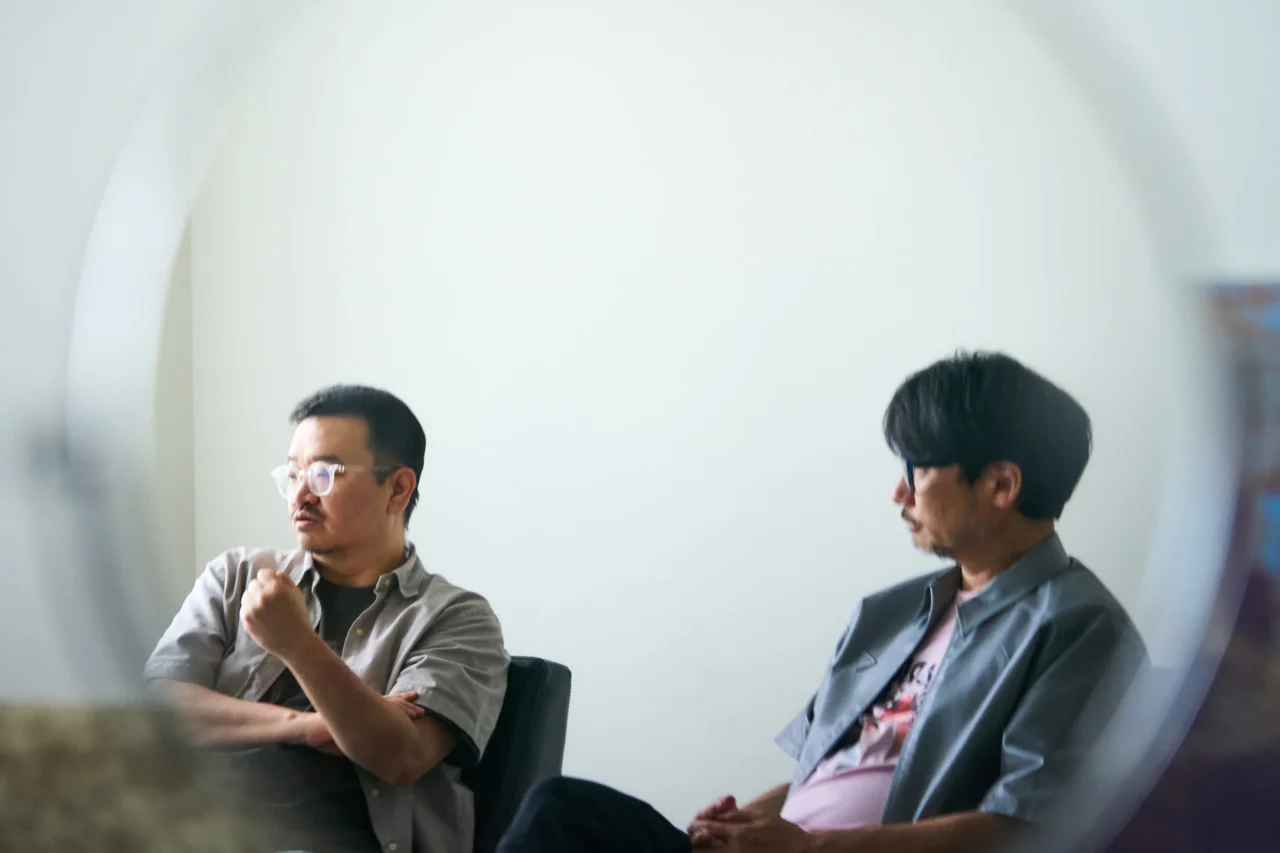
Yeon Sang-ho has continued to deliver acclaimed works, from the film Train to Busan, which he directed, to the Netflix series Gas Man, for which he served as executive producer and screenwriter. Hideo Kojima, meanwhile, is the game creator behind titles such as Metal Gear and DEATH STRANDING, captivating fans around the world with his singular creative vision. The two, who have known each other for some time, come together for a conversation prompted by Yeon’s latest film, The Ugly.
They discuss the pressure of taking on blockbuster productions, the tensions that arise when creative expression is driven by the demands of the market, and the creative freedom that can emerge from working with a limited budget. At the forefront of their respective fields, and constantly pushing beyond the boundaries of genre and medium, Yeon and Kojima reflect on what it means to create in the years ahead.
INDEX
What Makes Yeon Sang-ho’s Monsters Different
You two already knew each other before this, right?
Yeon Sang-ho:I was a fan of Kojima-san to begin with. I have THE ART OF DEATH STRANDING, the official art book for Kojima Productions’ DEATH STRANDING (2019), and I got him to sign it for me. He also gave me a jacket, which I wore all the time for a while.

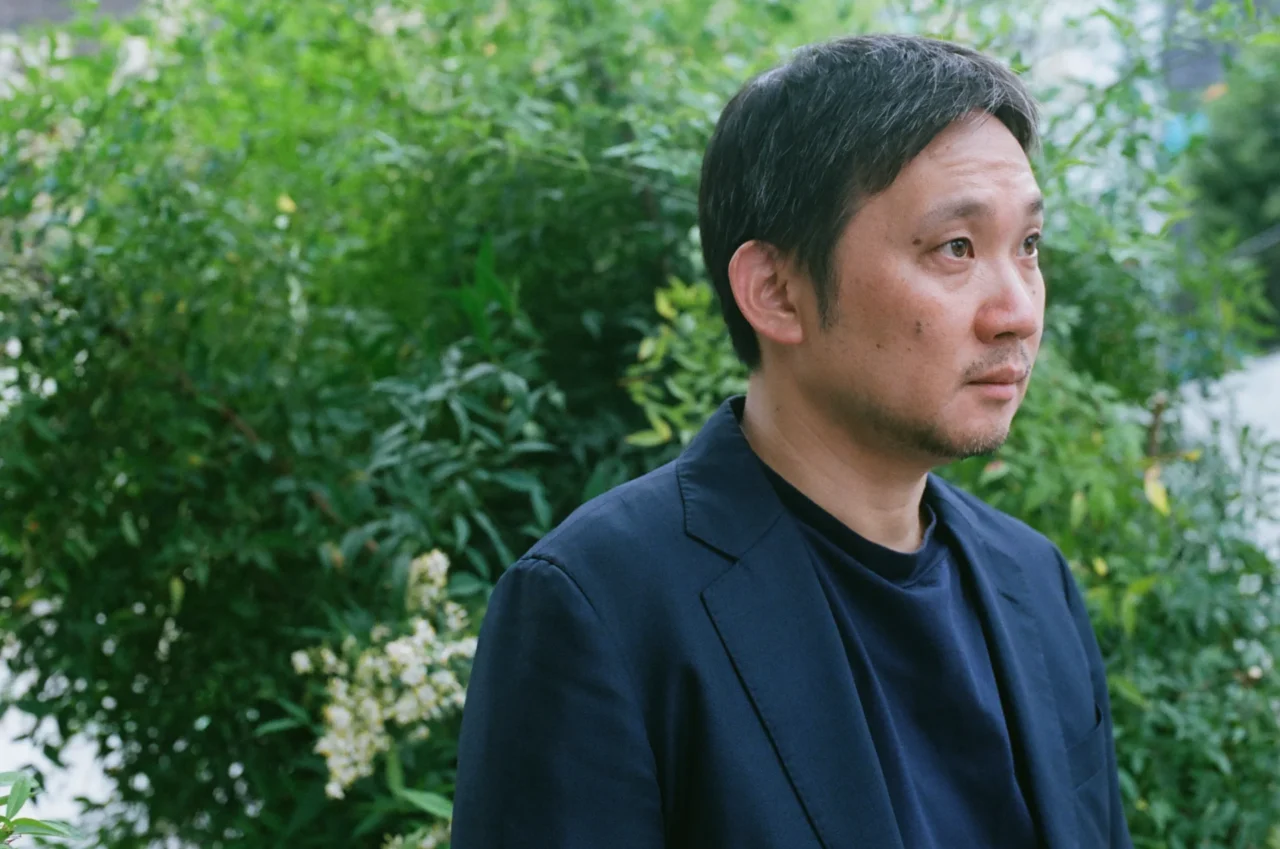
Born in 1978. Film and animation director. In 2016, his film Train to Busan and its animated prequel, Seoul Station, became major hits. His Netflix series Gas Man (2026) is currently streaming. His latest film, The Ugly, is set to be released on August 28.
Hideo Kojima:I’ve been a fan of Director Yeon ever since Train to Busan (2016). When I visited his studio, I was surprised to see all these models of things that had appeared in his films, including charred human figures (laughs).
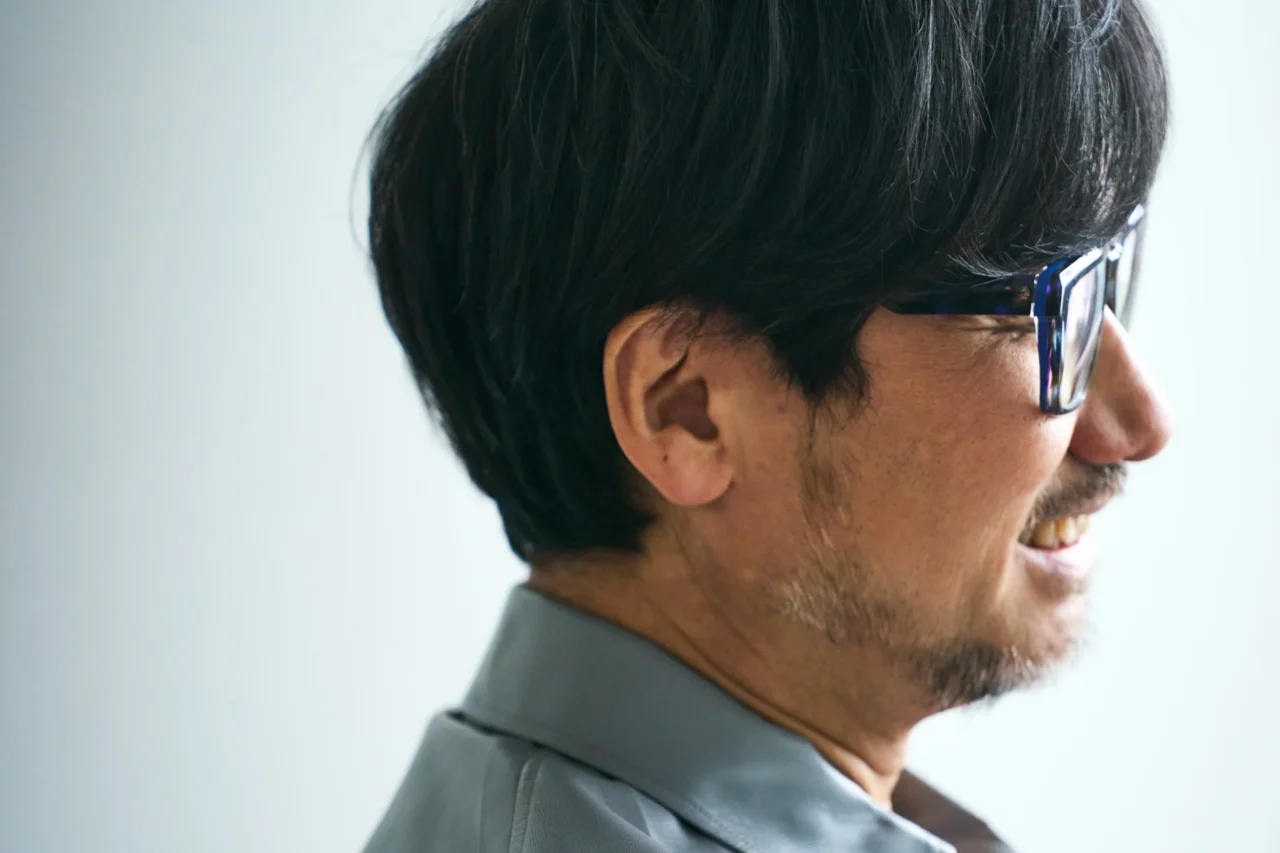
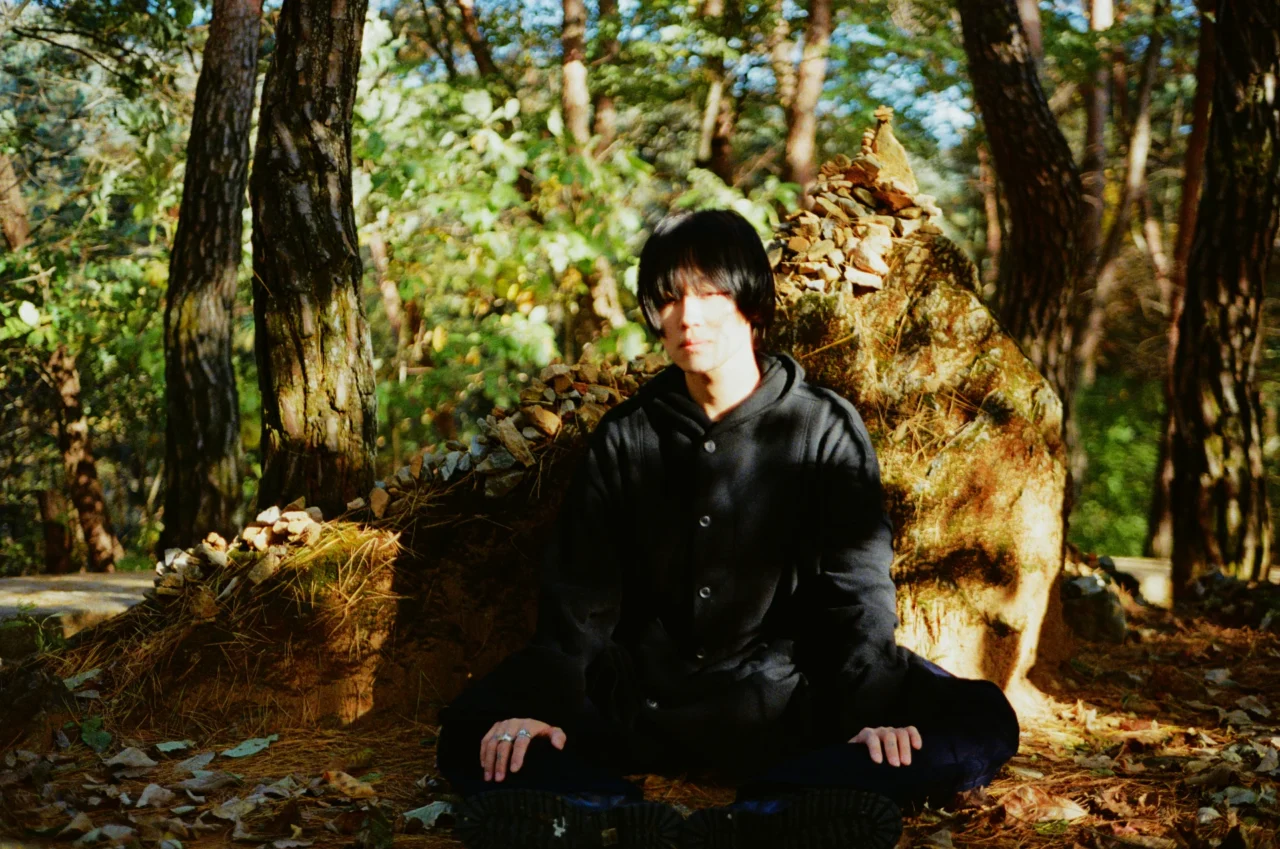
Born in Tokyo in 1963. Game creator. He made his directorial debut in 1987 with Metal Gear, which went on to become a series and establish the stealth game genre. In 2019, he released DEATH STRANDING. The franchise has since expanded in multiple directions, including the sequel DEATH STRANDING 2: ON THE BEACH, a live-action film adaptation with A24, the animated project DEATH STRANDING MOSQUITO, and DEATH STRANDING ISOLATIONS, scheduled for release in 2027.
What is it about Director Yeon’s work that appeals to you?
Kojima:His films are full of strange beings, like zombies and monsters. My friend Guillermo del Toro (the Mexican filmmaker behind Pan’s Labyrinth and The Shape of Water, among others) also deals with monsters, but while they might seem similar in that sense, their approaches are completely different.
Del Toro is from Mexico and comes from a minority background in the United States. He identifies that position with the monster, telling stories from the perspective of those who are marginalized and oppressed. That’s what makes his portrayal of monsters so compelling: they have their own struggles, and they’re capable of loving others.
In Director Yeon’s work, on the other hand, these strange beings aren’t there to give us the monster’s perspective. Instead, it’s through the appearance of the monster that we begin to see the darker side of human nature. It’s a very different approach, and I don’t think there are many creators quite like him.
What did you think of Director Yeon’s new film, The Ugly?
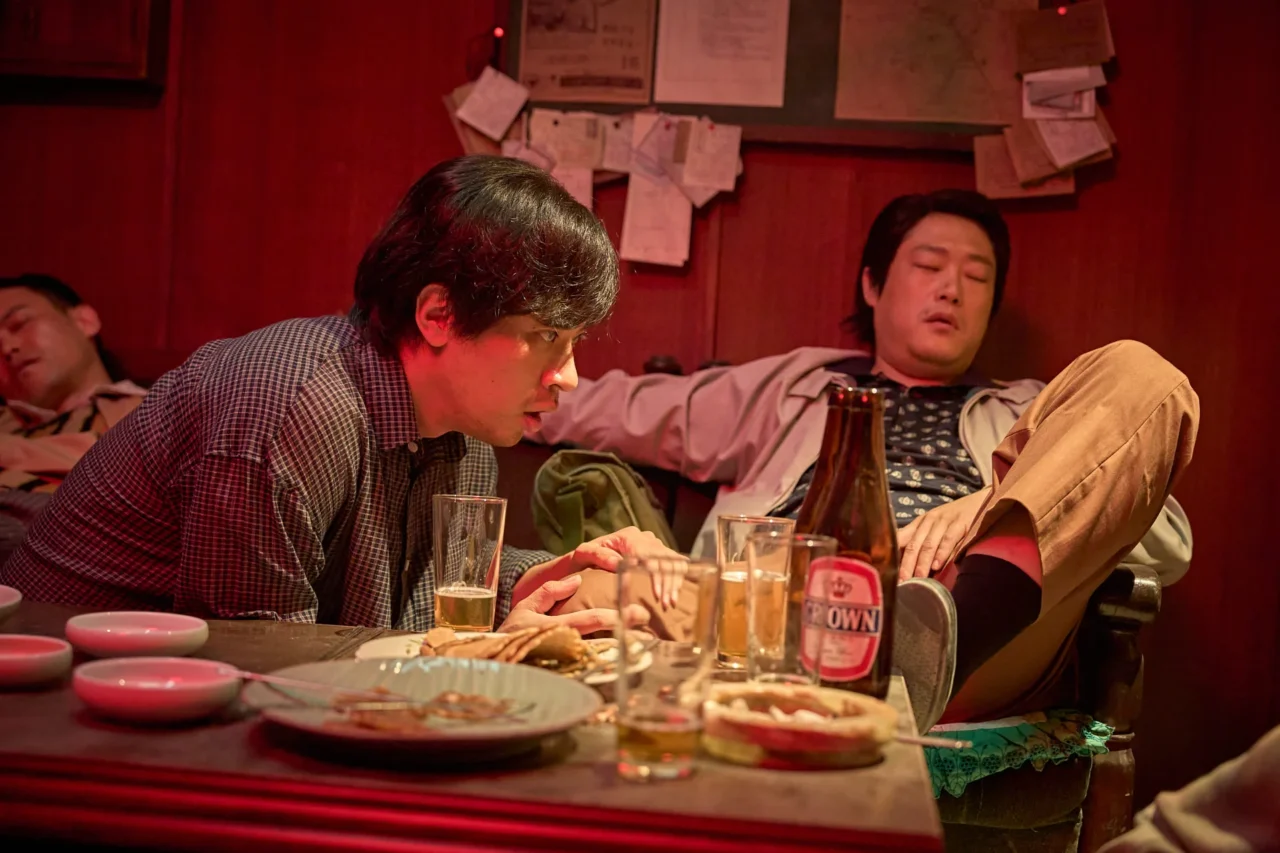
Kojima:I thought it was fantastic. Unlike his previous films, there are no zombies or demons. And yet, it shows us something even more terrifying: the hidden side of human nature.
Given the English title, The Ugly, I initially thought it might be about lookism, which has become something of a buzzword lately. But it goes much further than that. There’s a son and his blind father, and the mother disappeared shortly after the son was born. The story is about searching for the “face” of that missing mother. Put simply, it’s a bit like Apocalypse Now (1980 / Francis Ford Coppola), but it ultimately takes you somewhere you don’t expect. I was already a fan, but this film made me even more jealous of Director Yeon’s talent.
Yeon: I really appreciate that. I was so happy when Kojima-san said he thought Train to Busan was great as well. A lot of time has passed since then, so I’m genuinely glad that we’ve now had the chance to meet in person like this and hear his thoughts on my new film directly.
INDEX
The Creative Power of Collaboration
What else appeals to you about Director Yeon as a creator?
Kojima: I also come from a digital background, working with CGI, while Director Yeon comes from animation. I think people who are used to designing every element of an image can sometimes struggle with things like lighting, working with natural light, or directing actors. That’s because designing an image yourself is completely different from the immediacy of live-action filmmaking. But Director Yeon is exceptionally good at that too! That really impresses me.

Yeon: There’s definitely a big difference between designing an image and shooting something in live action. But something I’ve come to realize recently is that whether you’re working with animation, live action, or AI, you can never make everything turn out exactly the way you envision it, nor can you fully control it. And I actually see that lack of control as a positive thing.
For example, when I ask an animator to create something, it rarely comes out exactly as I pictured it. The same goes for an actor’s performance. Even when communicating with AI, it often doesn’t quite understand what I want and gives me something completely off the mark. But there’s also a part of me that actually looks forward to those unexpected results.
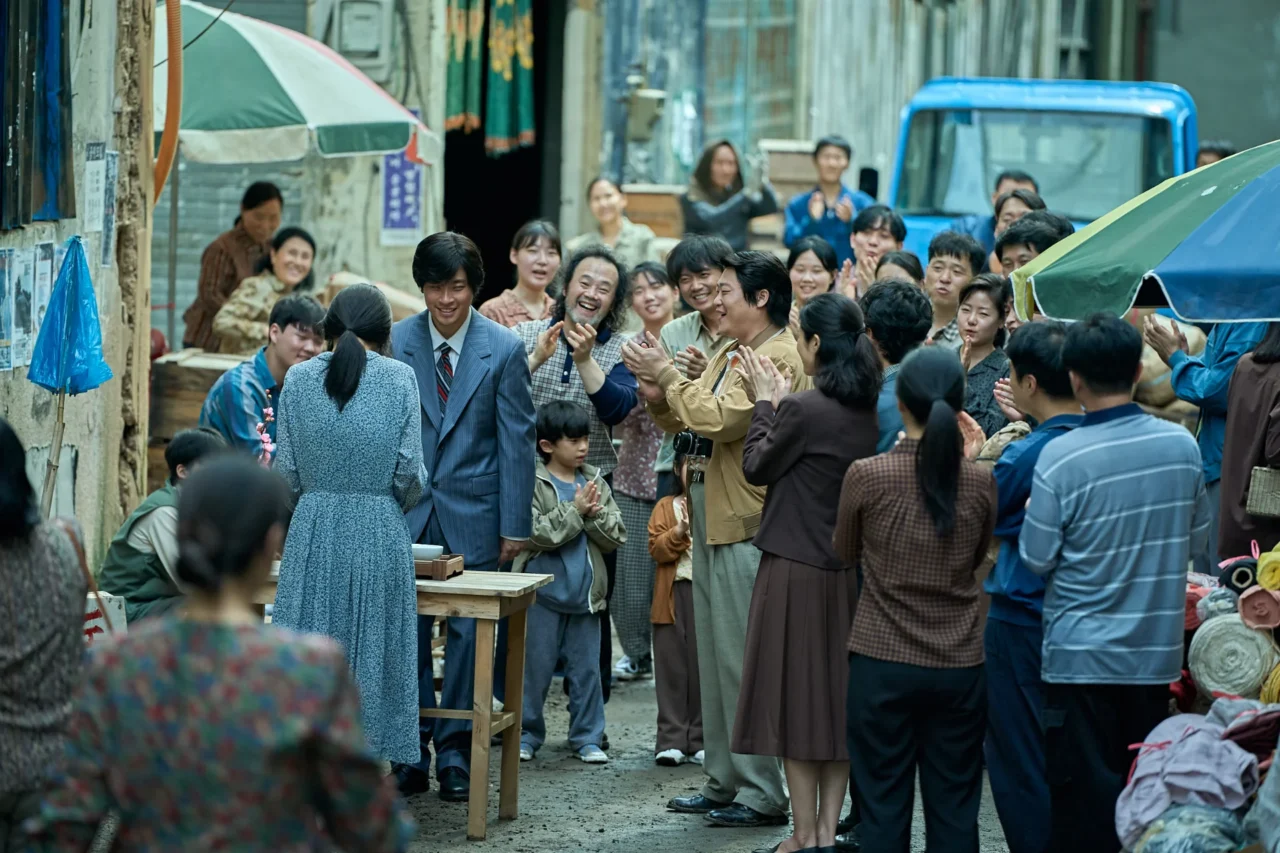
Yeon:In that kind of situation, what really matters is who you meet. In animation, it’s about the animators you meet; in film, it’s the crew and actors you work with. Over the course of my career, I’ve seen how the people you encounter can completely change the outcome. So in the end, I think the most important thing is simply to work with good people.

Kojima:I’ve been doing this for about 40 years now. When I started out, we were making 2D games with teams of just four or five people. Then games moved into 3D, with voice acting and music becoming part of the experience. That meant collaborating with actors and musicians. It’s exciting to see those possibilities expand. For me, a lot of that excitement comes from the spontaneity of working live and collaborating with other people, and games have now reached a point where we can do that too. I’d love to work on something with Director Yeon in the future.
Yeon:I’m interested in games too, so I’d love to do something together. When we have the time, I’d also like to tell you about the concept behind the film I’m currently shooting. Films and games are made in very different ways and have different production timelines, so combining the two might be difficult. But I hope we can find some way to collaborate.
Kojima:We could make a game, or we could make a film. We’re living in the age of streaming, so it would be interesting to explore something like an interactive film, or a game that feels closer to a film—something that takes us into territory no one has really explored before.
INDEX
Moving Beyond Market-Driven Creativity
We’re excited to see the two of you collaborate someday, but when you first start developing a project, how important is the concept?
Yeon:Coming up with a concept that meets the needs of the film industry is difficult. But deciding what kind of film you want to make isn’t actually that hard. And that’s part of the reason I made The Ugly. I had grown tired of developing concepts around what the market wanted. I started my career in independent animation, but after Train to Busan, I began working more and more on films with larger releases and bigger-budget projects like Netflix series.
I’d had the concept for The Ugly in mind for a long time, but I kept putting the film off because it didn’t fit the market. Eventually, I wanted to make films more freely, without being constrained by the market, so I decided to try making it on a low budget. I was only able to do that because there were people who felt the same way I did, including lead actor Park Jeong-min and the crew. The response to the film after it was screened was also very positive, and that gave me a great deal of confidence.
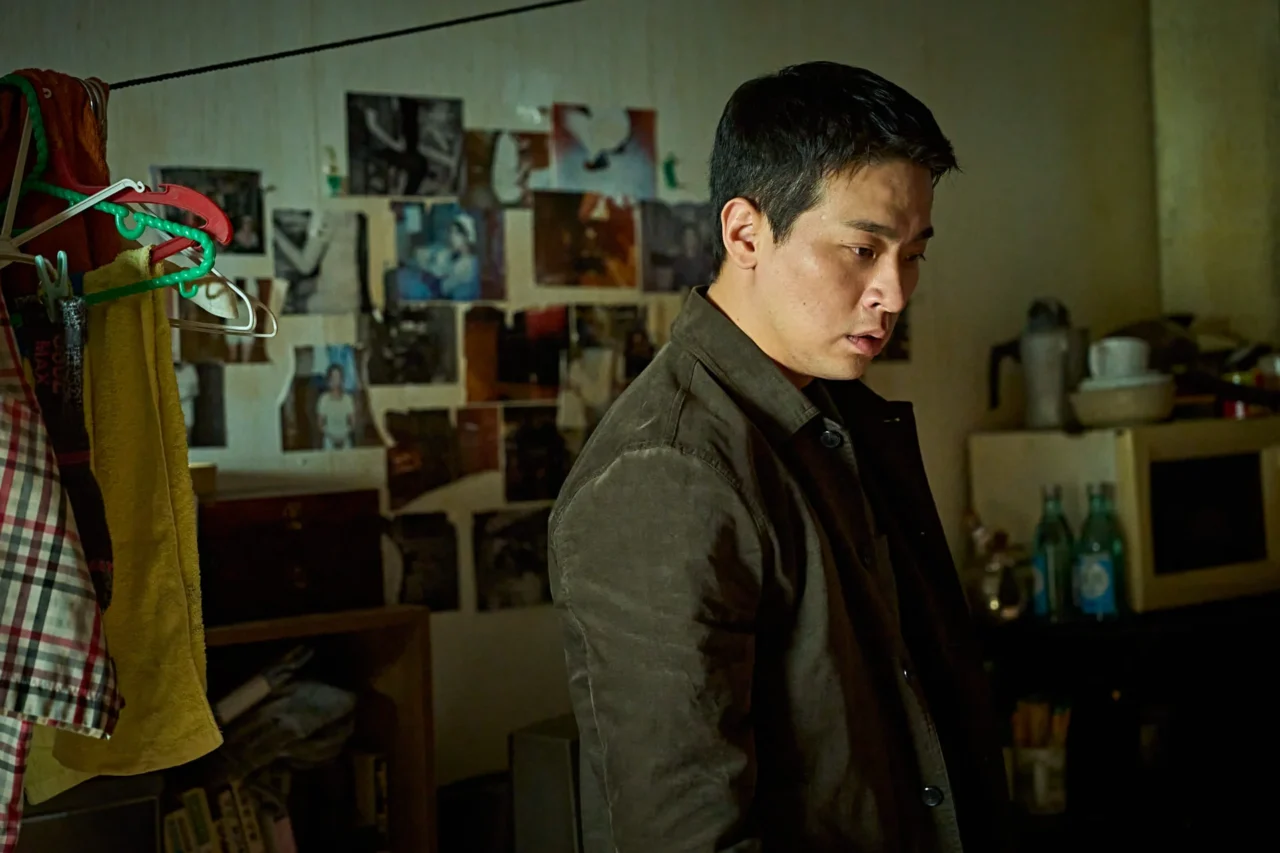
Kojima:I feel the same way. As you go through life, there are things that make you question, things that make you angry, and things that move you. Those experiences give me the desire to create something, and that’s where I start writing. With games, though, you then have to break that concept down into a game system. You have to develop the world, characters, and story in a way that serves the theme, and then consider whether the technology available today can actually make it possible.
And just like Director Yeon, I also have to think about whether it’s going to be a big-budget or small-budget project. I’m both a creator and a business owner, so to some extent, it has to make money. I have to work out my priorities with that in mind, but like Director Yeon, part of me still wants to work independently. With a lower budget, there tends to be less input from investors.
At this point in my career, I’m in a position where I have to consider the business side of things as well. But I also have a project of my own that’s a bit like The Ugly is for Director Yeon. The Japanese title of the film literally means “Face,” though, so in my case, maybe it would be “Butt” instead (laughs).
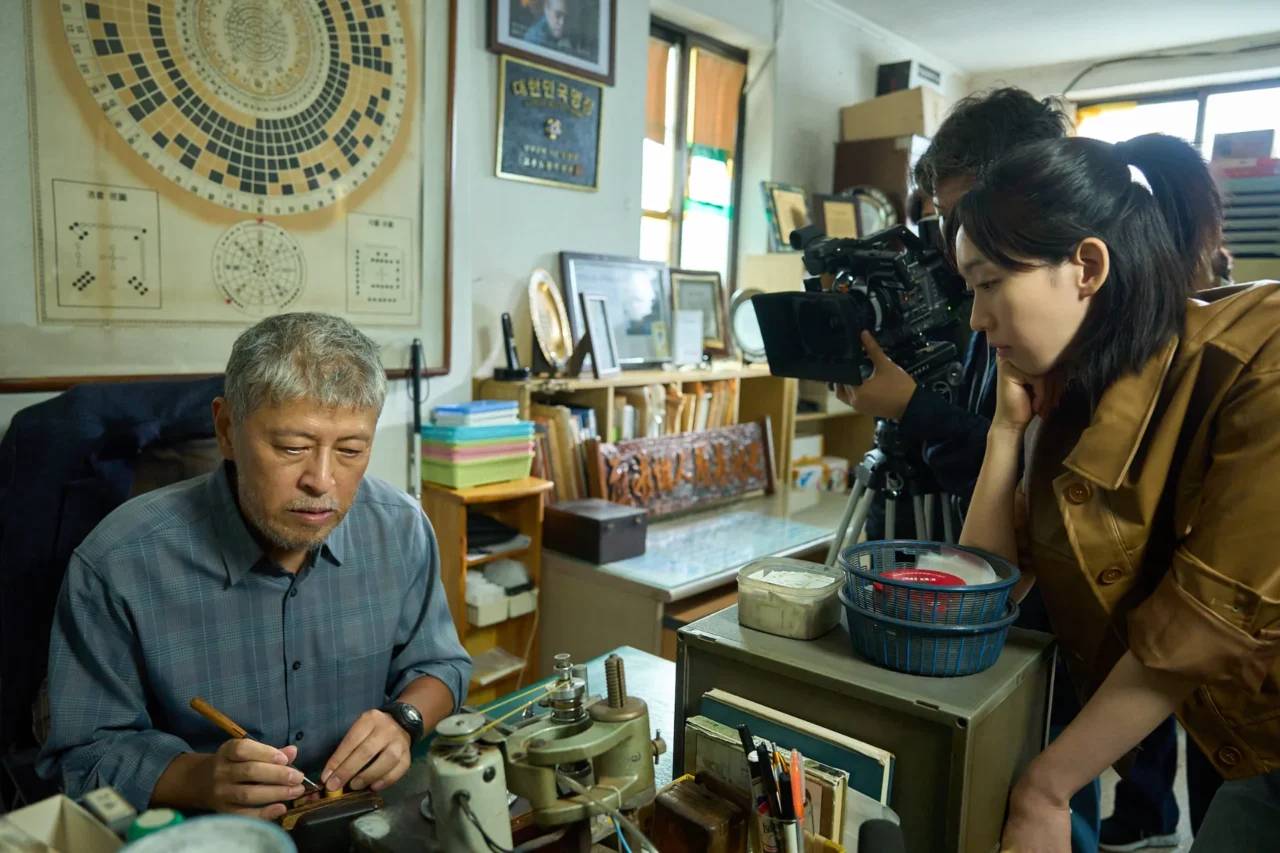
Yeon:AI has been getting a lot of attention lately, and I think industries like film and games are about to enter a period of major change. Things like distribution models and markets that have traditionally been built around the power of large amounts of capital could change dramatically within the next few years.
Personally, I feel fortunate that making The Ugly gave me the experience of working outside those large-scale market structures. It gave me the confidence to explore a wider range of ideas for films in the future.

Kojima:Traditionally, making a film involves a production studio, distributors, an audience, and investors. But today, smartphone cameras are already highly capable, and you can do everything from editing and sound effects to color grading with apps. With games, you also have game engines. That means a small team can create something and release it online.
We’re already seeing filmmakers emerge from YouTube, like Curry Barker, who directed Obsession (2026), and Kane Parsons, who directed The Backrooms (2026). Young people today can put their work out into the world almost immediately if they want to. Then a company might discover them, give them a budget, and let them make their next project. We’re entering an era where even the audience will become creators.

Kojima:I have to keep my company running while making games, so I’m thinking about how the company itself needs to change as all of this evolves. I’m 63 this year, but if I were young now, I probably wouldn’t even start a company. I’d just make all kinds of things more freely. I think we’re entering a really exciting time for creators.
If that’s the case, it seems like people who have a clear idea of what they want to create will have an advantage. What do you think?
Kojima:If anyone can put their work out there, whether or not it catches on becomes a separate question. Until now, the approach has often been to look at what’s popular, develop a concept around that, make a second or third version of the same thing, and then set the budget based on how much you expect it to sell.
But going forward, I think we’ll move away from creating things based on marketing and toward a model where ideas that come directly from creators are the ones that take off. The Ugly is a good example of that, isn’t it? I think younger creators will have the choice between the traditional, marketing-driven approach and one that is driven by the creators themselves.