Ideas such as anti-lookism and body positivity have become increasingly widespread, as has the belief that we should learn to love ourselves as we are. At the same time, however, the cosmetic medicine industry continues to grow year by year, while younger generations in particular are becoming less hesitant about surgically altering their faces and bodies.
Even as society embraces the ideal that people should not be judged by their appearance, the desire to change the way we look remains powerful.
Such choices can be a positive step towards greater self-acceptance. But they may also be the result of unconsciously being bound by standards of beauty constructed by society itself.
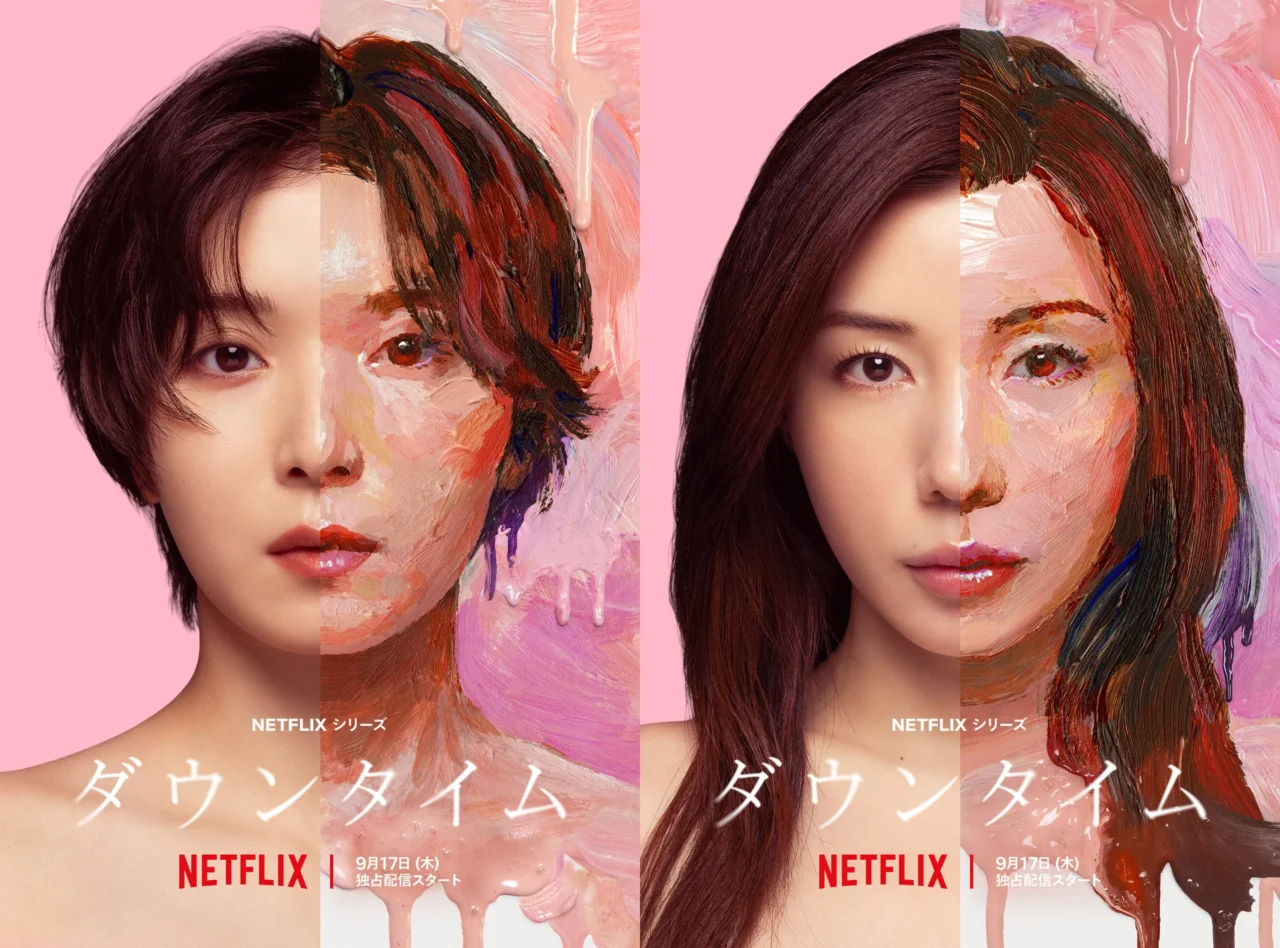
Premiering on Netflix on September 17, the Japanese series *Downtime* turns its attention to these tensions surrounding beauty and cosmetic medicine.
INDEX
Cosmetic Surgery in the Social Media Age
Cosmetic surgery once carried a far heavier stigma. Beyond concerns about safety, there was also the fear of being judged or gossiped about for having work done. For many, there was a moral dimension to it, too: your body was something your parents had given you, and changing it meant somehow disrespecting that gift.
That stigma has not disappeared entirely, but attitudes have shifted as less invasive, relatively low-risk treatments have become more accessible. Cosmetic procedures are increasingly treated as an ordinary option rather than a drastic decision. More parents are willing to listen when their children express an interest in them, and some even bring their children to clinics themselves.
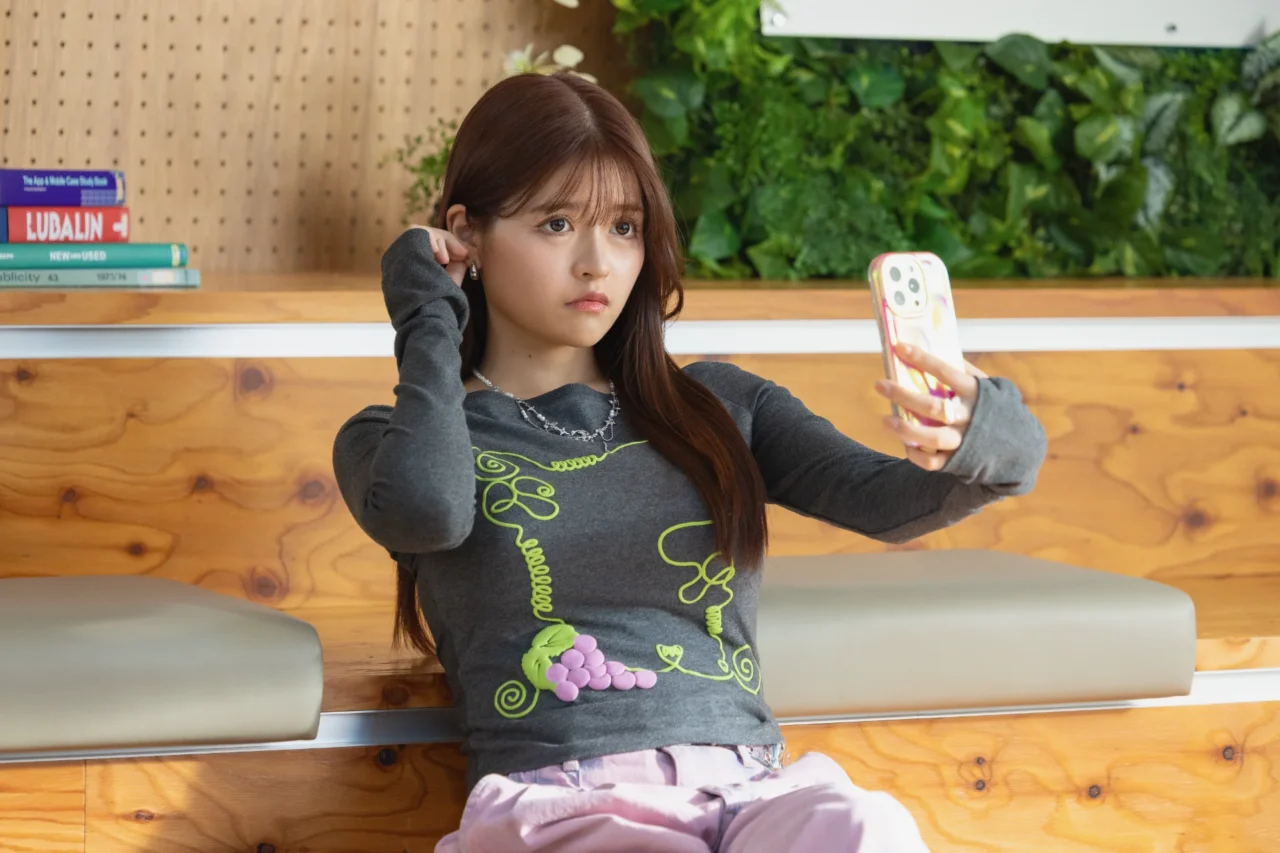
But the idea that we should simply cherish the bodies we were born with can feel increasingly out of step with life in the age of social media. Our faces are constantly on display. Photos and videos can be taken and shared without our asking, leaving our appearance open to judgment and comparison by others. For someone struggling with the way they look, being told simply to accept themselves can be a difficult thing to hear.
No one else can fully know what it feels like to live with those insecurities. That makes the question of personal choice all the more important—something the Netflix series Downtime brought into sharp focus for me.
INDEX
Medicine, Beauty and the Meaning of Care
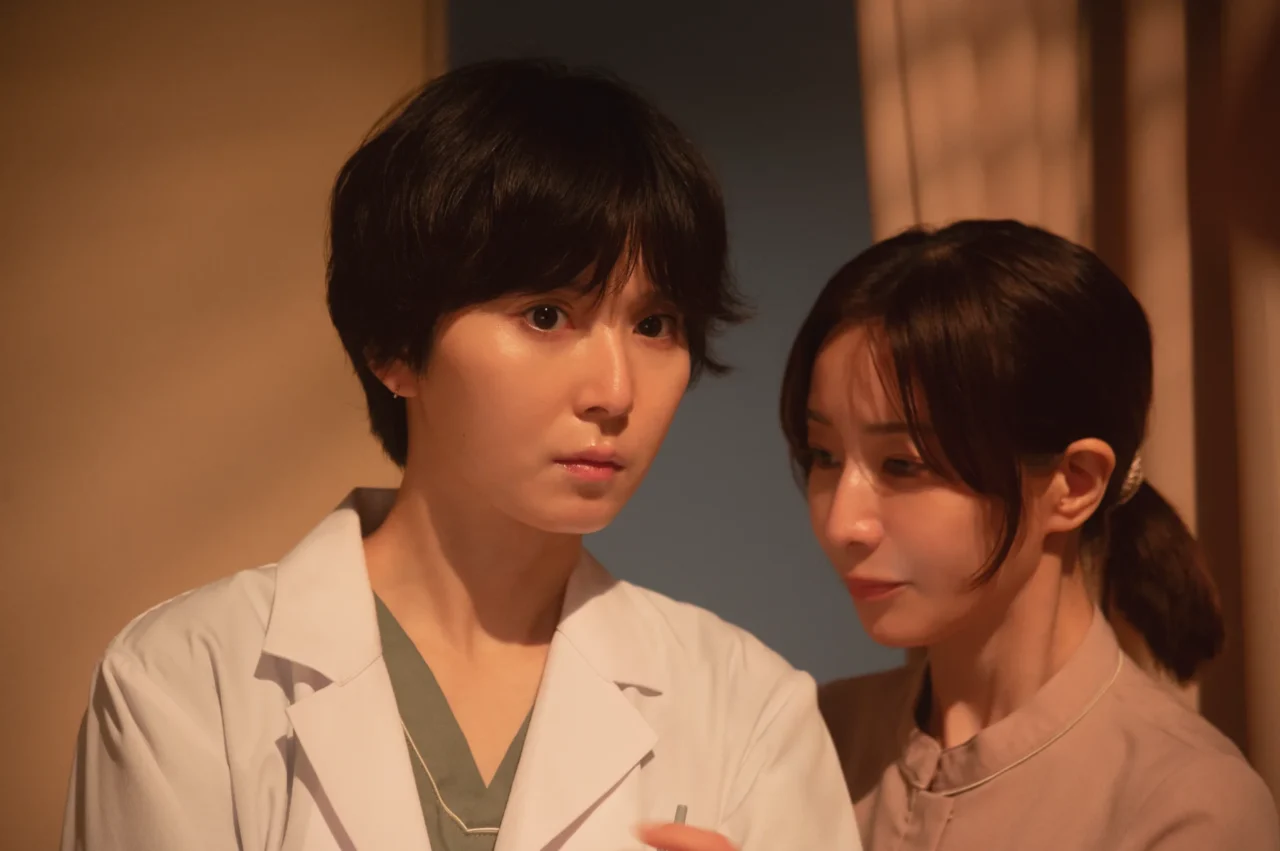
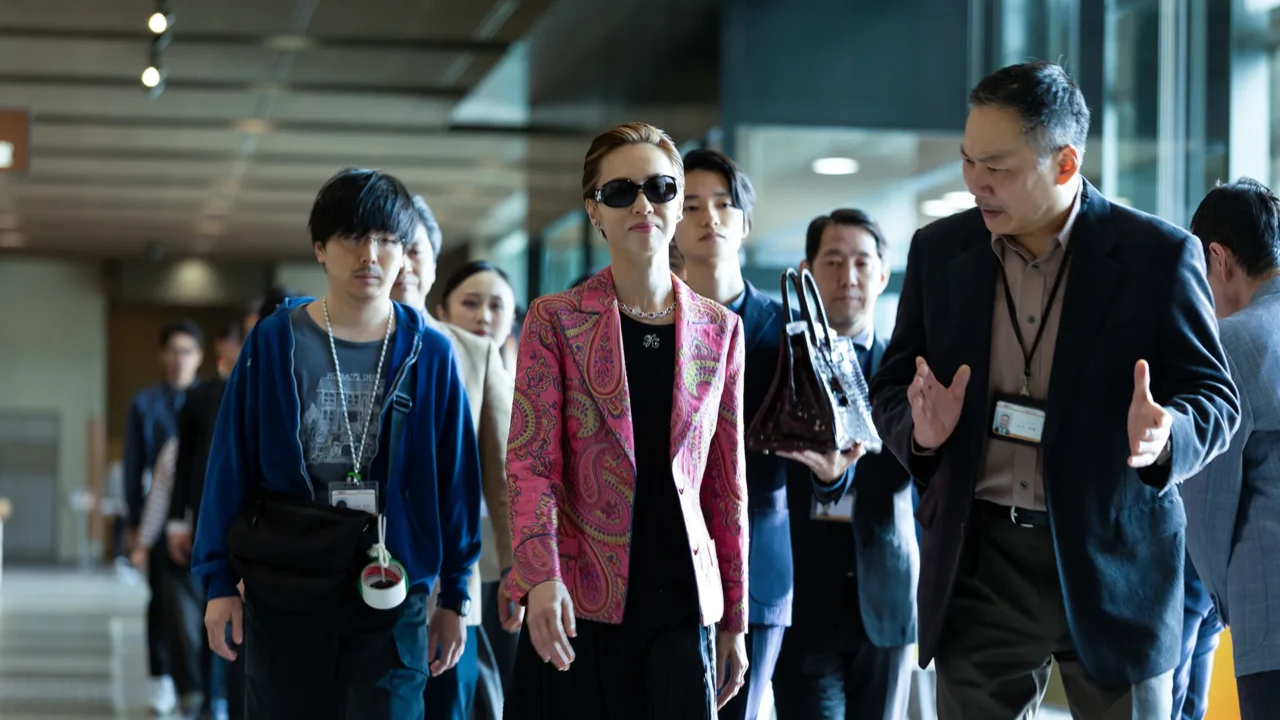
At the center of Downtime is Aya Numata (Mayu Matsuoka), a gifted plastic surgeon with exceptional surgical skills. While working long hours at a university hospital, she is also struggling to pay off her family’s considerable debts. Firm in her belief that medicine exists to save lives, Aya eventually finds herself forced to leave the hospital after performing an emergency operation in accordance with that principle.
She is then recruited by Rin Toyama (Riisa Naka), a cosmetic surgeon who believes that beauty, too, can save people. Aya has always been skeptical of cosmetic surgery, but financial necessity leads her to take a job at Rin’s clinic, where she begins to encounter the personal struggles behind her patients’ decisions to change their appearance.
The title Downtime refers to the recovery period after a cosmetic procedure, when swelling, bruising and other side effects gradually subside. Rin describes it to her patients as the crucial period before a chrysalis becomes a butterfly—an image that becomes a recurring motif at key moments throughout the series.
Netflix has often turned its attention to worlds rarely seen from the inside: the adult entertainment industry in The Naked Director (2019), for instance, and the world of real-estate fraud in Tokyo Swindlers (2024). With Downtime, it turns its lens on Japan’s booming aesthetic medicine industry.
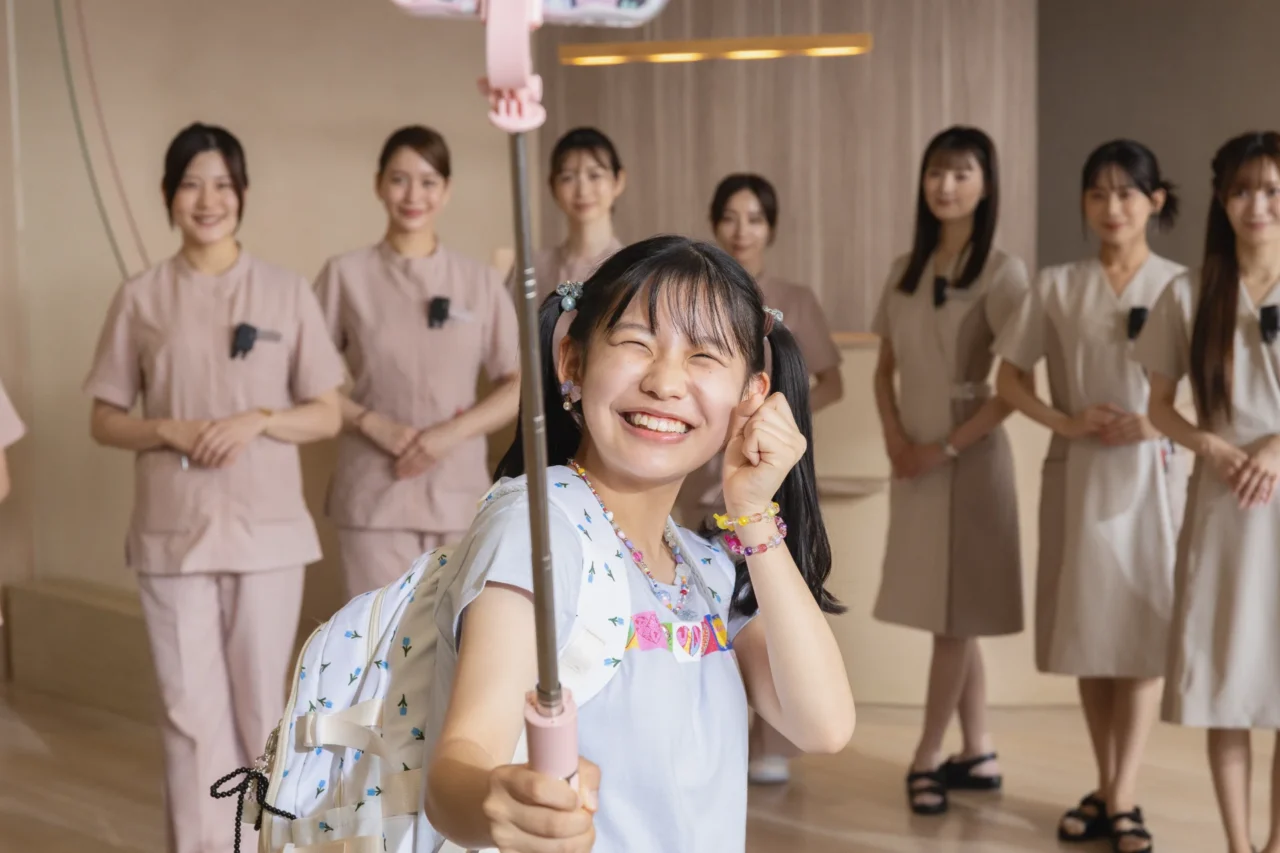
Japan is often described as the world’s third-largest market for cosmetic procedures, after the United States and South Korea. In 2025, more than 4.33 million cosmetic procedures were recorded in Japan, according to a survey by the Japan Society of Aesthetic Plastic Surgery. Demand for anti-aging treatments such as skin rejuvenation continues to grow, while men’s beauty treatments and the increasingly young age at which people seek cosmetic procedures have also attracted attention. Downtime reflects the latter trend in a scene involving an elementary-school-age YouTuber livestreaming a cosmetic procedure.
South Korea, of course, has long been closely associated with cosmetic surgery. A VAT refund scheme for cosmetic procedures helped attract international patients, including visitors from Japan travelling there for what has come to be known as hada kanri, or skin maintenance. The refund scheme expired at the end of 2025, but the idea of hada kanri has itself helped make aesthetic treatments feel more routine and accessible.
The internet has also played a major role in bringing cosmetic procedures into the mainstream. Instagram and TikTok have made our faces more visible than ever, while influencers—and people who may feel much closer to us—regularly share before-and-after images of their treatments. In the process, procedures that once seemed extreme or remote have come to feel increasingly familiar and accessible.
Concerns about safety have by no means disappeared. Those with firsthand experience often go to great lengths to research doctors they can trust. But the idea of cosmetic procedures as a positive choice — a way of feeling better about oneself — has undeniably become more widespread.
INDEX
Beauty as Choice or Social Pressure?
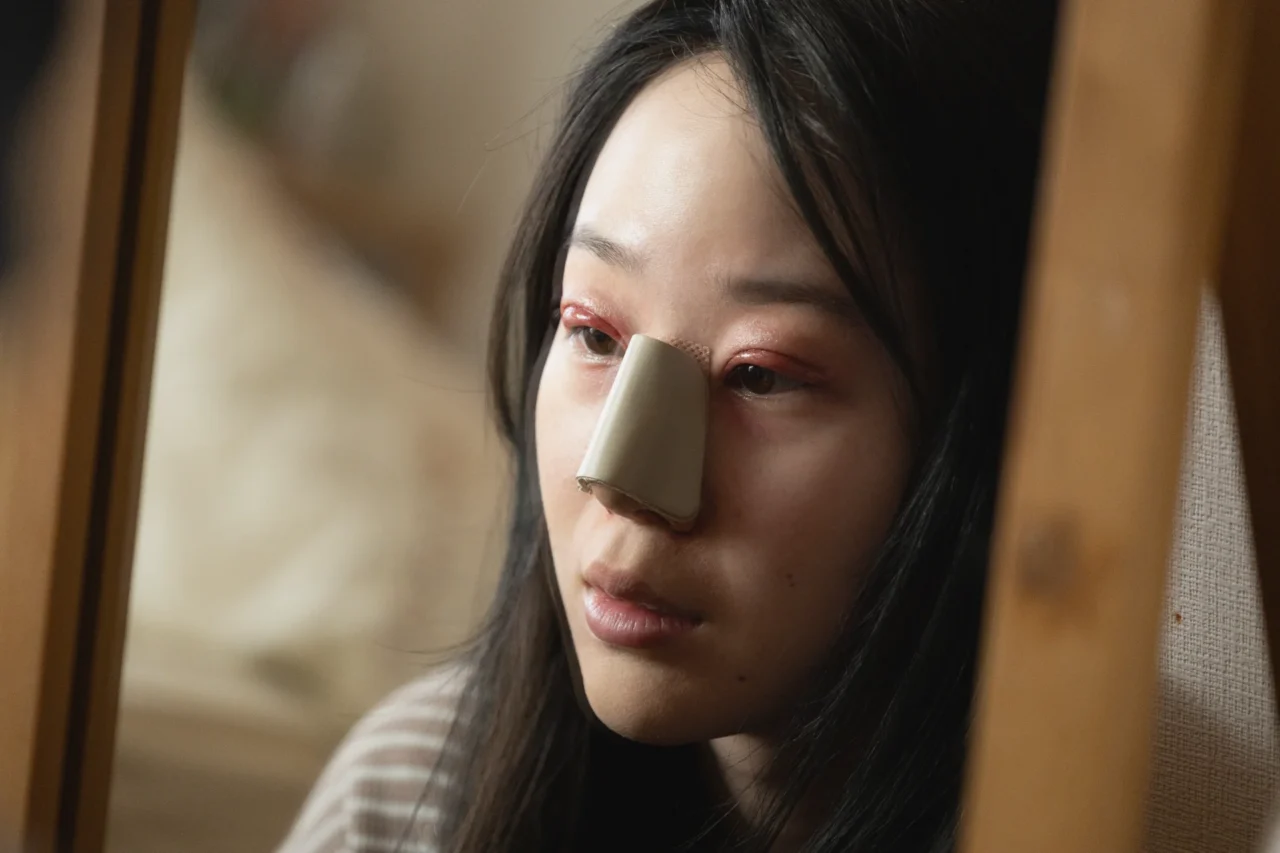
Yoshiko Tanaka (Hana Amano) dreams of becoming a voice actor. Her talent is recognized at voice acting school, yet she is passed over for an audition because, as she is bluntly told, looks matter. Hoping for the chance to form a duo with a voice actor she admires, Yoshiko decides to undergo cosmetic surgery.
It is impossible to know the full extent of the insecurity she feels about her appearance. But even after attending a dubious Botox party, where she ends up caring for someone who collapses, she continues to see cosmetic surgery as a source of hope.
Underlying the appeal of cosmetic surgery is the belief that changing the way you look can change the course of your life. Rin takes that idea further, arguing that everyone has the right to become beautiful.
If the desire to become beautiful can be understood as a form of self-affirmation—and if choosing to move closer to the person you want to be can offer a way forward for those who have suffered deeply because of insecurities about their appearance—perhaps it is not something that should simply be dismissed.
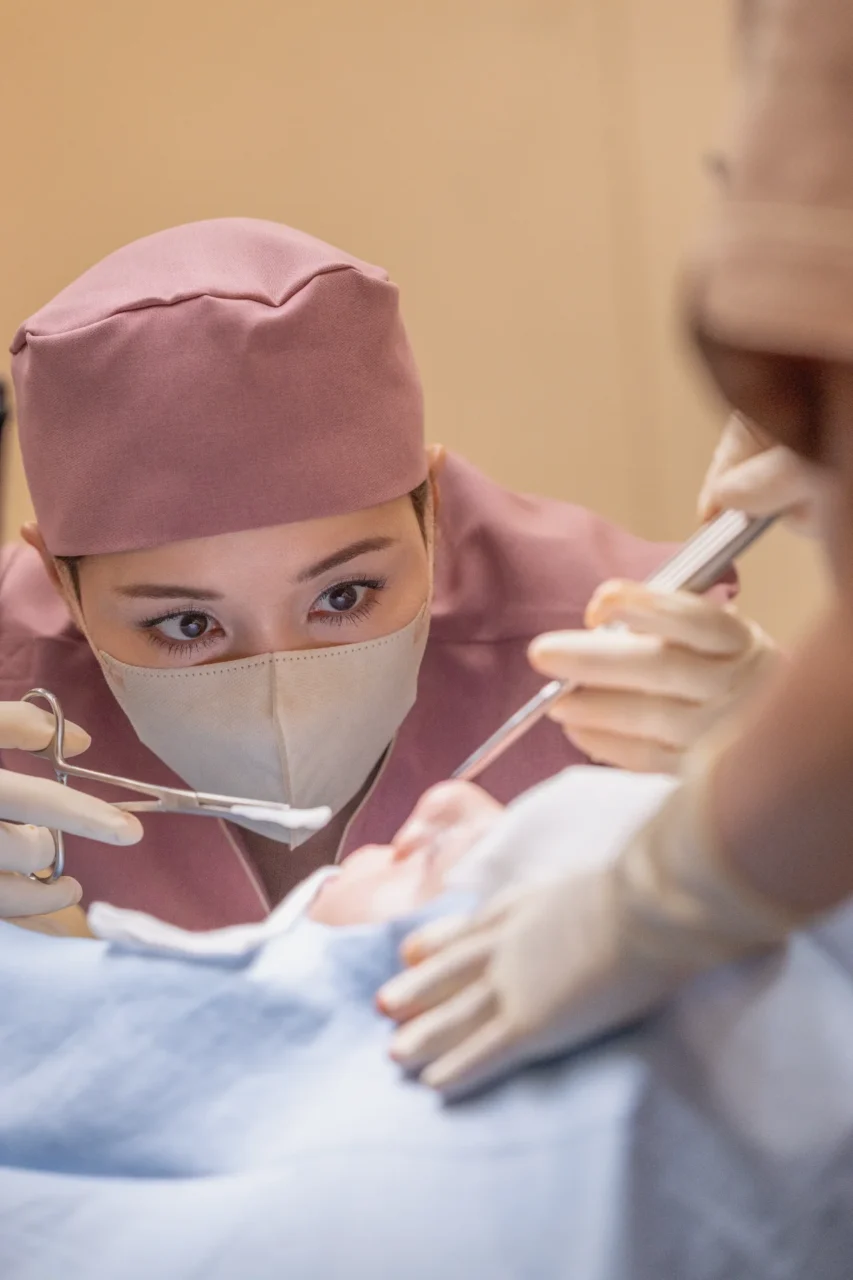
Rin says that in the world of aesthetic medicine, “there’s no such thing as someone who isn’t sick.” The desire to pursue beauty can, in that sense, begin to resemble an illness of the mind.
But there is a darker side to this glamorous world. Even when someone chooses cosmetic surgery in pursuit of their own ideal, beauty itself is not something we define entirely for ourselves. Rin refers to her clients as her “works of art,” and there are supposedly ideal proportions governing the shape and balance of features such as the eyes, nose and jaw. Those ideals inevitably reflect standards shaped by society. It would be too simplistic to generalize, but seeing the strikingly uniform beauty of the women working at Rin’s clinic left me with the sense that a particular standard of beauty was quietly being imposed.
Terms such as puchi seikei and hada kanri can also make cosmetic procedures sound deceptively casual. Whatever we call them, however, altering the body through medical intervention is not without consequence. Even a single procedure can have lasting effects. And when low prices come at the expense of safety, the consequences can sometimes be irreversible—a reality that should not be overlooked.
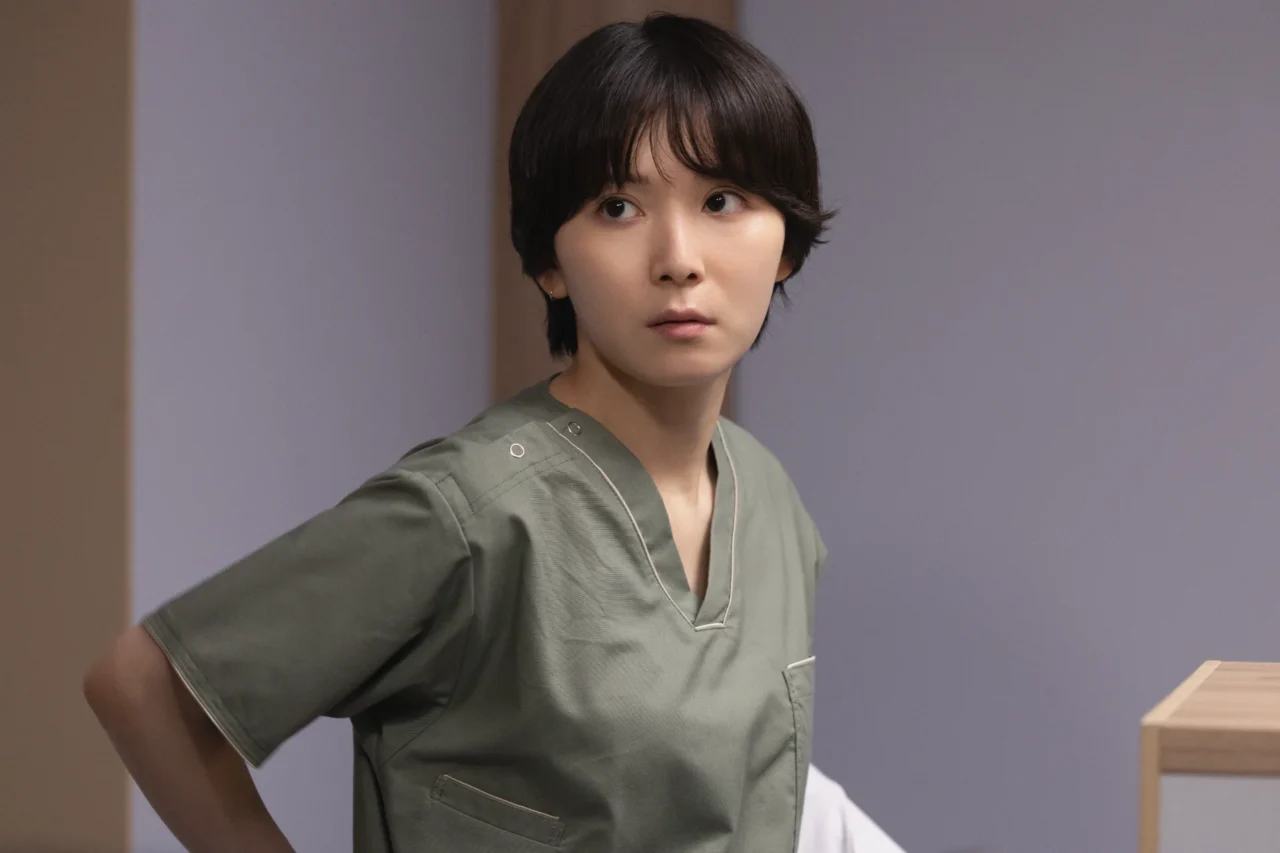
Even when Aya condemns Rin for making what she sees as the wrong call as a doctor, Rin continues to prioritize her clients’ own wishes. At the same time, this points to another risk of cosmetic medicine: because these procedures are elective, much of the responsibility ultimately falls on the individual.
When the information we encounter on social media is filtered by algorithms, it is easy to see only what reinforces what we already want to believe, making it difficult to weigh the full range of possible outcomes. If we are to assert our own agency over how we look, we cannot ignore the possibility that those choices may come at a cost.
Through Aya and Rin, two doctors with fundamentally different approaches to their work, Downtime continually brings us back to these two sides of cosmetic medicine.
INDEX
Who Gets to Define Beauty?
While watching a Japanese documentary series about cosmetic surgery on YouTube, I was struck by something a doctor specializing in double-eyelid surgery said: procedures exist to create double eyelids, but not to create monolids.
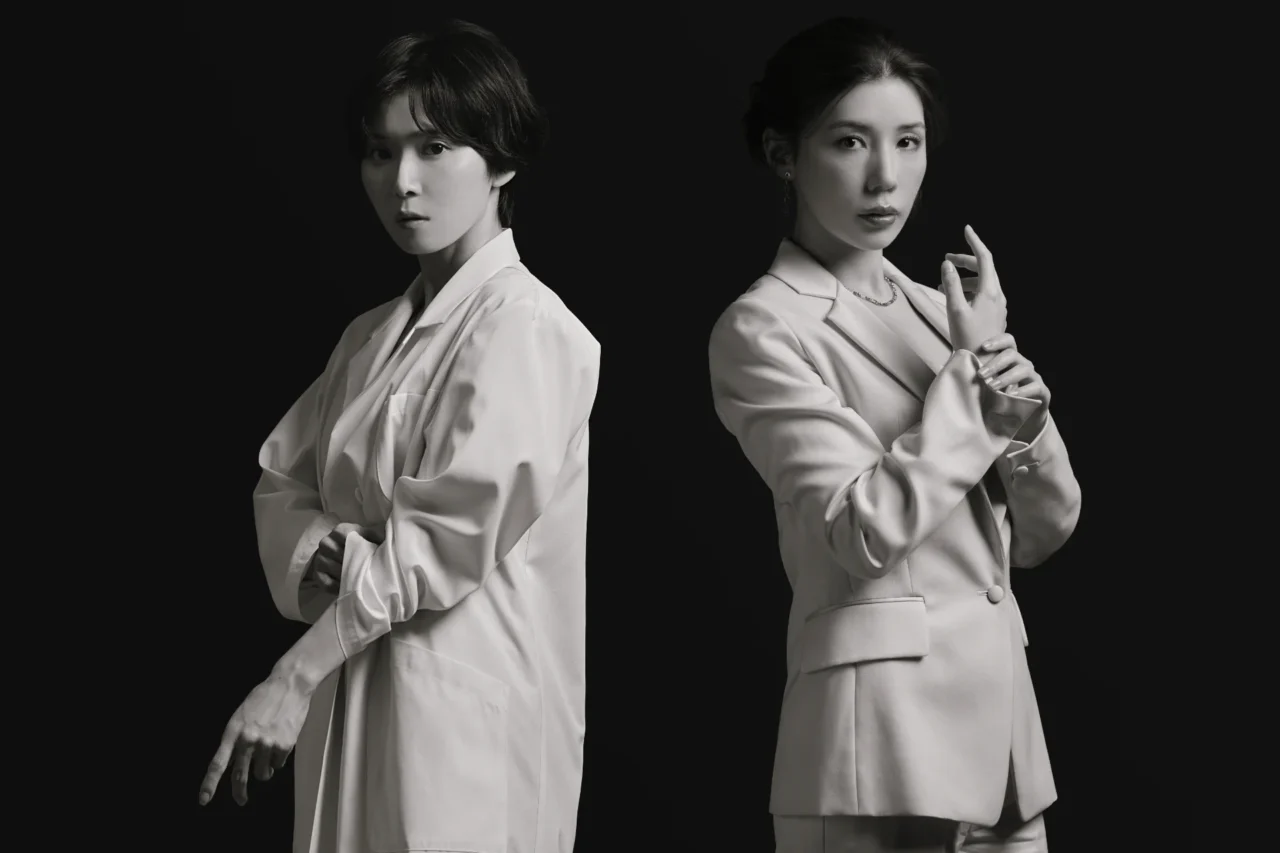
There may be a practical explanation for this—creating a double eyelid may simply be more straightforward given the anatomy of the eye and the techniques available. But the comment also points to something deeper: society has already established certain ideas about what is considered beautiful.
I firmly reject the idea that people should be judged by their appearance. At the same time, it is impossible to ignore the very real pain that people experience because of how they look. Simply insisting that appearances should not matter does not make that suffering disappear.
Downtime captures the complexity contained within the seemingly simple idea of cosmetic surgery. The story unfolds with such weight that it repeatedly unsettles your assumptions; like many others at the preview screening, I found myself watching the entire series in one sitting. Bolstered by compelling performances from Mayu Matsuoka, Riisa Naka and the rest of the cast, the series draws us deep into the complicated emotions surrounding cosmetic surgery, raising difficult questions about the beauty standards that constrain us and what it really means to make a choice for ourselves.
Many people who undergo cosmetic procedures reportedly say they do so for their own satisfaction. But the individual right to pursue beauty and the broader problem of pervasive lookism in Japanese society need to be considered separately. Otherwise, something essential risks getting lost between the two. These are the questions Downtime leaves us to confront.
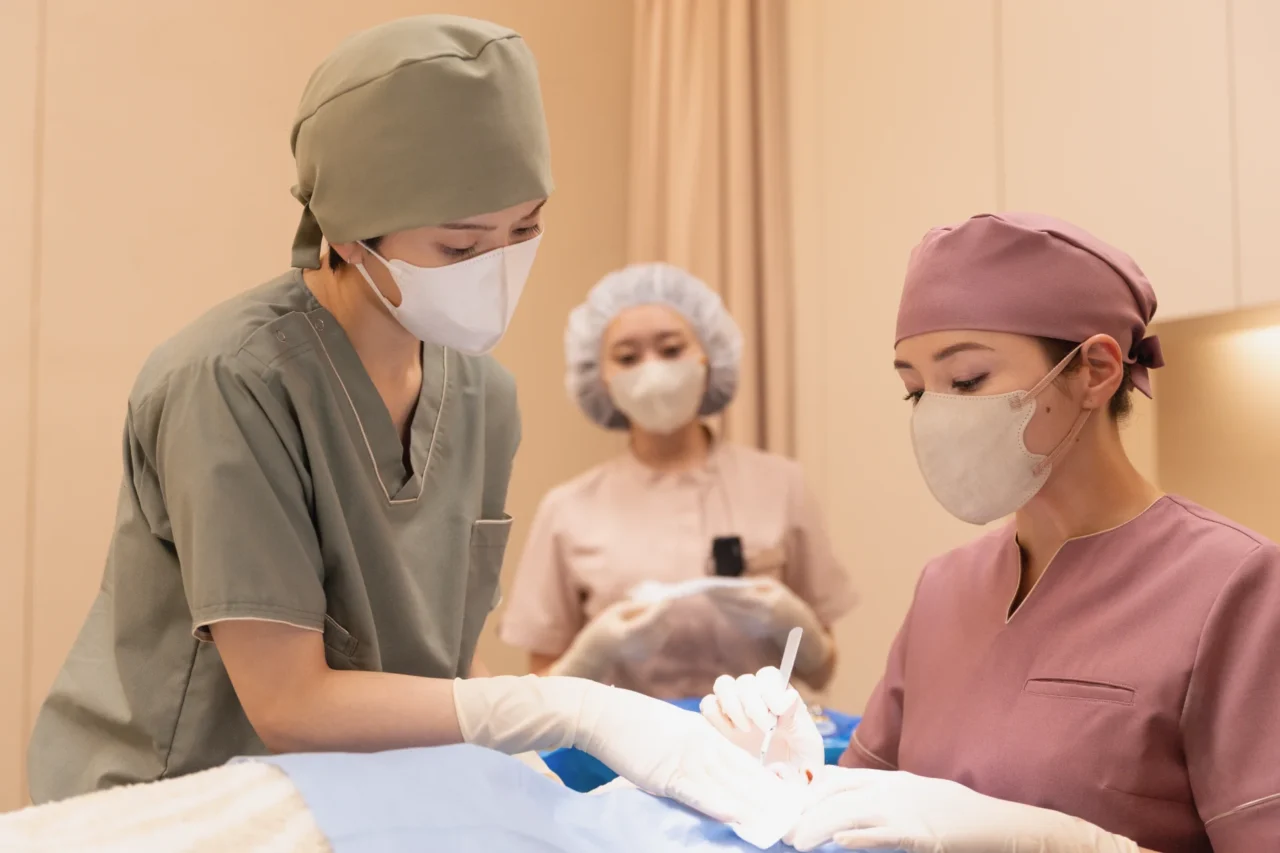
Netflix series *Downtime
Episodes: 8 (all episodes available now)
Streaming exclusively worldwide on Netflix from September 17
Cast:
Mayu Matsuoka, Riisa Naka
Shotaro Mamiya, Minami Tanaka, Riku Hagiwara, Mijika Nagai, Daichi Watanabe, Reiji Nakagawa, Kavka Shishido
Yu Shirota, Naoki Masuko, Sosei Takeda, Rika Izumi, Kentaro Tamura, Eisuke Sasai
Hana Amano, Hina Kagei, Naoko Ken, Kayo Noro, Rin Furukawa, Yumi Adachi, Shunsuke Kazama, Kōki,
Hiromi Nagasaku, Atsuro Watabe
Director: Yuki Saito
Executive Producer: Shinichi Takahashi (Netflix)
Producers: Harue Miyake, Katsuhito Mogi
Screenplay: Junya Ikegami
Main Theme: Yuta Bandoh
Music: MON/KU, Sayaka Aoki
Director of Photography: Yohei Tateishi
Lighting: Hitoshi Kobayashi
Production Designer: Yoko Sagae
Editor: Kazuma Yano
Production Sound Mixer: Toru Nishiyama
Sound Designer: Yoshifumi Kureishi
Special Makeup & Prosthetics Director: Amazing JIRO
VFX Supervisor: Koji Nozaki
Scheduling: Katsumasa Hirabayashi
Assistant Director: Daisuke Ajiki
Planning Producer: Shinichi Kudo
Production Company: K2 Pictures
Developed and Produced by Netflix