Ideas such as anti-lookism and body positivity have become increasingly widespread, as has the belief that we should learn to love ourselves as we are. At the same time, however, the cosmetic medicine industry continues to grow year by year, while younger generations in particular are becoming less hesitant about surgically altering their faces and bodies.
Even as society embraces the ideal that people should not be judged by their appearance, the desire to change the way we look remains powerful.
Such choices can be a positive step towards greater self-acceptance. But they may also be the result of unconsciously being bound by standards of beauty constructed by society itself.
Premiering on Netflix on September 17, the Japanese series Plastic Beauty turns its attention to these tensions surrounding beauty and cosmetic medicine.
INDEX
Cosmetic Surgery in the Social Media Age
Cosmetic surgery once carried a far heavier stigma. Beyond concerns about safety, there was also the fear of being judged or gossiped about for having work done. For many, there was a moral dimension to it, too: your body was something your parents had given you, and changing it meant somehow disrespecting that gift.
That stigma has not disappeared entirely, but attitudes have shifted as less invasive, relatively low-risk treatments have become more accessible. Cosmetic procedures are increasingly treated as an ordinary option rather than a drastic decision. More parents are willing to listen when their children express an interest in them, and some even bring their children to clinics themselves.
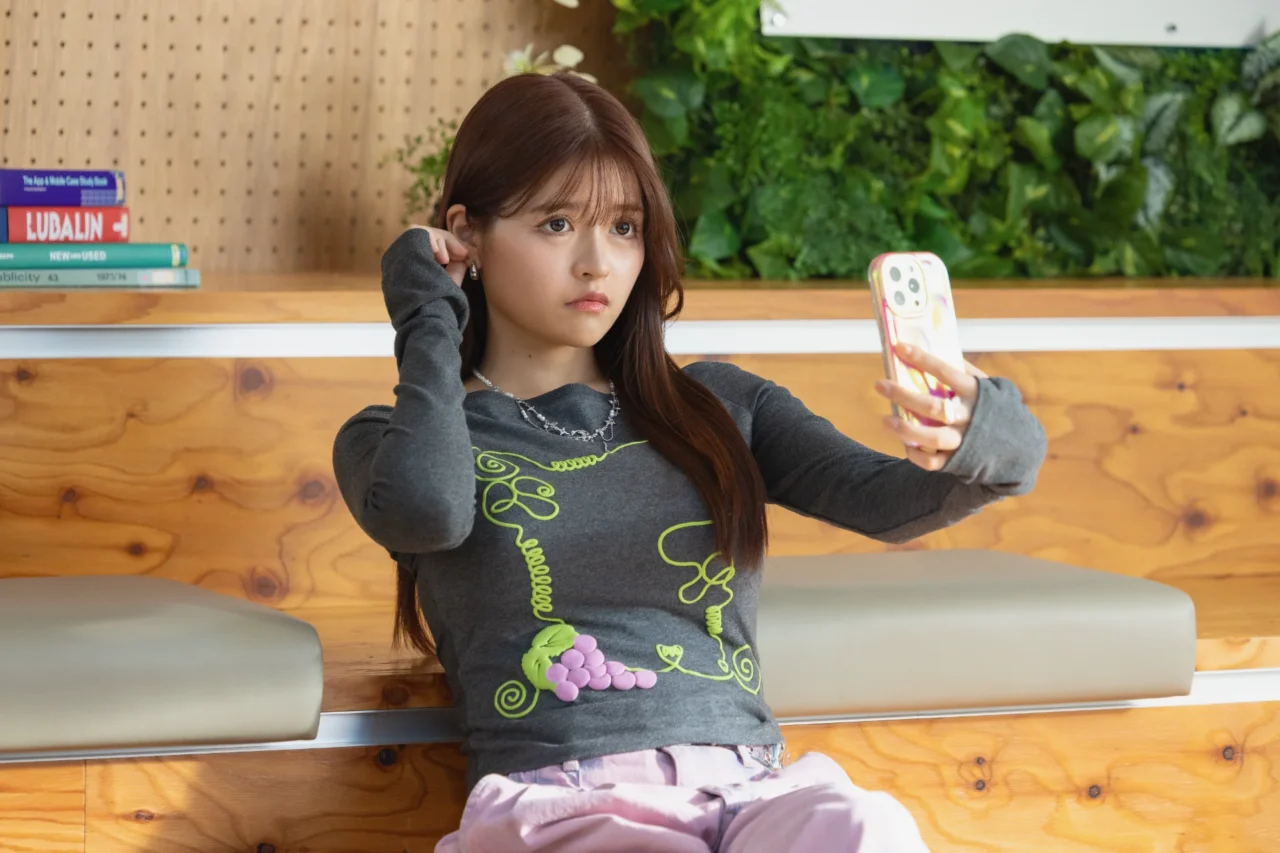
But the idea that we should simply cherish the bodies we were born with can feel increasingly out of step with life in the age of social media. Our faces are constantly on display. Photos and videos can be taken and shared without our asking, leaving our appearance open to judgment and comparison by others. For someone struggling with the way they look, being told simply to accept themselves can be a difficult thing to hear.
No one else can fully know what it feels like to live with those insecurities. That makes the question of personal choice all the more important—something the Netflix series Plastic Beauty brought into sharp focus for me.