Best known as Steve Harrington in Netflix’s *Stranger Things*, Joe Keery has steadily built a second career as a musician under the name Djo. While his acting made him a household name, his music has become a space to reflect on change, memory, and growing older.
Songs like “End of Beginning” explore the feeling of looking back on places and moments that can never quite be revisited, a theme that has resonated with listeners around the world.
Keery rarely speaks in sweeping statements. Instead, he approaches these ideas with honesty and curiosity, treating growing up less as a destination than an ongoing process. What does it really mean to become an adult? Do we leave our past behind, or carry it with us?
Our conversation began with a casual high five before turning to the question at the heart of Djo’s music: what it means to grow up.
INDEX
No Money, Great Friends
Thanks so much for taking the time today. I have to admit, I’m kind of nervous seeing you right in front of me.
Joe: Don’t be! [Laughs] Happy to be here.
So, how have you been lately?
Joe: I’ve been good. I’ve been trying to take a little more time off recently, which is partly why I’m in Japan right now. It’s been really nice to get out of my usual routine and explore somewhere new. I’ve been going to a bunch of hot springs too, so yeah, it’s been great.
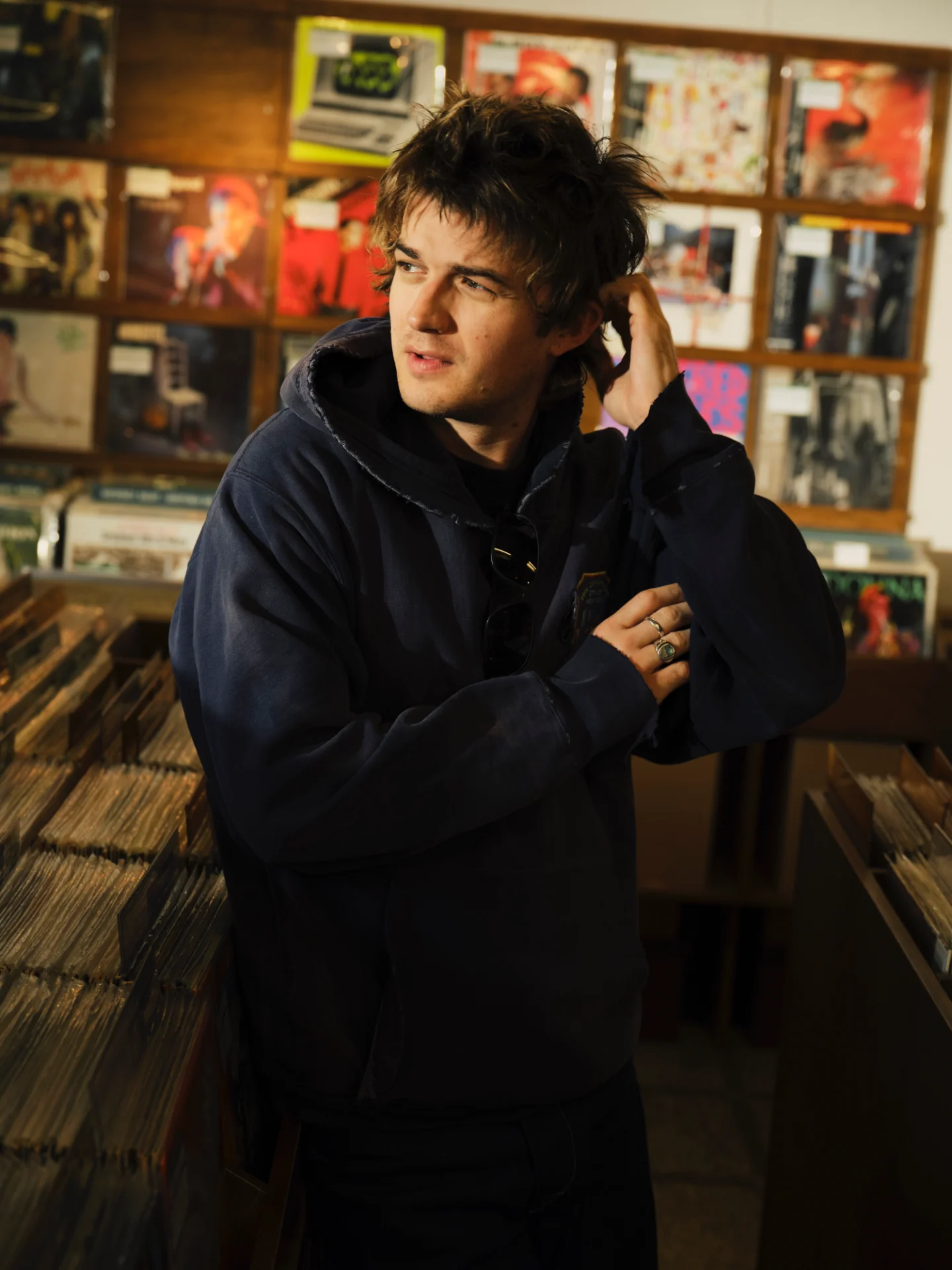
Djo is the solo music project of American musician and actor Joe Keery, who was born in Massachusetts. Best known worldwide for his role as Steve Harrington in Netflix’s Stranger Things, Keery began making music as a teenager and was a member of the Chicago based band Post Animal before launching Djo in 2019. “End of Beginning,” from his 2022 sophomore album DECIDE, became a global viral hit in 2024. He followed it with his third album, The Crux, in 2025. In January 2026, “End of Beginning” reached No. 1 on the UK Singles Chart, further cementing Djo’s crossover appeal from the indie scene to the mainstream.
I wanted to start by talking about leaving home and growing up, using your music as a starting point.
Joe: That’s pretty much exactly what “End of Beginning” is about.
I think a lot of people can relate to the feeling of leaving a place behind and realizing you can never really go back. Looking back, is there anything you only came to appreciate after leaving?
Joe: Probably, my friends. The song is about the years I spent in Chicago. It wasn’t exactly my hometown. I moved there for college and lived there from when I was about 18 until I was 24. I think that’s true for a lot of people, but there’s something really special about that period of your life.
I know exactly what you mean. It’s such a unique period in life, that transition from your teens into adulthood.
Joe: Yeah. We had no money. We’d all crash together in these tiny, cramped apartments and eat food that definitely wasn’t good for us. (Laughs.) But looking back, what I really miss is the fact that we were all going through it together. There was this genuine sense of camaraderie. That’s really what the song is about. It’s about that time in my life.
What’s funny is, I never wrote it thinking, People are going to relate to this. But somehow it ended up connecting with people all over the world. That’s been really special.
After leaving Chicago, did you ever struggle with loneliness?
Joe: Definitely. I left Chicago because of work, so there was a sense of loneliness. Relationships naturally change over time, but I think what you’re really feeling is nostalgia for a particular moment in your life.
We’re always feeling nostalgic for something. Five years from now, I might even look back on this conversation and feel nostalgic about it. I think that’s a good reminder to really live in the present. Not to rush too far ahead into the future or get stuck in the past, but to appreciate where you are and really experience the moment you’re living in.
INDEX
Getting Older, Getting Wiser
I really like that perspective. At some point, we all grow from being kids into adults. Becoming an adult gives you more freedom, but it can also mean drifting away from the things you once believed in, or from the carefree version of yourself.
Joe: Yeah, you definitely get a little wiser.
Is there anything you feel you’ve had to leave behind as you’ve gotten older?
Joe: I think what I’ve lost is that kind of blind confidence you have when you’re young. That feeling that you can do anything, even if it doesn’t make much sense. For me, it was deciding I was going to move to Chicago and become an actor. Looking back, that’s a pretty crazy thing to do. I don’t even know if I’d make that same decision now.
But at the same time, that impulsive choice is what got me here. There’s something really cool about that fearlessness you have when you’re young. It can be the thing that pushes your life forward.
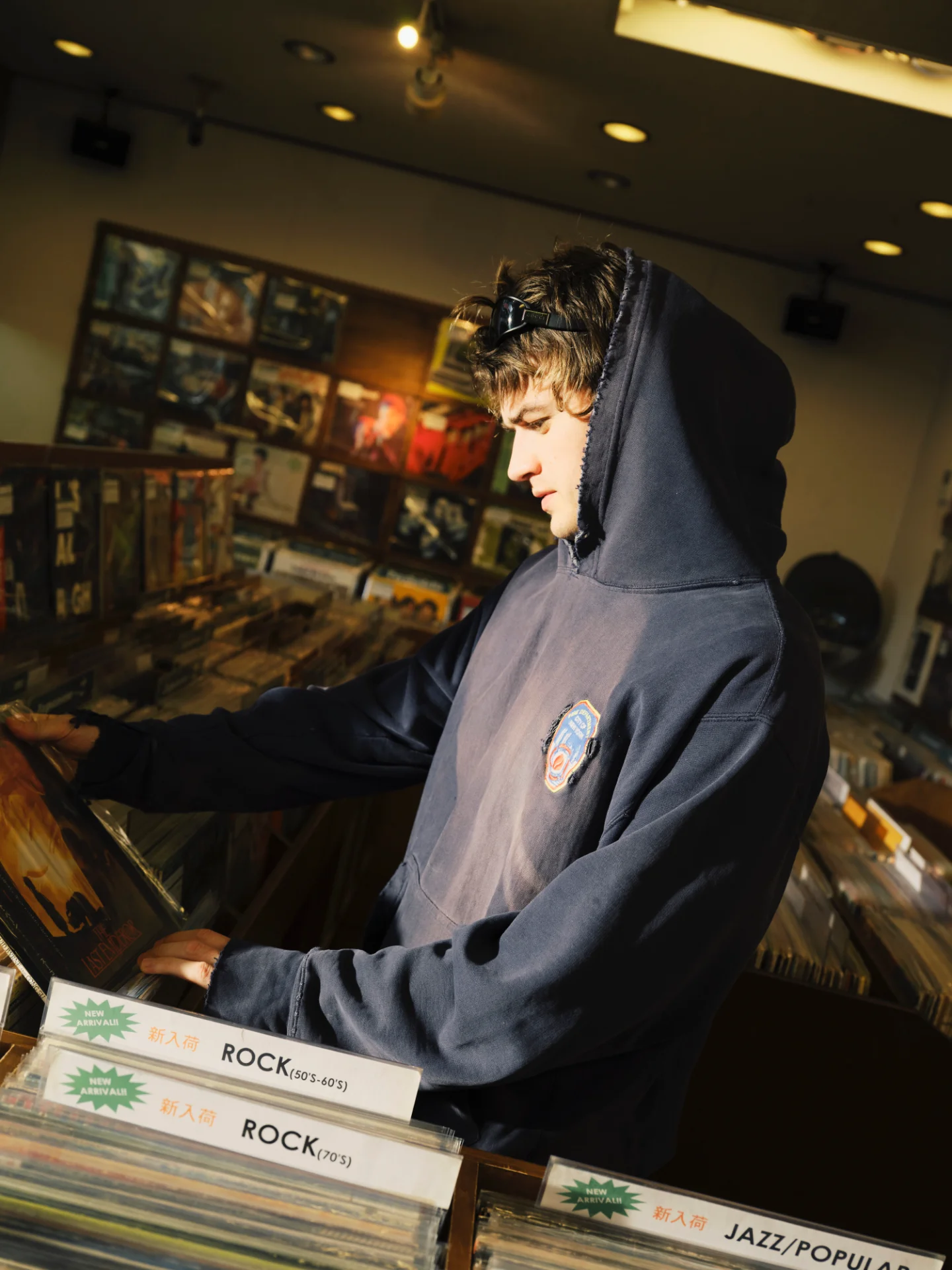
On the other hand, what do you think you’ve gained as you’ve gotten older?
Joe: I think I’ve become more sentimental, in a good way. I’ve come to realize that nothing lasts forever. People come into your life, they leave, and they move on. Because of that, I think I’ve learned to appreciate every relationship and every experience a little more.
That ties back to what you were saying earlier about living in the present.
Joe: Yeah, exactly. I came to Japan with a group of friends, and when they flew home before I did, it suddenly hit me that this trip we’d been planning for so long was over. Something we’d been looking forward to for months had become a memory. It was another reminder to stay present and appreciate the moment while you’re in it.