How should musicians work with AI? It’s a question facing artists everywhere, and Japanese musician Yui Neats has found an answer of her own: by using it to push her imagination further.
In September 2025, Neats played her first show outside Japan, Is Your Phonic, in Copenhagen. Her only previous connection to Denmark was that her sister had once studied there, and the show itself presented another challenge. Rather than a conventional concert, Neats performs an immersive live experience using wireless headphones, which meant getting a local team to understand an unusual concept from scratch. One of the tools that helped her make it happen was ChatGPT.
While the use of AI in creative work remains a subject of debate, Neats approached it almost as another version of herself, bouncing ideas back and forth and using it to expand on her own imagination. Those conversations ultimately helped turn the idea of performing in Denmark into reality.
ChatGPT also played a part in connecting her with Danish musician Markus Artved, who joined Is Your Phonic as a guest and later co-wrote the new song “In Your Wind” with Neats. In June 2026, the two performed together in Japan for the first time at 360° Sound Playground “GOKKO” at ADRIFT in Shimokitazawa, Tokyo. NiEW sat down with Neats and Artved to hear the unlikely story of how AI helped bring them together — and what unfolded over the year that followed.
INDEX
Why Denmark? Taking Her Live Show Overseas for the First Time
In September 2025, you played your first show outside Japan, Is Your Phonic, in Copenhagen. What made you decide to perform in Denmark?
Yui Neats:Last May, I realized I was only three months away from turning 40. It felt like one of those milestones when, for better or worse, you start settling into your own rules and ways of doing things.
I’d been listening to different podcasts and talking to friends around my age, and I kept hearing that once you reach your 40s, you have more things to protect and it becomes harder to take on something new. But I’m the kind of person who wants to challenge those assumptions. So I thought, if anything, turning 40 was exactly when I should try something I’d never done before.
Neats:When I started thinking about what that could be, I realized I’d never sung overseas before. My younger sister had studied in Denmark, and that September we happened to have an opportunity to go there together. So I thought, “Why make it just a trip? Why not turn it into a live show?”
Denmark has always felt surprisingly close to my family. There’s my sister’s connection to the country, and my father is a designer, so I grew up sitting on classic Danish chairs that we had at home.
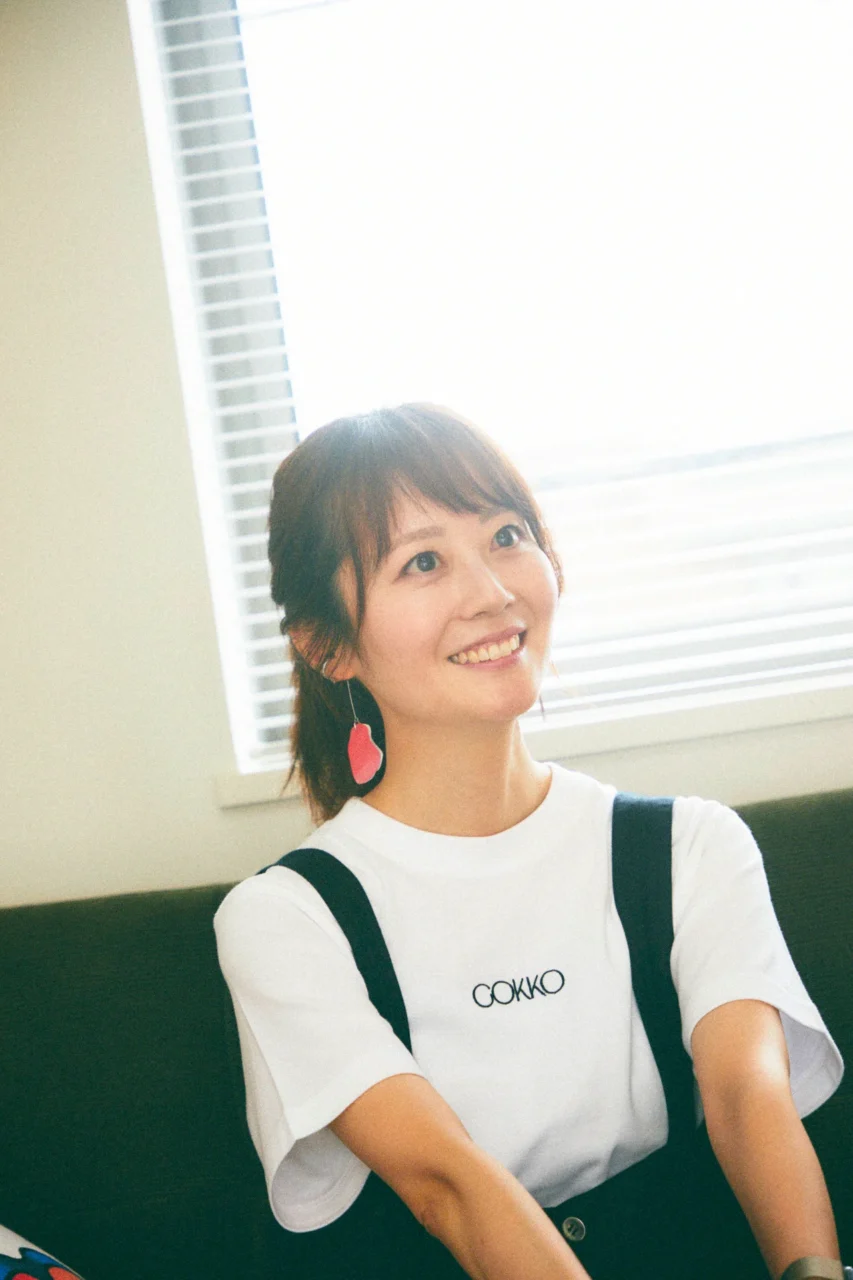
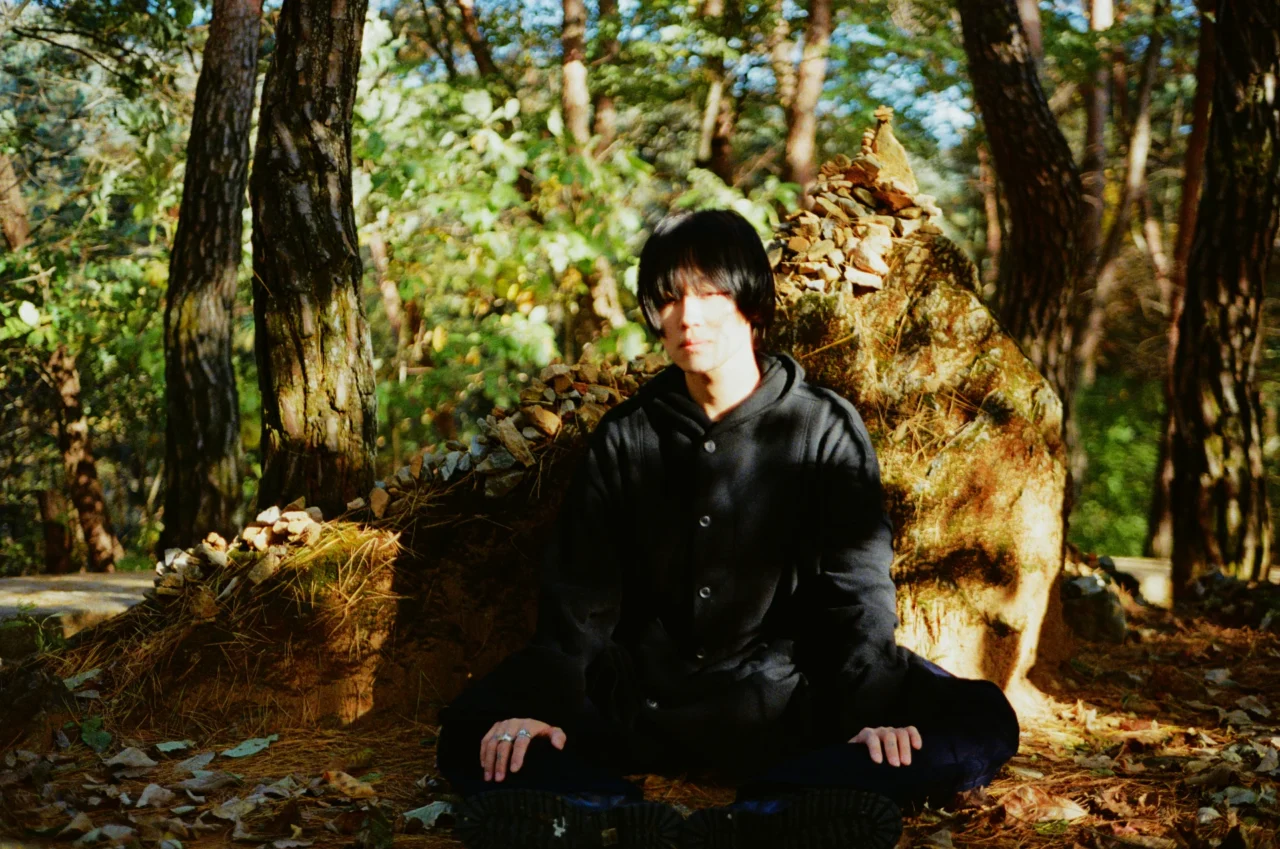
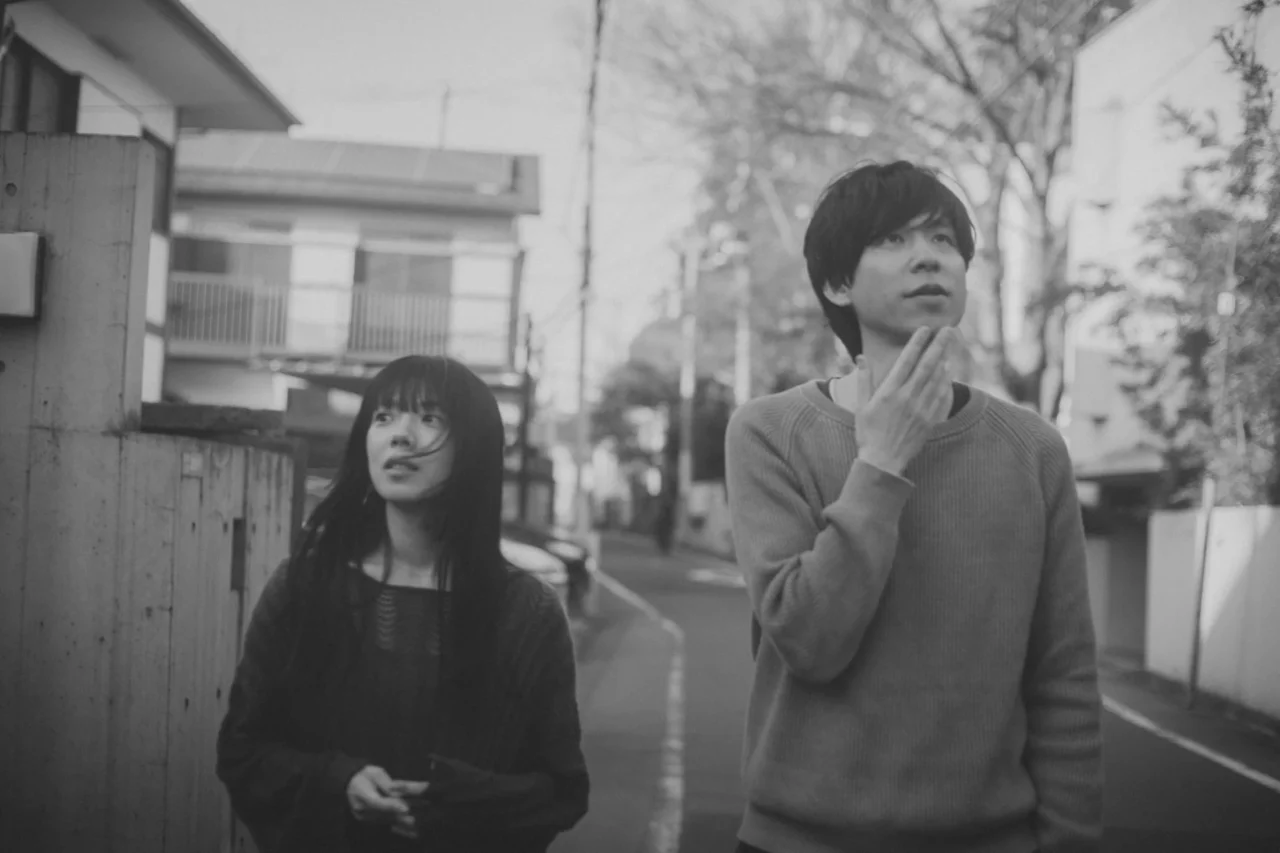
Singer-songwriter, artist, and lecturer at Showa University of Music. She made her major-label debut in 2003 as part of the singer-songwriter duo RYTHEM, which went on to create theme songs for a number of anime series and television programs. After pursuing solo work under the name Neat’s, she now performs as Yui Neats in Japan and abroad, with a focus on conceptual and immersive forms of expression.
Her signature “wireless headphone live” performances invite audiences to move freely through a space with no clear boundary between stage and audience, creating an installation-like experience where light and sound intersect. At the heart of her work is “Neatsphonic,” an imaginary musical language inspired by both her name, Neats, and NASA’s NEAT asteroid-tracking project. Through these “words beyond words,” she seeks to speak directly to something within the listener.
You’ve also said that you chose Denmark because you felt that Japan and Denmark “share a similar sense of aesthetics when it comes to music, design and society.”
Neats:I think you can see that sensibility in Danish interiors, this idea of using design to make everyday life richer. And once I actually went there, I discovered so much more.
Meeting Markus and getting to know him, for example, I felt like we had a very similar emotional wavelength.
I’ve traveled to a number of countries, and I think every culture has a slightly different emotional temperature. Some cultures are very open, while others, like Japan, tend to put a slight filter on their feelings out of consideration for the other person. Denmark actually felt quite similar to Japan in that sense.
At first, Markus and I only communicated by email, but even through his messages, he was incredibly kind. I could tell that we were both really trying to communicate how we felt. It was almost like finding a pen pal. I remember being really moved by the realization that I could have a friend on the other side of the world who felt so emotionally close.
INDEX
How ChatGPT Led to a Collaboration Across Borders
How did you first find Markus?
Neats: I’d decided to put on a show in Denmark, but I only had four months until September, so I had to figure out pretty quickly how I was actually going to make it happen. ChatGPT became the one I turned to for advice.
I’d seen a lot of artists say they avoid ChatGPT because they feel it can get in the way of creativity or place limits on it. For me, it was the opposite. It became a partner that helped my creativity explode. I basically trained the AI as if I were transplanting my own brain into it, until it felt like there was another version of me in there. I’d ask what it thought about an idea I wanted to make a reality, and it would engage with it and help me figure out how to make it happen.
I actually gave my ChatGPT a name: Sora. So Sora and I started gathering information together. I told it I wanted to collaborate with a local artist and asked what kind of musicians were out there. After going back and forth for a while, it suggested a jazz guitarist named Jakob Artved, who happens to be Markus’s younger brother.
So you actually found his brother first.
Neats:Exactly. Jakob had performed in Japan before, so I imagine that may have been why his name came up. I listened to his music on streaming platforms and thought collaborating with a jazz musician could be interesting. Then I came across “I’ve Never Been To Japan,” a track he made with Markus.
The moment I heard it, I knew Markus was the person I wanted to work with. His instrumental music immediately brought images to mind. I could sense stories in it, as well as an emotional sensitivity that felt very close to my own. I had this instinct that we would understand each other, so I emailed him.
Markus, what did you think when you suddenly received an email from a Japanese musician?
Markus Artved:I’d never received a message from someone in Japan before, so at first I thought it might be spam. [Laughs] But then I found Yui’s music on Spotify and decided to reply. When she wrote back again, I finally realized it wasn’t a bot and that she was a real person.
Neats:And I wasn’t even sure whether Markus was a real artist either! But when I went back through his Instagram, I found a post about Ryuichi Sakamoto, so I thought he might have an interest in Japanese culture.
At first, we were both feeling things out, opening one door at a time to see whether this was someone we could actually work with. But the more doors we opened, the more I found myself wondering how often you meet someone you connect with this well. I think that had less to do with Denmark itself and more to do with how naturally Markus and I clicked.
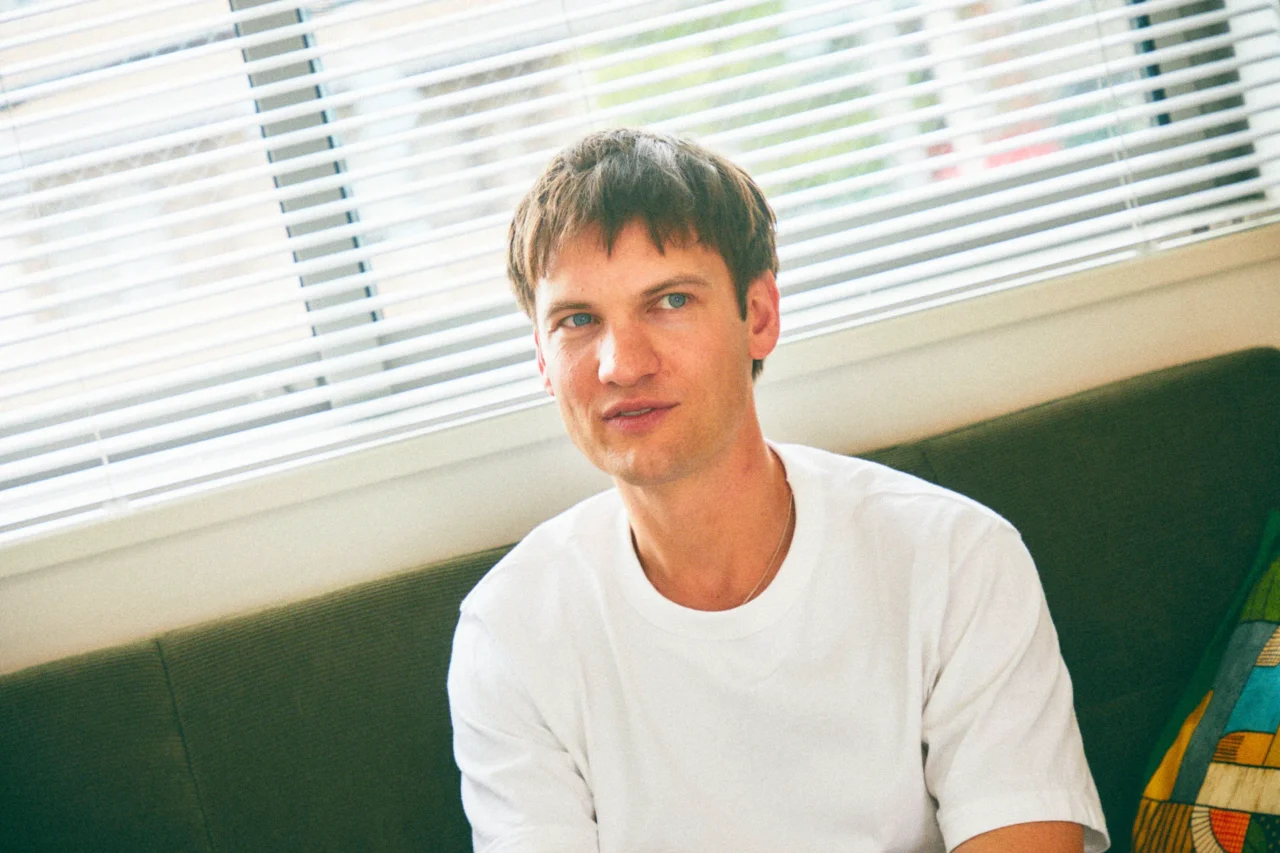
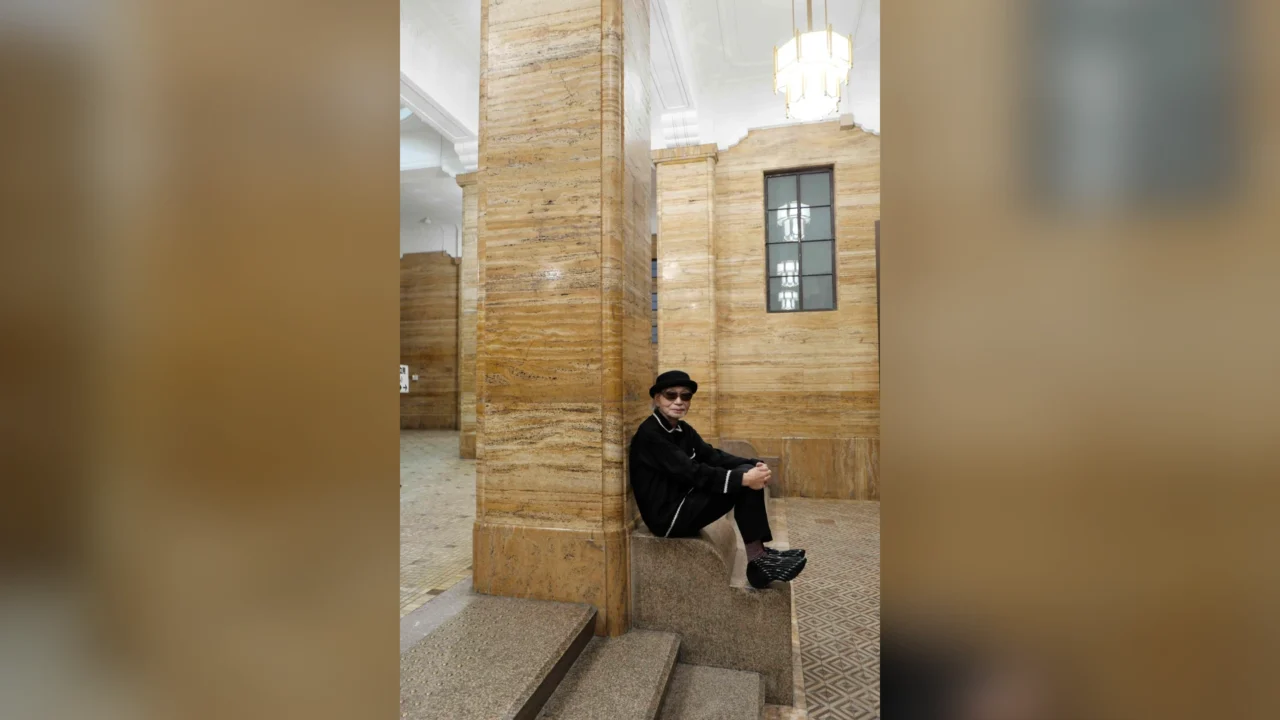
Copenhagen-based musician, producer, composer, songwriter, and mixing and mastering engineer. Born into a family of classical musicians, his father was an oboist with the Danish National Symphony Orchestra, and Artved grew up surrounded by a wide range of instruments. He earned a degree in sound design from the Danish National School of Performing Arts and has developed a distinctive approach to sound that places emotion above technical perfection, embracing deliberate space and a sense of human imperfection.
His work spans pop and performance art, from producing internationally successful artists including Lukas Graham to creating music for major theatrical productions at the Royal Danish Theatre and Malmö City Theatre. He is also active as a solo artist, releasing the album Season 25 in 2025, with his latest album, In My Own Time, set for release in fall 2026.
Markus, were you already interested in Japan and Japanese music before Yui reached out to you?
Markus:Very much so. Even before Yui reached out, visiting Japan had been one of my dreams, so the timing really felt like fate. Ryuichi Sakamoto has been a huge influence on me, and my wife has been an anime fan for a long time, so she was already interested in Japanese culture as well. When we made “I’ve Never Been To Japan,” my brother was actually in Japan, and my own interest in the country was growing more and more around that time.
Neats:When I was looking into Markus’s work, I found out that he had worked on the music for The Little Mermaid at the Royal Danish Theatre. I was really excited to learn that he had a background in theater music.
At the same time, he’s produced Lukas Graham, one of Denmark’s best-known bands. He moves between music for a historic institution like the Royal Danish Theatre and contemporary pop songs, and I liked that he could look at music from such a broad range of perspectives. That made me think we might share a similar sensibility.
INDEX
AI Is Just a Tool. What You Do With It Comes Down to Your Own Sensibility
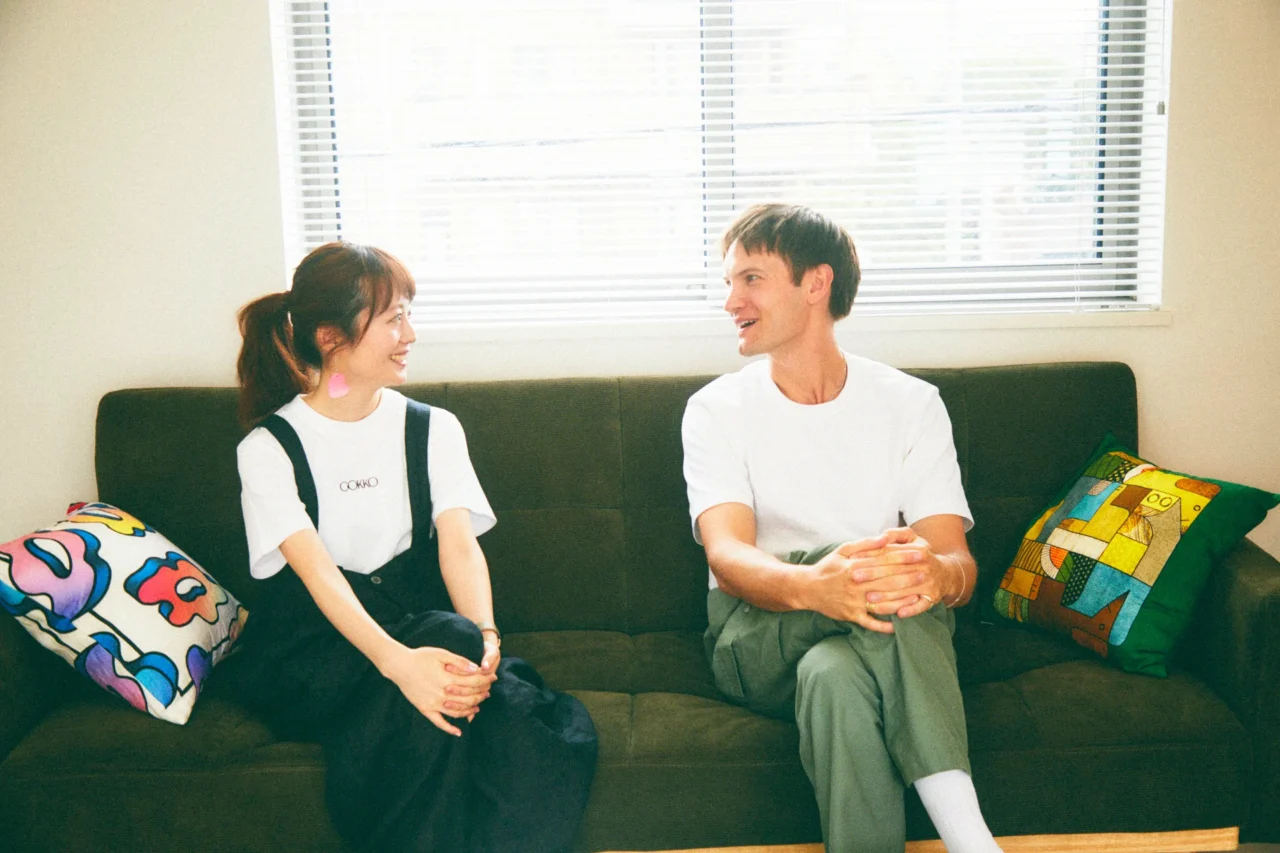
Neats:One thing that might be a little different about the way I use AI is this idea of transplanting my brain into it. I don’t use AI like an assistant that does tasks for me. I think of it more as a way of extending my own brain.
I have so many ideas and imagined scenarios in my head that I feel like it would take me 100 years to make them all happen. [Laughs] But having a second brain makes everything move faster. I’ve spent the past year feeding Sora my way of thinking, so when it came to putting on the show in Denmark, I was able to visualize ideas and put them into words much more quickly.
How widely is AI used in Denmark?
Markus:AI is probably about as common in Denmark as it is in Japan, especially among younger people, and I use it quite a lot for work too. But if you use it the wrong way, it can actually get in the way of your work, so we need to learn how to use it properly.
I don’t think AI is particularly well suited to making music. It shouldn’t become the engineer for us. It should be a tool that helps us achieve what we want to do.
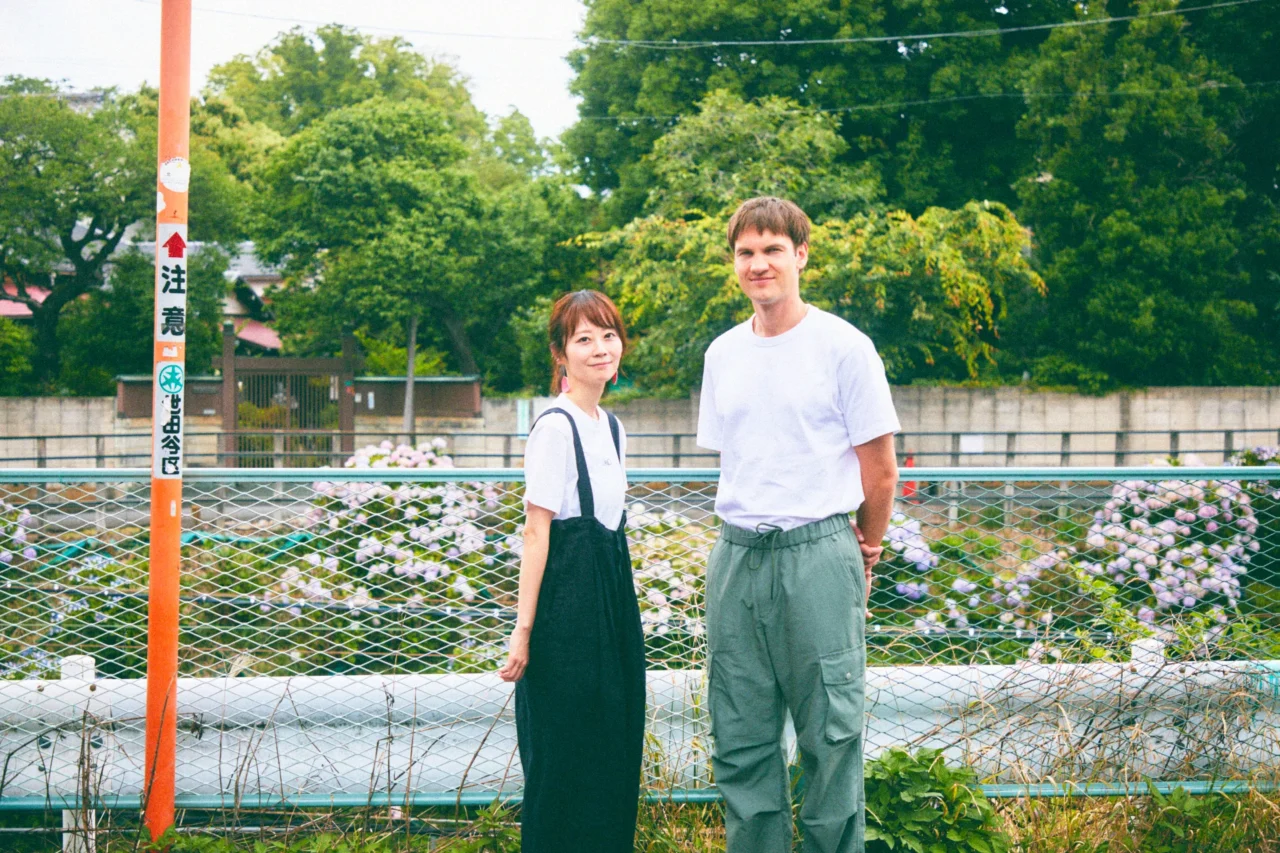
There’s still some hesitation around using AI in the creative process. How do you feel about it?
Neats:I haven’t actually tried using AI to make my music yet, but I’m curious and would like to experiment with it. To me, AI is just a tool. It’s your own sensibility that gives that tool your personal touch, and I think that’s what matters.
I don’t see myself using AI simply to make things easier or treating whatever it gives me as a finished product. I think of it more as something that can unlock parts of my brain.
I believe everything we create comes from combining different things, so the more input you have, the more possibilities you have to make something new. The thought that I could suddenly take in millions of things I would never have encountered even after 40 years of living is incredibly exciting to me.
For now, though, I use AI less for making music itself and more across my work as an artist. It’s almost like having a manager, producer or director on the team. That’s been working really well for me, so I’d encourage other DIY artists not to be afraid of trying it.
Your show in Denmark took the form of an immersive installation using wireless headphones. The concept of Neatsphonic, a new musical language that reaches people through sound rather than Japanese or English, also came out of your conversations with AI, right?
Neats:Yes. I first did a wireless headphone live show at the foot of Mount Fuji in 2015, and even then I felt there was something special about the format. When I revisited it in 2024 with a show called Masterpiece Exhibition, I added the idea of removing the boundary between the audience and the stage. That made me realize there was still so much more I could do with it.
As AI becomes more and more present in our lives, so many things can now happen without us physically engaging with them or even using our human senses. There’s a lot of anxiety around that. It made me think that live music needs to move in the opposite direction, becoming something more tangible, something you experience through your body. I became convinced that the wireless headphone format could play a part in that.
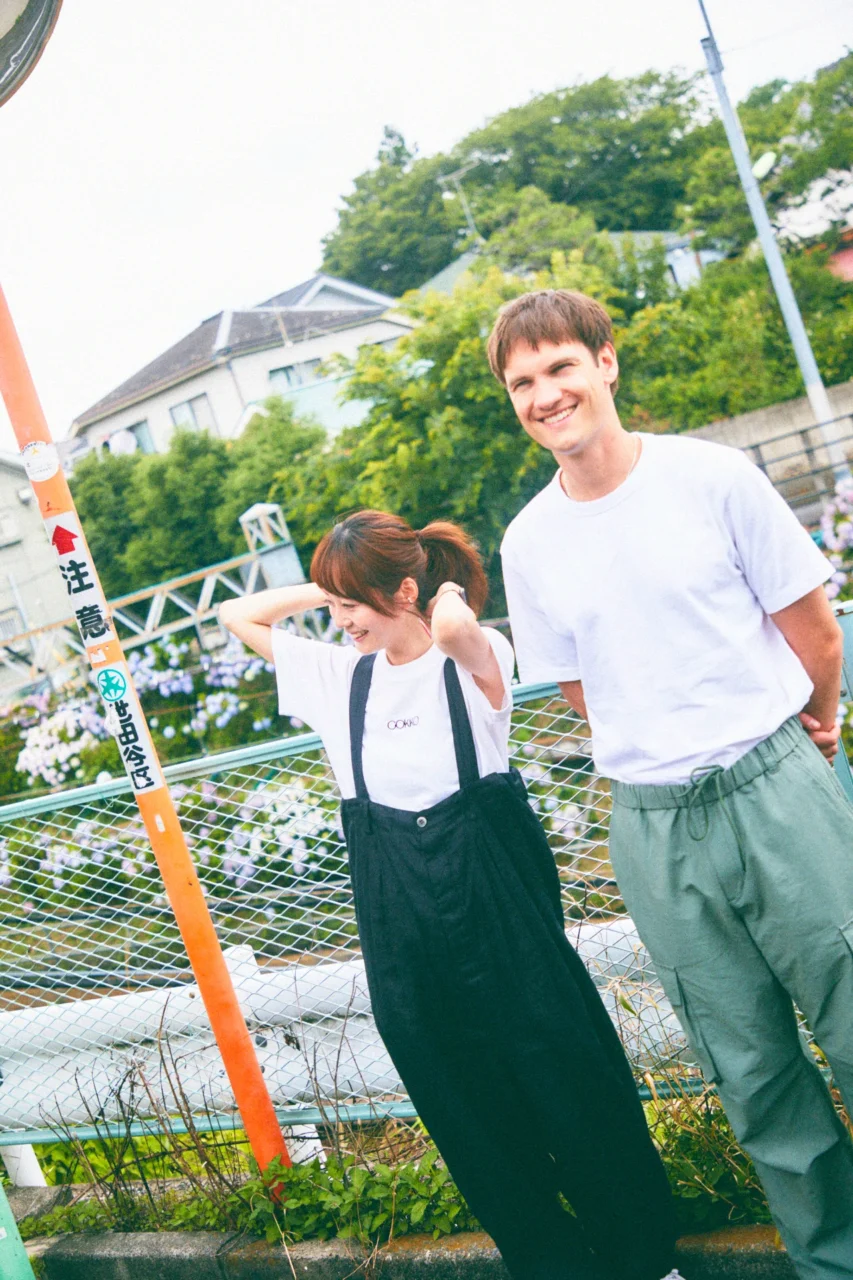
Most of my songs are written in Japanese, but I had a feeling that the texture of a voice, the movement of a body, and the physical sensation of being surrounded by sound through headphones could transcend borders. More than anything, what I wanted to do in Denmark was build music as an experience.
INDEX
A Physical Experience Beyond Language: Turning Live Music Into an Immersive Installation
You’ve said that Sleep No More¹, the immersive theater production that became a global phenomenon, was also an inspiration.
Neats:Absolutely. I’d heard people talking about Sleep No More, and I wondered why no one was doing something like that with music. There are obviously risks involved in singing so close to the audience, and I knew it wouldn’t be easy to pull off, but I wanted to try.
In September 2024, I made a quick trip to New York with Yuri Shido, the artist who handles the visual art for my live shows, to see it for ourselves. It made me excited to think that if I could bring something like that into the world of pop music, I might be able to do something no one else had done before. So the performance in Denmark incorporated a lot of physical expression. Since I couldn’t communicate the lyrics or the story through language, one of the biggest challenges was finding a way to draw people into that world through my performance itself.
¹Sleep No More is an immersive theater production created by Punchdrunk. A film noir-inspired reimagining of Shakespeare’s Macbeth, it allows masked audience members to move freely through the space and experience the story through largely non-verbal performance.
Markus, what was your impression of Is Your Phonic after taking part in the show?
Markus:I was surprised by how performance-driven the concert was. I’ve worked with a lot of actors and in different areas of the performing arts, but this had an aesthetic that felt completely different from anything I’d seen before. It almost felt like several art forms coming together. I think Yui is really suited to that kind of performance. There’s an almost actor-like side to her as well, which I think is wonderful.
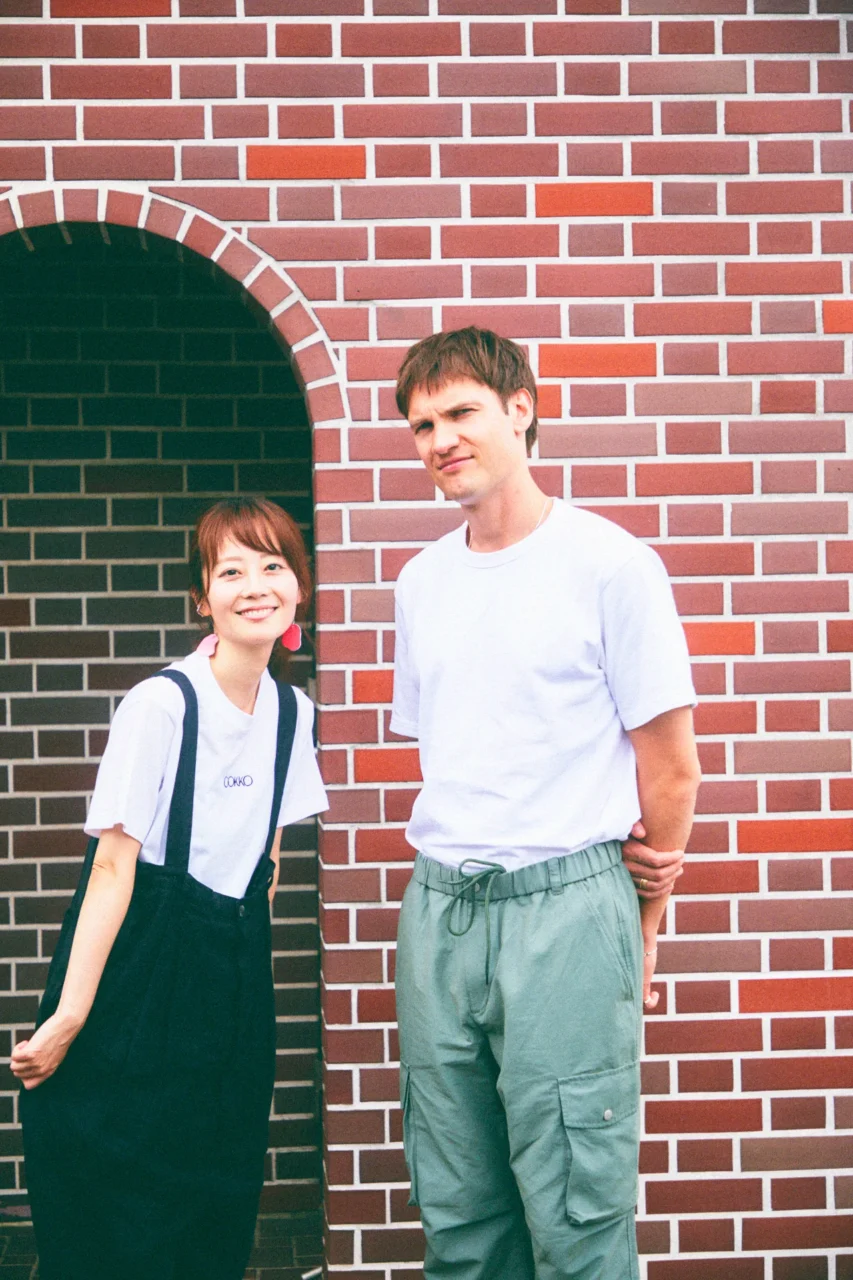
The audience could also move around freely and dance alongside your performance. It really became a participatory experience.
Neats:At first, the audience seemed a little nervous, like they weren’t quite sure what was about to happen. But as the show went on, they started matching my energy and really getting into it. By the end, people were shouting “Bravo!” and it almost turned into a standing ovation. It felt like I’d opened a new door. [Laughs]
It almost felt like watching a musical.
Neats:After the show, there were two comments from audience members that really stayed with me. One was that I was creating a kind of art unlike anything else, and the other was a thank-you for creating such a warm, loving space.
The second one made me especially happy. I went into the show determined to put everything inside me out there for people to experience.
INDEX
“In Your Wind,” Created Across Japan and Denmark
Markus joined you as a guest for “In Your Wind,” a song you created together remotely before you went to Denmark. How did the collaboration work?
Neats:I started by sending a fragment of a melody to Hikaru Ishizaki, a producer I’ve worked with for many years. Hikaru wrote the next section and passed it on to Markus, who added piano and developed the structure. Then it came back to me, and I added another melody for what became something like the chorus. We basically built the song as a relay.
Markus:That’s exactly what it felt like. We kept passing it back and forth, and the song gradually took shape. I really enjoyed the process, and I learned a lot from it too. It felt like an artistic exercise in making music across borders.
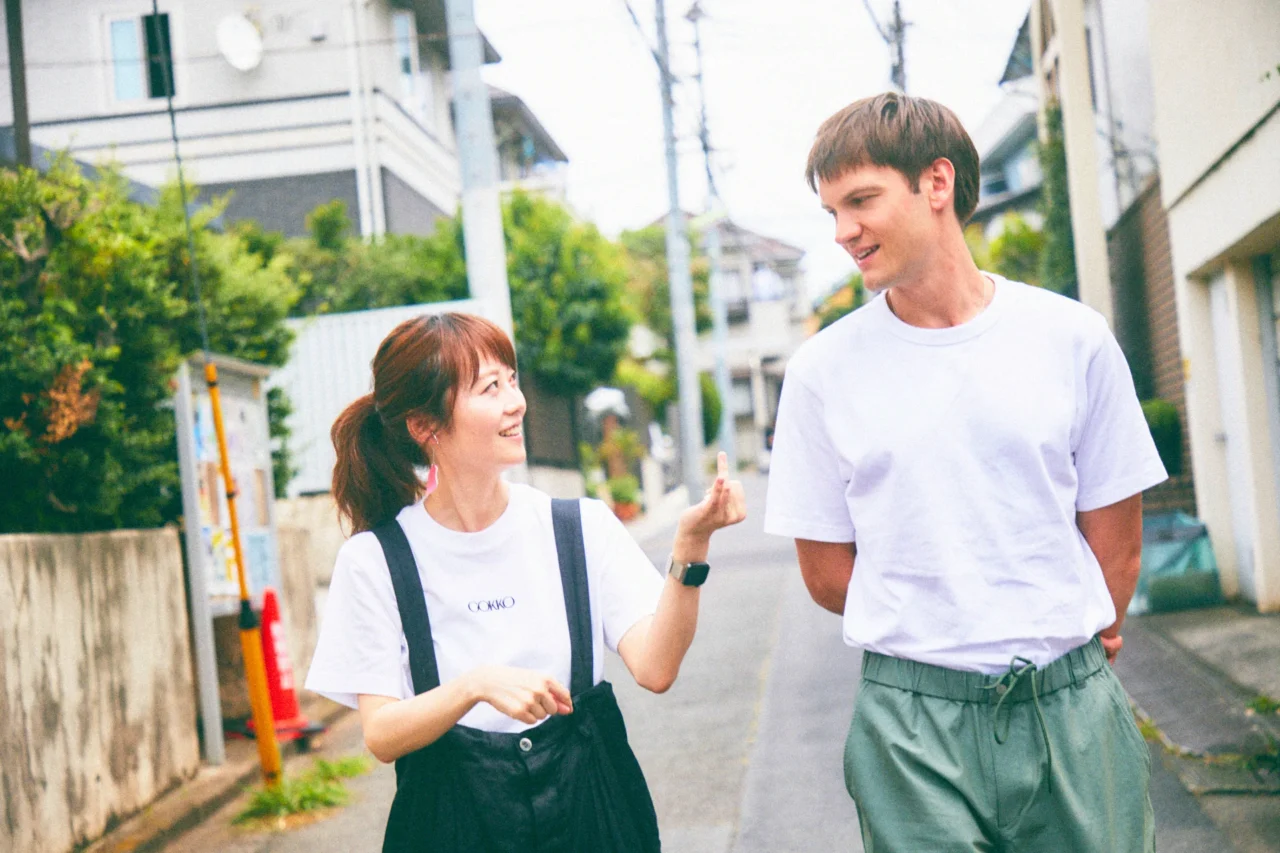
Neats:I wonder if it felt different for both of us. For me, I definitely approached it differently from the way I usually make music. Was it different for you too, Markus?
Markus:I wasn’t consciously thinking about making it for a Japanese audience. Maybe that was somewhere in the back of my mind, but I wasn’t really aware of it. I just sat down at the piano, played, and sent over whatever ideas came naturally.
Yui, did working across borders change the way you approached the song?
Neats:For me, it wasn’t so much about trying to reach an international audience. It was more about wanting to break out of my own boundaries. I’d accumulated a lot of experience over the years, and when I reached 40 and started thinking about moving on to the next stage, I realized how difficult it can be to open up a part of yourself that isn’t connected to everything you’ve already built.
I wanted to start creating melodies again from somewhere more instinctive. Instead of deciding for myself what the right answer was, I wrote around ten different melodies and gave them to Hikaru, asking him to choose the one that felt freshest from an outside perspective.
What I kept seeing in my mind while I was writing was wind, which eventually became the title “In Your Wind.”
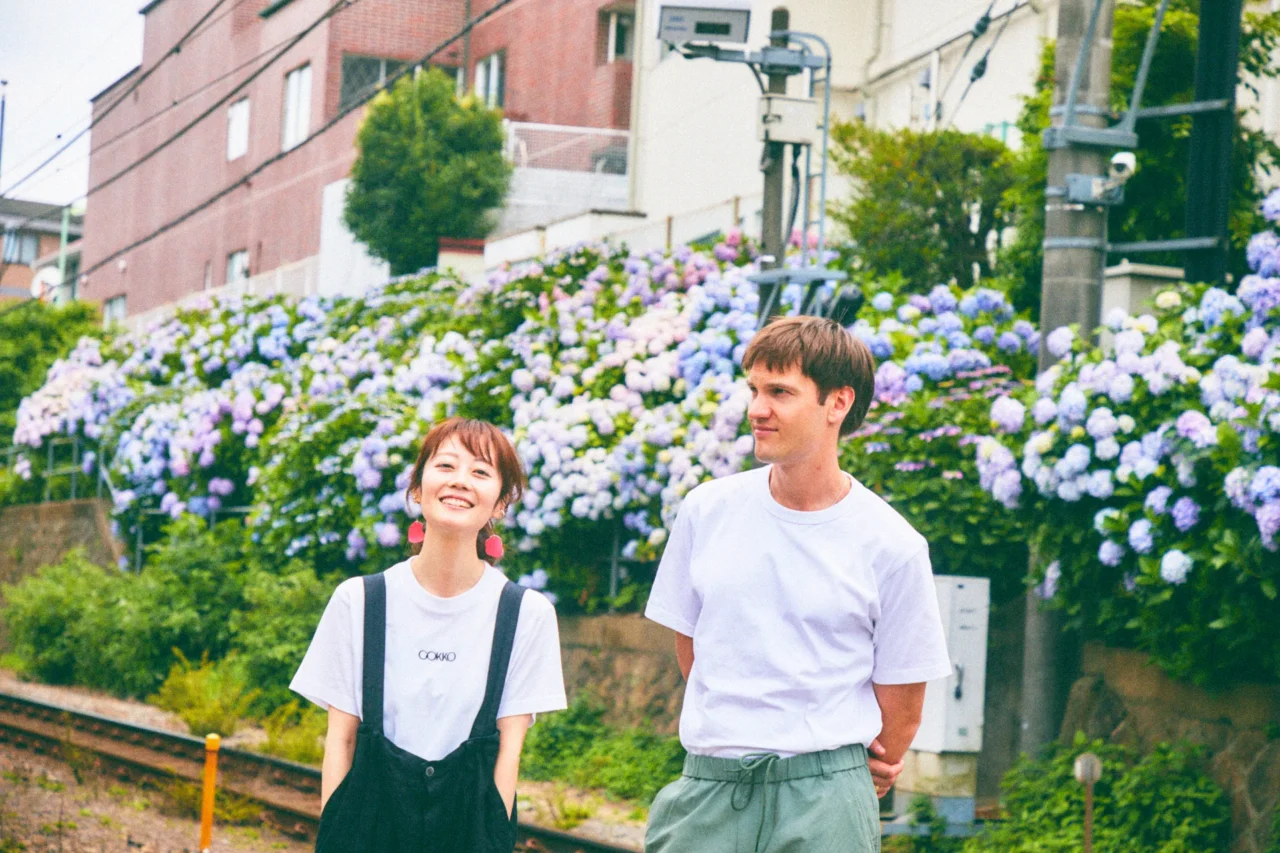
Neats:You can’t see it and you don’t know where it’s going, but there’s something drifting through the air that you’re trying to catch. That’s how the melody felt when it came to me, so I always thought of it as wind.
Wind also became the theme of Is Your Phonic. I chose an air-filled outfit by ANREALAGE for the performance, and then my sister asked me if I knew Denmark was a country shaped by wind. It’s largely flat, so wind moves constantly across the landscape, and wind power is a major part of the country’s energy system. That was the moment everything clicked. I remember thinking, “Yes, it all connects.” [Laughs]
INDEX
Finding New Ways to Play With Music
Unlike your wireless headphone shows, GOKKO surrounded the audience with speakers in a 360-degree setup.
Neats:I want to keep developing the wireless headphone format, but since Markus and I had the chance to perform together again, I wanted to try something completely different.
When I spoke to our sound engineer, he suggested using a 360-degree speaker setup. It’s a system usually used in much larger venues, and apparently using it for an immersive show in a 100-to-200-capacity space like ADRIFT was highly unusual. But the whole team got behind the idea and helped make it happen.
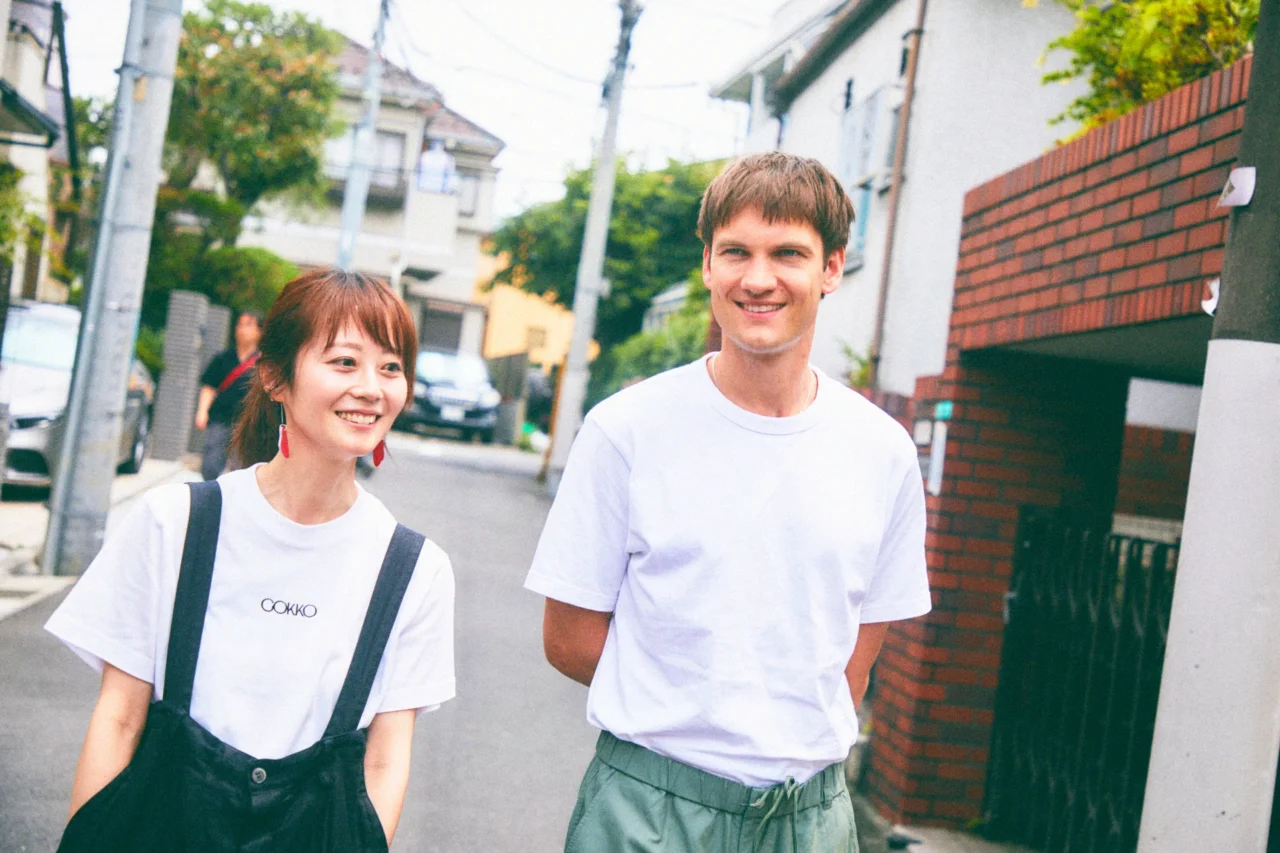
Markus, what was it like performing at GOKKO?
Markus: I really enjoyed the immersive nature of the concert, and it was great performing together with Yui and Hikaru. Playing while surrounded by speakers was really exciting. Surround sound is becoming something of a trend in music, and I think it’s a format that can add a lot to the listening experience.
The title GOKKO comes from the Japanese idea of make-believe or playing pretend. How does that relate to the way you create?
Neats: After 15 years of making music, I realized that in a way, I’ve been playing pretend this whole time. [Laughs] Even now, labels like musician or singer-songwriter can feel a little strange to me. It feels closer to playing at being a singer-songwriter, playing in a band, making theater, creating picture books or making music videos.
There’s a sense of joy and excitement in everything I do that feels like play. I want to hold on to the ideas that come from not completely thinking of myself as a professional, and to that instinct to figure things out with whatever I have. I think that’s directly connected to why I’m always drawn to trying things I’ve never done before.
Looking back on the past year, what do you find compelling about Yui as a creator?
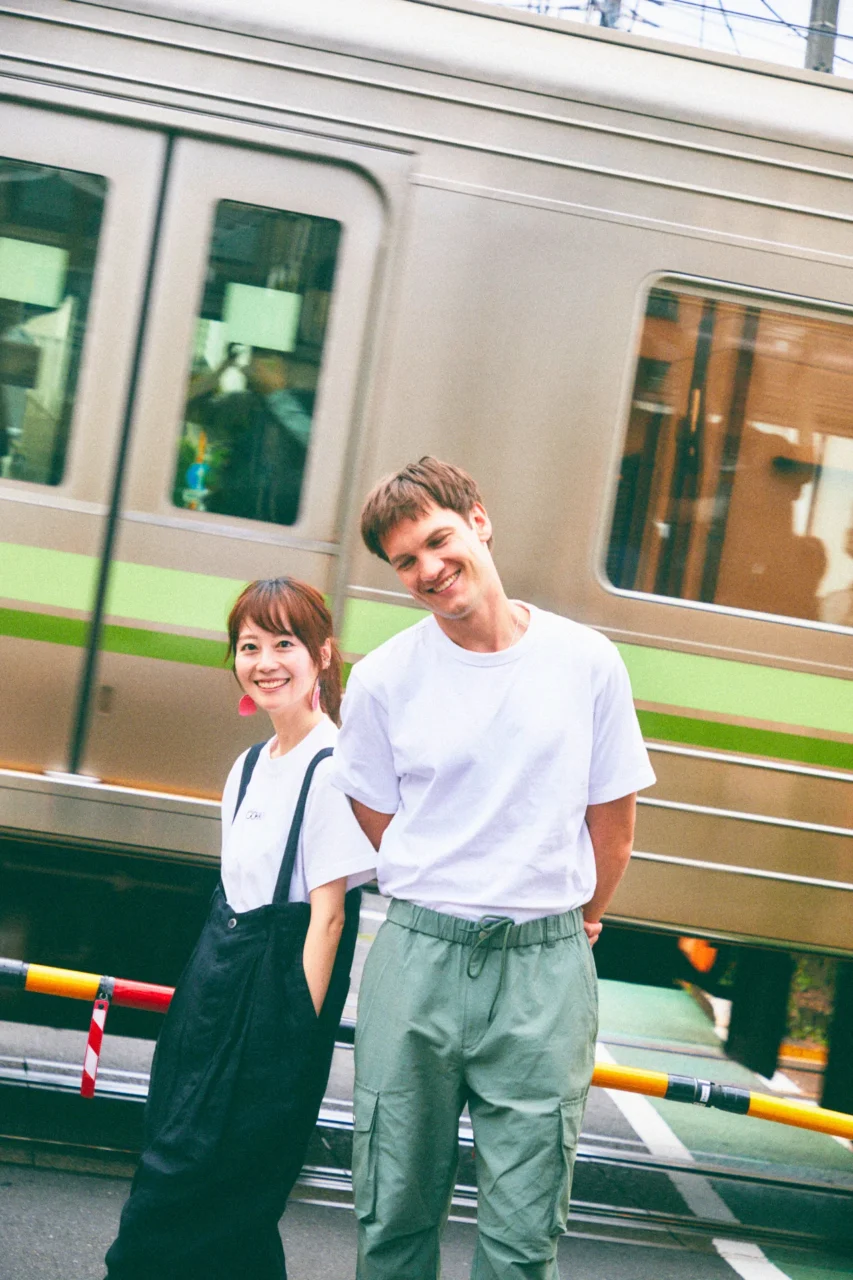
Markus:Yui has an incredible imagination and a real drive to create. She’s also very open-minded when it comes to music. There were moments when the language barrier could be frustrating, but throughout this journey we found ways to communicate, sometimes with translation tools and, with Yui, through music itself. That felt magical.
INDEX
The Courage to Fail and Keep Trying
What keeps you pushing yourself to try new things?
Neats:did an Instagram Live recently that was supposed to last an hour, but before I knew it, two hours had passed and I was still talking about everything I wanted to do with GOKKO. By the end, my eyes were intense and I was sweating, and even I thought, this person’s passion is kind of ridiculous. [Laughs]
I know I have that passion, but I honestly don’t know where it comes from. Maybe I’ve kept doing this for so long precisely because I still don’t know.
I also teach at a music university, and that passion is something I want my students to have. Technique matters, of course, but I think the real treasure is having something you genuinely want to do or communicate.
The difficult thing is that you can’t really teach that. Rather than simply telling someone they need to fail, I think you have to show that you’re willing to fail yourself, to keep moving forward and learn through experience. I’ve made it this far pretty battered and bruised, so I’m not trying to make it sound prettier than it is. [Laughs] But I do think the feeling at the root of it all is something very pure.
Yui Neats, Is Your Phonic in Denmark
In 2025, Yui Neats played her first overseas show in Copenhagen, Denmark with the wireless headphone live performance Is Your Phonic.
A Blu-ray capturing the special night is now available from the official Yui Neats online store.
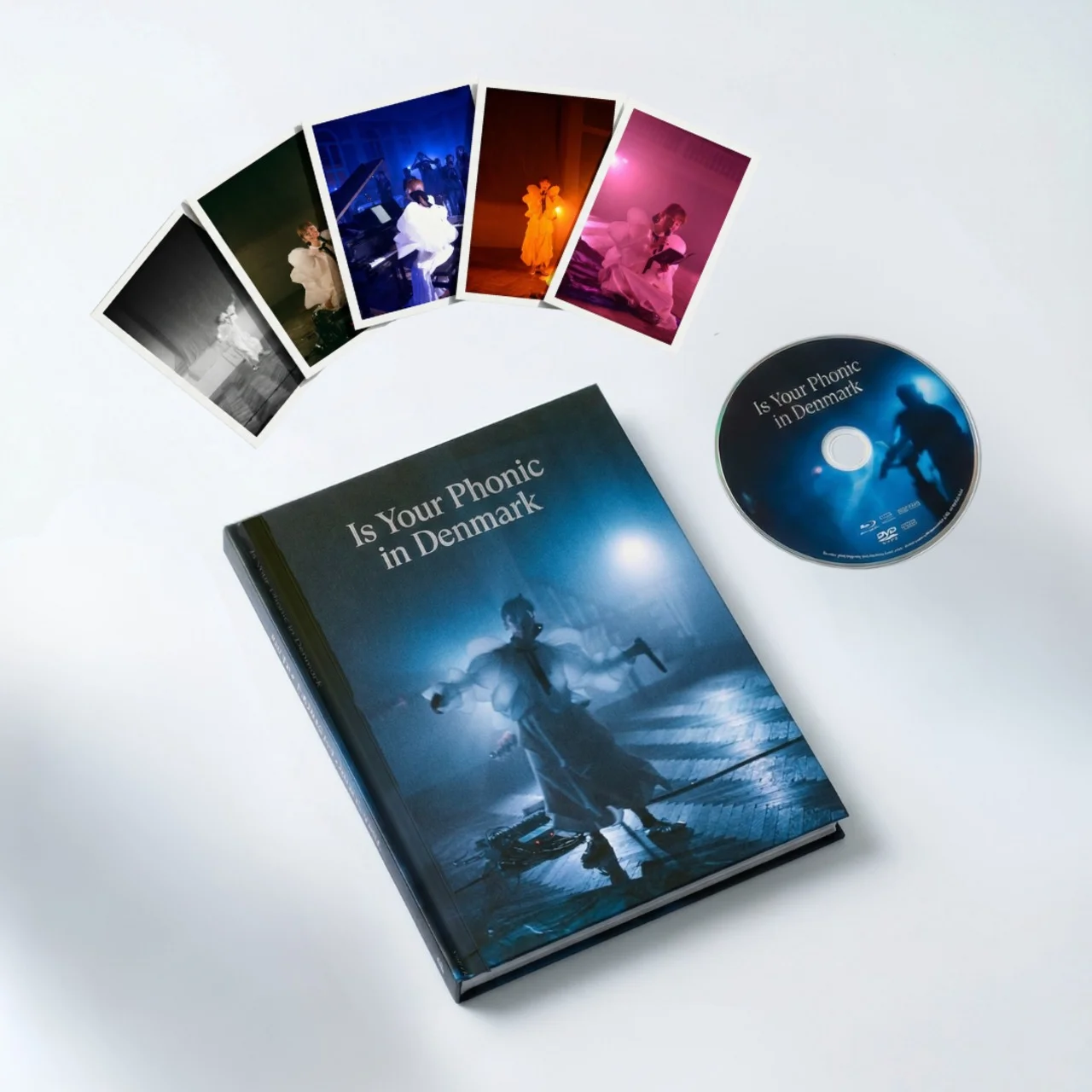
Blu-ray + Photobook – Standard Edition
¥10,000 (¥11,000 incl. tax)
https://store.bitfan.id/neats/items/27350
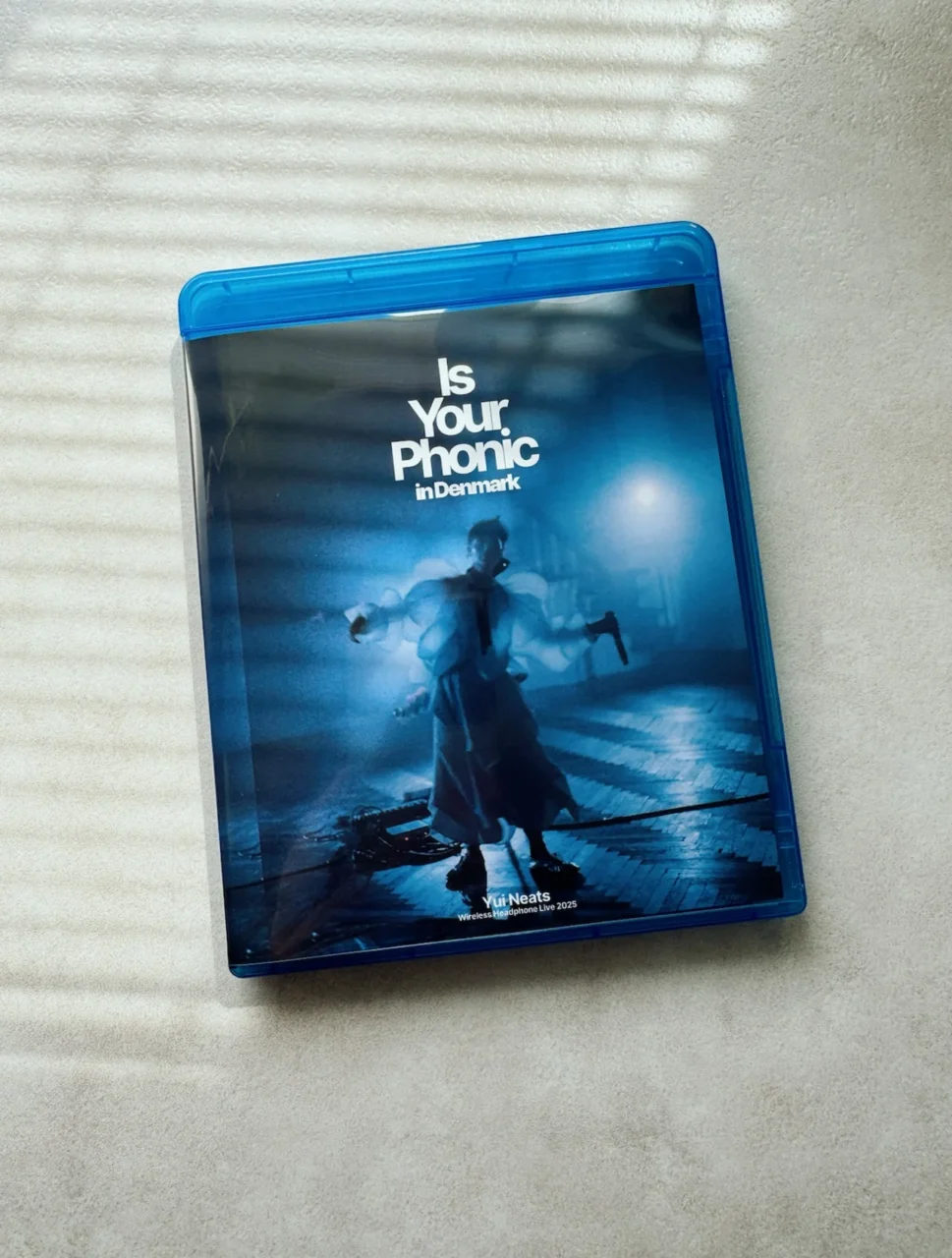
Blu-ray ¥5,000 (¥5,500 incl. tax)
https://store.bitfan.id/neats/items/27351
Yui Neats feat. Markus Artved & Hikaru Ishizaki – “In Your Wind”
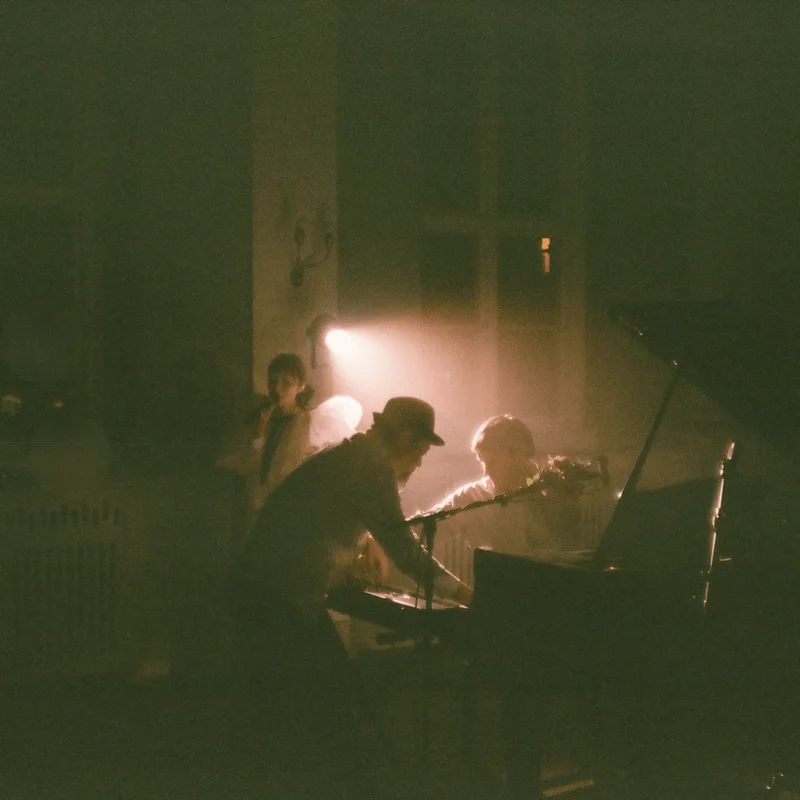
A collaborative track born out of Yui Neats’ Is Your Phonic performance in Denmark. The release features two versions: the Neatsphonic Version, produced by Markus Artved, and the Japanese Version, produced by Hikaru Ishizaki with Japanese lyrics.
Available now on major streaming platforms.
Tracklist:
- In Your Wind (Neatsphonic Version)
- In Your Wind (Japanese Version)