How should musicians work with AI? It’s a question facing artists everywhere, and Japanese musician Yui Neats has found an answer of her own: by using it to push her imagination further.
In September 2025, Neats played her first show outside Japan, Is Your Phonic, in Copenhagen. Her only previous connection to Denmark was that her sister had once studied there, and the show itself presented another challenge. Rather than a conventional concert, Neats performs an immersive live experience using wireless headphones, which meant getting a local team to understand an unusual concept from scratch. One of the tools that helped her make it happen was ChatGPT.
While the use of AI in creative work remains a subject of debate, Neats approached it almost as another version of herself, bouncing ideas back and forth and using it to expand on her own imagination. Those conversations ultimately helped turn the idea of performing in Denmark into reality.
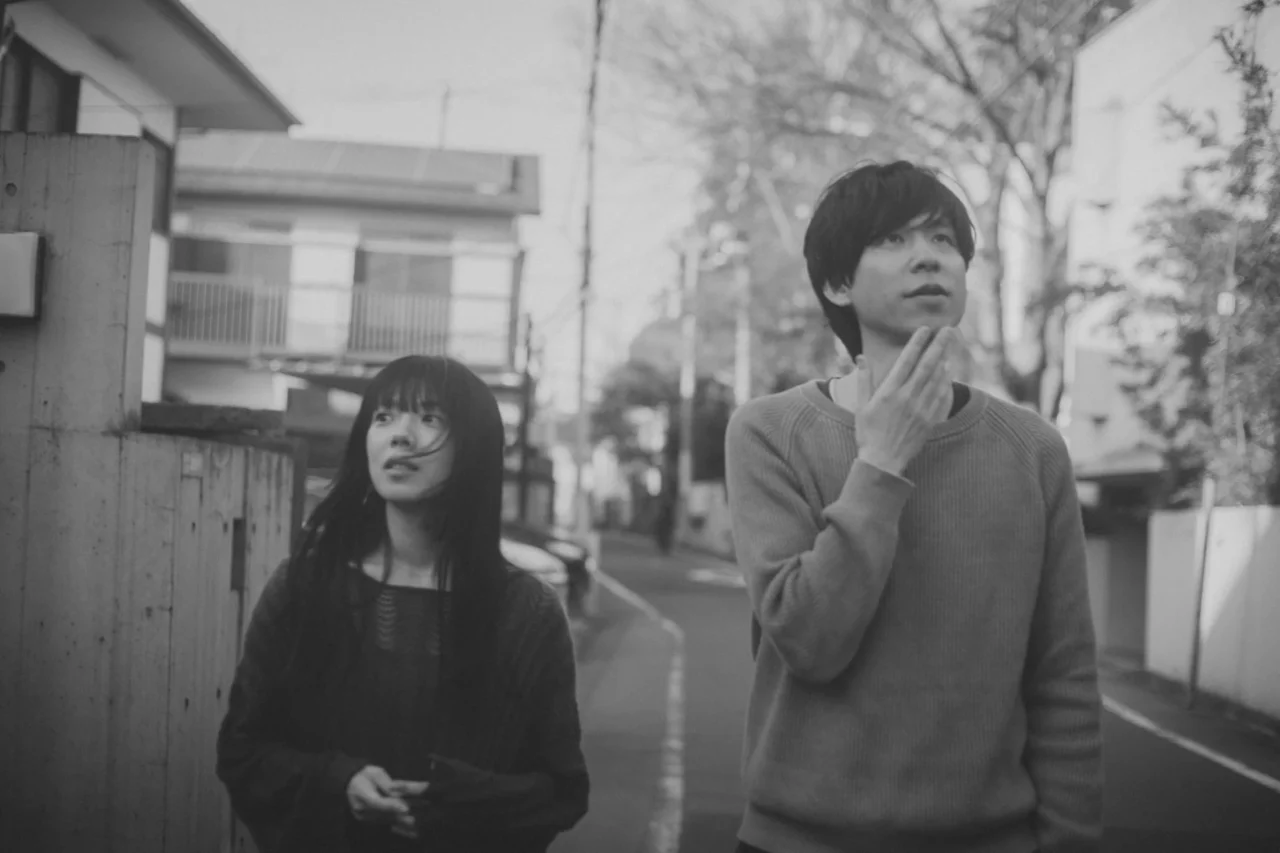
ChatGPT also played a part in connecting her with Danish musician Markus Artved, who joined Is Your Phonic as a guest and later co-wrote the new song “In Your Wind” with Neats. In June 2026, the two performed together in Japan for the first time at 360° Sound Playground “GOKKO” at ADRIFT in Shimokitazawa, Tokyo. NiEW sat down with Neats and Artved to hear the unlikely story of how AI helped bring them together — and what unfolded over the year that followed.
INDEX
Why Denmark? Taking Her Live Show Overseas for the First Time
In September 2025, you played your first show outside Japan, Is Your Phonic, in Copenhagen. What made you decide to perform in Denmark?
Yui Neats:Last May, I realized I was only three months away from turning 40. It felt like one of those milestones when, for better or worse, you start settling into your own rules and ways of doing things.
I’d been listening to different podcasts and talking to friends around my age, and I kept hearing that once you reach your 40s, you have more things to protect and it becomes harder to take on something new. But I’m the kind of person who wants to challenge those assumptions. So I thought, if anything, turning 40 was exactly when I should try something I’d never done before.
Yui:When I started thinking about what that could be, I realized I’d never sung overseas before. My younger sister had studied in Denmark, and that September we happened to have an opportunity to go there together. So I thought, “Why make it just a trip? Why not turn it into a live show?”
Denmark has always felt surprisingly close to my family. There’s my sister’s connection to the country, and my father is a designer, so I grew up sitting on classic Danish chairs that we had at home.
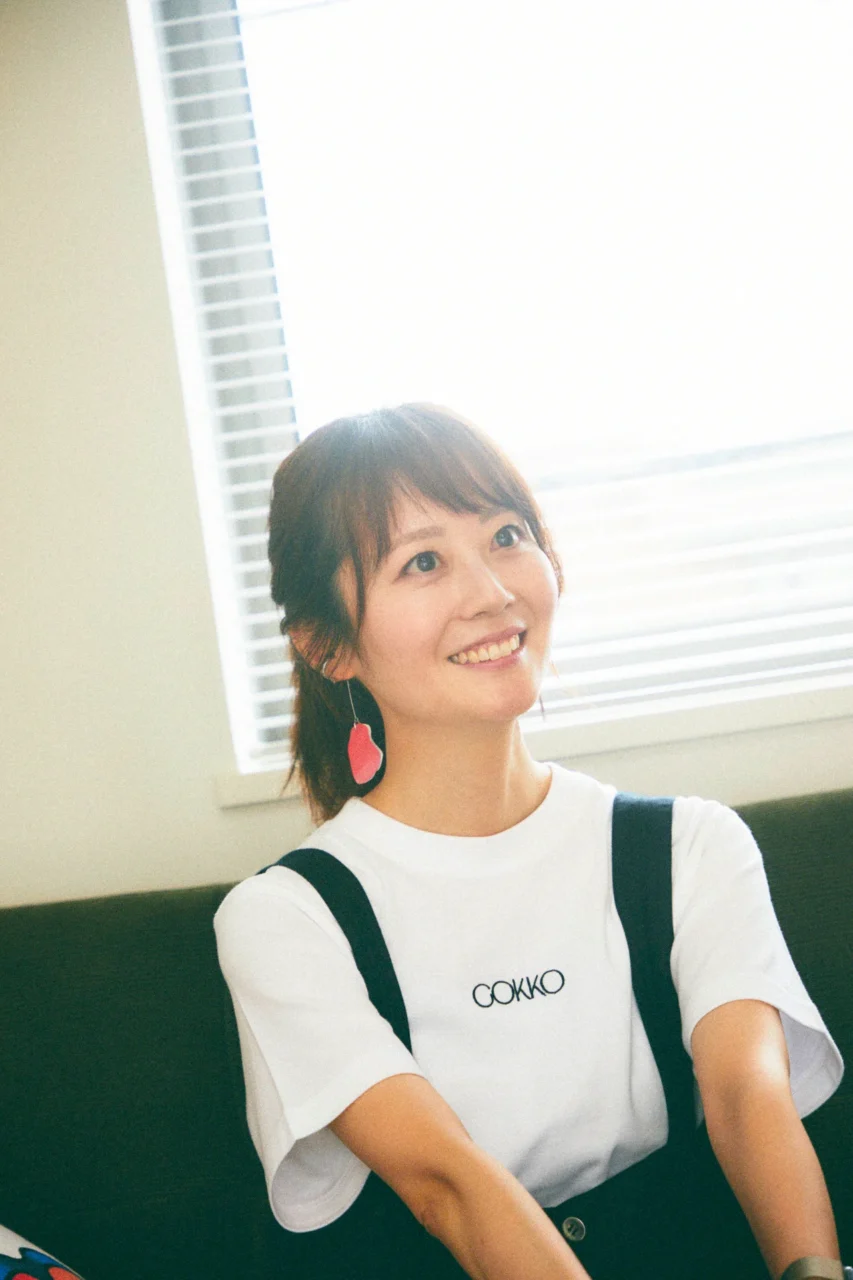
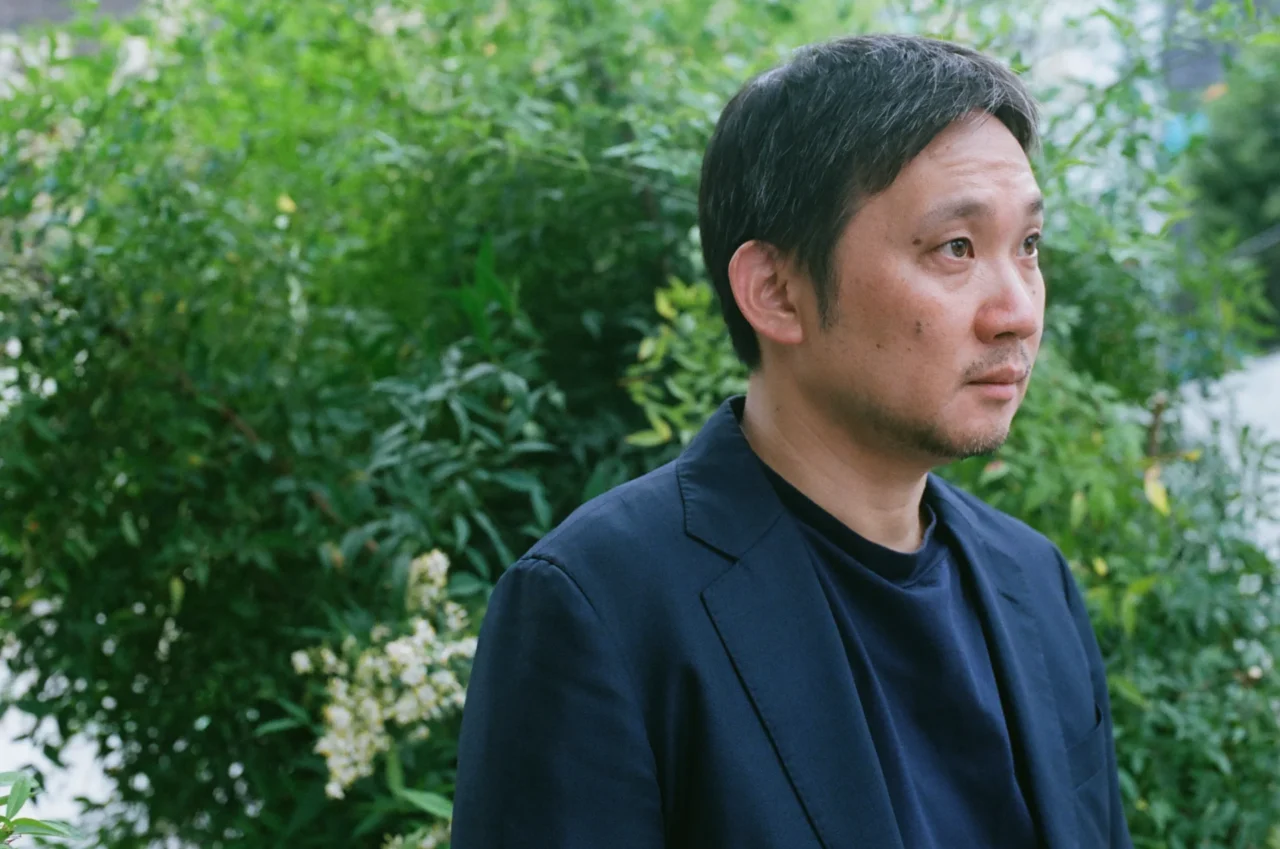
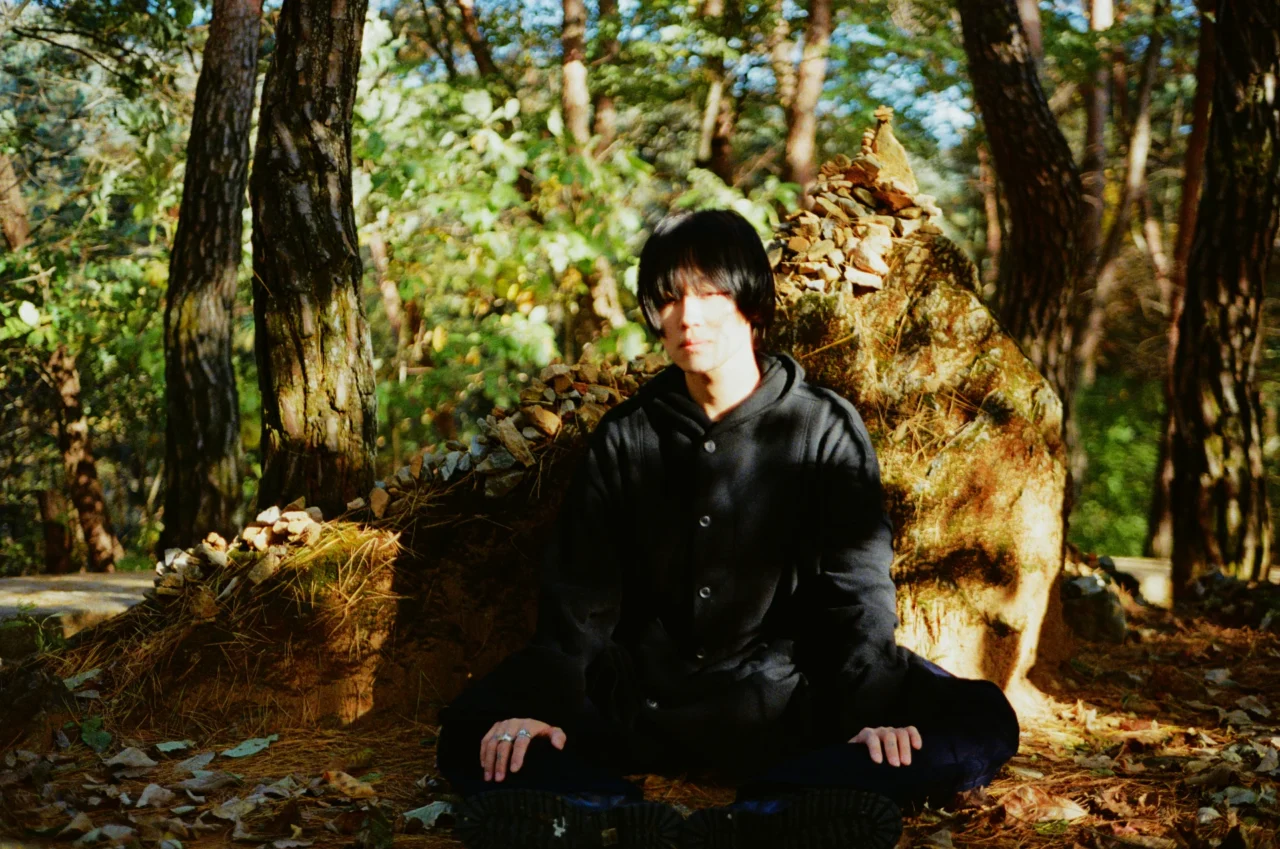
Singer-songwriter, artist, and lecturer at Showa University of Music. She made her major-label debut in 2003 as part of the singer-songwriter duo RYTHEM, which went on to create theme songs for a number of anime series and television programs. After pursuing solo work under the name Neat’s, she now performs as Yui Neats in Japan and abroad, with a focus on conceptual and immersive forms of expression.
Her signature “wireless headphone live” performances invite audiences to move freely through a space with no clear boundary between stage and audience, creating an installation-like experience where light and sound intersect. At the heart of her work is “Neatsphonic,” an imaginary musical language inspired by both her name, Neats, and NASA’s NEAT asteroid-tracking project. Through these “words beyond words,” she seeks to speak directly to something within the listener.
You’ve also said that you chose Denmark because you felt that Japan and Denmark “share a similar sense of aesthetics when it comes to music, design and society.”
Yui:I think you can see that sensibility in Danish interiors, this idea of using design to make everyday life richer. And once I actually went there, I discovered so much more.
Meeting Markus and getting to know him, for example, I felt like we had a very similar emotional wavelength.
I’ve traveled to a number of countries, and I think every culture has a slightly different emotional temperature. Some cultures are very open, while others, like Japan, tend to put a slight filter on their feelings out of consideration for the other person. Denmark actually felt quite similar to Japan in that sense.
At first, Markus and I only communicated by email, but even through his messages, he was incredibly kind. I could tell that we were both really trying to communicate how we felt. It was almost like finding a pen pal. I remember being really moved by the realization that I could have a friend on the other side of the world who felt so emotionally close.