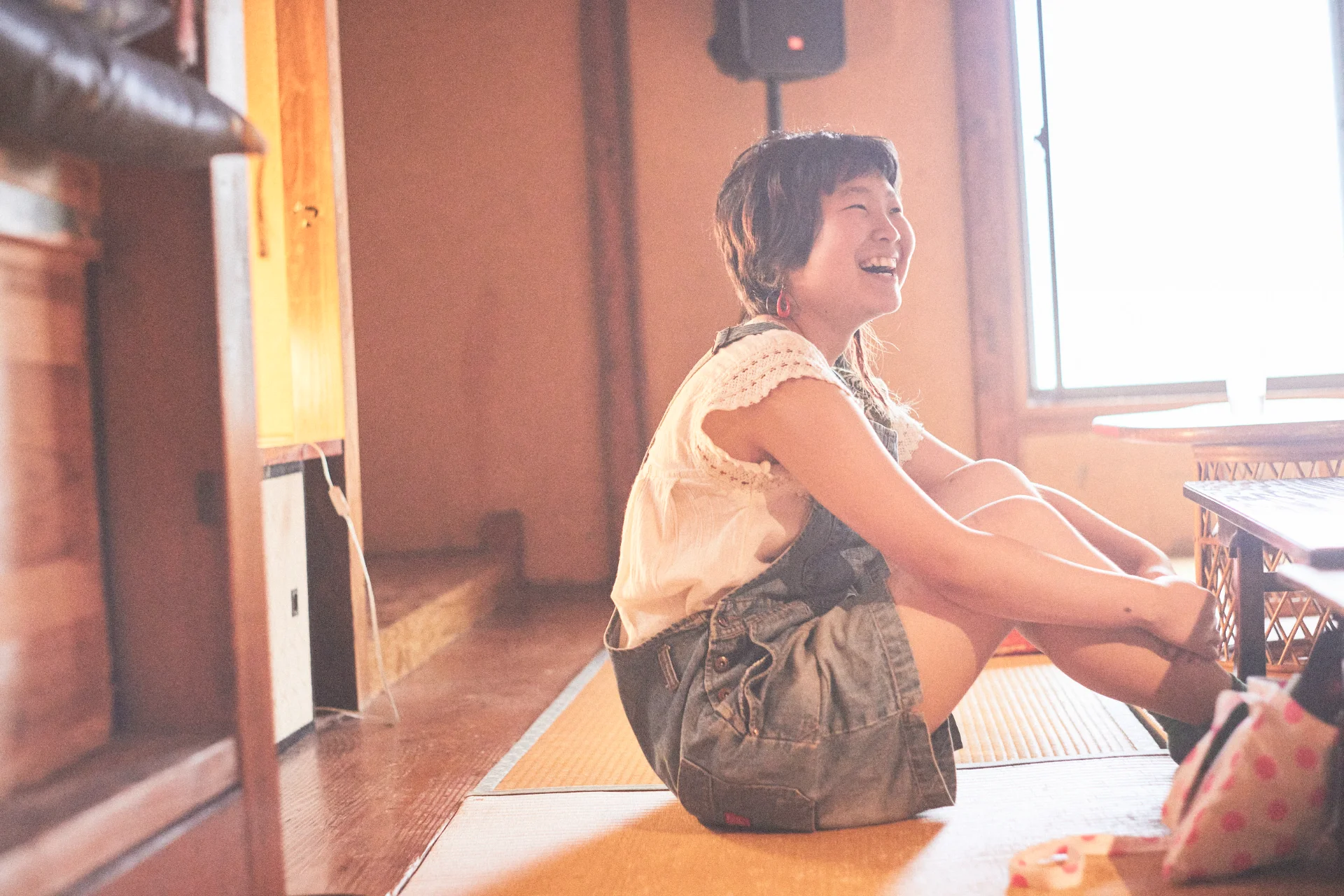
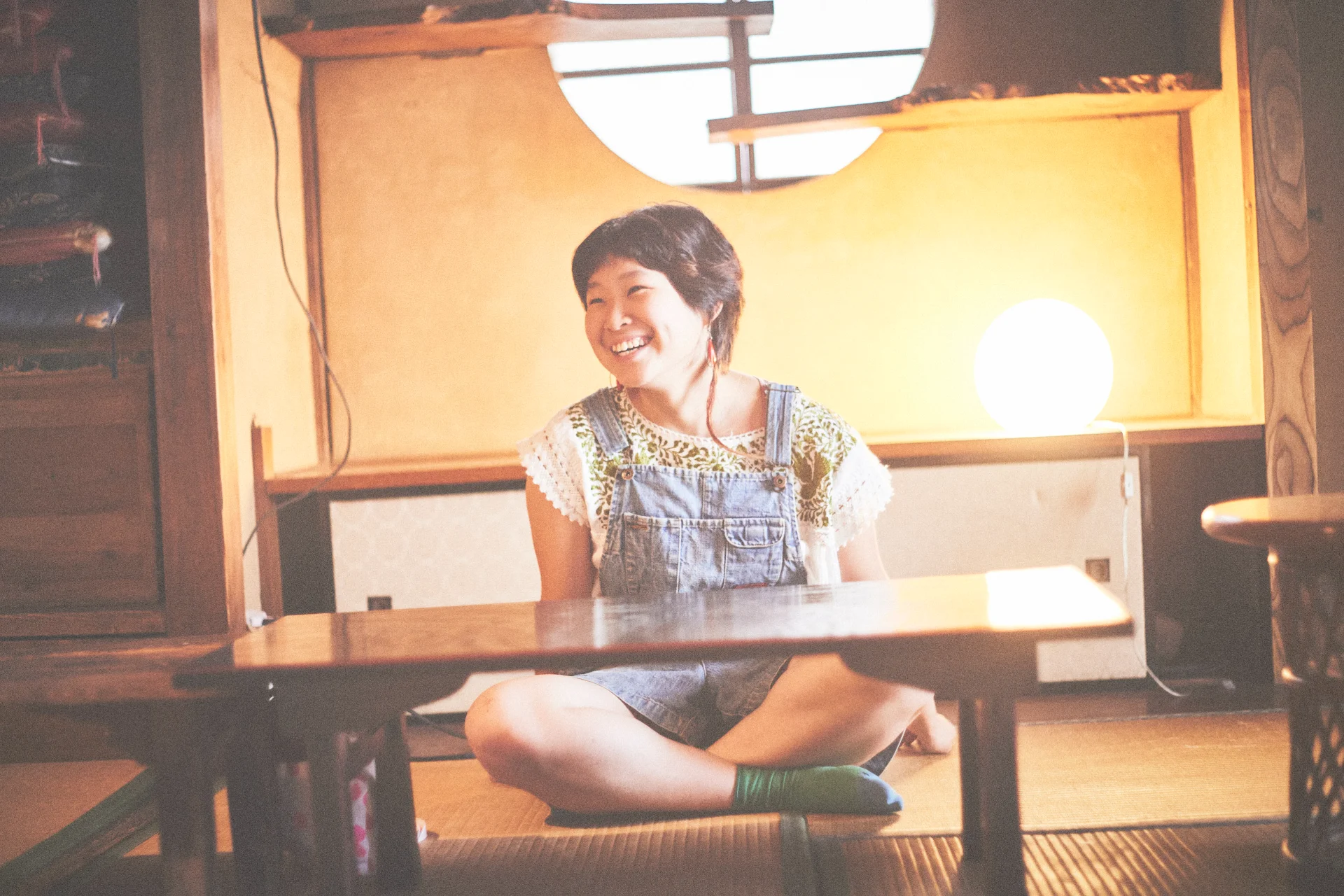
“People often tell me I’m free,” Suzu Toyama says. “But honestly, hearing that makes me feel a little lonely.”
It isn’t the response I expected. We’d been talking about how her music is often described as instinctive and unconstrained, as if she simply follows wherever inspiration takes her. But her answer suggested something more complicated. It offered a glimpse beneath the surface of songs that feel at once graceful, intuitive, and quietly fragile.
I first discovered Toyama through her 2024 debut album, Swim, after Takaaki Kandori of Hiroshima’s Stereo Records recommended it to me. Before I even pressed play, I already knew a few things about her: she was the daughter of musician Takeo Toyama; she’d spent part of her teenage years studying on her own at an alternative school in England; and she had returned to her hometown of Onomichi, where she was making music before she’d even turned twenty.
Listening to Swim, those facts suddenly made sense. Her songs are understated, almost whisper-quiet, yet there’s an unmistakable confidence running through them. For someone so young, the music feels remarkably lived-in, shaped by experiences far beyond her years. It also explained why she’d already been invited to perform at FUJI ROCK FESTIVAL ’24.
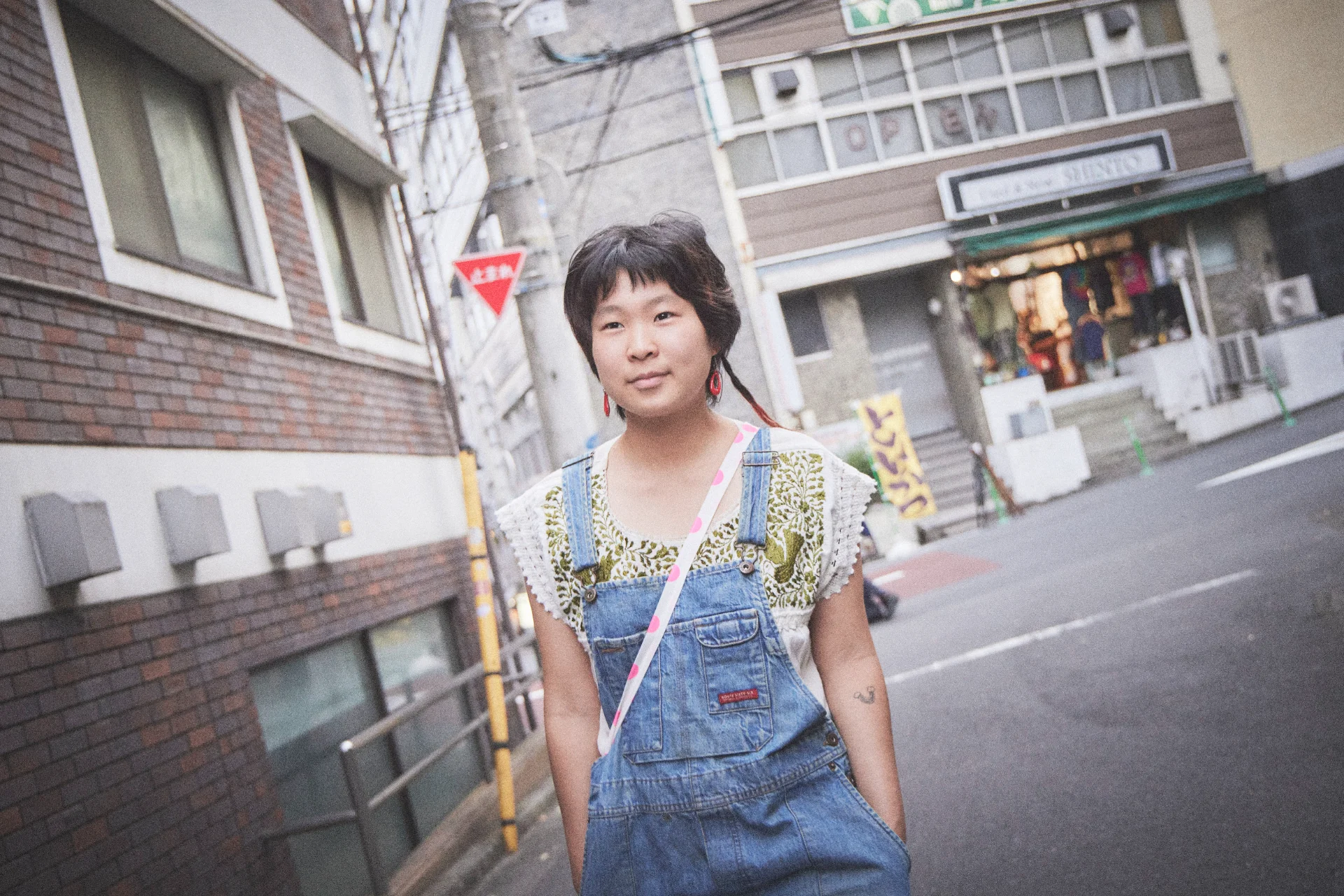
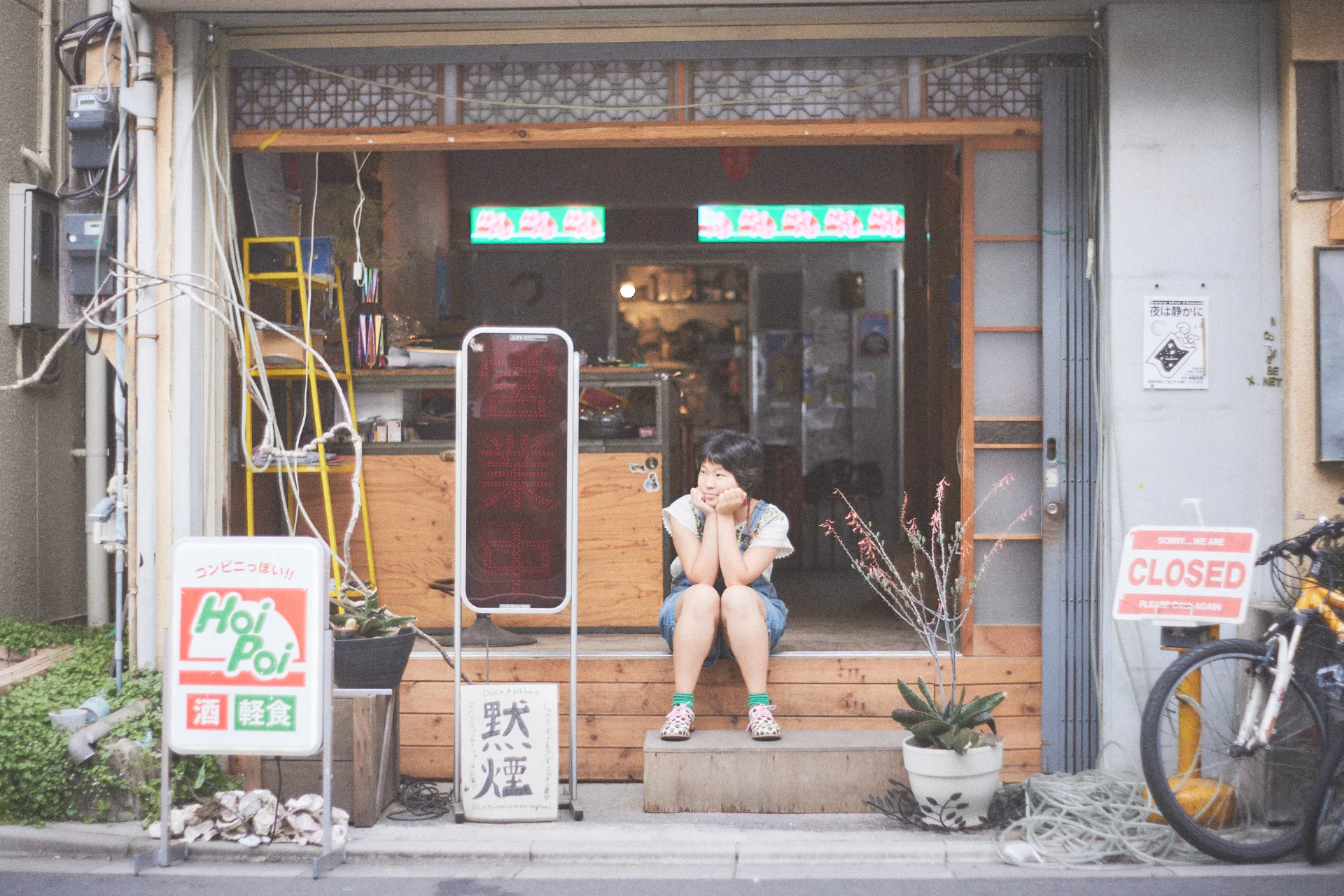
In 2025, Toyama relocated to Tokyo. These days, she splits her time between making music and working at places like HoiPoi, a community-oriented venue in Koenji. Her second album, Spin, released in May 2026, marks another turning point. It’s the first time she’s collaborated with guest musicians, and the record reflects both the life she’s left behind and the one she’s begun building in the city, its songs constantly shifting and pulling in new directions.
Remarkably, despite already releasing two albums, this is Toyama’s first interview. She speaks candidly about growing up between cultures, moving to Tokyo, discovering songwriting at a young age, and how performing as the opening act for Mei Semones deepened her awareness of the different emotional spaces that English and Japanese occupy in her music.
INDEX
Leaving Home at Ten
One of the first things people notice about your story is that you moved to England by yourself at the age of ten. Do you remember much about your life before that?
Suzu: I do, though it’s all a bit fragmented. I lived in Osaka until I was about seven, and the clearest memory I have is the tall, narrow house we lived in. I was born with severe eczema, so my body reacted to all kinds of things. At school, I always had to bring my own lunch because of food restrictions.
I think that made me pretty self-conscious around other kids. But the moment I got home, I completely let loose.
Because of my dad—he’s a musician—we always had people from the music world staying at our house. I’d go to concerts with him too. I loved being around adults who lived so freely. Looking back, I probably found it harder to relate to people my own age.
After we moved to Onomichi, I spent about a year at an alternative school while I was in fourth grade, but I eventually left. There was a period when I was mostly staying at home without much to do, and that’s when I first heard about Summerhill School.
How did you come across it?
Suzu: A girl who had graduated from Summerhill happened to move to Onomichi, where I was living, so I got to hear about it from her. At first I thought, There’s no way I’d ever go somewhere that far away. But then I started reading books about the school, and it gradually began to feel real.
She had gone there when she was ten, and I was ten too. So apparently I told my parents, “I want to go.” Apparently because I honestly don’t remember saying it. (Laughs.)
Later I found out that my mum had wanted to study in England when she was younger, but her parents wouldn’t let her. Maybe that’s why she wanted me to have the opportunity she never had.
Even though it meant going completely on your own?
Suzu: Yeah. The school isn’t in London—it’s in rural Suffolk, and it’s fully residential. It felt less like a school and more like a small village.
Not everyone spoke English fluently, myself included. There were students from all over the world, all speaking with different accents, so even the English you heard around campus wasn’t just one kind of English.
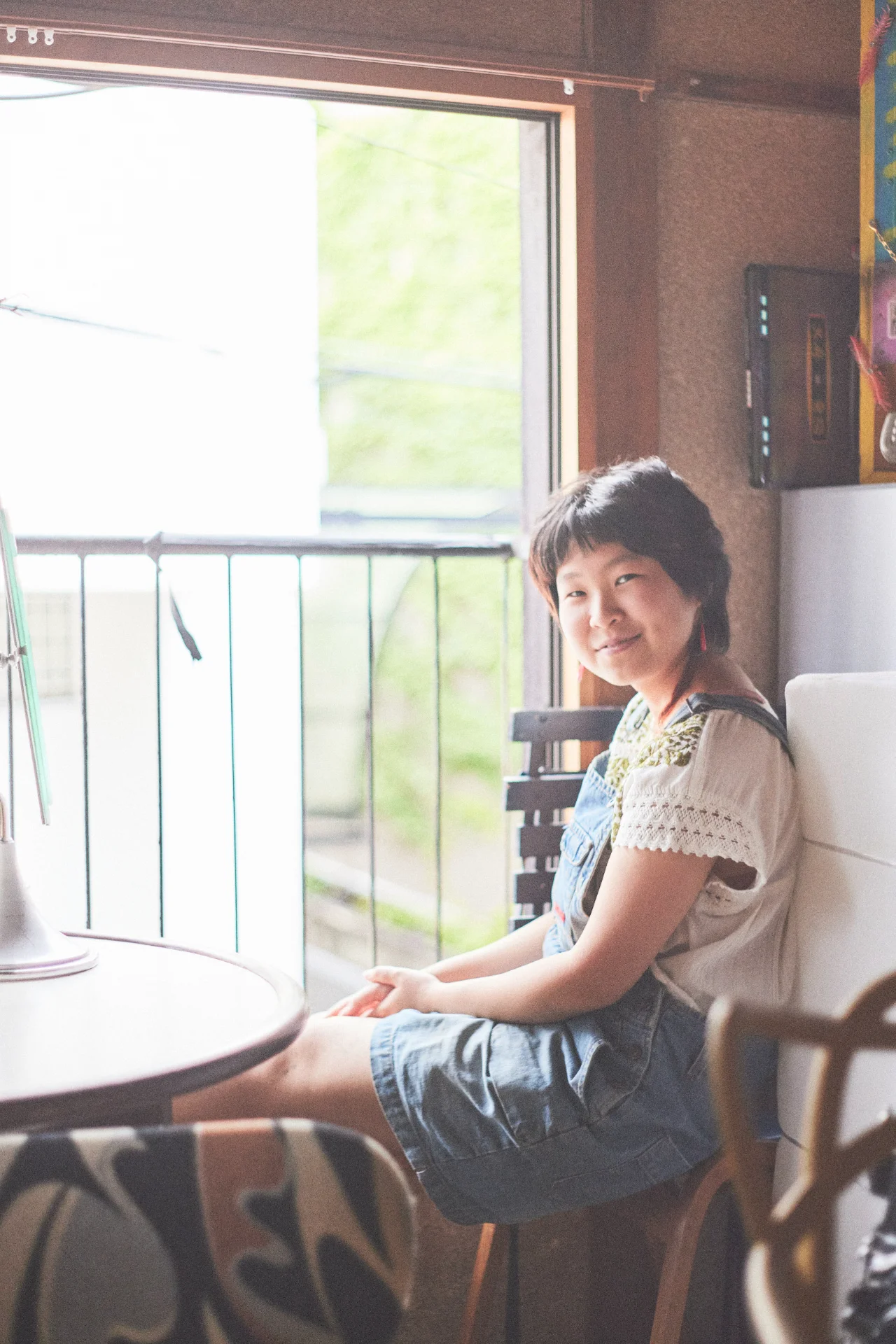
Alongside her music, Toyama creates self-directed performance pieces and visual works, which she shares on YouTube. She independently released her self-produced albums 16 sixteen and black hole on Bandcamp in 2022, followed by the home-recorded sun in 2023 and swim in 2024. That same year, she made her debut at FUJI ROCK FESTIVAL.
In January 2026, she opened for Mei Semones on the artist’s Japan tour. After returning to her hometown of Onomichi to record her next project, Toyama released her latest album, Spin, in May 2026.
What do you remember most about your first few months at Summerhill?
Suzu: At first, I was just excited. But it didn’t take long before I became incredibly homesick, and I ended up returning to Japan after my first year.
Looking back, I think everything I thought I knew about myself fell apart the moment I arrived.
Growing up in Osaka and later Onomichi, I was always surrounded by interesting adults. Whatever I did, people praised me. I was a kid who felt loved and encouraged.
Then I got to Summerhill, where there were children from all over the world, each with completely different backgrounds. Suddenly I wasn’t in an environment where adults were looking after me all the time. There were so many things outside my control, and that uncertainty made me retreat into myself. I stopped being the outgoing person I’d always been.
That was also when I developed an eating disorder. It gradually became more serious, and eventually I returned to Japan.
The year I spent back home was… pretty dark. (Laughs.)
People probably imagine your years in England as this incredible adventure, but it sounds like it was much more complicated than that.
Suzu: Definitely. But about a year later, when I was twelve, I went back to England.
What changed? What made you decide to go back?
Suzu: During that year, my family took a trip to England, and we stopped by the school. Everyone came up to me saying, “Suzu, when are you coming back?”
That really surprised me.
Until then, I’d never really felt like I belonged anywhere. I always assumed that once you left a place, that chapter of your life was over. So realizing there was somewhere I could return to—and that people genuinely wanted me back—felt completely new.
When we got home, I was the one who told my mum, “I want to go back.”
I think that was the first time it truly felt like my own decision. Once I’d chosen it for myself, I figured I might as well embrace it.
INDEX
Making Music in Hotel Quarantine
When did music become something you wanted to make for yourself?
Suzu: In a way, it’s always been part of my life because my parents are musicians. But I didn’t start making my own music until I was about fifteen.
When I came back to Japan during the pandemic, I had to spend two weeks in hotel quarantine. My mum sent me a guitar, and that’s where it all started.
I didn’t know how to play. I’d just pick out notes one by one, listening until I found a combination I liked. Whenever I stumbled across a chord that felt right, I’d either write down the finger positions or try to memorize them.
So you never really learned guitar in the traditional sense?
Suzu: Not really. I wasn’t interested in learning the instrument itself — I just wanted to make sounds. At first I watched videos by the British artist Dodie, and seeing her made me think, Maybe I could do that. She often plays very simply, picking out individual notes, and her singing is so quiet and intimate.
But honestly, I never thought of myself as a singer.
I’d always sung around the house, but it was more of a joke than anything else. It was just part of being “funny Suzu.” Singing seriously—really confronting my own emotions through my voice — felt embarrassing. I think it’s only recently that I’ve started to feel like my voice and my emotions are actually connected.
Did you share those first songs with anyone?
Suzu: (Laughs.) I posted them on Instagram. My friends would leave encouraging comments, and my mum was always saying things like, “I love this.” She’s been quietly cheering me on from the very beginning.
What were you writing about back then?
Suzu: I wasn’t trying to write about anything in particular. It was more that I was fascinated by the fact that these songs were coming out of me at all. I was just experiencing the process.
The first song I ever wrote was called “Blue Socks.” I wrote it while thinking back on my time at Summerhill, but I still don’t really know where it came from.
Even now, I don’t know where the words come from, or what I’m connecting to when I write. And maybe that’s for the best.
If I ever figured it out, I think my songwriting might be over. (Laughs.)
INDEX
Finding Confidence
Sun is the earliest album that’s currently available on streaming services, but you’d already been making music before that, right?
Suzu: Yeah. Before Sun, I released two albums on Bandcamp. 16 Sixteen was my first, which I put out on my sixteenth birthday. I recorded it alone in my room at Summerhill.
Actually… I just remembered something. (Laughs.) I had a crush on someone back then. Maybe I was trying to reach them through music.
I was also making songs in GarageBand and posting demos on SoundCloud. Later, I collected those recordings into my second Bandcamp album, Black Hole.
Around the time I released it, Takaaki Kandori, who runs the record shop STEREO RECORDS in Hiroshima, got in touch out of the blue and asked if I’d be interested in making a record.
That’s incredibly early recognition.
Suzu: He wasn’t saying, “Let’s sign you.” It was more like, “I’m curious. Tell me more about what you’re making.”
We talked a lot about Black Hole, and he really listened to how I understood the album myself. He didn’t even realize I was living in England at the time. When he found out my family was from Onomichi, he was like, “Let’s meet when you’re back in Japan.”
At the time, though, I remember thinking, Who is this guy? (Laughs.)
Was that the first time you felt people outside your immediate circle were really paying attention?
Suzu: It was exciting, but there was another moment that had an even bigger impact.
My older brother is a huge fan of the Japanese indie band Hitsujibungaku, and he sent one of my SoundCloud songs to Moeka Shiotsuka on Instagram.
She actually replied.
She said, “I don’t usually respond to messages like this, but I thought your music was wonderful.”
Then she shared my song “Bicycle” on her Instagram Stories. That’s why it’s still the one track on my SoundCloud with way more plays than everything else.
That was probably the first time I thought, Wait… maybe I can actually do this.
But you were still living in England at that point.
Suzu: Yeah. I wasn’t planning to come back to Japan.
Maybe because I was watching everything from so far away, none of it felt overwhelming. I could see these things happening without feeling pressured by them.
It wasn’t until I returned to Japan in 2024 that I really committed to music.
Before that, I wanted to do something completely different. My parents are musicians, so in my mind, music belonged to them. I wanted to find something that was mine.
After graduating from Summerhill, I enrolled in an art course at a university in London, but I wasn’t happy there at all. Eventually, I admitted to myself that what I really wanted was to come home.
What wasn’t working for you in London?
Suzu: I didn’t have a community. I didn’t really have a place where I felt I belonged.
I’d been living away from my parents since I was ten, surrounded by other kids at boarding school. Then suddenly I was at university with people who were still living with their families. We were in completely different places in life.
I was determined to make it work in London, so going back to Japan felt like admitting defeat.
I started going to open mic nights at pubs, hoping I’d find people I connected with. But looking back, I don’t think the music I was making was honest yet. I was trying too hard, and people could probably feel that.
Eventually, I hit my limit and came back.
Was that the period when you made Sun?
Suzu: Yeah. I recorded that album in the house where I was staying in London.
When you listen back now, do you hear that struggle in the record?
Suzu: Definitely. I think every album comes from some kind of internal struggle. Spin did too.
But Sun is different. (Laughs.) I think I was trying a little too hard to be cool.
Living in London had changed me, and I felt this pressure to prove myself through music.
The songs I uploaded to SoundCloud and Bandcamp before that were much more instinctive.
These days I overthink everything, so I almost feel jealous of the person who made those early recordings.
Then came swim, which you recorded after deciding to return to Japan.
Suzu: The songs on swim were written during that period between London and Japan. After I came home, my dad recorded them for me.
At the time, I kept thinking about swimming—or maybe more accurately, drowning.
It felt like I’d gone out into the ocean, only to realize it was much bigger than I’d imagined.
Was that your first time recording with your father, Takeo Toyama?
Suzu: Yeah. Since he recorded it, everything immediately sounded better. Up until Sun, I’d been recording everything on my laptop.
It was also around then that I started thinking about the fact that people were actually listening.
Making songs suddenly felt more significant.
When I first started writing, I didn’t even keep track of the chords I was using because I never imagined I’d perform the songs live. There are still some early songs that I can’t even play anymore because I genuinely don’t remember how I wrote them.
INDEX
Starting Over in Tokyo
What led you to move to Tokyo?
Suzu: I’d always wanted to experience living on my own. I also considered Hiroshima and Osaka.
For a long time, though, Tokyo felt almost too obvious. It was similar to how I used to think about music. Because my parents were musicians, I convinced myself that music belonged to them, not me. I think I felt the same way about Tokyo—it was so central, so iconic, that I couldn’t quite imagine it as somewhere I belonged.
After moving back to Onomichi, there was a period of about three months when I wasn’t really doing anything. Then my mum casually suggested, “Why don’t you try living on your own?” So I started looking for apartments online.
It reminded me of when I was ten and suddenly decided I wanted to go to England. Later, when I came to Tokyo for a show, I viewed a few apartments and made my decision almost immediately. The moment I walked into one of them, I could picture myself living there.
That was all I needed.
Has living on your own changed the way you make music?
Suzu: Completely. I’m having the best time of my life. (Laughs.)
I’ve surrounded myself with the cafés I love, friends I genuinely care about, and all these little things that make me feel at home.
When I was in England, my parents still had a huge presence in my life, even from afar. Part of what made me homesick was constantly thinking about them because they weren’t there.
Now I feel like I’m zero years old again. (Laughs.) Like, My life is finally starting.
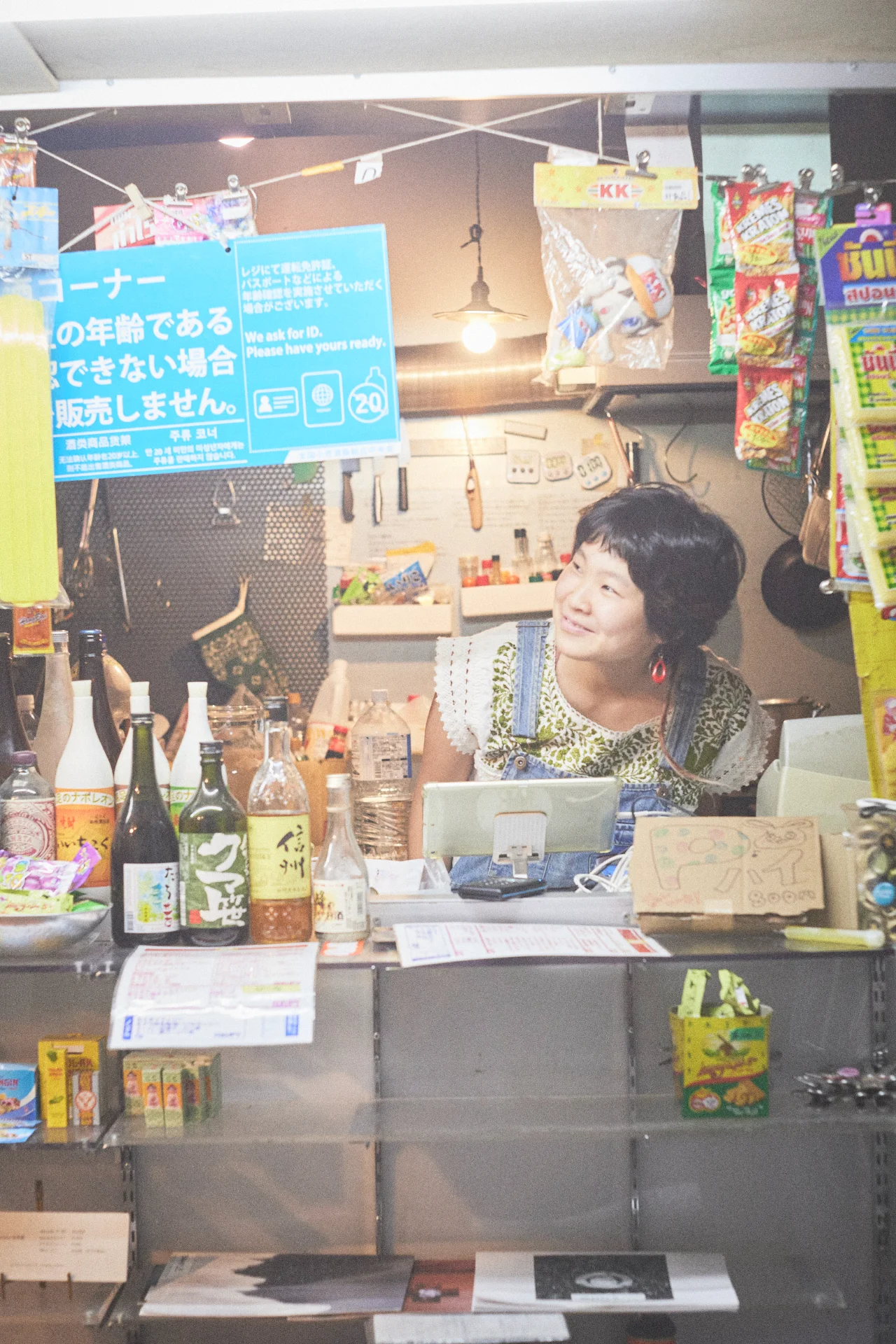
The people I’ve met through my job at HoiPoi have been especially important. They’re the kind of people who make me feel like I don’t have to be anyone other than myself.
My other part-time job is much quieter, and I actually like having both. I’ve finally reached a point where I can choose the balance that feels right for me. Having that sense of control makes me feel secure.
Would you call that freedom?
Suzu: These days, I almost feel so free that I don’t need to think about freedom anymore.
Moving to Tokyo made me much more comfortable with simply saying, “Let’s just try it.”
People often describe your music as feeling very free. Do you see yourself that way?
Suzu: (Laughs.) People say that a lot.
But honestly, whenever someone tells me, “You’re so free,” it makes me feel a little lonely.
It feels like they’re drawing a line between us — as if they’re saying, You’re different from me.
I’m definitely freer now than I was when I lived in England, but I still don’t think of myself as a particularly free person.
Maybe what I’ve really found isn’t freedom so much as the ability to stay present.
Since moving to Tokyo, finding a sense of belonging has probably become the most important thing in my life.
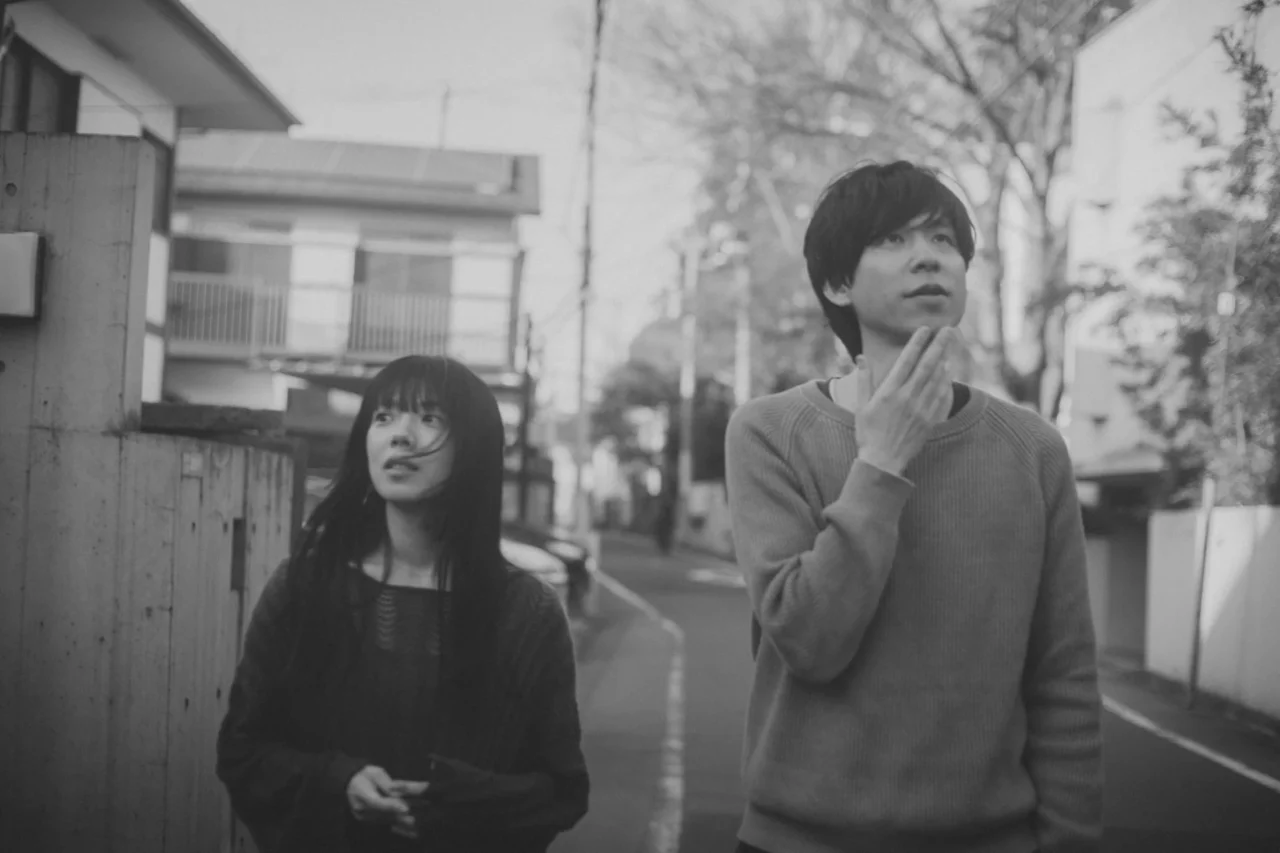
I still worry about the future, and I still catch myself dwelling on the past. But the friends I’ve met here—and Emi Yanase, who I’ve recently started performing with as a duo — are all searching for their own version of freedom too.
Realizing that has made me feel much less alone.
— What do you mean by that?
Suzu: I’d like to believe that both you and I can become free.
When someone tells me, “You’re so free,” I think it probably means they’re searching for that feeling themselves.
So if my music somehow makes them feel, Maybe I can be free too, then that makes me really happy.
The truth is, everyone has their own version of freedom.
We’re constantly showing each other different ways of living and different ways of being free.
I don’t think some people are free while others aren’t.
We’re probably all free in our own ways, and we’re probably all struggling in our own ways, too.
INDEX
Between Two Languages
Listening to Spin, I had the sense that you’re revealing more of yourself than before. Maybe it’s because there are more songs in Japanese, but your thoughts seem more direct. Do Japanese and English lead you to say different things, or are they ultimately saying the same thing?
Suzu: (Laughs.) Sometimes I think, I’m always saying the same thing.
I always seem to arrive at the same place.
The content doesn’t really change, but the sound of the language changes, and so does the way I use my voice. So even if I’m expressing the same feeling, what I pour into it is different.
Even recently, when I was writing a new song, I couldn’t decide whether it wanted to be in Japanese or English.
It’s like there are two taps. If I turn on the English tap, English comes out. If I turn on the Japanese tap, Japanese comes out.
Now that I can do both, I actually don’t feel very free. (Laughs.)
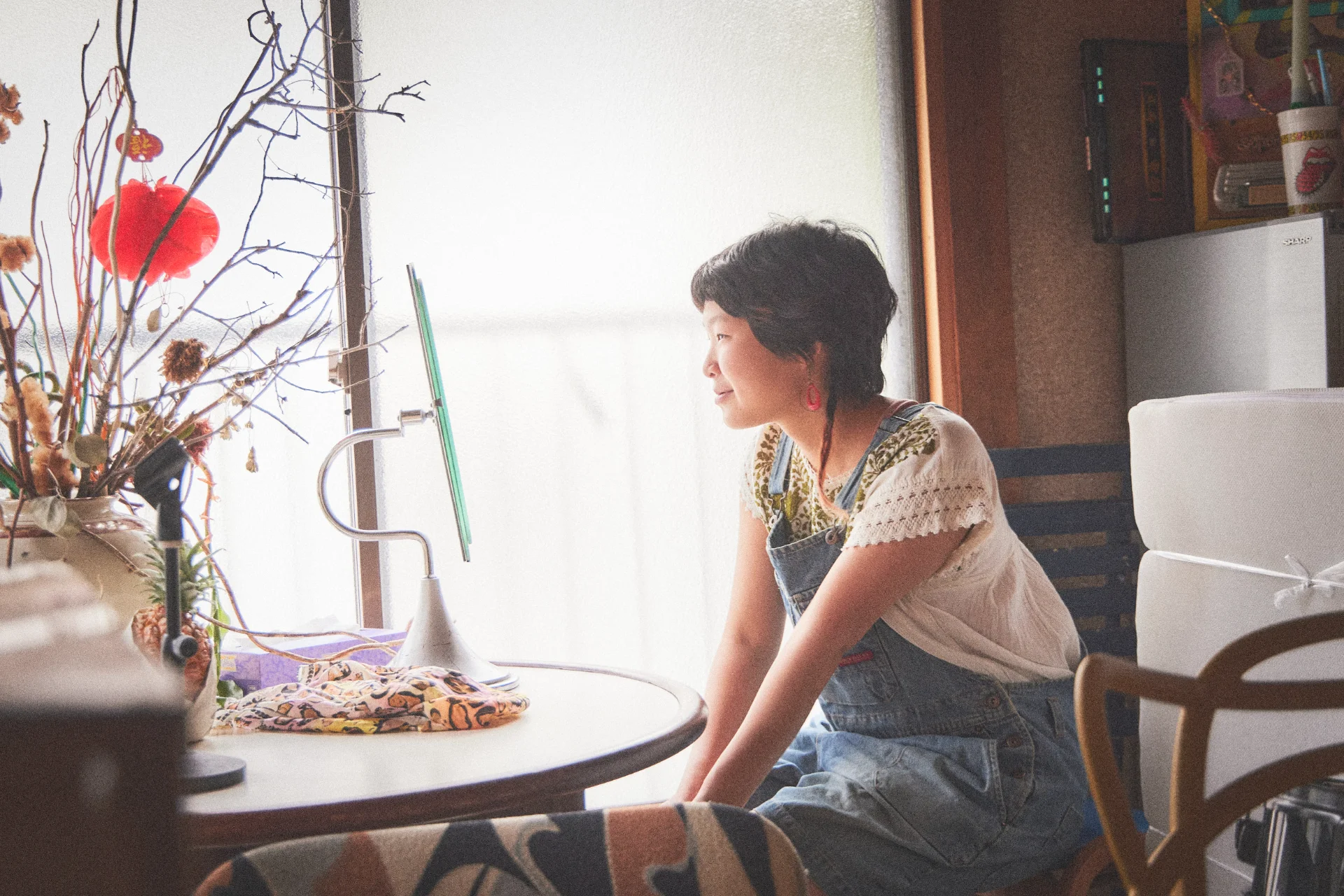
That’s interesting. Why does having both options make you feel less free?
Suzu: Because if it were only one language, I could give myself to it completely.
Being able to write in both also means I can’t fully commit to either.
When I write in Japanese, I’m also drawing on the Japanese music I’ve listened to. There aren’t that many reference points for me — artists like Fishmans, for example—so I think the way I use words is influenced by the music I’ve loved.
I’m writing with a pretty limited vocabulary, so it often feels like the words come more from memory than from lived experience.
With English, I feel like I can write more directly from my own experiences.
Earlier this year you performed with Mei Semones, whose songs move naturally between English and Japanese. Did that make you think differently about your own relationship with the two languages?
Suzu: I’ve thought about that a lot.
To me, the way English and Japanese coexist in Mei’s music feels much more integrated than it does in mine. For her, the two languages seem as close to each other as home and friends. For me, English belongs to my life in England, and Japanese belongs to my life in Japan. They’re completely separate worlds. I’m the only thing connecting them. Once one language takes over, I can’t really exist in the other.
That’s something I think is very different between us.t from May.
It almost sounds as though Japan has become memory, while England remains lived experience. Maybe one day those roles will reverse.
Suzu: What that makes me realize is that there’s a version of me that exists between those two worlds. They never completely overlap. There’s just this incredibly lonely version of myself in between them. Maybe that’s where all my songs come from. In the end, I’m neither one nor the other. And maybe that’s when I feel the freest.
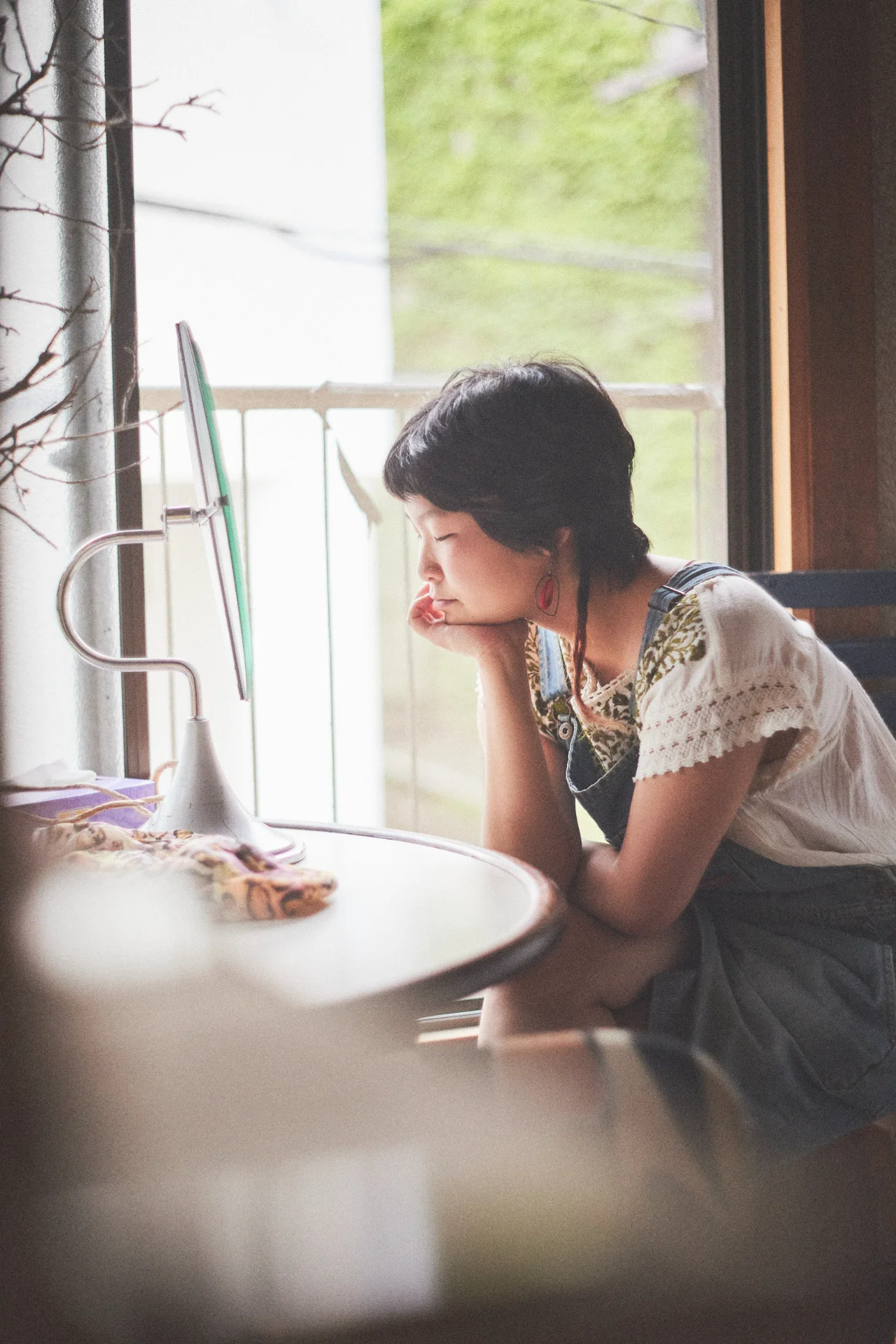
Hearing you say that, songs like “Nobody Now / だれでもなくなった,” the closing track on Spin, feel even more poignant.
Suzu: Yeah. But recently I’ve started thinking there might be another way of being. My dad, Emi, and a lot of other people took part in making Spin, and I think the album opened me up a little—to other people, and maybe to society as well. Making an album with other people means you have to throw your songs to someone else and wait for something to come back. At first, that was really scary. But little by little, we built trust. Spin was actually the first album I’ve ever been able to listen to after finishing it. Before that, I was always too scared. I’d release it and think, Okay, goodbye. I think that’s how I’d treated places where I belonged, too.
Was that because, for the first time, you were able to face your own music?
Suzu: I think so. Maybe I’ve become a little more human. (Laughs.) I’ve finally realized that life isn’t going to end just because I want it to. For a long time, part of me wanted everything to be over as quickly as possible. But I’ve come to accept that time keeps moving whether I rush or not, and that my body is going to stay with me until the very end. I can’t just float away that easily. Something about that finally clicked. I’ve also become a little more accepting of the fact that there are things I simply can’t control. That’s what Spin means to me. It’s the beginning of a rotation. Things have only just started moving. I keep thinking, I’m really just a baby. Music has been waiting for me much more patiently than I ever realized. I don’t have to rush. It’s okay to live my own life. That’s what Spin feels like to me—the beginning of that realization. I’m still struggling, but releasing this album has made me feel much more open. I think music will keep coming from somewhere inside me.
Are you already beginning to see what’s beyond Spin?
Suzu: Yeah. But I’m someone who thinks too much. When I’m happiest — when I feel most like myself — I’m not really thinking at all. I’m just feeling. When I made my first album, I wasn’t afraid of anything. I never hesitated to put it out. I think I’m starting to see a way back to that.
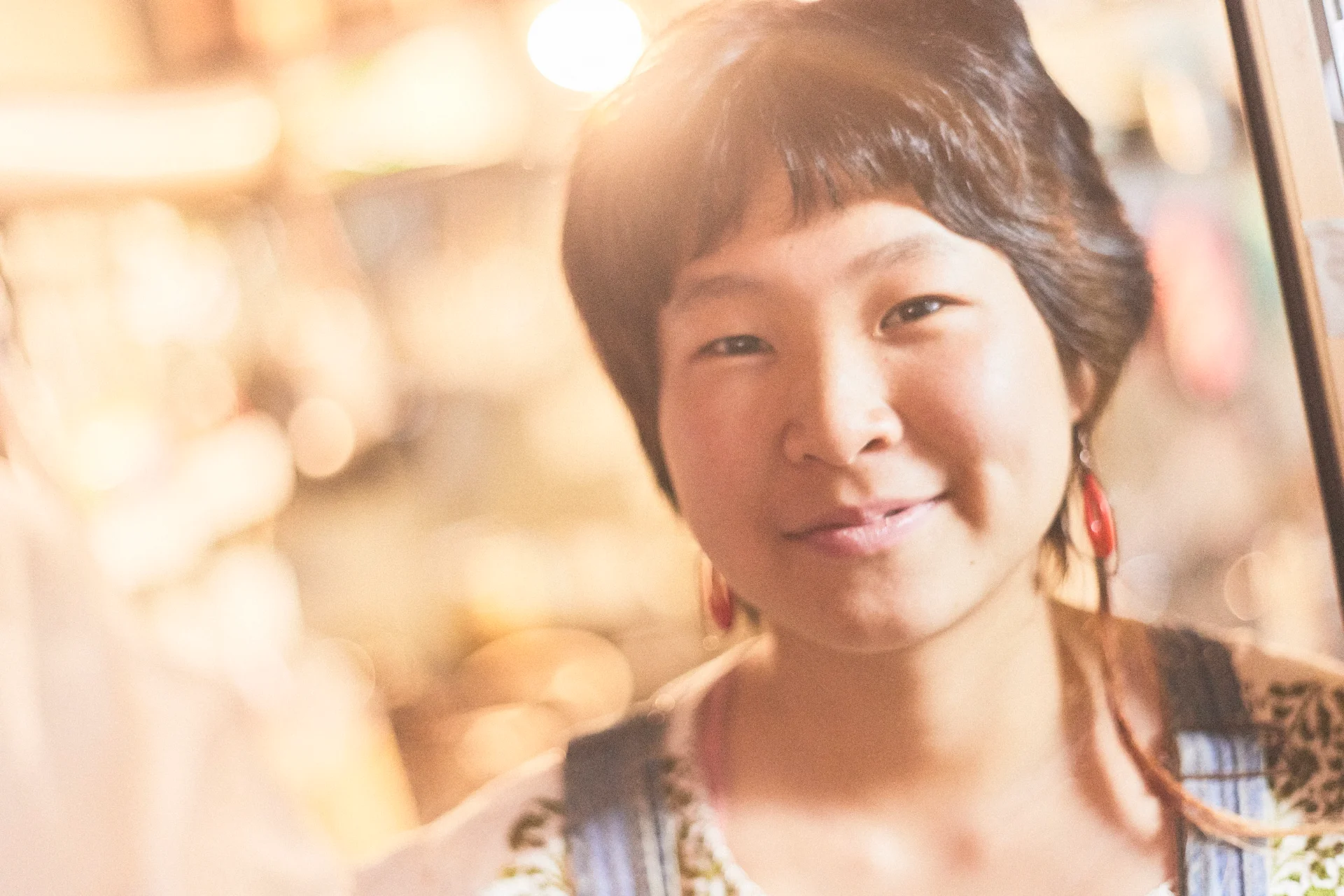
Suzu Toyama New Album “Spin”
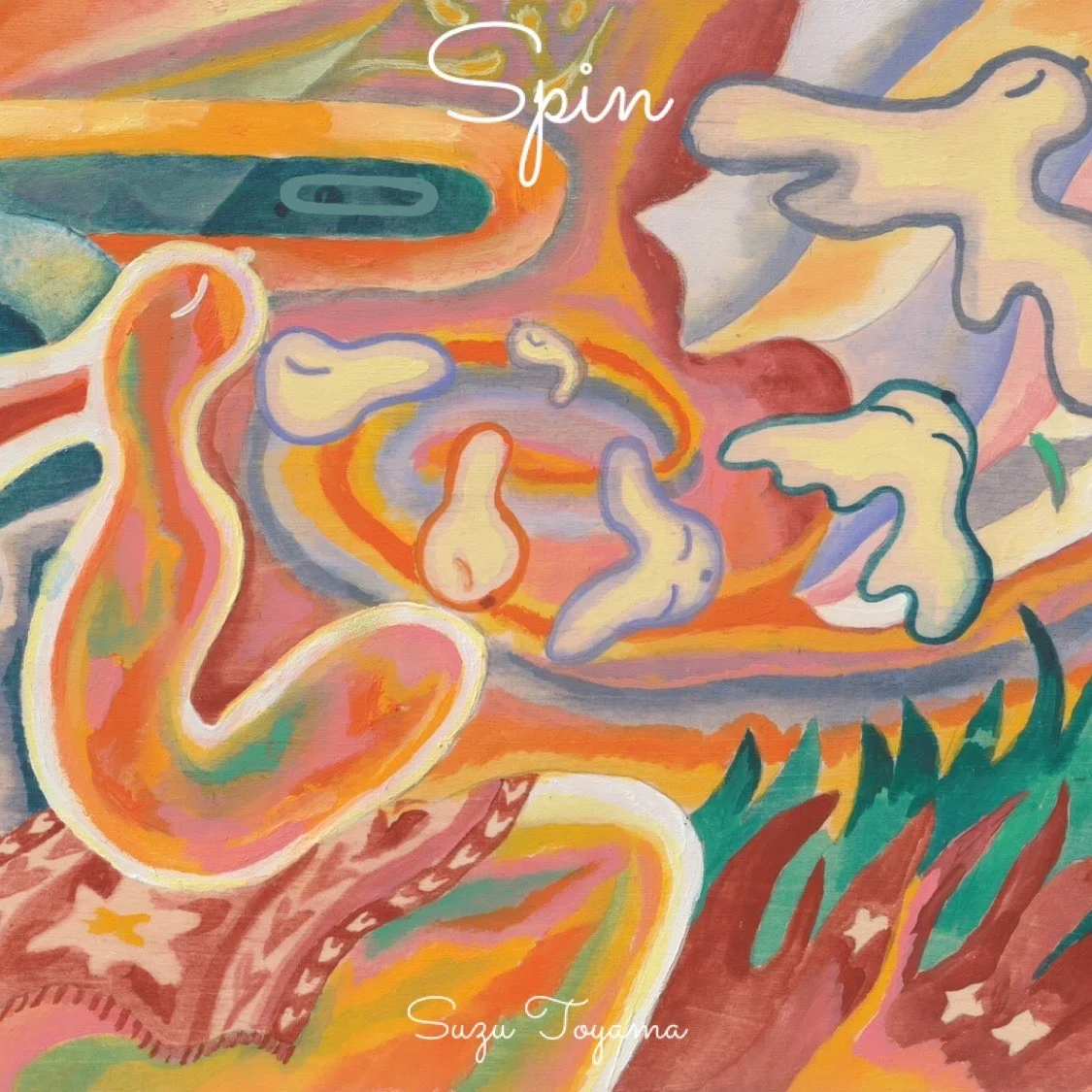
- From The Stars
- In Your Eyes
- Shiranai
- Dawn
- Reason
- Fly
- Dance
- How Did I Get Here
- Nobody Now
Songwriting, vocals, guitar: Suzu Toyama
Euphonium, backing vocals, triola, cowbell: Emi Yanase
Bass, conga: Hibiki Yoshihara
Piano, keyboards: Takeo Toyama
Recording, mixing: Shinya Wada
Recorded at the Former Toyama Residence in Onomichi
Mastering: Tsubasa Yamazaki at Flugel Mastering
Artwork: adim