What does it take for Japanese artists to build meaningful careers beyond their home market?
That question was at the heart of CUEW Showcase & Conference, held at Dragon Gate in Shibuya, on April 9 and 10, 2026. Across two days of showcases, panel discussions and networking, the event brought together artists and music industry professionals from Japan and around the world to explore new opportunities for international collaboration, touring and career development.
Drawing on selected conference sessions and interviews with three international delegates, this report highlights key conversations and practical insights from this year’s conference, offering a closer look at how CUEW is helping connect Japan’s music ecosystem with the global music industry.
INDEX
CUEW Expands Its Global Network
CUEW is a platform that showcases the talent of Japanese and Asian artists to the world. Its mission is to create a space where Japanese and Asian artists can seize opportunities to transform their careers and grow into future headliners.
At the inaugural showcase event in 2025, music industry professionals from eight countries were invited as delegates (representatives of organizations or teams) to participate in a two-day program featuring conferences, networking events, and live showcases.Since then, concrete results have emerged, such as Sakura Fujiwara’s performance at a festival in Egypt and soraya’s solo concerts in Hong Kong and Taiwan.
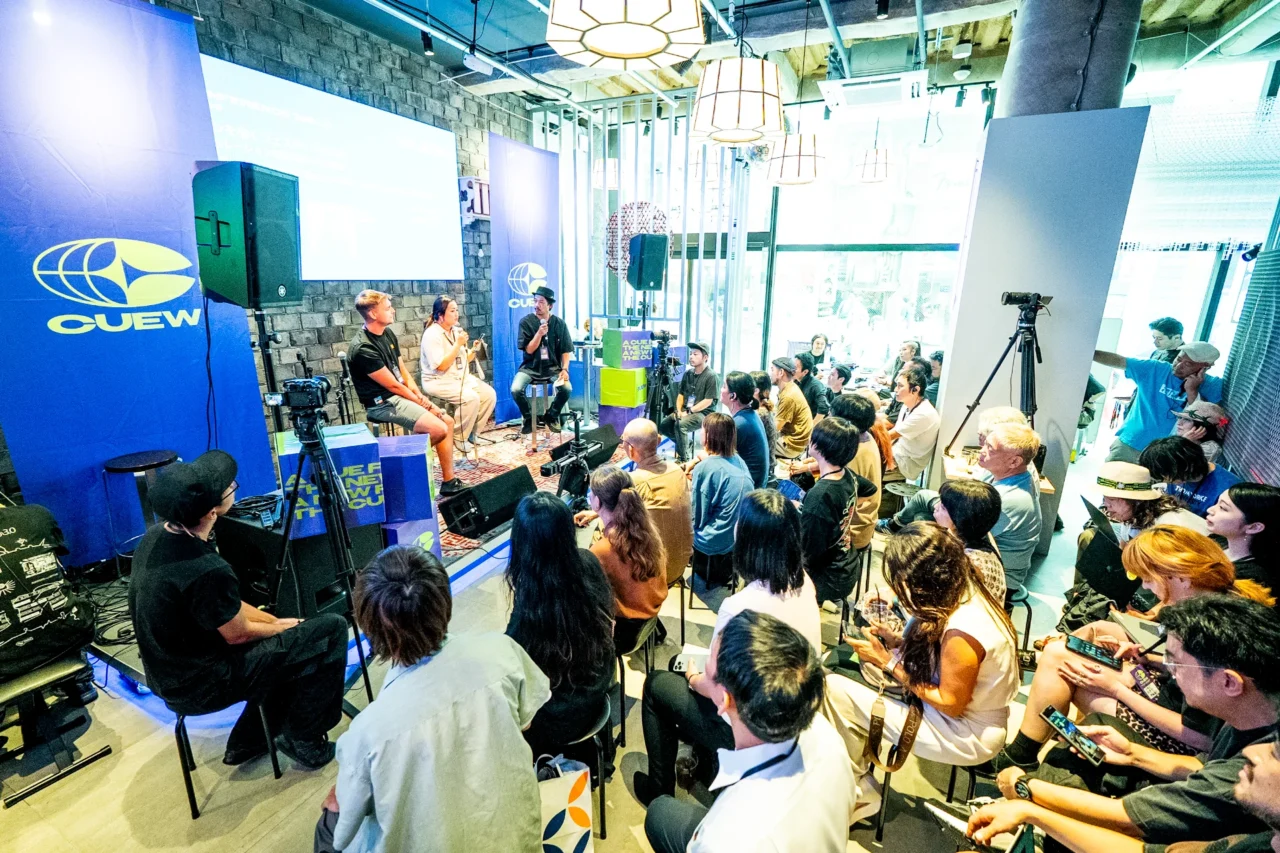
For its second edition, CUEW expanded significantly while continuing its partnership with the Japan Foundation (JF). Nearly 100 delegates from more than 20 countries — including South Korea, Thailand, Taiwan, Indonesia, the UK, the US, France and Germany — gathered in Tokyo, bringing together festival programmers, booking agents and other music industry professionals at the forefront of the global live music scene.
The conference also partnered with the urban music festival SYNCHRONICITY, held on April 11 and 12, giving delegates the opportunity to experience live performances by artists featured on the festival lineup and discover emerging talent firsthand.
INDEX
Building Japan’s Showcase Ecosystem
While showcase festivals such as SXSW and The Great Escape are firmly established in other markets, Japan’s showcase ecosystem is still developing. CUEW was created in part to help build that foundation and open up new pathways between Japanese artists and the international music industry.
Throughout the event, delegates took part in panel discussions, one-on-one Speed Meetings, networking receptions and direct exchanges through the event’s dedicated app. Artists, managers, labels, booking agents, promoters, festival programmers and media representatives all gathered under one roof, creating a space for meaningful industry connections.
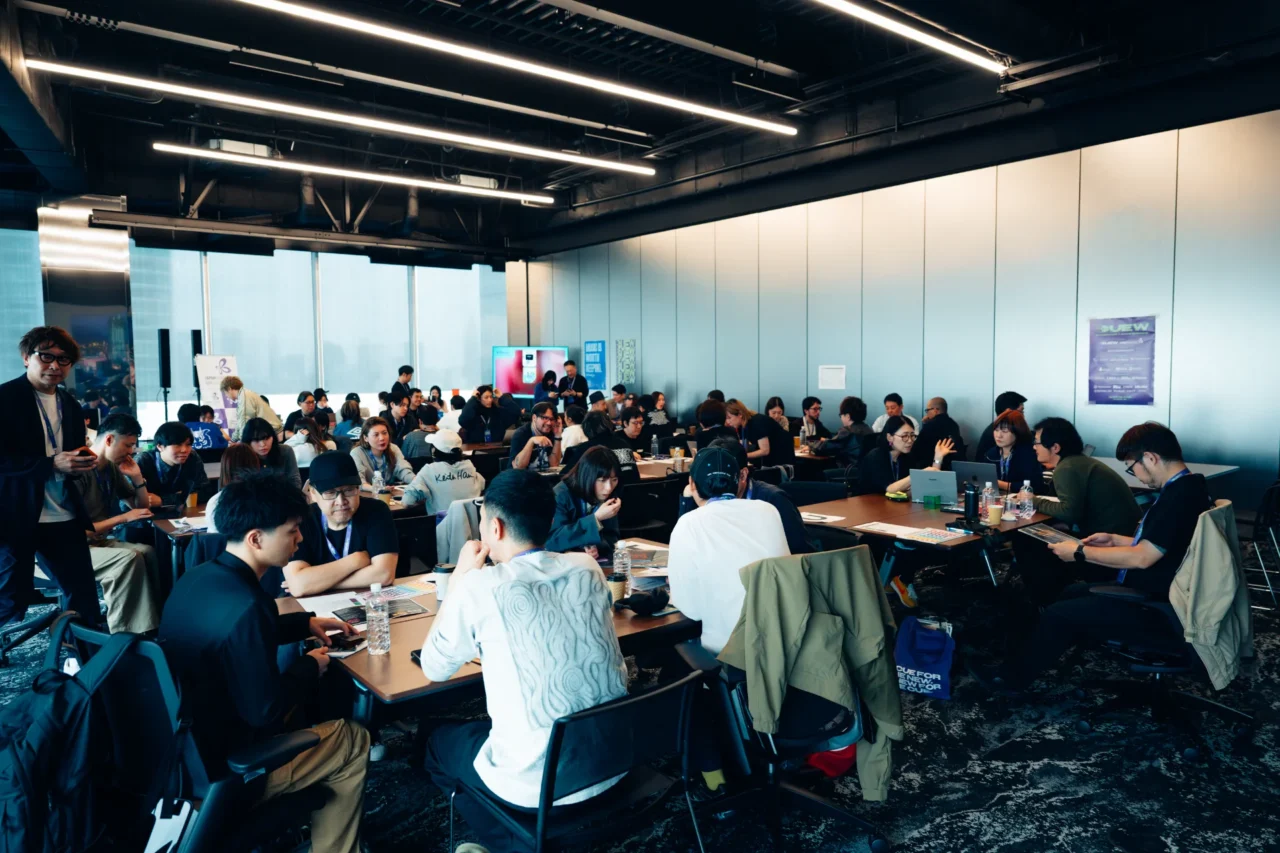
The following sections highlight some of the key insights shared during this year’s conference sessions.
INDEX
Do Your Homework
One of the strongest themes to emerge across this year’s conference was the importance of preparation before pursuing opportunities abroad.
Speaking during the session Worldwide Music Network: Connecting Asia, Europe and the US, Andy Jones, Co-founder and Music Director of FOCUS Wales, encouraged artists to question their assumptions when choosing where to expand internationally.
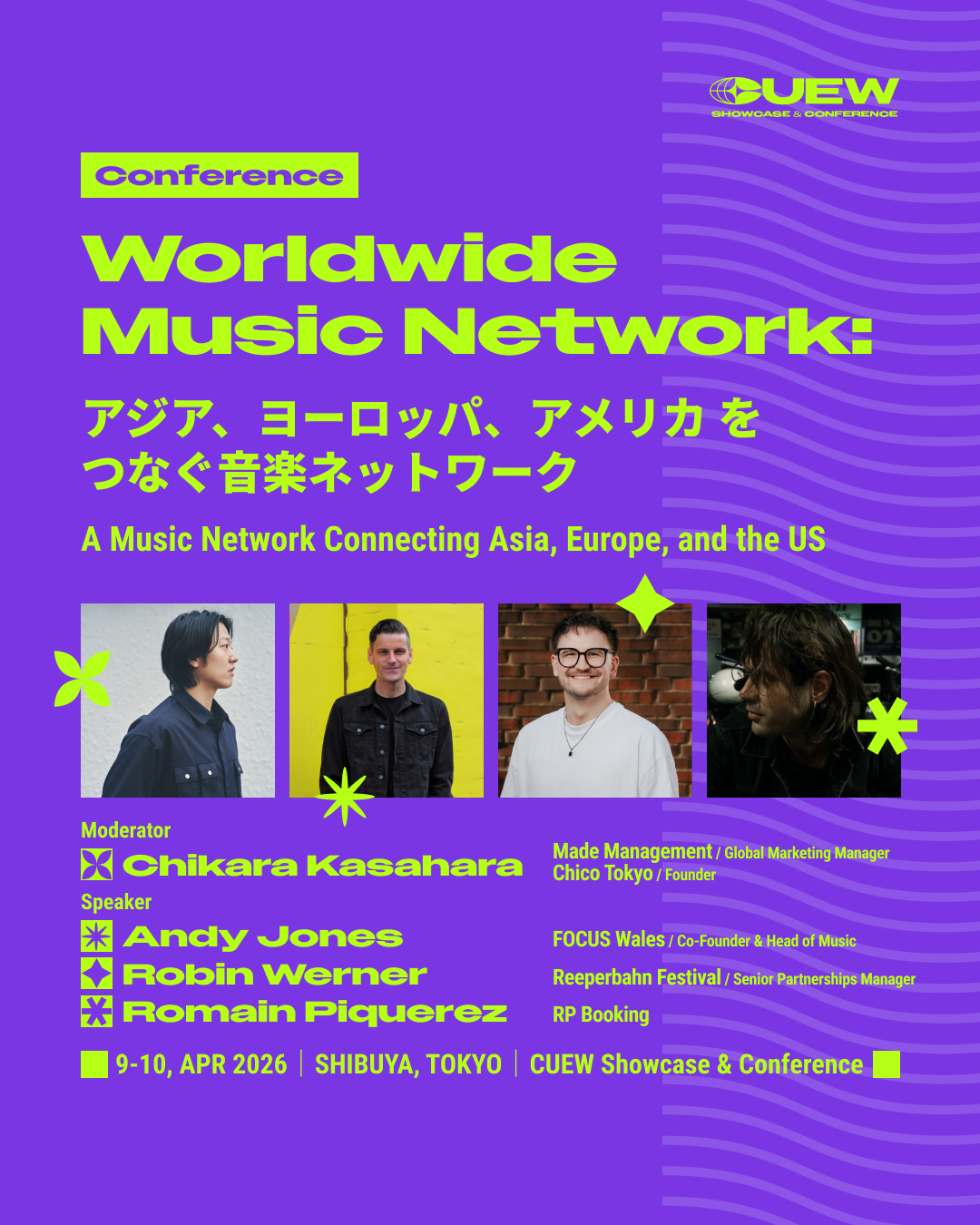
Andy Jones: “A lot of Welsh artists tell me, ‘I want to go to America.’ But why America? Do you already have industry connections there? Are you seeing signs of a growing fanbase? Most of the time, the answer is, ‘Not really — I just want to go.'”
Rather than chasing a particular market by default, Jones emphasized the importance of researching where genuine opportunities already exist and making decisions based on data rather than assumptions.
Romain Piquerez of French booking agency RP Booking echoed that sentiment, stressing that thorough research should be the starting point for any international strategy. He described his approach as “the snail’s way” — taking steady, incremental steps rather than rushing overseas. Before expanding internationally, he advised artists to establish themselves at home and build relationships with professionals in their local music industry, who can often become valuable bridges to opportunities abroad.
As an example, Piquerez recalled booking Japanese band DYGL in France. Because he had already identified a French promoter with strong ties to Japan who operated several festivals, he was able to secure festival bookings for the band despite them still being relatively unknown in the French market.
INDEX
Research the Festival and Stand Out Live
The importance of preparation also surfaced during the session Festival New Wave: New Trends in Music Festivals, which explored how festivals are evolving and what programmers look for when booking artists.
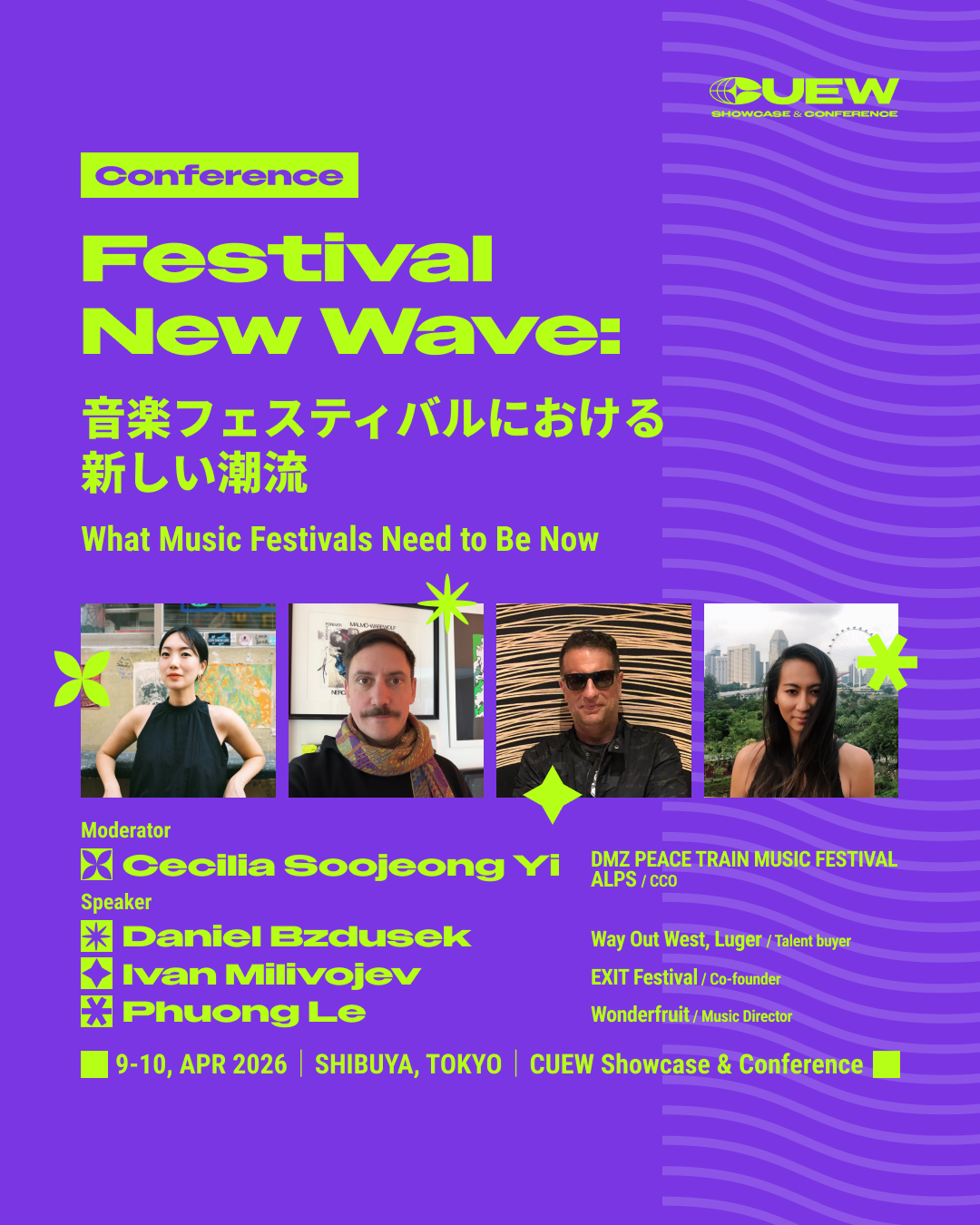
Several speakers stressed that securing a slot at a major festival should not be the goal in itself. Artists should first understand a festival’s identity, audience and previous lineups to determine whether it is the right fit for their music.
Phuong Le, Music Director of Thailand’s Wonderfruit, put it simply:
Phuong Le: If you want to play Wonderfruit, it’s important to understand what Wonderfruit is. We book artists who align with our spirit.
The conversation then turned to what festival bookers actually prioritize when evaluating artists. Across multiple speakers, one answer stood out: the quality of the live performance.
Ivan Milivojev, Co-founder of Serbia’s EXIT Festival, noted that some of the strongest live bands have relatively modest social media followings, adding that those are often the artists he wants to book. Daniel Bzdusek of Sweden’s Way Out West agreed, saying that while festival teams review a large number of applications, being a compelling live act remains one of the most important factors.
Robin Werner of Germany’s Reeperbahn Festival, who also appeared in the Worldwide Music Network session, emphasized that international programmers are not simply looking for Japan’s biggest names.
Robin Werner: We’re not looking only for the most famous artists from Japan. What people respond to isn’t mainstream success or big numbers—it’s originality. If an artist has something that makes people think, ‘This is what I want from music and culture,’ or ‘I love what this artist represents,’ they can build a fanbase anywhere in the world.
Andy Jones echoed that view, explaining that, as a curator, he looks for artists with a strong sense of identity — artists whose work excites audiences, inspires people to write about them and makes others want to work with them.
INDEX
Make the Most of Every Showcase Opportunity
Landing a slot at a showcase festival is only the beginning. Several speakers emphasized that what happens before—and around—the event often determines its long-term impact.
During the session Building the Future Through Festivals: How Showcase Festivals Create Pathways for New Talent and Global Markets, Isla Mcrobbie of The Great Escape cautioned against unrealistic expectations.
Isla Mcrobbie: It’s dangerous to think that simply playing a showcase will bring the perfect audience, land you a world tour overnight and leave you with a stack of record deals the next morning.
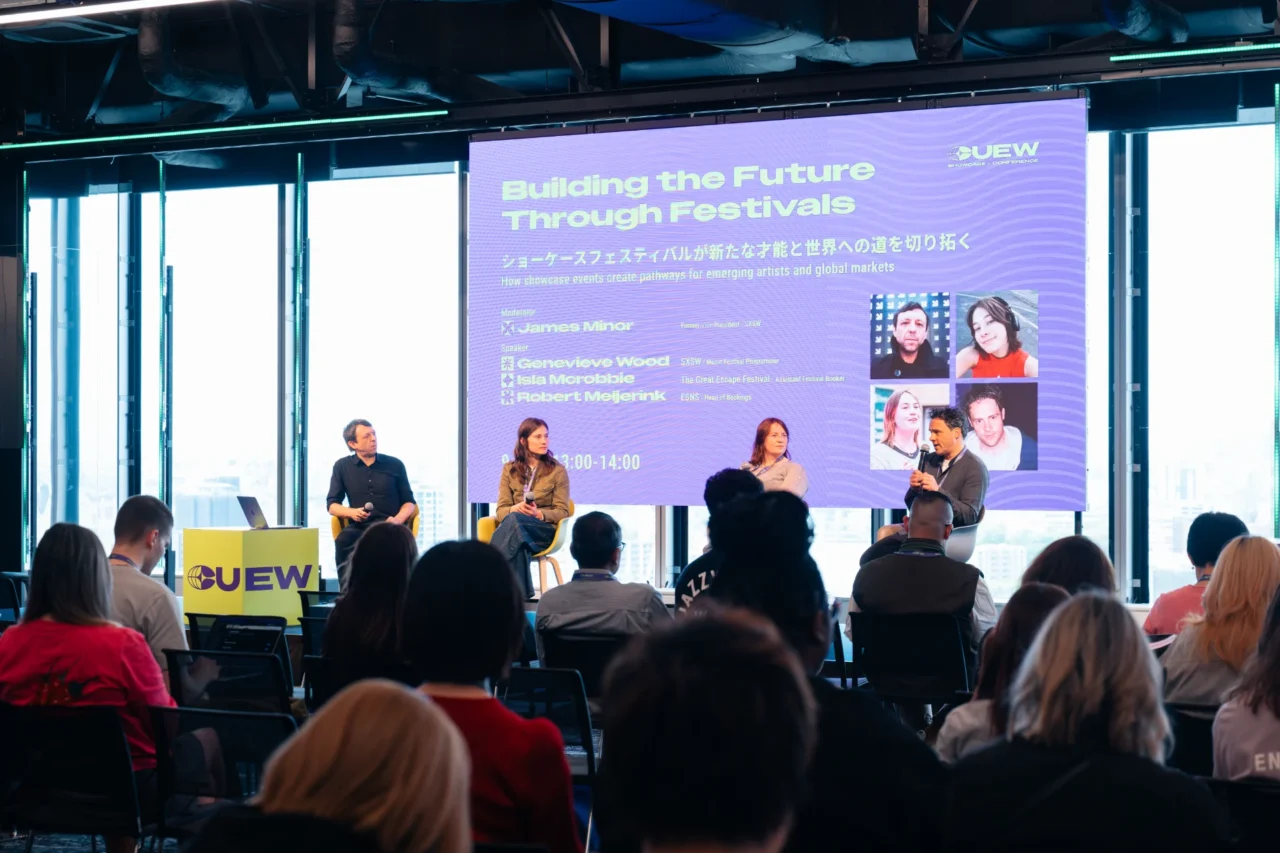
Instead, she stressed the importance of approaching showcase festivals with a clear strategy and a coordinated team.
Genevieve Wood, Programmer at SXSW, shared a similar perspective, noting that the artists who consistently see the strongest results are those who arrive with well-defined goals and a concrete action plan.
That planning should extend beyond the showcase itself. Speaking during Worldwide Music Network: Connecting Asia, Europe and the US, Romain Piquerez of RP Booking encouraged artists to think of international touring as a connected journey rather than a series of isolated performances.
For example, artists travelling to Germany for Reeperbahn Festival could also explore opportunities in neighboring countries such as France. Likewise, many artists schedule UK dates around The Great Escape and FOCUS Wales, taking advantage of the period when industry professionals are already gathered in one region. Connecting multiple opportunities in a single trip can maximize both exposure and efficiency.
Networking on the ground is equally important. Mcrobbie encouraged artists to reach out to delegates before arriving, arrange informal meetings and continue inviting industry contacts back to future performances.
Andy Jones added that while showcase festivals create valuable opportunities for artists to meet bookers, scouts and other industry professionals, many artists hesitate to make the first move.
Andy Jones: Get over that barrier in your head. Go to the conference, go to the networking events and introduce yourself. The results will come. You’re just as important as everyone else in the room. The delegates want to meet you.
INDEX
Timing Matters
Knowing when to make an international move is just as important as deciding where to go.
Robin Werner of Reeperbahn Festival encouraged artists to be honest with themselves about whether they are truly ready.
Robin Warner: If you’re not completely convinced that this is the right year — that now is the right moment, not next year or the year after — then don’t do it. But if you genuinely believe the time is right, commit to it with everything you’ve got.
Andy Jones who reviews hundreds of showcase applications each year, explained that a strong live performance alone is not enough. The artists who ultimately secure a place are those who demonstrate that they are ready to make the most of the opportunity.
Andy Jones: If we’re asking artists to travel all this way, we want them to leave with real business opportunities. That’s why it’s important to start conversations with the people you hope to work with—agents, labels and promoters—before you even submit your application.
For Jones, successful showcase artists don’t simply arrive prepared to perform — they arrive prepared to build relationships.
INDEX
How Artists Get on an Agent’s Radar
The session Behind the Great Show: The Role of Booking Agents brought together leading agents from the US and the UK to discuss how artists can build lasting international careers — and what agents actually look for when signing new talent.

When asked when artists should begin working with an agent, Joe Price suggested, “as early as possible,” while noting that, in the US, the timing ultimately depends on whether an artist can realistically sustain touring.
Joe Price: Having a label in the US can help unlock additional funding. That makes touring more viable and sustainable, while also giving promoters greater confidence. As an agent, it’s much easier to pitch an artist when there’s a local release and marketing campaign already happening.
The discussion then turned to a simple question: How do agents discover new artists?
For Price, recommendations and curiosity go hand in hand.
Joe Price: These days, managers and bands often reach out directly. Beyond that, I’m constantly searching for new music.
He recalled discovering Japanese psychedelic rock band Kikagaku Moyo after buying one of their records and attending a show in Brooklyn.
Joe Price: There were only about 30 people in a 200-capacity venue, but the moment I saw them perform, I knew I had to work with them. We ended up working together for almost ten years.
Cils Williams shared a lighter story about discovering many of the Korean artists he now represents, including Balming Tiger.
Cils Williams: I got really into Korean skincare, and eventually YouTube started recommending K-pop. That led me from BTS and BLACKPINK to Korea’s alternative music scene—and eventually to many of the artists I work with today.
Williams also highlighted the value of building relationships with tour managers, who often work freelance across multiple artists and can become an important source of introductions.
Zach Silva likewise emphasized the importance of personal recommendations, particularly from artists he already works with — a point that Price agreed with, noting that referrals from one band to another often carry significant weight.
INDEX
Merchandise Is More Than Merchandise
The conversation also highlighted the role of merchandise—not just as a source of income, but as a powerful marketing tool.
Price pointed to artists such as Kikagaku Moyo, Minami Deutsch and maya ongaku, noting how every detail of their visual identity — from posters and T-shirts to tote bags and even rolling papers—felt carefully considered.
Joe Price: After their shows, there were long lines at the merch table. People were taking photos and sharing them online. I saw the same thing recently at Masayoshi Takanaka’s sold-out show in Brooklyn. The merch line was so long that even people who couldn’t buy anything were posting photos on social media.
Silva added that merchandise can become a major source of touring income.
Silva: In my experience, merch sales can generate more than twice the revenue of the performance fee itself.
Williams encouraged emerging artists to sell merchandise themselves whenever possible.
Williams: Fans are much more likely to buy directly from the artist. It also gives you a chance to understand who’s coming to your shows.
Beyond generating revenue, merchandise can strengthen an artist’s identity, deepen fan engagement and provide valuable insight into their audience.
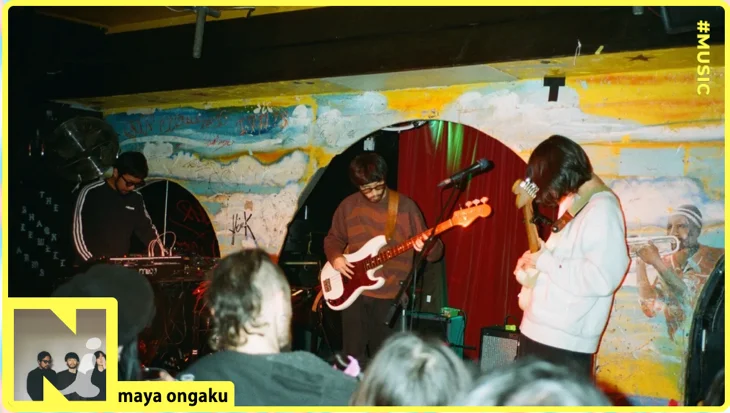
Next, we speak with three international delegates — Robert Meijerink (ESNS), Genevieve Wood (SXSW) and Cora Chan (Clockenflap) — about Japan’s independent music scene, as well as their advice for artists looking to build careers internationally.
Read here