What does it take for Japanese artists to build meaningful careers beyond their home market?
That question was at the heart of CUEW Showcase & Conference, held at Dragon Gate in Shibuya, on April 9 and 10, 2026. Across two days of showcases, panel discussions and networking, the event brought together artists and music industry professionals from Japan and around the world to explore new opportunities for international collaboration, touring and career development.
Drawing on selected conference sessions and interviews with three international delegates, this report highlights key conversations and practical insights from this year’s conference, offering a closer look at how CUEW is helping connect Japan’s music ecosystem with the global music industry.
INDEX
CUEW Expands Its Global Network
CUEW is a platform that showcases the talent of Japanese and Asian artists to the world. Its mission is to create a space where Japanese and Asian artists can seize opportunities to transform their careers and grow into future headliners.
At the inaugural showcase event in 2025, music industry professionals from eight countries were invited as delegates (representatives of organizations or teams) to participate in a two-day program featuring conferences, networking events, and live showcases.Since then, concrete results have emerged, such as Sakura Fujiwara’s performance at a festival in Egypt and soraya’s solo concerts in Hong Kong and Taiwan.
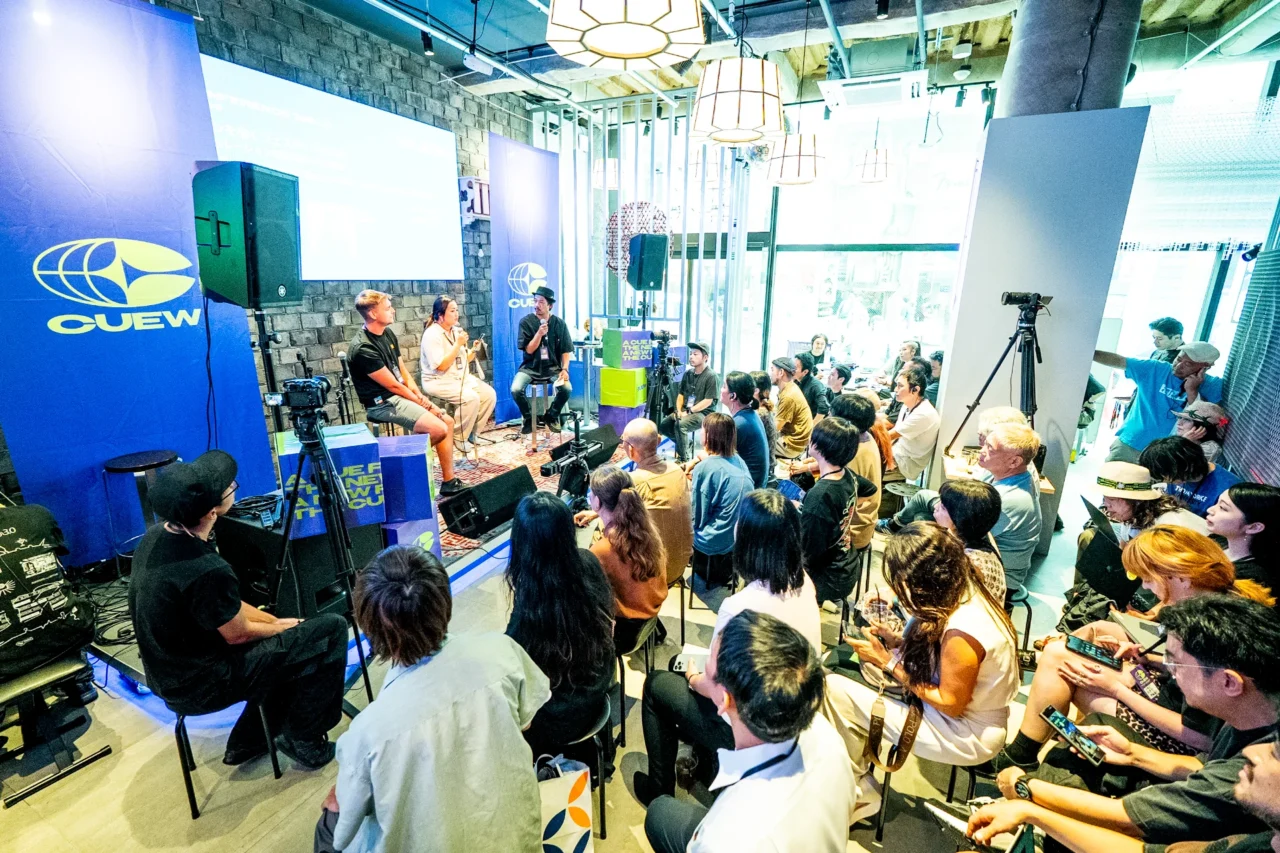
For its second edition, CUEW expanded significantly while continuing its partnership with the Japan Foundation (JF). Nearly 100 delegates from more than 20 countries — including South Korea, Thailand, Taiwan, Indonesia, the UK, the US, France and Germany — gathered in Tokyo, bringing together festival programmers, booking agents and other music industry professionals at the forefront of the global live music scene.
The conference also partnered with the urban music festival SYNCHRONICITY, held on April 11 and 12, giving delegates the opportunity to experience live performances by artists featured on the festival lineup and discover emerging talent firsthand.
INDEX
Building Japan’s Showcase Ecosystem
While showcase festivals such as SXSW and The Great Escape are firmly established in other markets, Japan’s showcase ecosystem is still developing. CUEW was created in part to help build that foundation and open up new pathways between Japanese artists and the international music industry.
Throughout the event, delegates took part in panel discussions, one-on-one Speed Meetings, networking receptions and direct exchanges through the event’s dedicated app. Artists, managers, labels, booking agents, promoters, festival programmers and media representatives all gathered under one roof, creating a space for meaningful industry connections.
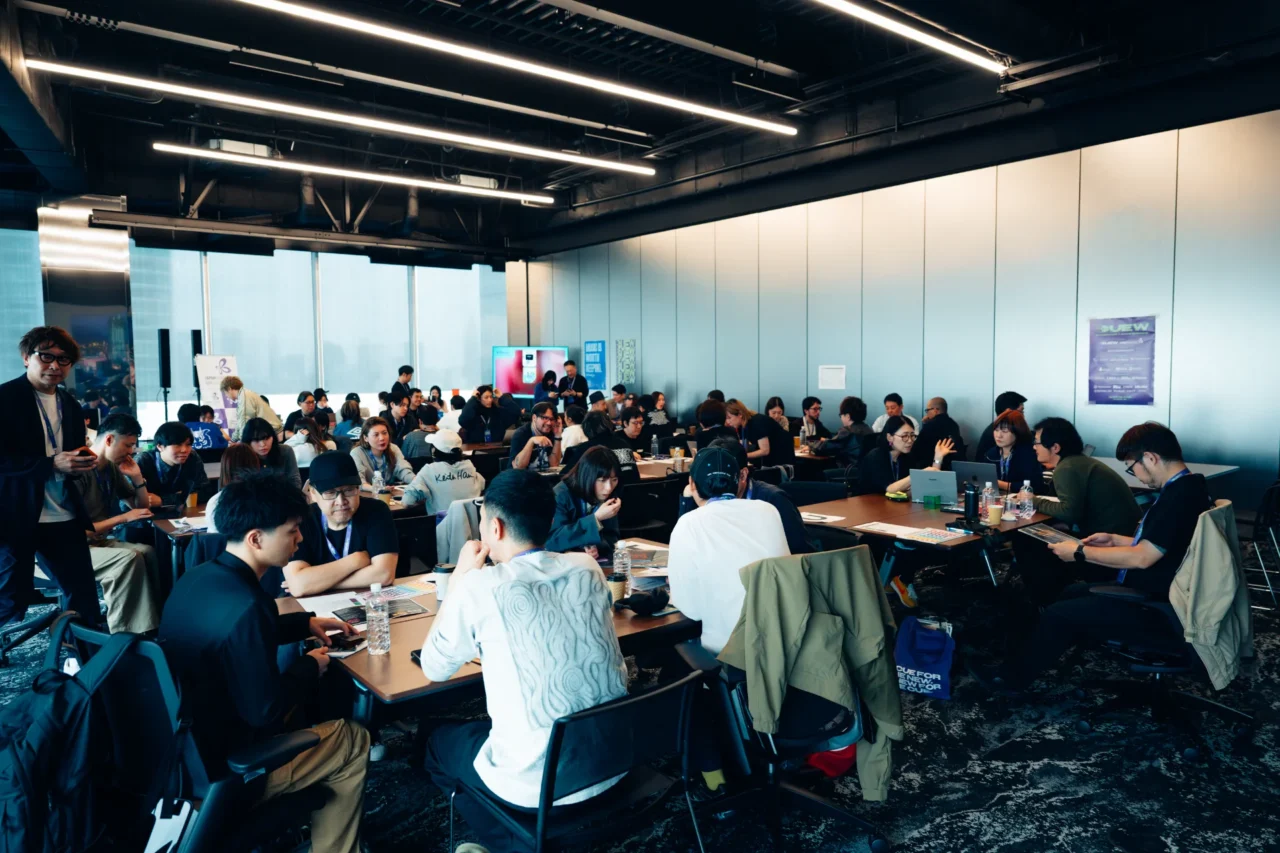
The following sections highlight some of the key insights shared during this year’s conference sessions.
INDEX
Do Your Homework
One of the strongest themes to emerge across this year’s conference was the importance of preparation before pursuing opportunities abroad.
Speaking during the session Worldwide Music Network: Connecting Asia, Europe and the US, Andy Jones, Co-founder and Music Director of FOCUS Wales, encouraged artists to question their assumptions when choosing where to expand internationally.
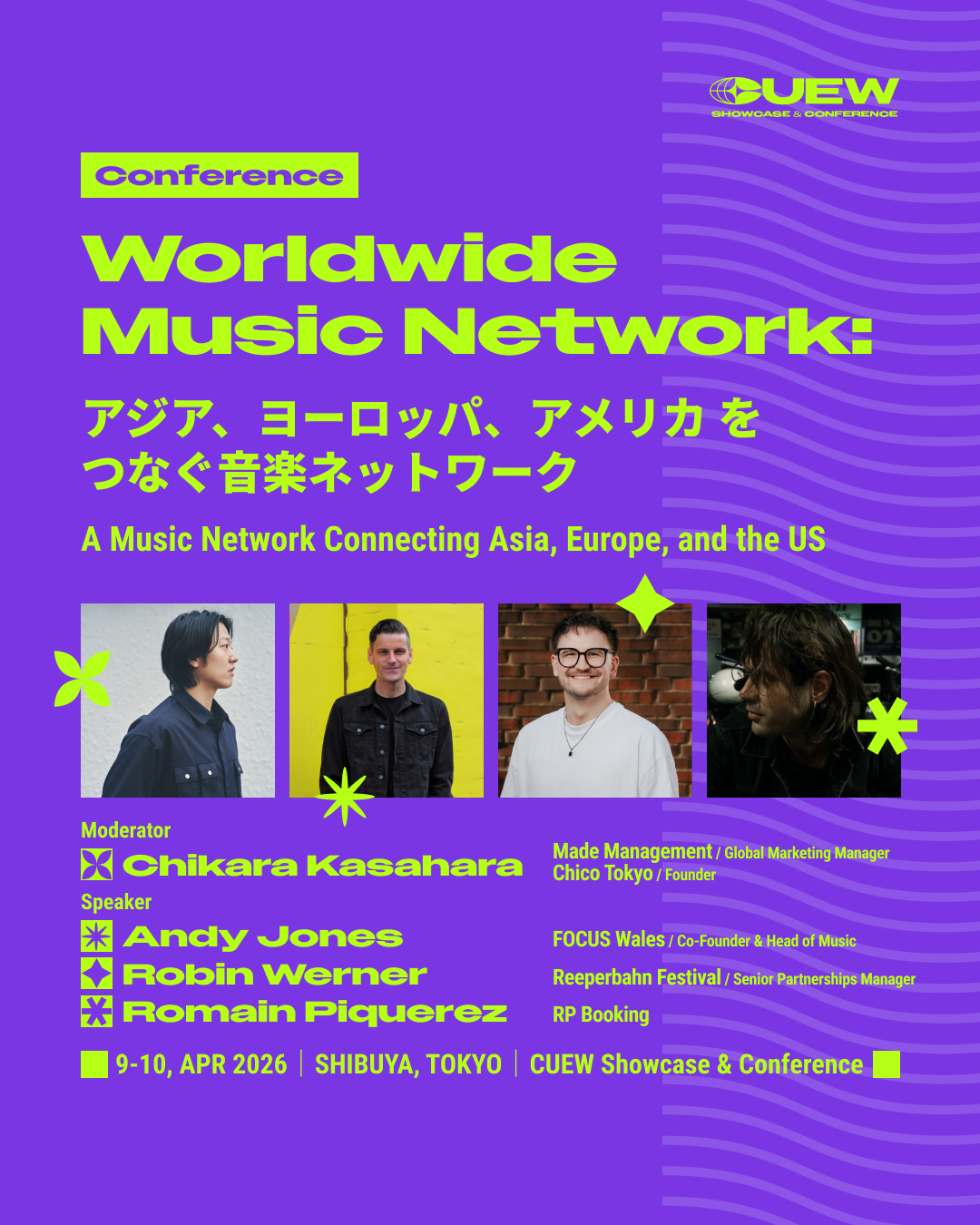
Andy Jones: “A lot of Welsh artists tell me, ‘I want to go to America.’ But why America? Do you already have industry connections there? Are you seeing signs of a growing fanbase? Most of the time, the answer is, ‘Not really — I just want to go.'”
Rather than chasing a particular market by default, Jones emphasized the importance of researching where genuine opportunities already exist and making decisions based on data rather than assumptions.
Romain Piquerez of French booking agency RP Booking echoed that sentiment, stressing that thorough research should be the starting point for any international strategy. He described his approach as “the snail’s way” — taking steady, incremental steps rather than rushing overseas. Before expanding internationally, he advised artists to establish themselves at home and build relationships with professionals in their local music industry, who can often become valuable bridges to opportunities abroad.
As an example, Piquerez recalled booking Japanese band DYGL in France. Because he had already identified a French promoter with strong ties to Japan who operated several festivals, he was able to secure festival bookings for the band despite them still being relatively unknown in the French market.