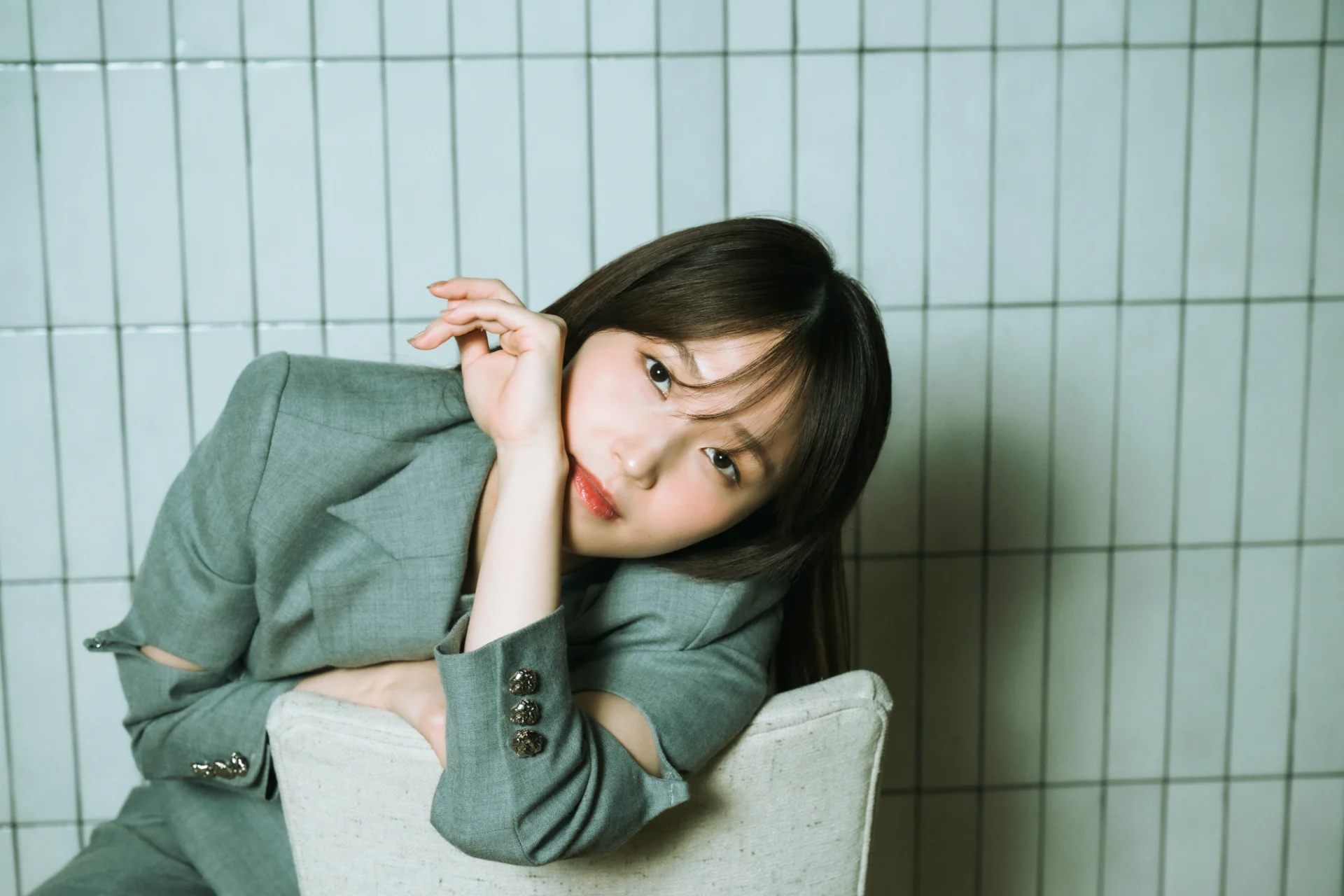
Riho Sayashi has come a long way since her days in Morning Musume and her stint as a supporting dancer for BABYMETAL. After launching her solo career in 2021, she made her major-label debut in 2025 with Too much!, an EP about pushing beyond her limits. Her latest release, OWN, which arrived on September 2, marks a shift in perspective. Rather than constantly striving for more, she’s learning to embrace everything that comes her way, including the mistakes.
Sayashi was just 17 when she left Morning Musume, determined to take charge of her own future. She went on to study dance in the US, spent years finding her feet as a solo artist and has more recently branched out into acting. Looking back, she says she’s finally reached a point where she can appreciate the uncertainty, the setbacks and even the times when things don’t go to plan.
With so many choices available to us, why does it still feel like there’s always a right answer? We caught up with Sayashi to talk about her new EP, how her approach to music has changed and what she’s learned about living life on her own terms.
INDEX
Riho Sayashi on Making Peace with Her Mistakes
Your new EP, OWN, is about embracing your mistakes. What inspired that idea?
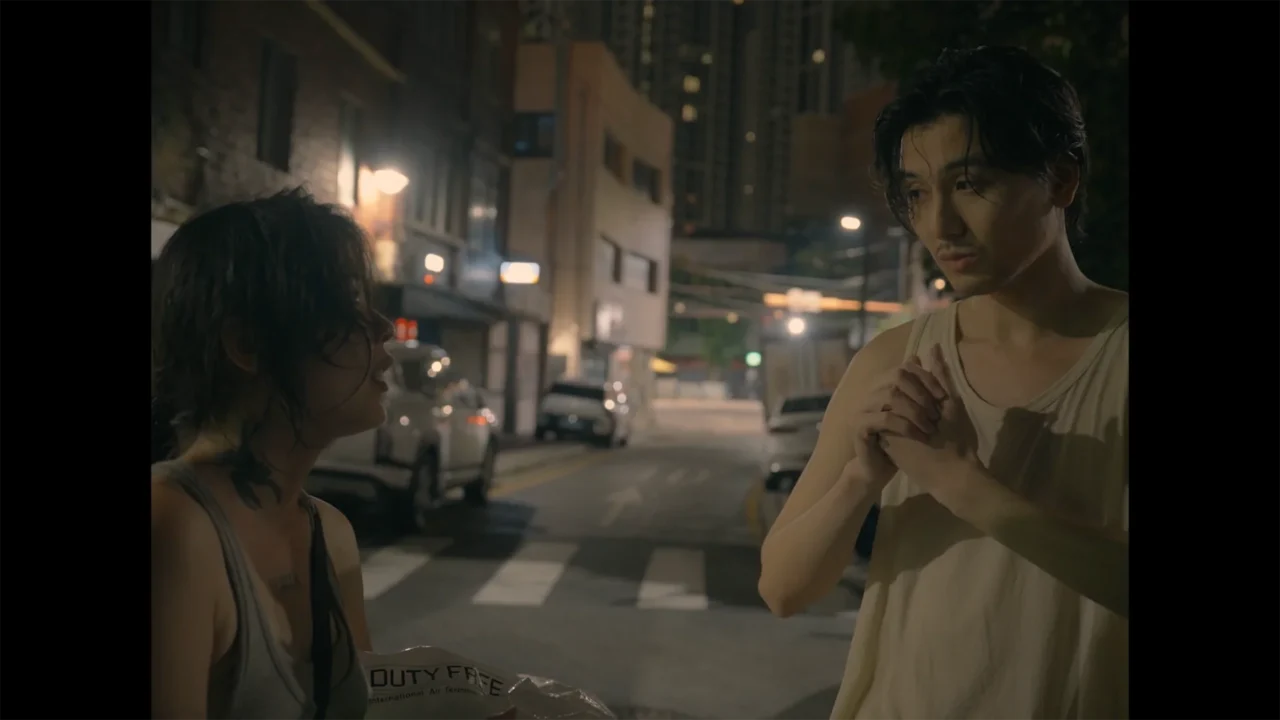
Riho Sayashi:With Too much!, I wanted to push myself as far as I could and see what happened. The whole idea was to go a little overboard. On the cover, I’m wearing boxing gloves and throwing a punch, and there’s a song called “Tensei chu☆” about escaping everyday life and being reincarnated in another world.
Sayashi:But once I’d done that, I started wondering what should come next. I figured that if I was going to put myself out there and take chances, I had to be willing to accept whatever came of it, good or bad.
Rather than constantly trying to outdo myself, I wanted to slow down a little, take stock of where I was and move forward at my own pace. That’s the thinking behind OWN. It felt like the natural next chapter after Too much!.
And something that seems like a mistake at first might actually teach you something important. Sometimes it’s only because something didn’t work out that you realise what does work for you. I want to take all of that on board and make it part of who I am, rather than pretend it never happened. That’s really how the concept came about.
There’s an interesting progression across your recent releases. Symbolized (2024) seemed to close one chapter of your career, Too much! was about testing your limits, and now OWN is about making peace with everything you’ve experienced.
Sayashi:That’s nice to hear! I’ve always had a loose sense of how I wanted my releases to connect, but I hadn’t really thought about Symbolized in that way until you mentioned it.
Looking back, I feel like I’ve been keeping a diary through my music. Each release captures where I was at the time, without me trying to dress things up or be anything other than myself.
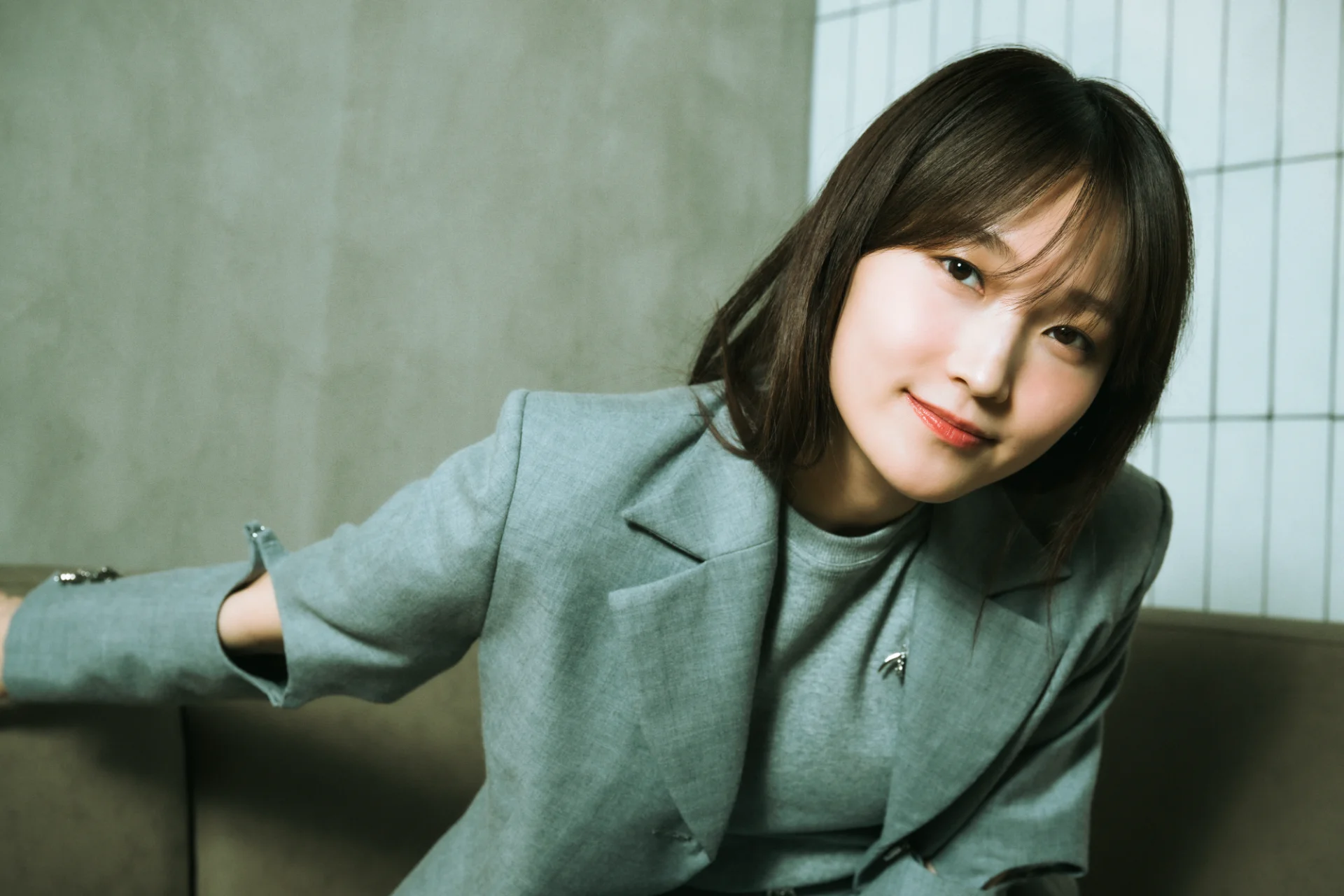
Born in Hiroshima, in 1998, Riho Sayashi joined Morning Musume in 2011 and left the group in 2015. She later moved to the US to study dance before launching her solo career through her own label, Savo-r, in 2021. Since 2024, she has also taken on leading roles in television dramas and theater productions. She made her major-label debut in 2025 and released OWN on September 2, 2026.
INDEX
From Following Expectations to Taking Control of Her Own Life
When you left Morning Musume at 17, did you feel like you needed to take more control of your own life?
Sayashi:Yeah, I think so. Being in the group, there were certain things I was expected to do and certain ways I was expected to be. And in a way, having those expectations was reassuring. They gave me structure and helped me grow stronger.
But as I got older, I started to realise that what I needed was changing, and so were the things around me. When I was 17 or 18, I remember worrying that if I didn’t change something about myself, I wouldn’t be ready for my twenties.
Maybe that’s what eventually brought me to this idea of owning my own life. What you need changes depending on where you are in life, so I’m always trying to adapt as I go. Looking back, I think what I’ve really wanted all along is to be able to see things from different perspectives and figure out what kind of life I want to build for myself.
Do you feel like things are finally falling into place?
Sayashi:More often than before, yeah. But I’ve also started to think that when things don’t work out, that’s part of life too. And it can actually be pretty fun!
I’ve learned to enjoy the unexpected. Pretty much everything I once thought I’d do has turned out completely differently [laughs]. And then there are these little dreams that pop into my head for a second, and somehow, years later, they end up coming true.
INDEX
Finding Joy in Not Having All the Answers
I think that comes through in “Docchi?” from OWN. The song is all about being torn between different choices, but you never settle on an answer. It just keeps asking, “Which one? Which one?” right to the end.
Sayashi:Exactly! I worked on the lyrics with Furui Riho, and she came up with that phrase, “Docchi? Docchi?” As soon as she suggested it, I thought it was perfect for this EP.
Especially on social media, there are so many people telling you they’ve got the right answer. Being so certain gets attention, and it’s easy to find information that backs up whatever you already believe. That’s why I think there’s something important about being able to sit with uncertainty instead of rushing to choose a side.
Sayashi:I get that. Sometimes you just wish someone would tell you what to do! There are so many choices now, and having all that freedom can actually be exhausting.
But then you find something in your everyday life that just clicks, and those little moments feel really special.
You might be obsessed with something as a teenager and completely forget about it by your twenties. But when you look back, you realise you’ve actually been drawn to the same kinds of things all along, just in different forms.
This might be a weird example, but I used to love little toys that came with snacks and those realistic plastic food displays you see outside restaurants. I thought I’d grown out of that, but now I keep finding myself playing gachapon machines and collecting the same kind of miniature things [laughs].
So I think it’s important to have time when you’re not trying to figure everything out. Time to just go with the flow, or to be unsure about things. All those little moments add up, and maybe that’s what makes life interesting and happy.
But are there times when being stuck between choices gets frustrating?
Sayashi:Definitely. But I’ve actually started to enjoy working through those moments and figuring things out as I go.
I think going solo has changed the way I connect with people. Rather than focusing on what someone does for a living, I find it much more interesting to get to know them on a personal level.
And through those connections, I feel like I’m learning something new every day, not just about other people but about myself too. Of course, it isn’t always easy [laughs]. But that’s all part of what makes me feel alive.
INDEX
When Singing Stops Feeling Like Performing
Even when you’re not credited as a songwriter, I understand you’re closely involved in shaping the songs before the writing process begins. Is that right?
Sayashi:The songwriters and producers are the ones actually creating the music, but I always make sure they know what I want to express.
That way, even if I haven’t written the song myself, it still feels like my song and my words. And sometimes, hearing someone else put my feelings into words helps me discover something new about myself. That’s what I love about working with other people.
Your singing feels different on this EP, too. There’s something more natural about the way you approach each song.
Sayashi:In the past, even when I’d written the lyrics myself, I sometimes felt like I was producing myself from the outside.
Almost like you were directing Riho Sayashi, the singer?
Sayashi:Yeah, there was definitely a bit of that. But that’s been changing.
Furui Riho and Vela, who wrote “I AM,” gave me some advice that really stayed with me. They said that from a production standpoint, it might make sense to sing certain parts with more energy and give them a poppier feel. But because I was singing about my own feelings, simply delivering the words as though I were talking to someone might actually be more powerful.
That really opened my eyes. It felt like some of the ideas I’d held about singing were gently being turned on their head.
What was the biggest challenge for you on this EP?
鞘師:“Kofuku Shikkaku” was a new experience for me. It’s the ending theme for the drama Tsukiatte Agete mo Ii Kana, and the song was inspired by the story.
I approached it almost like an acting role, telling the story through the song rather than singing purely from my own perspective. I’d never really done that before.
The funny thing is, the more I feel like I’m trying something completely new, the more people tell me it sounds like me. “Kofuku Shikkaku” is a good example of that.
You’ve been doing more acting lately. Has that changed the way you approach music?
Sayashi:I’m still figuring out exactly how it’s affected my technique, but one thing I’ve noticed is that I can picture the scenes I’m singing about much more clearly now.
Before, I mostly drew on my own memories and experiences. I’d think back to a particular moment and how I felt at the time.
I still do that, but now I can also imagine situations I’ve never actually been in and bring those feelings into a song. I think that’s something I’ve picked up through acting.
INDEX
Finding Stability in the Little Things
What’s been inspiring you lately, outside of music?
Sayashi:Probably people who work with food. I’ve been really interested in Akari Hasegawa lately. She came on my radio show, Riho Sayashi to Korekara no Jikan, and I find myself drawn to people whose creativity comes from their everyday lives.
鞘師:I tend to overthink things, so I used to read books about minimalism. In a way, I think Hasegawa takes a minimalist approach to food, but she’s also really good at figuring out what works for her rather than following some strict set of rules.
I like that she’s always experimenting and adjusting things. It feels close to the way I think, and there’s a lot I can learn from her.
I’ve also always enjoyed making my home feel comfortable, so I love getting a glimpse into how other people live.
Is it about wanting to feel more grounded in everyday life?
Sayashi:Maybe. I think deep down, I get anxious if I don’t have something tangible that makes me feel like I’ve got my life together. I don’t know whether that’s a good thing or just a sign that I still have some growing up to do.
Like, if I manage to make a proper dinner out of whatever’s left in the fridge, I feel ridiculously proud of myself [laughs]. It’s a little reminder that I’m doing okay.
It’s a way of feeling in control of your own life.
Sayashi:Exactly. But I also think we live in a time when we’re expected to handle everything ourselves.
There are so many things you might want the government to change, but you can’t expect them to happen overnight. Your own daily life, though? You can make changes right away. I think there’s something appealing about that.
At the same time, it’s a little exhausting that we have to take so much into our own hands.
So even if you can change things in your own life, there’s still that frustration of not being able to do much about the bigger picture. And you wonder whether it’s enough to just focus on what’s within reach.
Sayashi:Yeah, there’s that too. And then you see smartphones costing as much as ¥400,000. That’s a pretty big purchase to commit to! [laughs]