Since its serialization began in 2022, Akane banashi has become one of the defining Weekly Shonen Jump series of the Reiwa era. Centered on the traditional Japanese art of rakugo, the manga has surpassed 3 million copies in circulation as of January 2026, proving that a centuries old performing art can still resonate with a new generation of readers.
The story follows Akane Osaki, a young woman who sets out to become a rakugo performer after her father is expelled by his master. Determined to restore her father’s honor, she enters a world filled with legendary performers, a devoted mentor, talented senior apprentices and fierce rivals, overcoming setbacks and growing with every performance. By combining the disciplined world of traditional performance with the excitement of a classic Weekly Shonen Jump story, Akane banashi transforms the pursuit of artistic mastery into a gripping coming of age tale with the intensity of a battle manga.
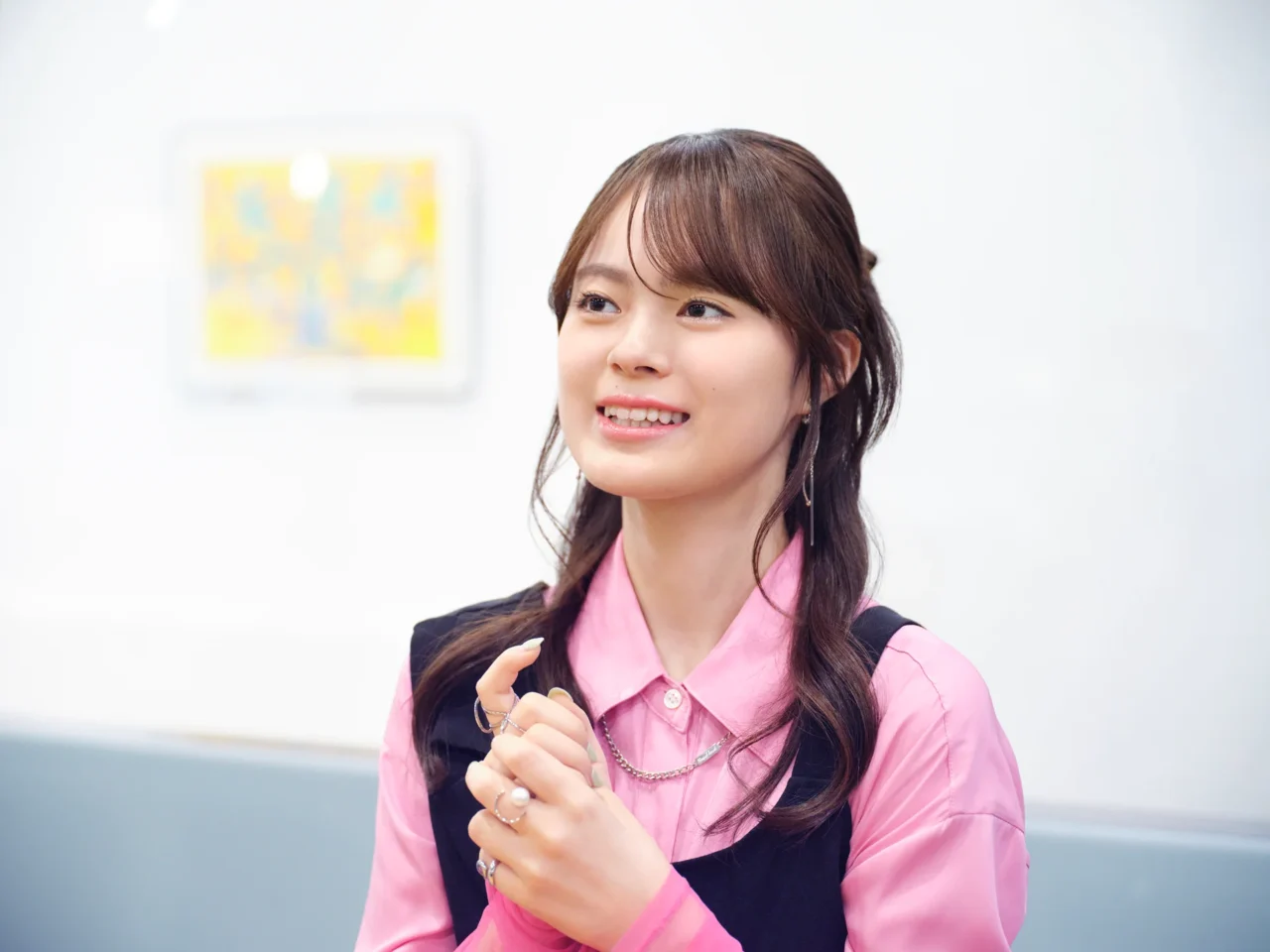
The TV anime premiered in spring 2026, bringing the series to an even wider audience. Featuring a theme song by Keisuke Kuwata, the adaptation has generated widespread attention and is even said to have inspired more members of Gen Z to attend live rakugo performances. For this interview, we spoke with Anna Nagase, who won the role of Akane through an audition. She reflects on her rigorous rakugo training, the process of discovering Akane’s voice, and how she grew alongside the character throughout the production.
This interview contains spoilers for the anime.
INDEX
Finding Her Voice Through Rakugo
Episode 10 has just aired by the time we’re sitting down for this interview. Looking back on the series so far, how are you feeling?
Nagase: Honestly, I felt an incredible amount of pressure at first. It was my first time leading a series, and it was an adaptation of such a beloved manga. But once the anime started airing, all of that pressure just melted away. I found myself enjoying each episode right alongside the audience, and that honestly surprised me. As Akane has grown throughout the story, I feel like I’ve been growing with her. Looking back now, it feels like we found our footing together.
We heard your rakugo training actually began more than a year before voice recording started.
Nagase: That’s right. I trained under our rakugo supervisor, Master Kikuhiko Hayashiya. He would first perform an entire story for me, then I would transcribe the recording by hand, memorize it, and perform it back to him. Once he gave me his approval, I could move on to the next story. That was the process we repeated over and over.
So your training was very similar to how professional rakugo performers learn.
Nagase: Exactly. I was in drama club throughout school, so I always thought memorizing lines was one of my strengths. But this was much more challenging than I expected. It was my first time performing every character in a story completely on my own. On top of that, I had to think about each character’s expressions and movements while telling the story, which made it incredibly difficult.
My very first performance was awful. When I watched the recording back, my eyes kept wandering, my gestures didn’t look natural, and even my delivery felt uncertain. All I could think was that I was nowhere near good enough. It was honestly embarrassing to watch. But instead of letting that discourage me, I used it as motivation. After every lesson, I told myself I would do better next time. I kept building on each performance, little by little, until I could finally see the progress.
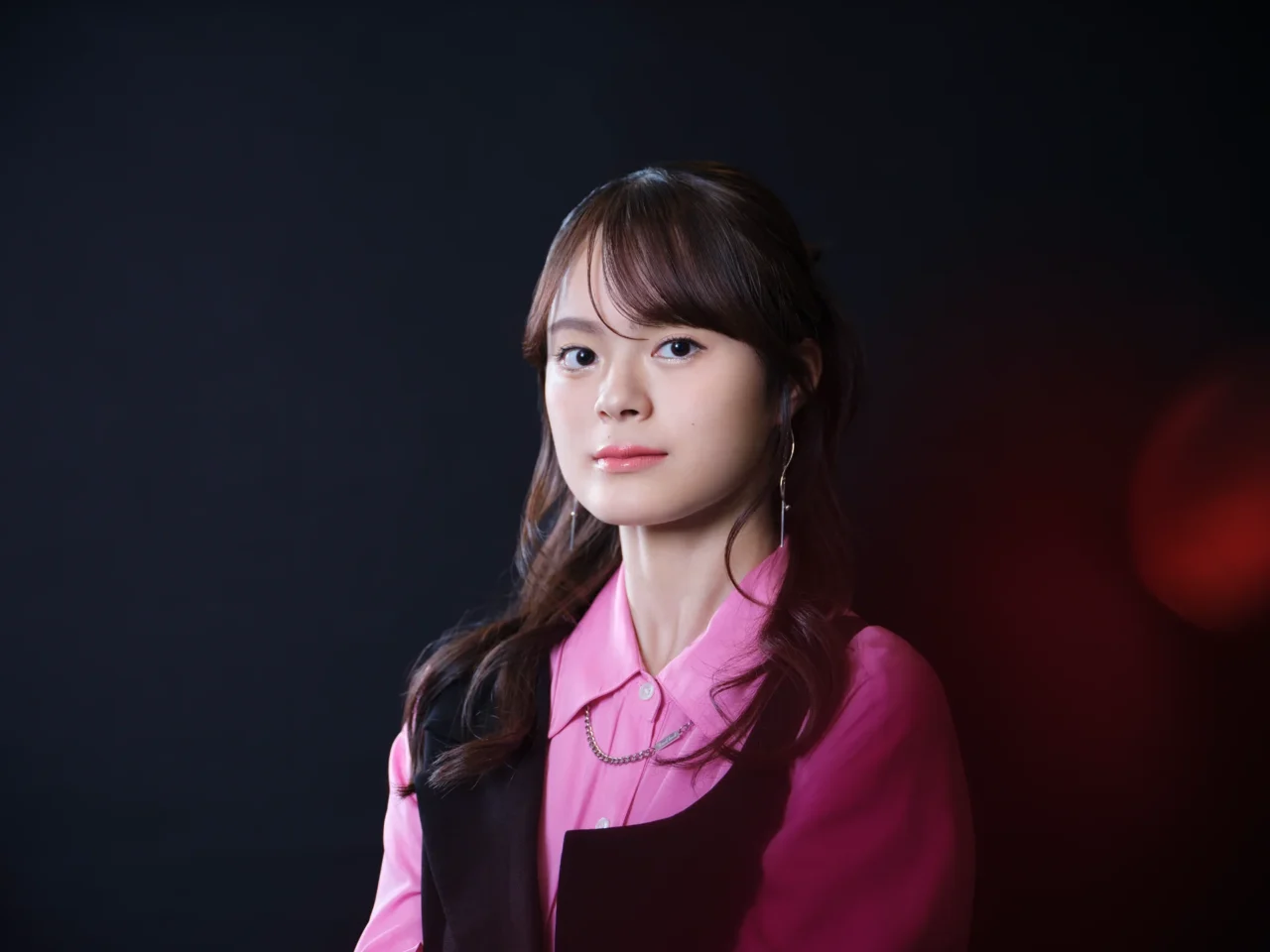
Born on March 31 in Tokyo, Anna Nagase is a voice actor who received the Best New Voice Actor award at the 17th Seiyu Awards in 2022. Her notable roles include Ushio Kofune in Summer Time Rendering, Riko Amanai in Jujutsu Kaisen: Hidden Inventory / Premature Death, and Akane Osaki in Akane banashi.
Was there a moment during your training when you started to feel like you could really do it?
Nagase: Yes. It happened when I was practicing Hatsu Tenjin, a classic rakugo story about a father and son visiting a festival. For some reason, that story just clicked with me. Up until then, I was memorizing the lines and reciting them, but I was really just reading them back in my head. With Hatsu Tenjin, though, the words came naturally. They just flowed. It felt like the story had truly become part of me.
My master would always tell me not to simply recite the story, but to let it come from within. That was the moment I finally understood what he meant, not intellectually, but physically. It was something I could actually feel.
Then came the recording sessions. We heard the rakugo scenes were recorded with an actual koza, the stage used for rakugo performances, recreated in the studio.
Nagase: That’s right. Since you switch between characters by subtly turning your head from side to side, the staff set up three microphones around me to capture those movements. I performed sitting in the traditional kneeling position while holding the script.
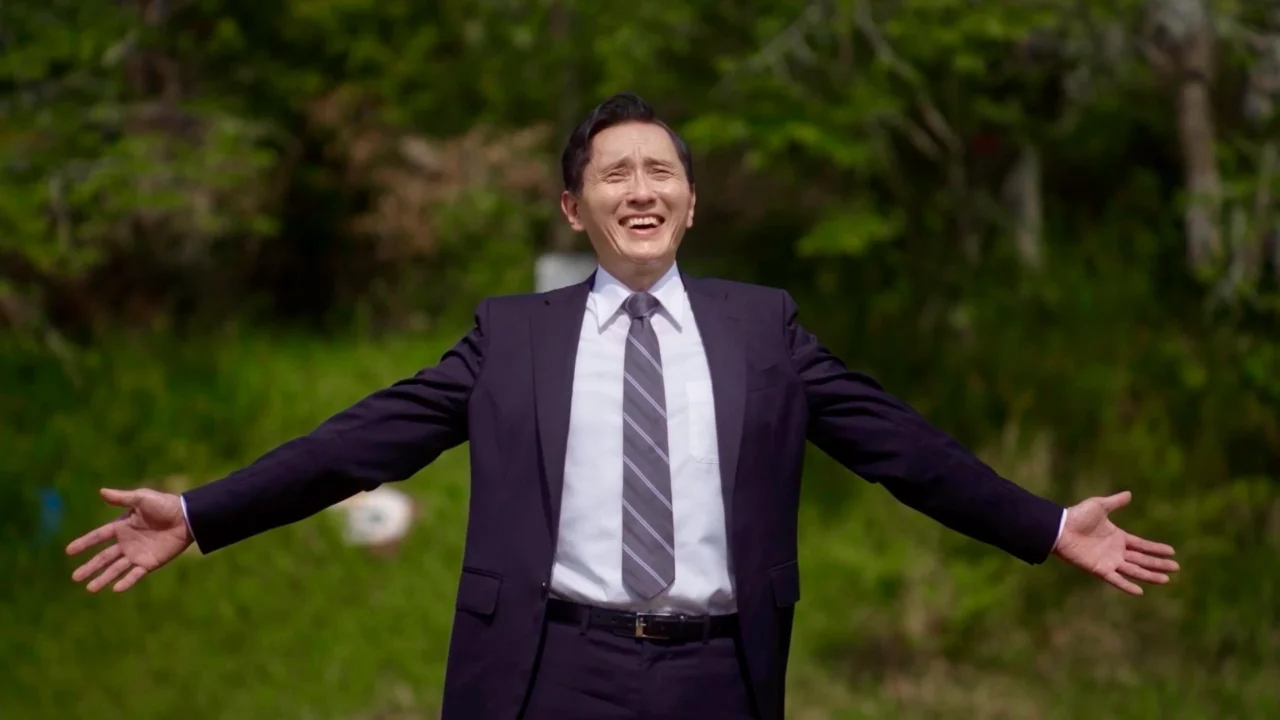
Takuya Eguchi, who plays Karashi Renma, actually performed standing up. Every voice actor has their own approach to acting and their own style that feels most natural. The recording team was incredibly flexible and adjusted the setup to suit each performer. I think that’s why every rakugo scene ended up reflecting the individuality of the actor performing it.
INDEX
Shaping Akane, One Scene at a Time
During training, you were performing in your own voice. But once recording began, you had to perform the rakugo scenes as Akane. How did you make that transition?
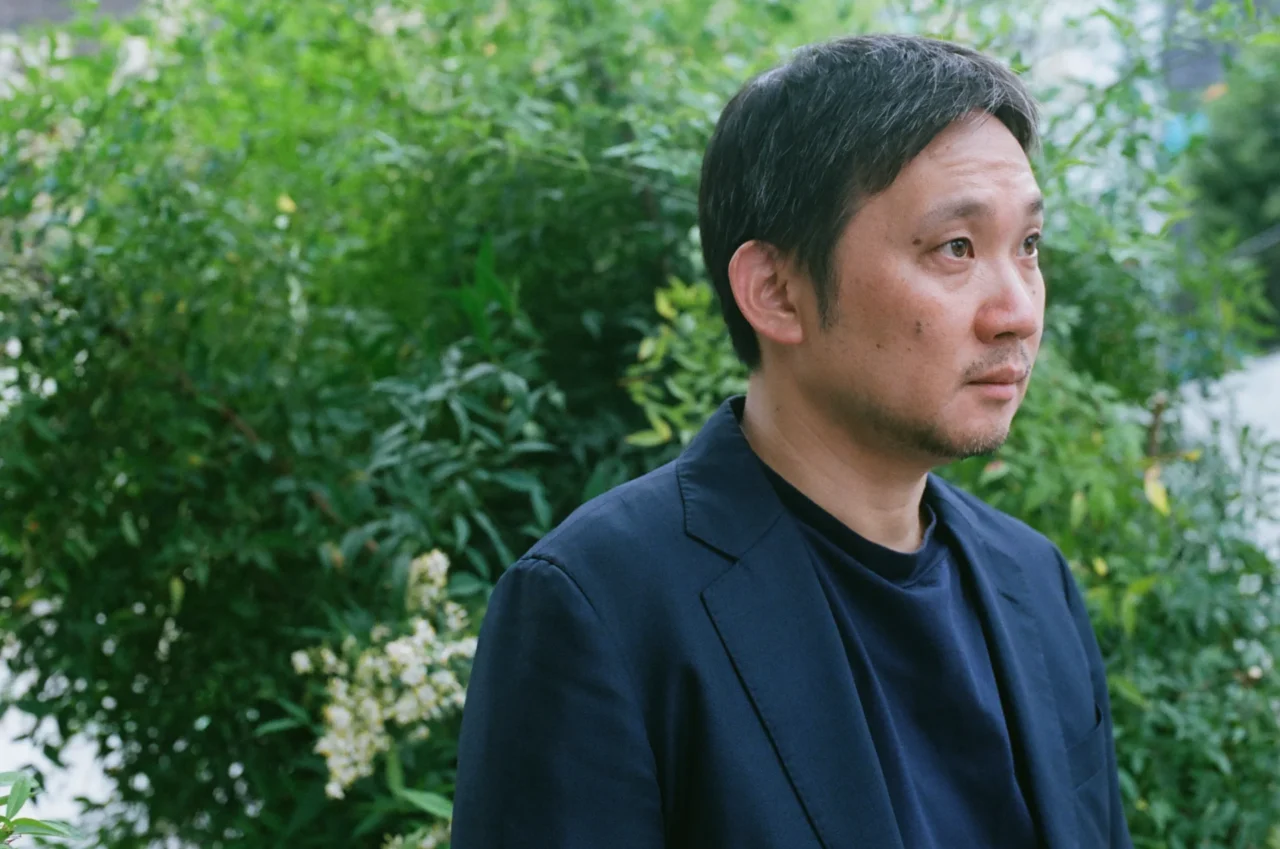
Nagase: Master Kikuhiko had a clear approach. He told me to first absorb the fundamentals of rakugo before thinking about the voice recording. So once recording began, I worked closely with sound director Noriyoshi Konuma and Master Kikuhiko, and we gradually shaped Akane together.
When people read the manga, they fill in the voices and sounds through their own imagination. Once you add sound in the anime, though, that interpretation can start to feel like the definitive version. That was especially true for the rakugo scenes. We discussed each one carefully, asking whether Akane should sound more like an anime character or closer to an actual rakugo performer. We explored the balance scene by scene.
The anime is packed with detail. The characters have such dramatic expressions, the movements in kimono are both elegant and dynamic, and even the quiet landscape shots have a poetic quality. You can feel how much care went into the visuals, sound, and movement, and how deeply everyone involved believes in the project.
Nagase: As a voice actor, I can feel that passion very strongly in the studio. A typical recording session might run from around 10 in the morning until 3 in the afternoon, so roughly five hours. On productions that prioritize spontaneity and momentum, we sometimes even finish earlier than planned.
With Akane banashi, though, we always use the full session, and sometimes go a little beyond it. We take our time with every scene. That level of care is not limited to the main characters either. Even a character with just one line is given a clear performance direction before we record. Every role is treated with the same attention.
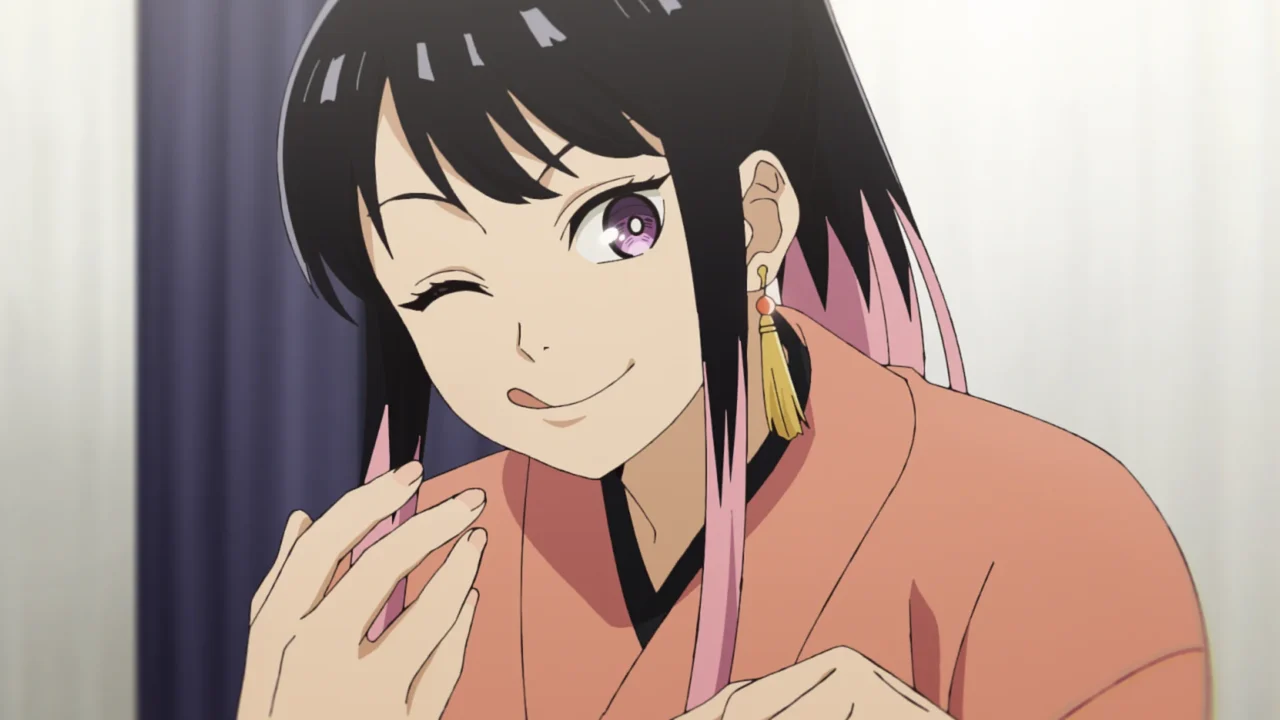
© Yuki Suenaga, Takamasa Moue / Shueisha, Akane banashi Production Committee
INDEX
Finding the Heart of Rakugo
One of the joys of the anime is how much love it shows for rakugo itself. Real performance venues are faithfully recreated, traditional musical accompaniment is woven throughout the series, and even the preview for the next episode is presented as a koza gaeshi, the ritual of flipping the cushion to prepare the stage for the next performer. There are thoughtful touches everywhere that rakugo fans can appreciate. Having immersed yourself in this world, what do you find most appealing about rakugo?
Nagase: Before this project, I think I saw rakugo as something that felt a little intimidating because it’s such a traditional art form. But once I actually visited a yose theater, I realized what a wonderful atmosphere it has. Some people were quietly chatting and laughing with the person next to them, some were dozing off, and others were eating while they watched. It made me realize that people treat it as a place where they can simply relax.
Every storyteller has a completely different style. Some spend their entire fifteen minute performance telling humorous stories, while others deliver something that feels almost like watching a film. Both the performers and the audience have so much freedom. It completely changed the way I thought about rakugo, and naturally made me want to learn more.
In Akane banashi, a rakugo performer also appears as a guest voice actor in every episode. Their performances have an authenticity that voice actors simply can’t imitate. It feels as though their own personality naturally comes through in their acting, and it definitely made the rest of us feel like we had to keep up. [laughs]
The climax of the first cour is, fittingly for a Weekly Shonen Jump series, a full blown battle at the Karaku Cup, a national student rakugo competition. Akane is challenged by her master, Shiguma, to win by performing Jugemu, the classic rakugo story famous for its extraordinarily long name.
In your performance as Akane, the preliminary round, where she astonishes the audience with her rapid fire delivery, and the final round, where she demonstrates the results of her professional training, feel completely different despite being the same story. But judging from the behind the scenes footage, Jugemu seems to have been one of the biggest challenges for you.
Nagase: Personally, I struggled most with the opening exchange where the parents are deciding on the baby’s name. When I first performed it during training, I realized afterward that I had only been skimming the surface of the story. Master Kikuhiko suggested that I forget about it for a while, so I put it aside for two or three months.
And in the anime, Akane performs Jugemu three separate times. Right before the Karaku Cup begins, there’s the scene where she asks her senior apprentice Koguma for advice and performs it in the park, and then there are her performances in both the preliminary round and the finals. So I had to find a different approach every single time.
Jugemu may be the most important rakugo story in the first cour. It must have been nerve wracking to hit a wall with something so central to the series.
Nagase: It really was. But then, when we actually recorded the scene in the park, I don’t know why, but everything suddenly flowed much more naturally. Afterward, the sound director suggested making it a little more innocent.
That’s funny, because Akane isn’t supposed to deliver the perfect version of Jugemu until the end of the Karaku Cup. You had already gotten too good during the practice scene.
Nagase: Exactly! [laughs] They told me I had already taken it too far and that we should dial it back a little so there would still be room for Akane to grow later in the story. I was completely surprised.
But in a way, it mirrored Akane’s own journey. Koguma points out that she still has a lot to learn, which leads her to study all kinds of different approaches to rakugo. I did the same. I listened to recordings by many different rakugo performers and discovered all these different ways to interpret the same story. Looking back, I think all of those small experiences came together and helped shape my performance.