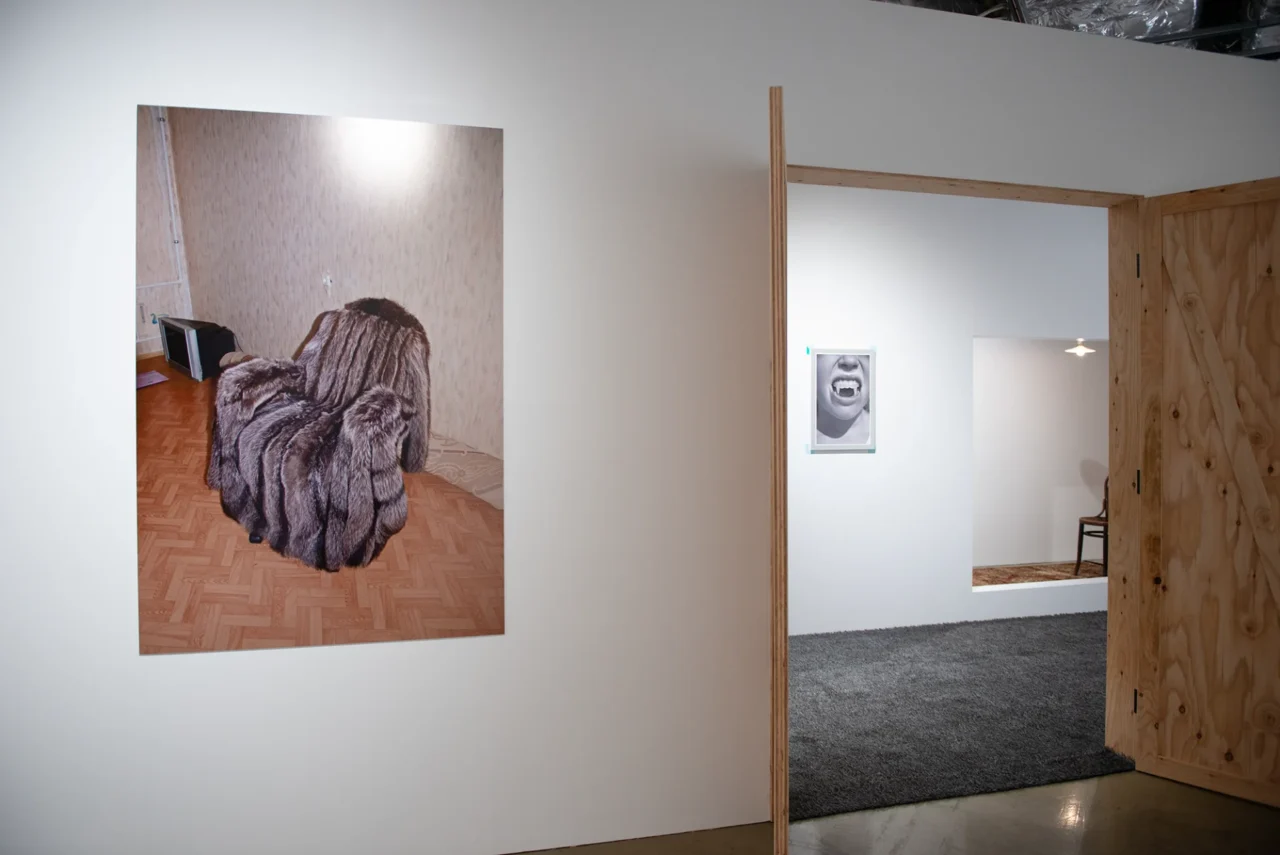
Russian photographer Kristina Rozhkova captures a world where the spell has already been broken, yet something like a trace of fantasy still lingers. With the release of her photo book unbewitched, an exhibition under the same title is now on view at PARCO MUSEUM TOKYO.
At the heart of the work is the Russian custom of the “dacha,” a second home in the countryside where people retreat from the city for weekends or longer stays. Shot during the pandemic, when Rozhkova gathered with friends in such a space, the series unfolds within an exhibition designed to echo that same environment. Step inside, and the images may first appear eccentric, even disarming, but they never become excessive or overtly provocative. Instead, what emerges is a quiet intimacy. The closeness between photographer and subject opens a window into their private worlds, while subtly tracing the textures of contemporary Russia itself.
Born in 1996, Rozhkova continues to photograph young people, girls and boys searching for something beyond reality, and those often labeled as sexual minorities, even in a time long after the illusions of a past era have faded. Raised in a single parent household without books, her path toward aesthetics and image making was anything but conventional. Speaking with her reveals how she arrived at a visual language entirely her own.
Having left her home country, where freedom of expression has become increasingly restricted, why does she continue to create. What does it mean for her to live and make work in a state of “unbewitching.” Listen closely to her voice.
Please note that some images featured in the exhibition include sexual and violent content.
INDEX
A School Life That Found Its Refuge in the Library, and a Chance Moment That Opened the Door to Photography
You studied philosophy at university, and after graduating, you went on to study photography at the photography academy Fotografika. To start, what area did you focus on during your time in the philosophy department?
Kristina: The philosophy department at Perm State University was centered around Marxism, but students were free to choose their own areas of focus. I chose to study aesthetics and film philosophy.
In aesthetics, I was particularly interested in Walter Benjamin’s ideas, especially how he defined what can be considered art, and his concept of the “aura.” I explored those ideas in depth. I also looked at feminist film criticism, and for my graduation thesis, I chose the Italian filmmaker Pier Paolo Pasolini as my subject. Through these different perspectives, I approached aesthetics from multiple angles.
There is also something quite specific to Russia that I studied. In Russian Orthodoxy, there is a figure known as the “yurodivy,” often translated as a holy fool, someone seen as both mad and spiritually close to sainthood. I researched that as well.
At the time, I never imagined I would become an artist. I thought I would become a researcher.
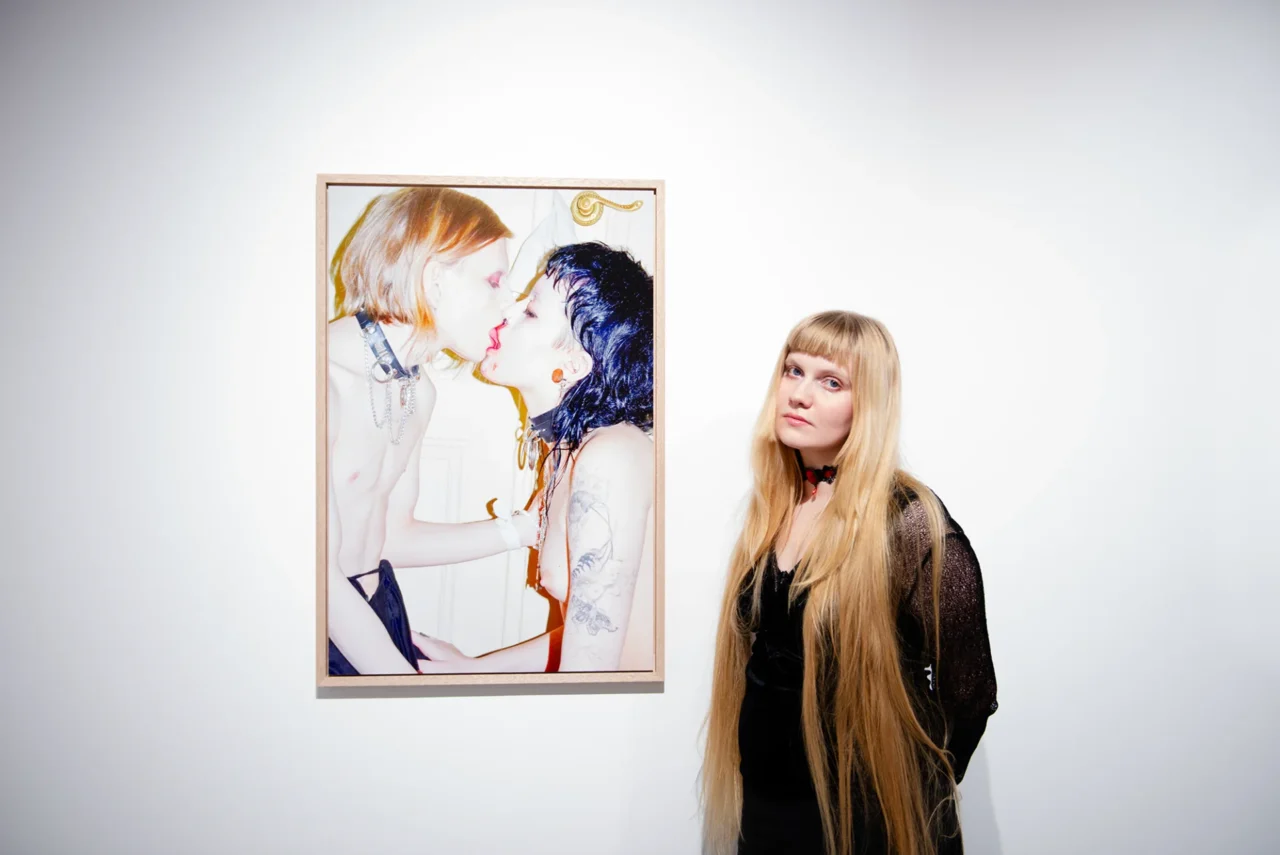
Born in 1996 in Perm, Russia, Kristina Rozhkova enrolled in the philosophy department at Perm State University in 2015. In 2021, she graduated from both the master’s program in Practical Philosophy at Saint Petersburg State University and the photography academy Fotografika.
That same year, she was selected for British Journal of Photography’s “Ones to Watch,” a list highlighting emerging photographers to follow. Her work has since been featured in publications including Vice, PHROOM Magazine, Calvert Journal, and Fisheye Magazine.
In 2022, she published her first photobook, The Bliss of Girlhood. In 2023, she was selected for “What is Beauty?”, a global open call under PhotoVogue. In 2026, she is set to undertake a long-term artist-in-residence program at the Artist Unlimited association in Bielefeld, Germany.
Given that you pursued those fields at university, were you raised in an environment where art and philosophy were close to you?
Kristina: Not at all. I grew up living alone with my mother, and there wasn’t a single book in our home. There weren’t any particularly intellectual or culturally inclined people around her either. It was just my mother and me, along with many dogs, moving from place to place.
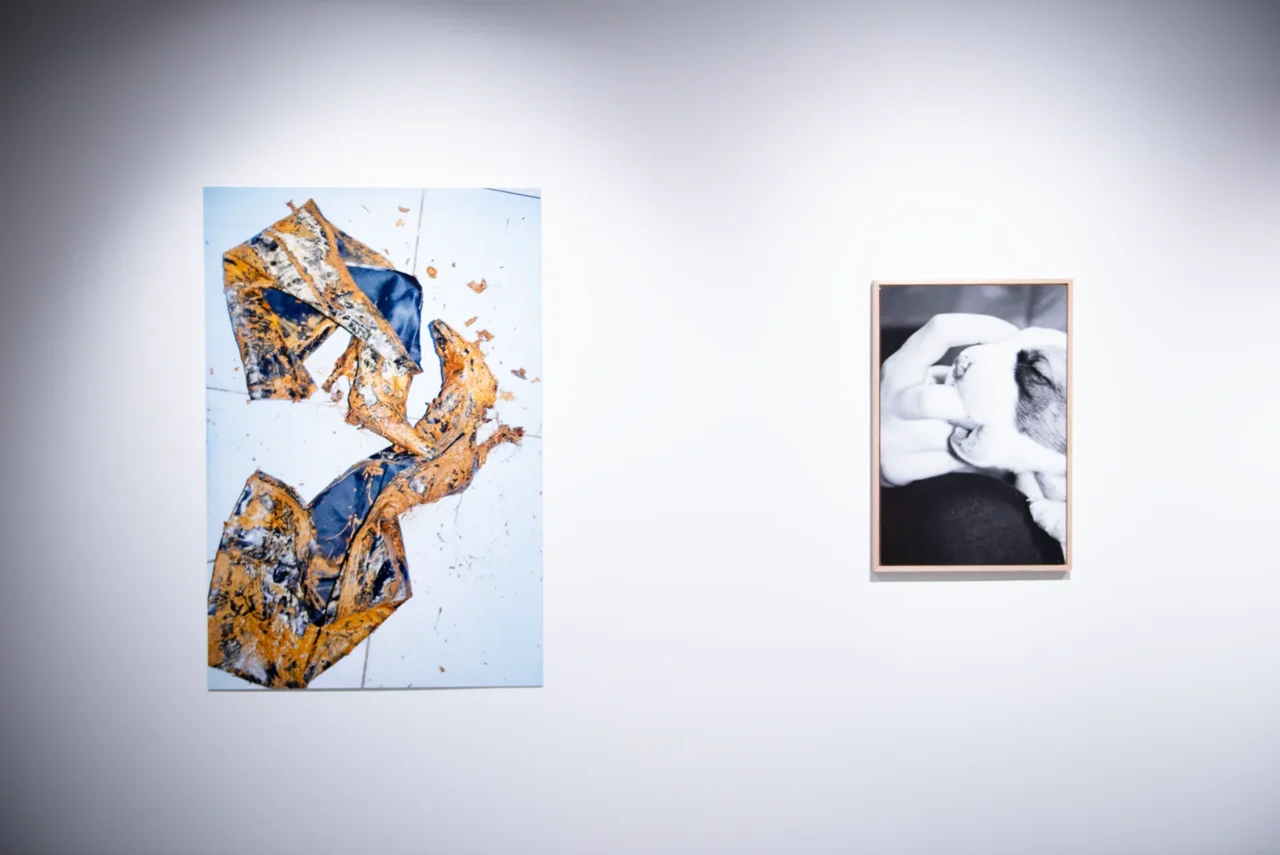
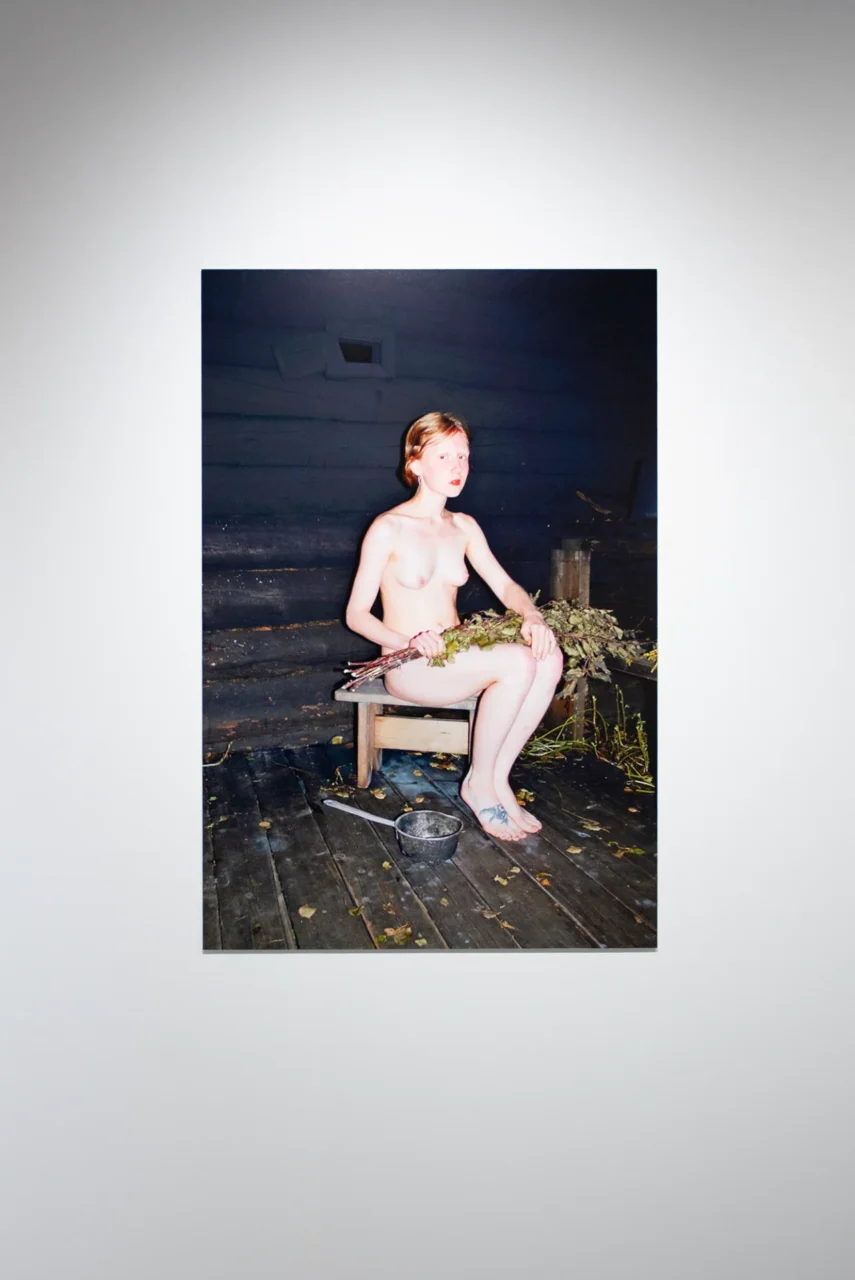
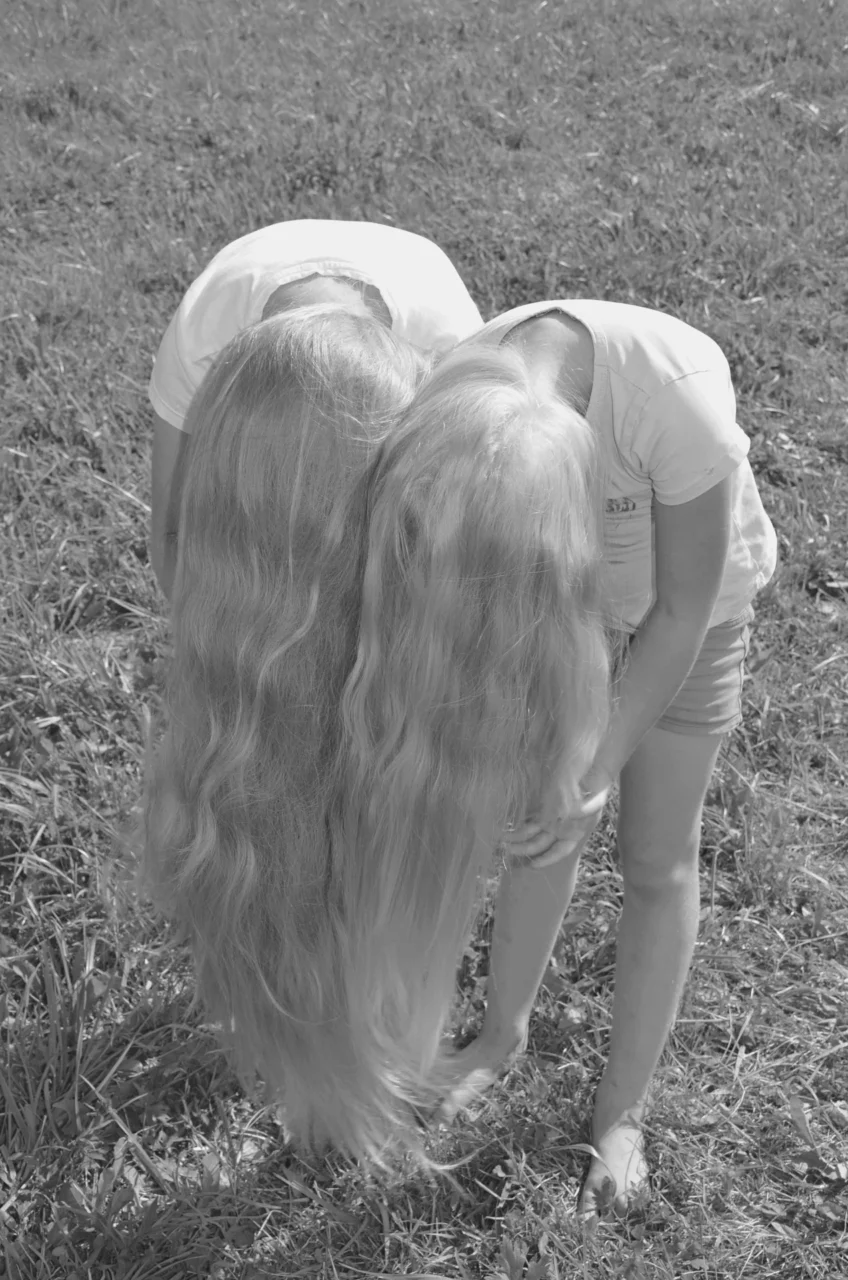
Left: We Love Dirt (2025) / Right: Deep Latch (2020)
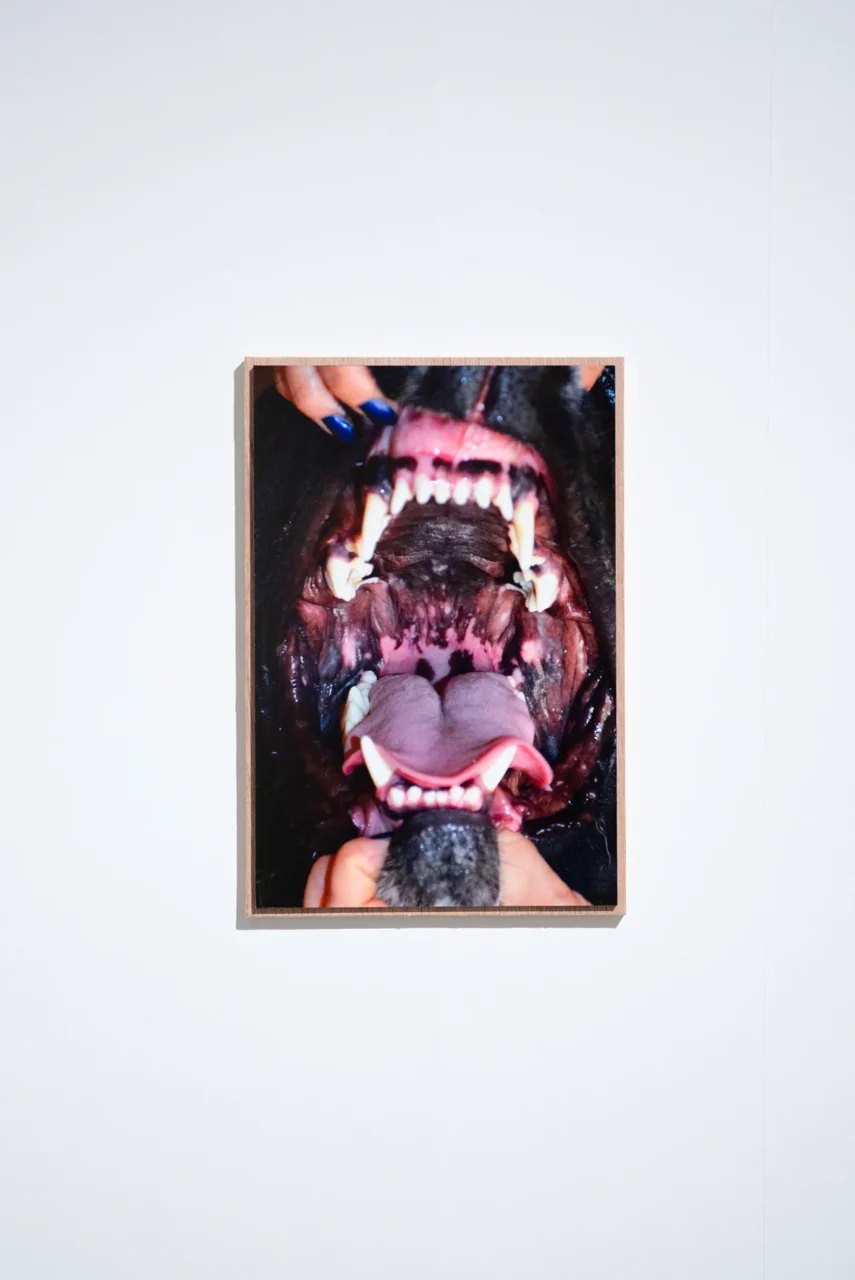
Kristina: The schools I went to were not very strong academically, and I was bullied at times. When that happened, I would always escape to the library and spend hours reading. I think that was where my interest in aesthetics and philosophy first began.
When I entered high school, I attended a school with a much higher academic level for the first time. I still remember how shocked I was when I realized I could not understand subjects like chemistry at all.
So how did you end up starting photography?
Kristina: I always thought of myself as someone who was not creative, more suited to reading books and writing. I planned to become a researcher, but there was always a small sense of discomfort somewhere in me. After submitting my university thesis, I posted on Twitter at the time saying I wanted to try something new. Then someone I knew reached out and suggested I try photography, and even lent me a camera.
Once I started taking photos, it felt completely different from writing. Through photography, I had this intense feeling of becoming a creator, almost like seeing from a godlike perspective, where I could visually bring a new world into existence. From that moment on, I began to explore what kind of expression photography could offer.
INDEX
Escaping Reality Through Dachas and Saunas, and a Body of Work Born from the Pandemic
While you were in the master’s program in philosophy, you also attended the photography academy Fotografika. What kind of work did you begin creating there?
Kristina: In Russia, there is a tradition of spending time at a second home called a dacha. My family did not have one, but soon after I enrolled at Fotografika, I had the chance to visit a friend’s family dacha.
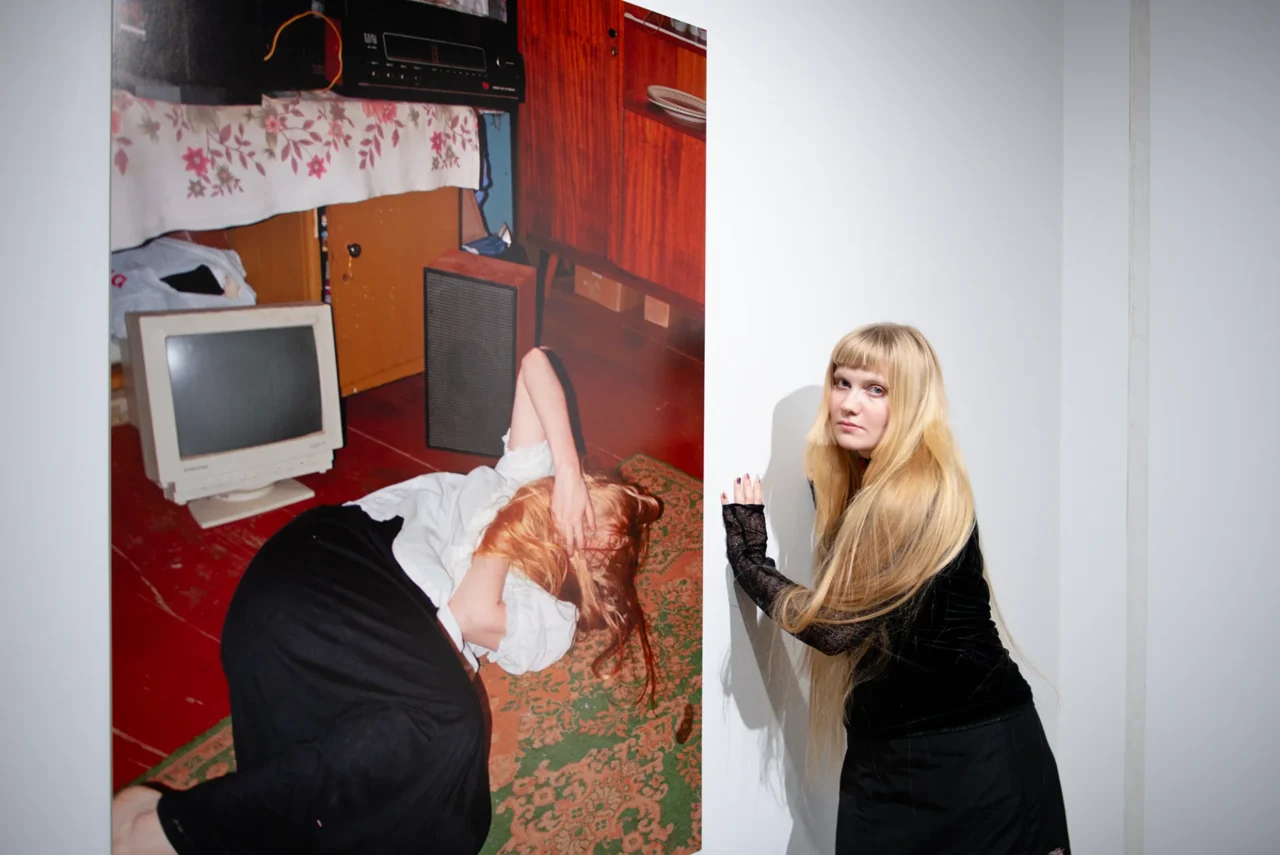
It was my first time experiencing that kind of space, and I started taking photos there. I borrowed my friend’s grandmother’s clothes and dressed up, almost like cosplay, and I also came up with small performances that could exist within the dacha setting and acted them out. Then I captured those moments through photography.
So you started taking photos at the dacha not as a project, but simply while spending time there, and that eventually developed into ongoing work.
Kristina: Yes, exactly. I was not going there with the intention of shooting. I went to the dacha to spend time with friends, to have parties, to relax, especially during the pandemic. But in that environment, moments I wanted to capture would naturally appear, and they gradually took shape as work.
I was not consciously building a series at first, but when I showed the images to the head of Fotografika, they responded very positively. I then submitted the work to competitions, and it began to receive recognition in different countries. That was how my career as a photographer started.
The work feels very specific to the dacha, offering a glimpse into Russian culture, but at the same time, it also opens up a deeply personal world around you and your friends. What was it about the dacha that drew you in and made you continue photographing there?
Kristina: I think that today, not only in Russia but in many countries, people are becoming exhausted by modern society, and time spent away from the city, surrounded by nature, has become very valuable. Going to the dacha, spending time in the banya, it allows you to relax. In the current political situation, I think it can also function as a kind of escape from reality.
Note: A banya is a traditional Russian sauna. Compared to a typical dry sauna in Japan, it has a lower temperature and much higher humidity, and it is often enjoyed as a social activity with friends and family.