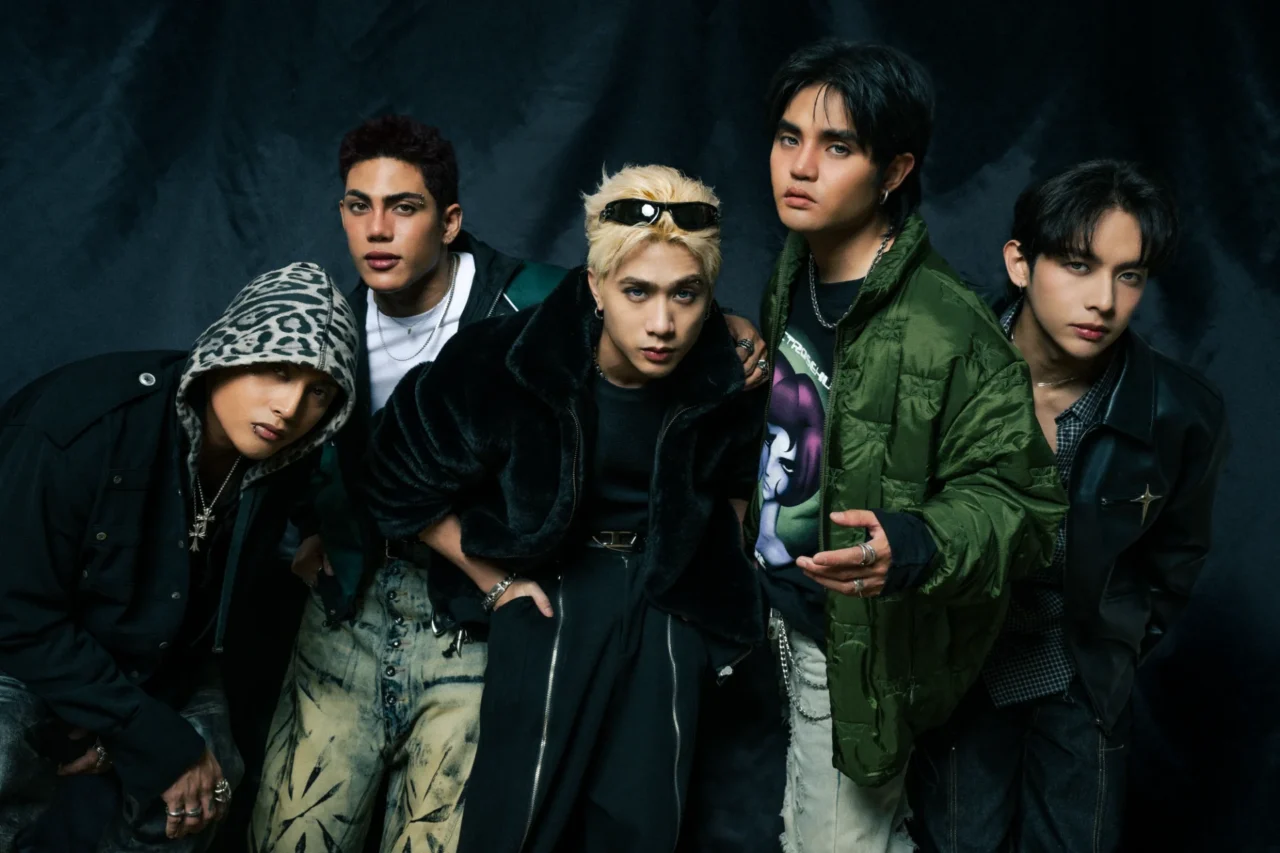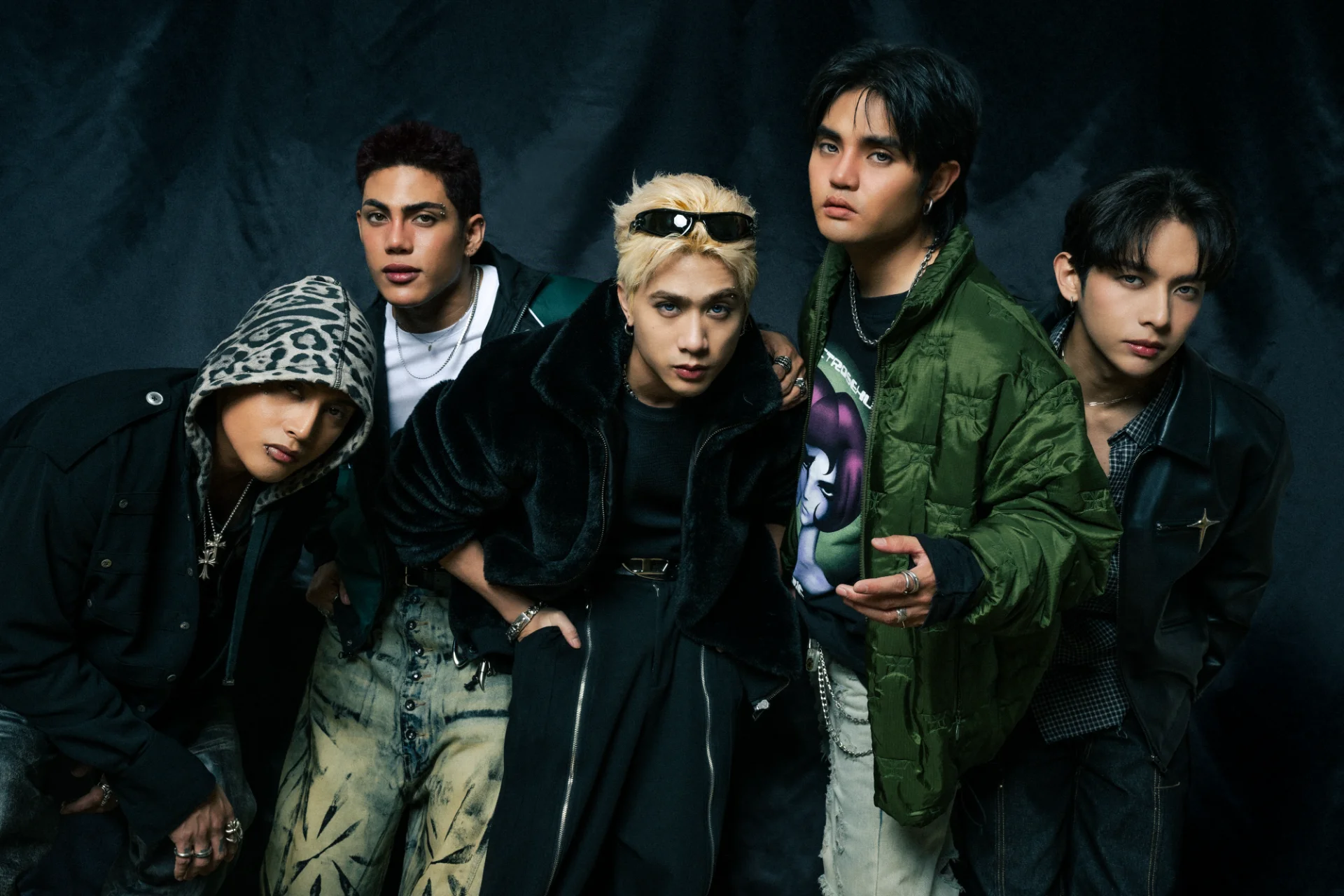
A momentum that refuses to slow, SB19 are stepping into a new global phase.
With their March 27, 2026 album Wakas at Simula, the group expands both sound and scope. The record includes “Toyfriend,” a cross-border collaboration with BE:FIRST, while their growing international presence is underscored by upcoming appearances at Lollapalooza in the United States and SUMMER SONIC. What once felt like a regional breakthrough now reads as something far larger: a movement gathering global force.
At the center of it all is a radical sense of ownership. Through their independent label 1Z Entertainment, SB19 have committed fully to self-production, shaping everything from songwriting to visual direction on their own terms. It’s a creative stance that feels less like strategy and more like conviction.
Emerging from the Philippines — a nation of more than 7,000 islands and over 180 languages — the five members continue to redefine what P-POP can be. In this interview, they unpack the ideas behind their latest work, from humor-laced critiques of social structures to a deeply held resolve to cut through the noise and remain unapologetically themselves. Five distinct voices, one unified vision—this is where SB19 stand now.
INDEX
Five Distinct Identities, One Unified Vision
Self-Production at the Core of SB19’s Sound
First, how would you describe SB19 as a group?
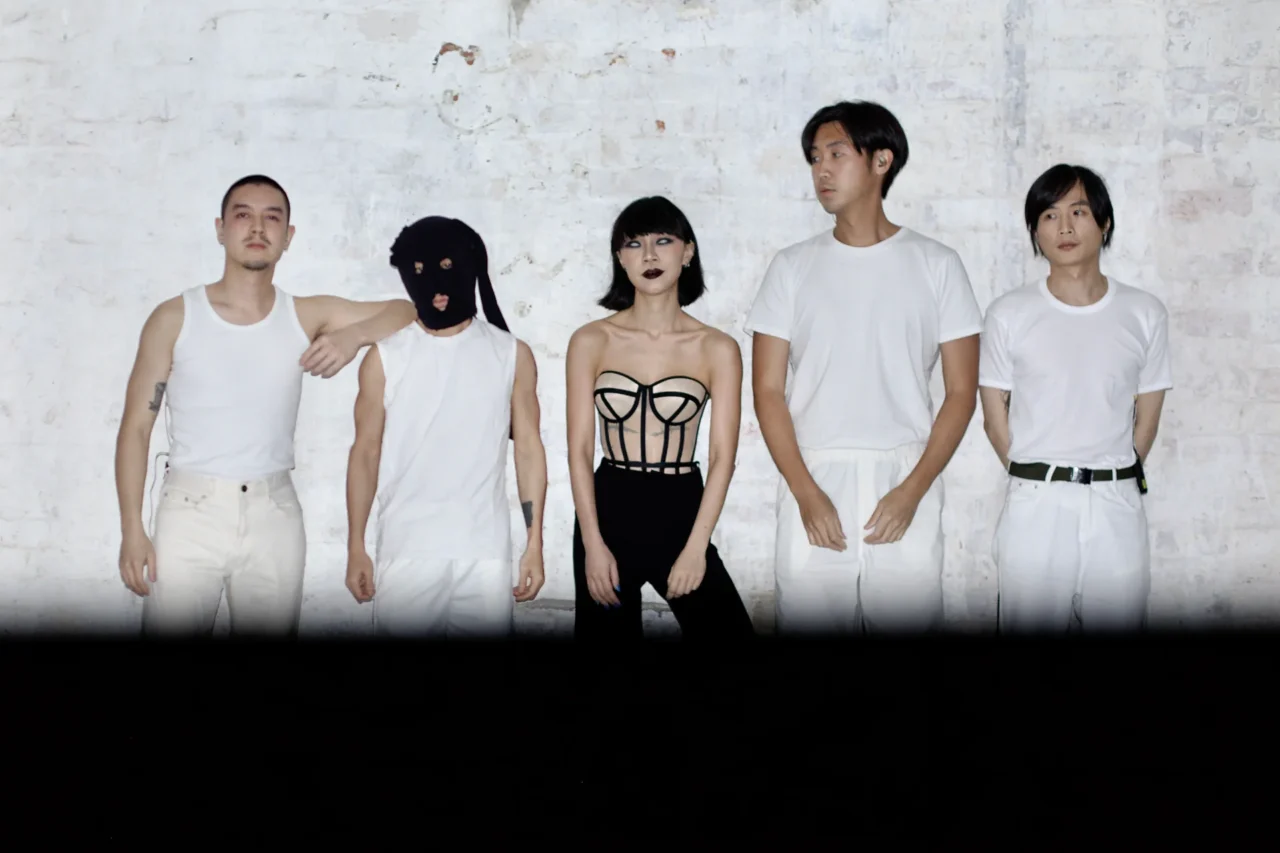
Pablo: We’re a unique group made up of five individuals, each with a distinct personality. When we create music, we bring our own “ingredients” — our styles, perspectives, and individuality — and blend them together. That’s what allows us to create something rich, something that only SB19 can make.
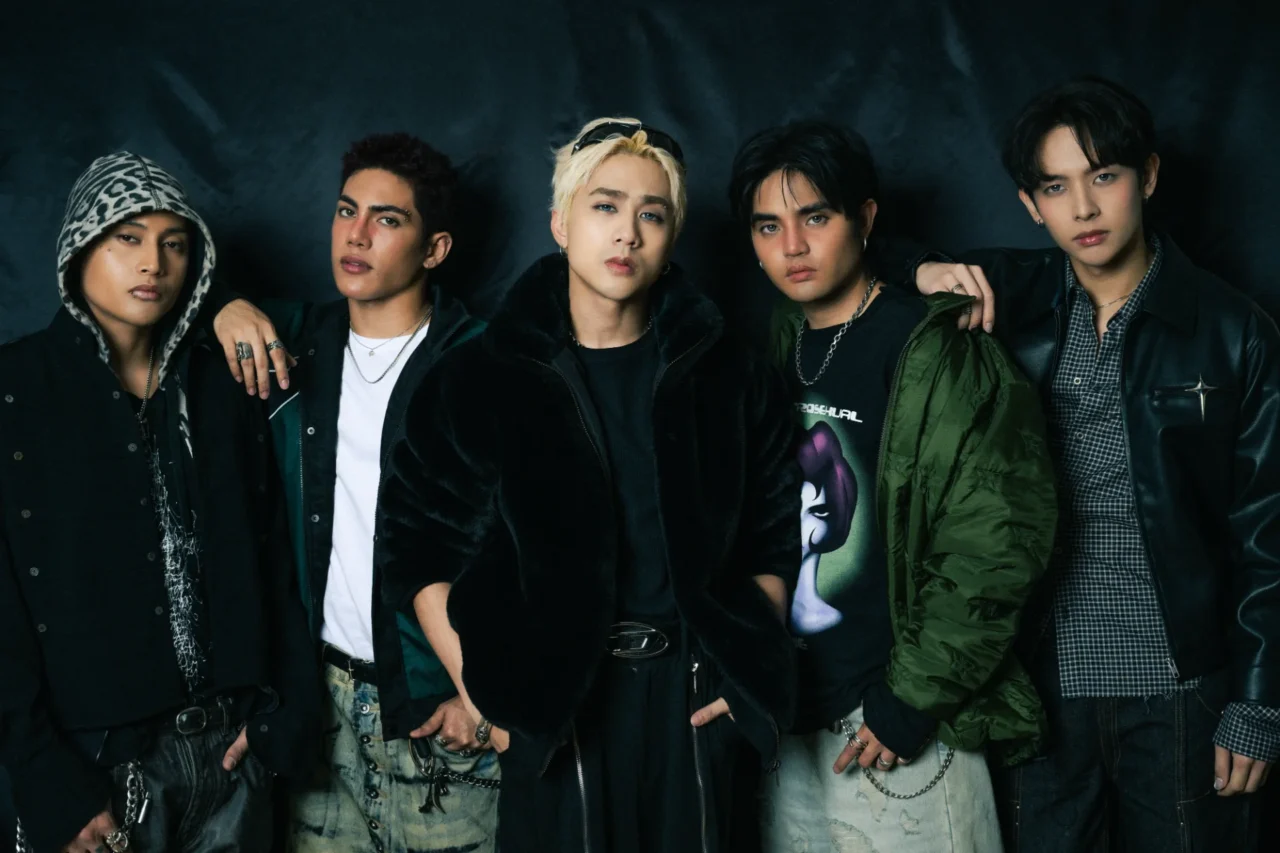
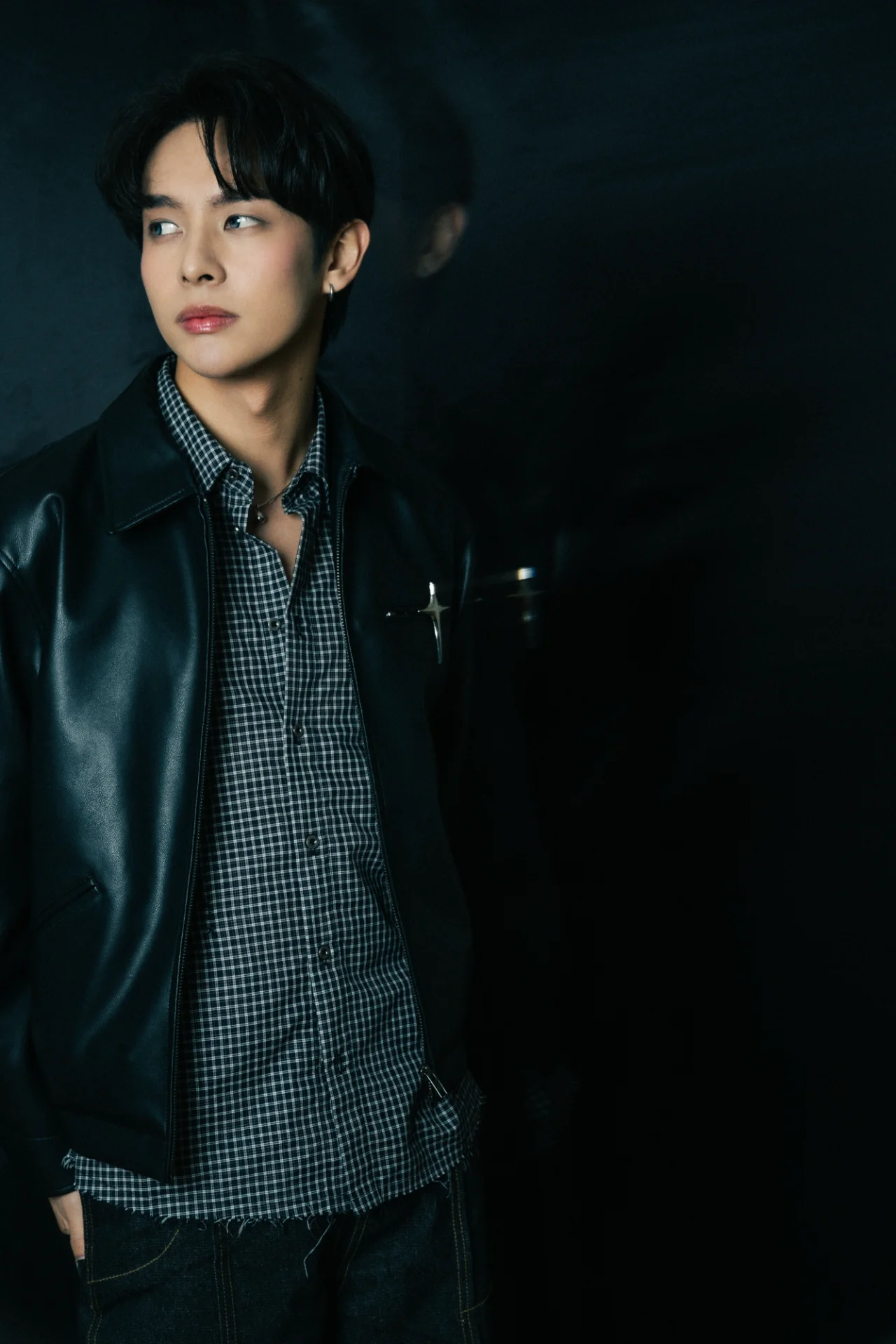
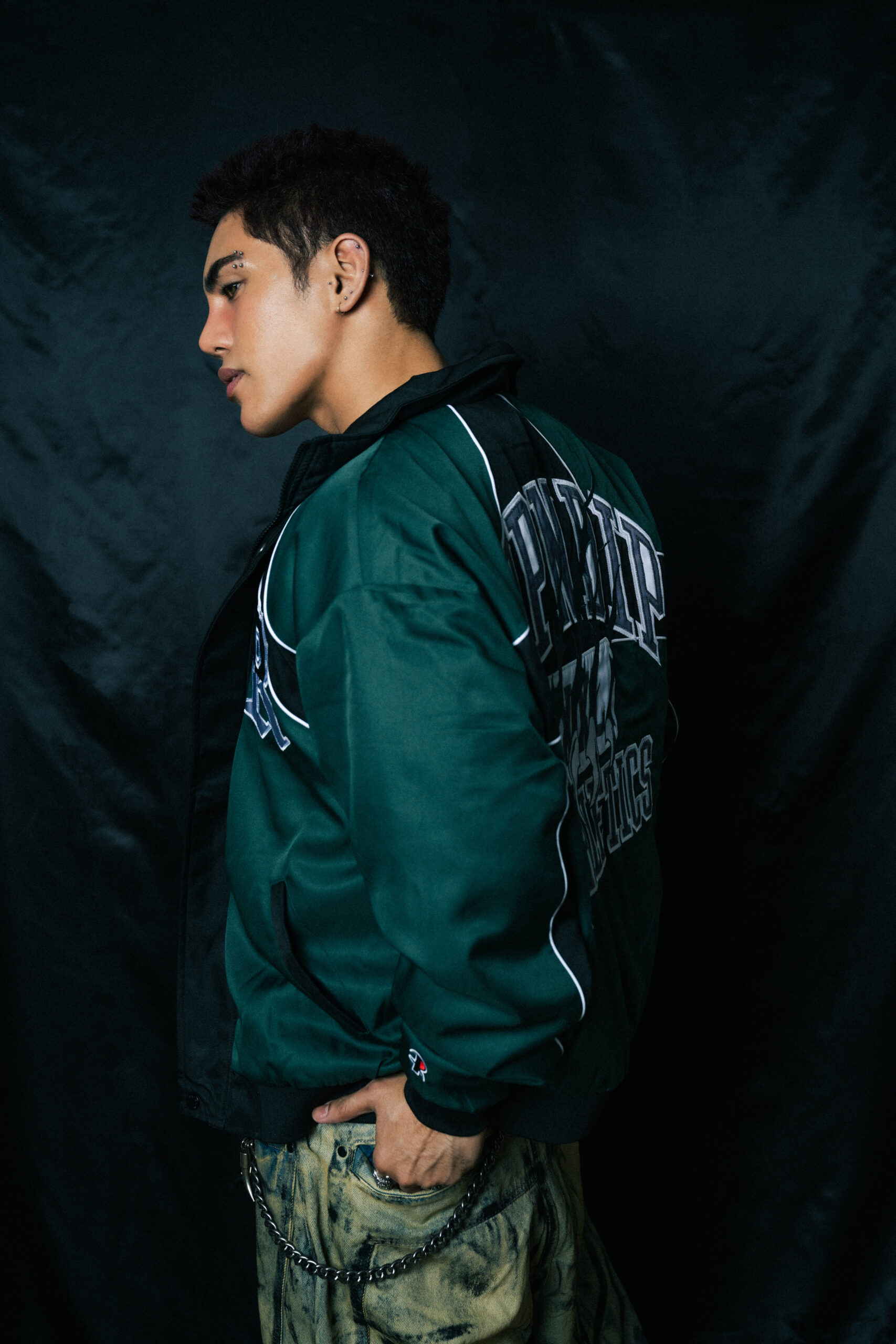
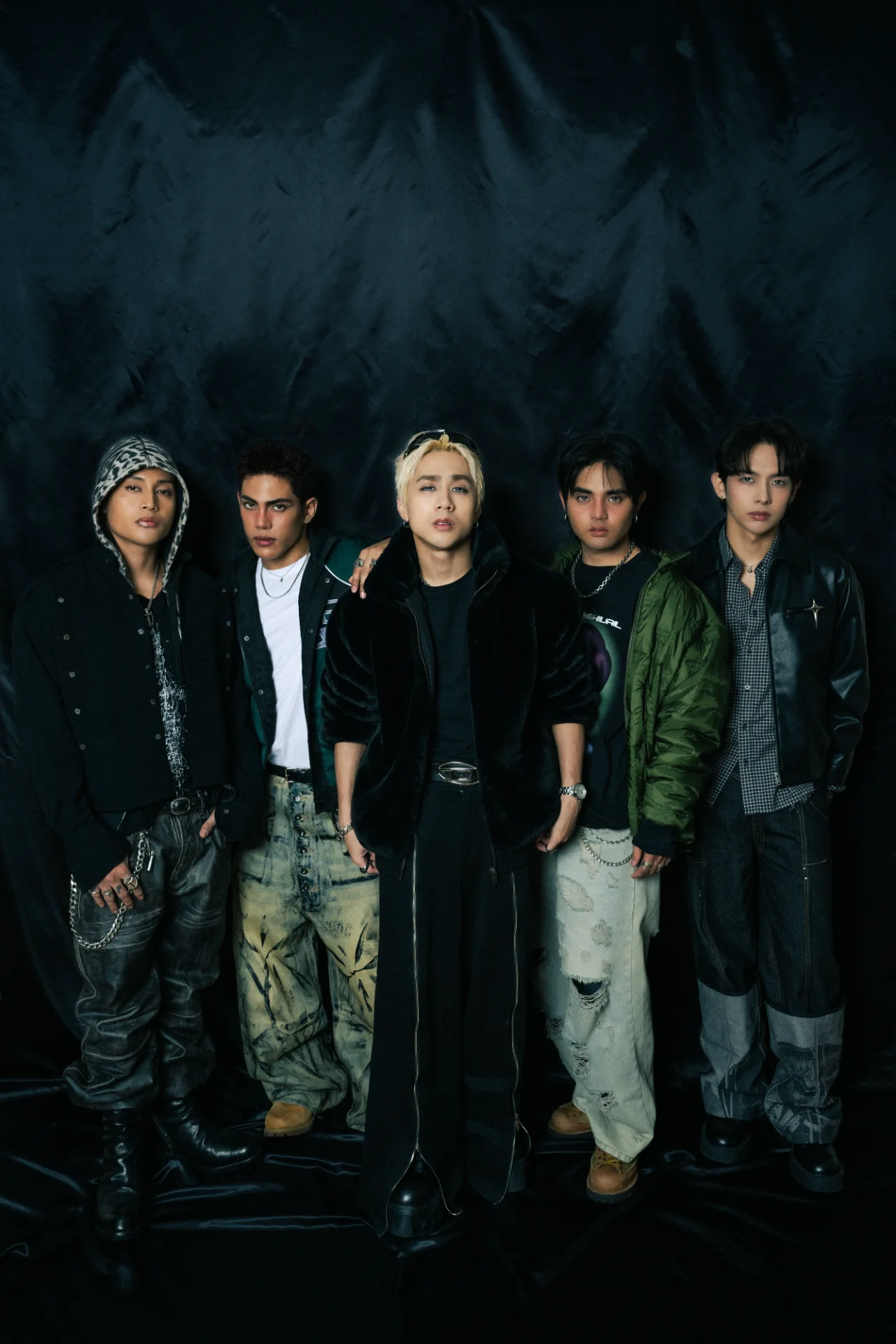
A five-member boy group from the Philippines, consisting of Pablo, Josh, Stell, Ken, and Justin. As pioneers of P-Pop, they have helped propel the genre onto the global stage, selling out tours around the world. In March 2026, they performed at D.U.N.K. Showcase in K-Arena Yokohama 2026, where they showcased their collaboration track “Toyfriend” with BE:FIRST.
Looking ahead, SB19 are set to appear at major international festivals including SUMMER SONIC and Lollapalooza in 2026. On March 27, they also released their latest album Wakas at Simula, which features the aforementioned collaboration track.
Pablo, as the central figure in producing your music, what do you keep in mind when it comes to valuing each member’s individuality and style as “ingredients”?
Pablo: When it comes to vocals, I seriously think about who can best express and deliver the message of each part of the song. The five of us all have different vocal ranges, so I write with each member in mind. Like, “This is a low register part, so Ken,” or “This would suit a higher range, maybe Stell,” or “This section has a playful feel, so maybe Josh or me.”
Josh: Pablo is a natural-born storyteller. He’s been writing poetry for as long as I’ve known him, and I think he even used to write something like novels. When we first met, I honestly thought he was a bit unusual — but the longer we’ve spent together, the more I’ve come to understand him. He’s incredibly good at putting everything in his head into words. That’s one of his biggest strengths.
Pablo: That’s why I’m the best [laughs].
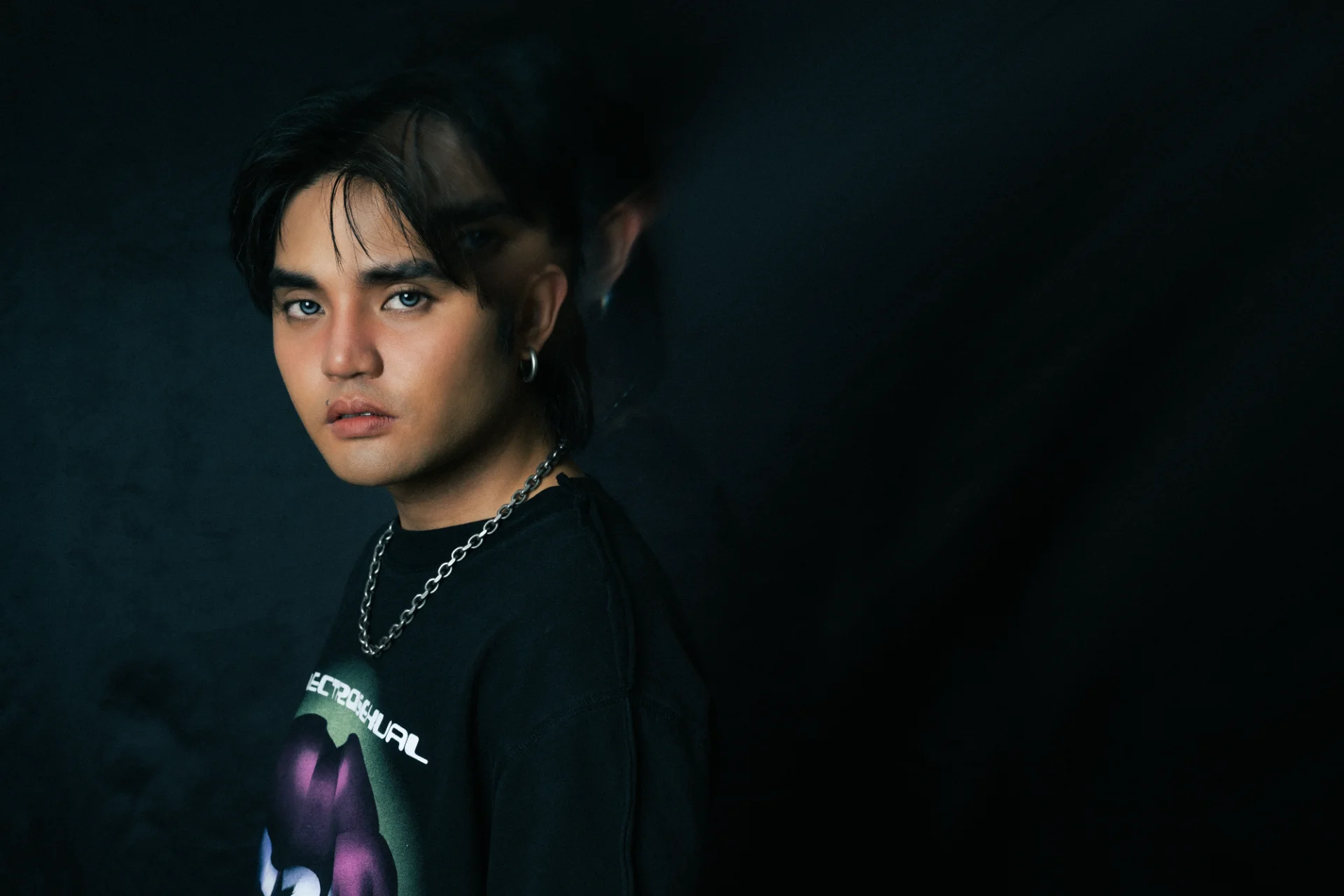
That said, building a career as self-produced artists can’t be easy.
Pablo: Self-production just felt like the most natural way to express what SB19 is. Back when we were trainees, the only formal guidance we really received was on stage presentation. Everything else—how to sing, how to dance, even how to approach recording—we had to learn on our own, or teach each other. Because of that, we’ve always valued our own experiences and our way of doing things.
In the past, we were involved in almost every aspect of production ourselves—members would create choreography, direct music videos, and handle much of the creative process. So even now, whenever we’re working on a new song or putting something out into the world, we always start by coming together as a group and building a solid foundation on our own. From there, we collaborate with a team who truly understands us, and together we elevate it into something even better.

Hikaru Utada, ONE OK ROCK, Fujii Kaze
Japanese Artists Who Shaped Their Sound
When it comes to self-production, are there any artists who have influenced you?
Pablo: There are so many incredible artists and works out there in the world. Personally, I’ve been watching a lot of theater and films lately, and even when they’re not directly related to music, I find inspiration in those forms of art. If you take a moment to pause and really look at the beautiful and meaningful things around you, there’s always something to take away from them.
Stell: Sometimes we also draw inspiration from our own past experiences. But since we’re a group of five, and each of us sees the world differently, it really depends on the situation.
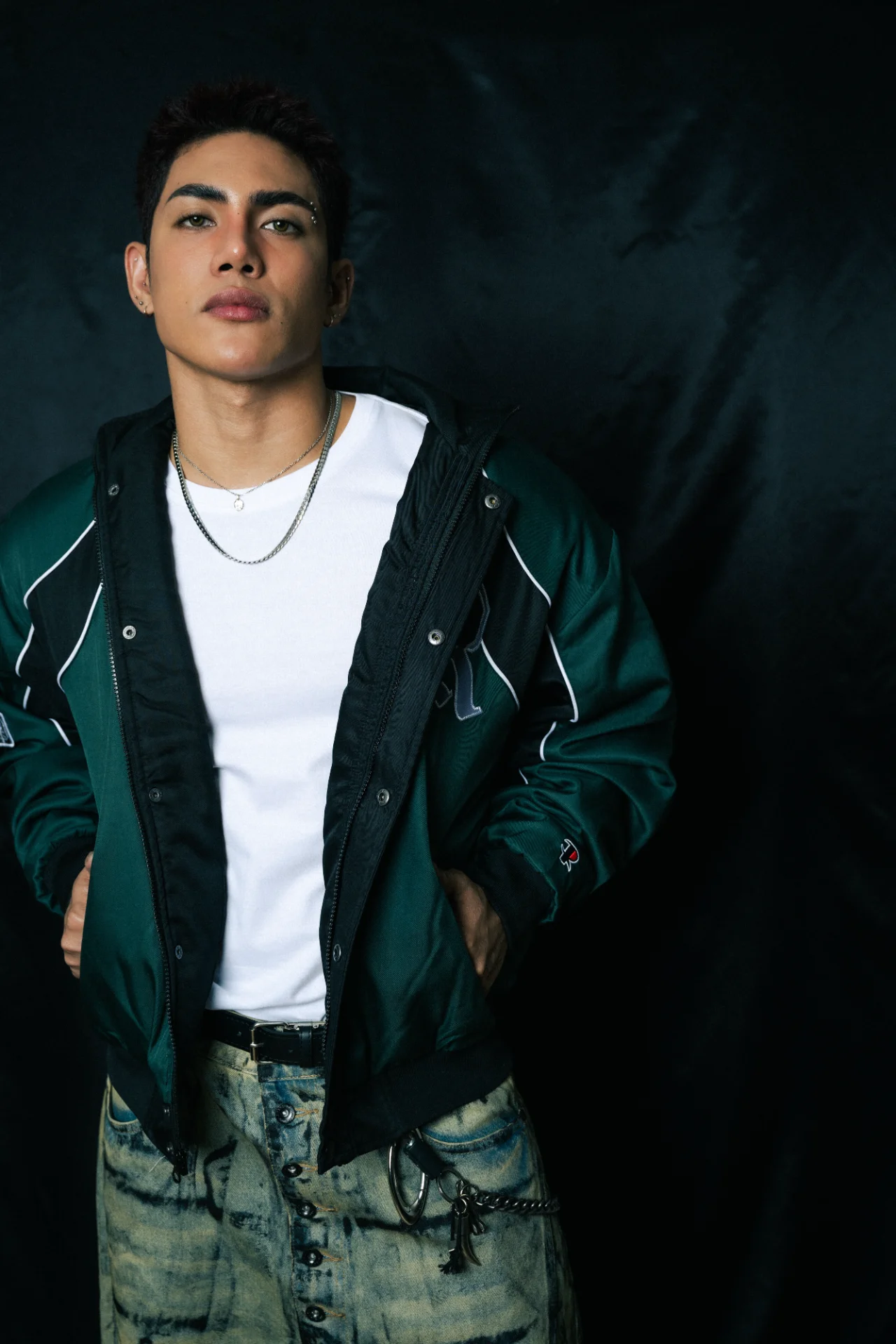
By the way, are there any Japanese artists who have influenced you?
Pablo: Definitely ONE OK ROCK. They were my favorite band back in high school and college. Songs like “Be the light” and “Wherever you are” are so powerful — they really lift you up.
Josh: I’d say Hikaru Utada. They’ve worked on so many original soundtracks, right?
Ken: For me, it’s WANDS! We really love Japanese bands and Japanese music in general.

Justin: For me, it’s RADWIMPS. I first heard their music through Your Name., and I instantly thought it was amazing.
Pablo: It’s such a great film, right?
Stell: I often listen to Fujii Kaze when I’m driving. Every time I hear his music, it brings back memories of when I used to live in Ehime, so I really love it.
While you clearly value diverse influences and individuality, you also seem to have a strong awareness of the global market. Is there anything you consciously do to balance your own identity with a global outlook?
Pablo: The global market… honestly, it’s not something we think about that much. I believe that the most important thing in truly communicating with people is being honest with yourself. If we put out something real, it will reach people — it will feel authentic. And I think listeners will connect with our music and see parts of themselves in it.
So we don’t really focus on things like “global sounds” or trying to figure out how to appeal to everyone. What matters is what we, as a group, are seeking, and who we are as individuals. That’s how we create music that feels real.
Josh: At the end of the day, we all have different tastes. But I still believe that if you approach anything with conviction and give it your all, there will always be people out there who will find you.
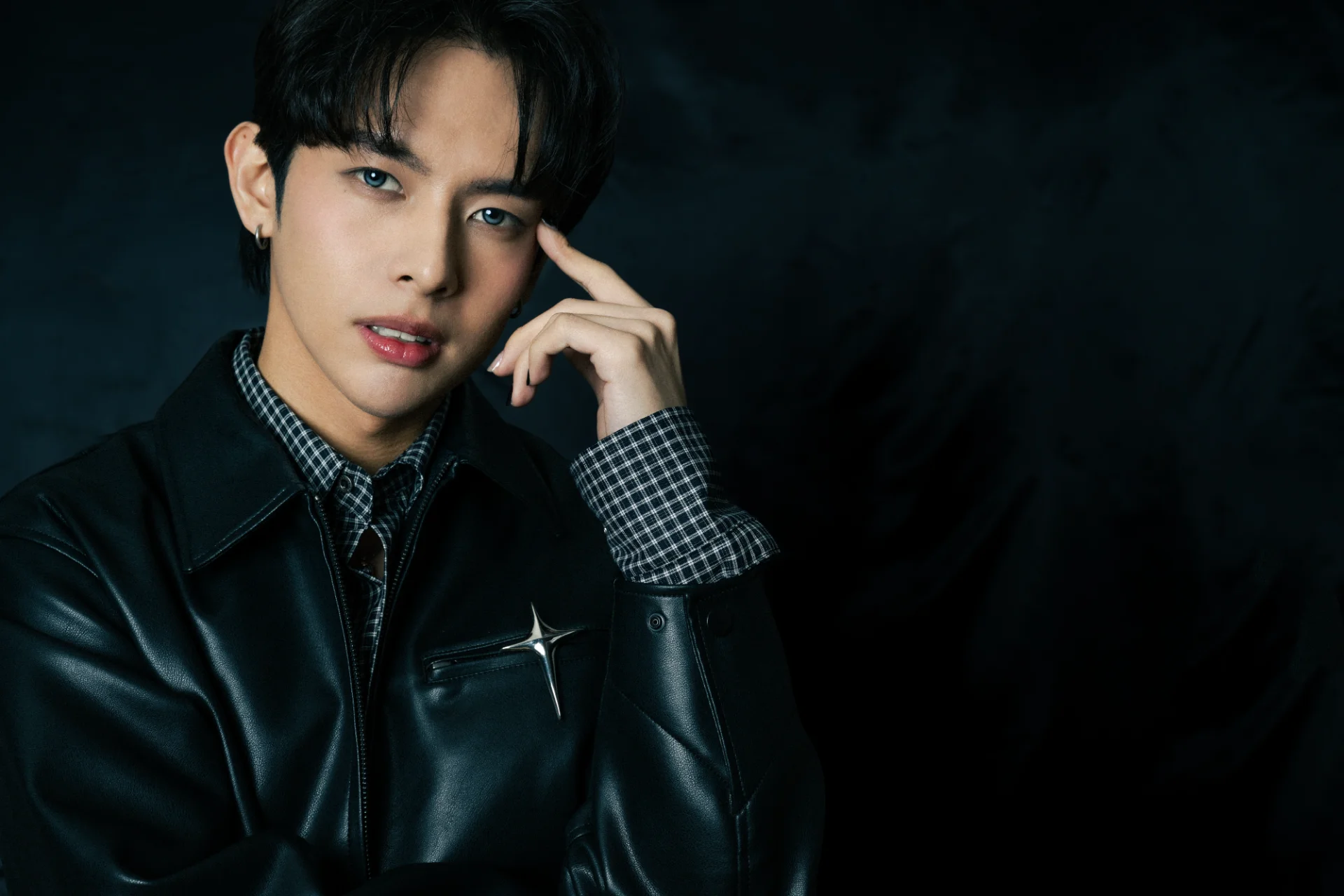
INDEX
Resisting the Noise of the World, Embracing the Courage to Be Truly Real
“Authenticity” and “honesty” have come up several times already — key ideas when talking about SB19. So let me ask again: what does “being real” mean to each of you?
Josh: That’s a tough question…
Justin: For me, being “real” is the same as expressing and deciding for myself. Whatever I choose — that’s what’s real. Because it comes from what I truly want, that’s why I take those actions.
Ken: I think it means accepting yourself as you are—including your flaws and weaknesses. Truly acknowledging what pain is, what happiness is, what sadness is. That kind of state—that’s what it means to be real. And when you’re genuinely open, I think you can naturally be “real” with the people around you too.

Stell: I think being “real” also means stepping outside of your comfort zone — and not being afraid to fail. What matters most is staying honest with how you feel in each moment. No matter how small, trivial, or personal it may seem, you share it without hesitation. By opening up to the people around you, they can begin to truly understand — and feel — what you’re going through.
What about you, Josh?
Josh: I’ve been thinking about it this whole time… it’s a really difficult question. But I feel like “being real” is about accepting that not everything in front of you is necessarily reality.
Stell: Wait, what do you mean?
Pablo: So this moment right now isn’t real either? [laughs]
Justin: Then this—(pointing at something on the table) — is fake too?
Stell: No way! [laughs]
Josh: I mean it in a deeper sense [laughs]. But fundamentally, I think it connects to what everyone else has been saying. “Real” can be interpreted in so many different ways.
Pablo: For me, “being real” is something very simple, but also very complex. Especially in today’s world, where there’s so much discrimination and bias, it can be difficult to just be yourself. Being honest with who you are takes real courage. But when you open up — like letting someone read your personal diary — you give them the chance to understand your true self.
Even though we all seem different, there are so many ways we’re the same. We all have emotions, we all get angry sometimes. But because of all the noise in the world, it’s easy to lose sight of who we really are. That’s why, if our music can help people reconnect with their true selves, then I think that’s what “being real” truly means.
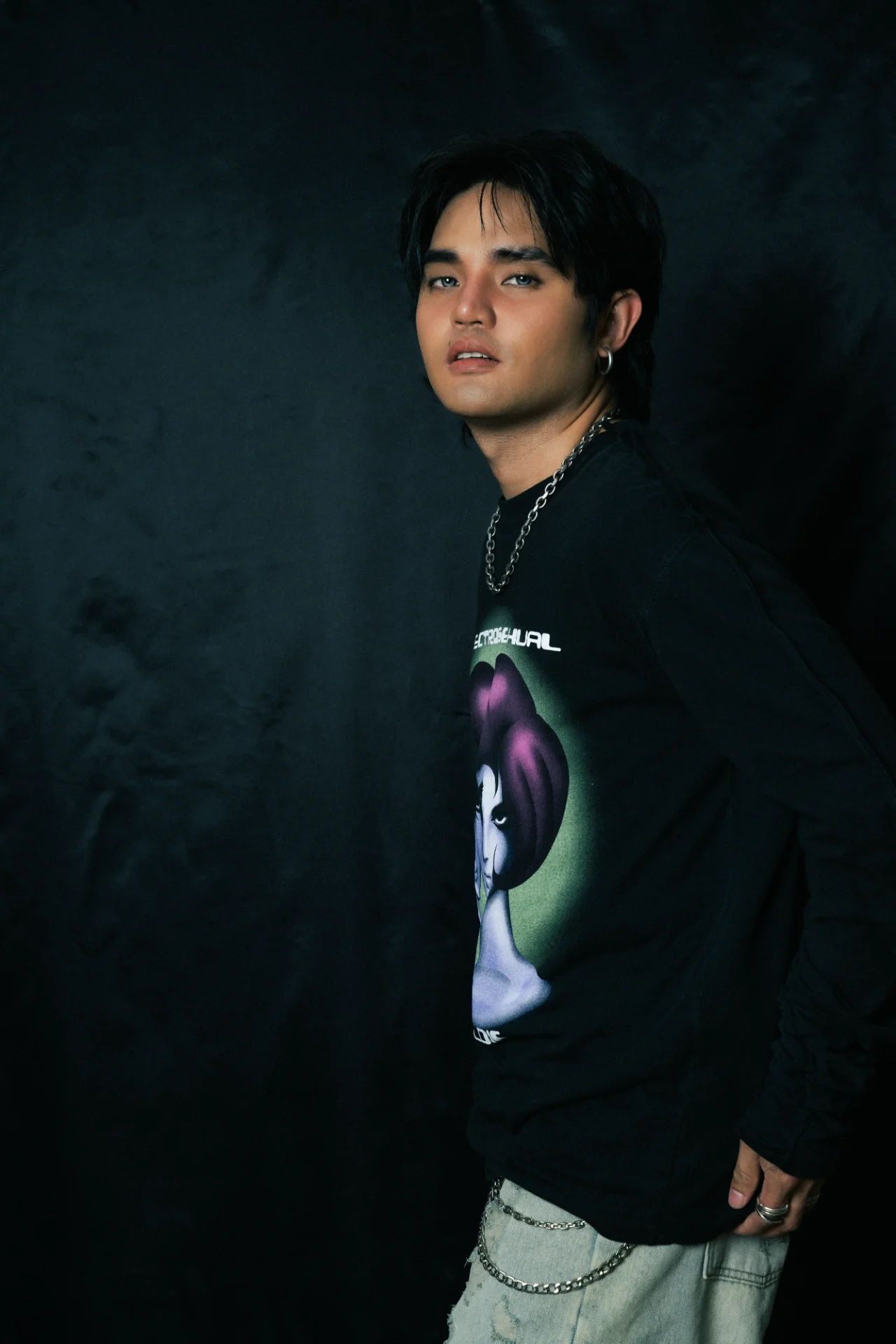
Was launching 1Z Entertainment also one of your choices in order to stay “real”?
Pablo: Yes, absolutely.
1Z Entertainment: An agency founded by SB19 themselves, with Pablo serving as CEO.
Justin: As we continued our journey as artists, we felt more strongly than ever the importance of holding onto our identity and our core as a group. We wanted to stand on our own feet and express who we truly are — and that’s what led us to create 1Z Entertainment.our true selves.
Pablo: What Justin just shared speaks to us as artists — as SB19 — but the “realness” we believe in extends to everyone involved. This industry isn’t built by artists alone; it’s supported by creators, managers, and so many others. And among them are people who are genuinely passionate about their work — people who want to make the industry better.
If we meet those kinds of “real” people, we want to welcome them into our home, 1Z Entertainment, and work together to elevate the industry as a whole.
Looking back on the seven years since your formation, what would you say has been the biggest turning point?
Josh: We’ve faced a lot of challenges, but the biggest one was when we temporarily couldn’t use our group name due to a trademark issue.
At the time of their independence in 2023, there was a period when the name SB19 could not be used due to trademark rights, before reaching a settlement with their former agency in December of the same year.
Pablo: It was incredibly stressful to think that everything we had built over more than five years could disappear in an instant. On top of that, we had a world tour coming up, and we were forced to cancel everything. Naturally, we received a lot of concern from fans, brands, producers, and partners involved in our shows. Just like management, our team was under immense pressure — dealing with legal issues, court proceedings, PR responses, and figuring out how to communicate the situation to the wider industry.
Justin: It made us seriously reflect on what we truly want as a group. At the same time as looking back on everything we had built over the years, we were also thinking deeply about our future.
Josh: That period gave us a lot of realizations. It pushed us to think more deeply about what it means to be an artist, about the industry, and about our own lives. In the end, it made us more appreciative of what we have and everything we’ve done. It also strengthened our mindset as a team — we now try to face any problem together and find solutions collectively.
When facing and overcoming challenges, what did you value most?
Josh: I think everything is connected. Every time we face a new challenge, it makes us reflect on a lot of things—not just as a team, but individually too. I find myself constantly asking, “What’s going to happen next?” or “Is this the right path?” But in the end, regardless of whether it turns out good or bad, you just commit to the path you’ve chosen and make it the right one.
Pablo: We’re kind of like penguins. Normally, each of us stands on our own and stays steady, but when it gets really cold and the winds are strong, we huddle together. That’s how we support each other—through constant communication and closeness.
Stell: Thankfully, we also have a strong team that supports our decisions and does everything they can to make sure we don’t feel alone. They don’t just provide the practical support we need for our activities—they’re also a huge emotional backbone for us. We’re truly grateful. Who we are today is because of them as well.
INDEX
Crossing Borders with Humor: The Social Message Behind “VISA”
Let’s talk about your music. What message did you want to convey through “VISA”?
Pablo: Both as individuals and as a team, Filipinos are incredibly talented and full of big dreams. But the reality is that there are systems beyond our control that hold us back—from growing, and from sharing our culture and music with the world. And honestly, whether you’re in an environment where it’s easy to access opportunities or not makes a huge difference.
To go a bit deeper, I also feel that in order to achieve real success in the Philippines, there’s often an expectation to first be recognized internationally. Only after that do you gain full support back home. It’s a bit disheartening, but it’s also a reality that has a significant impact. That’s why we want to open up conversations about these kinds of issues.
It feels like the song deeply resonates with people in the Philippines while also presenting the country’s reality to the world. When creating it, were you targeting a domestic or international audience?
Pablo: Both. This is very much an issue within the Philippines, and honestly, it’s something we feel a lot of frustration about. The country has so much potential, but the very systems that are supposed to elevate that potential aren’t functioning the way they should. That gap is really hard to accept.
Josh: That’s why we want the message in our work to reach not only listeners, but also people in positions of power. If it does, it could at least spark awareness that these systems need to change—and that outdated structures should evolve.

Do you think your growing influence has made it possible to release more message-driven songs for both domestic and international audiences?
Pablo: Definitely. When you don’t have influence, people simply don’t listen. Now that we’re in a position where we can have an impact, we still choose to communicate in a way that feels approachable.
With “VISA,” for example, we took a fairly satirical approach. If you try to make a point too directly, people might shut down or refuse to listen. But when you bring in humor, it becomes easier for them to accept. That’s why we weave meaning and messages into songs that have a sense of playfulness—so we can express what we believe in without closing people off.
INDEX
P-POP: Where Diverse Filipino Culture and Music Converge
As artists within P-POP, what do you find most appealing about the genre?
Pablo: It’s incredibly rich and diverse because it’s shaped by so many different cultures coming together. The Philippines is made up of over 7,000 islands and is broadly divided into three regions—Luzon, Visayas, and Mindanao—each with its own languages and cultural identity. There are said to be more than 180 languages spoken across the country.
If you spend time in the Philippines, you’ll notice influences from Japan, the United States, and Spain. There are even many words derived from Spanish. In a way, the Philippines is like sinigang—a traditional dish where different ingredients come together to create something uniquely flavorful. Even just looking at us, you can see how different we all are, right?
Stell: It really reflects the diversity of the country.
Pablo: Exactly — that’s what makes it so special.
Do you feel that coming from a country with such diverse languages and cultures influences your music?
Pablo: Absolutely.
Stell: Music really has this kind of mysterious power. I grew up watching Slam Dunk, so whenever I hear “Anata Dake Mitsumeteru,” it instantly lifts my mood—I feel so energized, like “I could even get housework done!” [laughs].
Of course, language is a tool for understanding meaning, but thankfully music has a beauty that goes beyond that. Even if you don’t understand the words, when you hear a sad melody, you can still feel the emotion.
Pablo: That’s how it connects people.
Josh: I think language is more like an added layer—it helps us share culture, but it’s not the only way.
Stell: Look at me! (starts singing “Doraemon no Uta”)
Everyone: [Laughs]
Is there a particular way you translate that diverse “Filipino-ness” into your music?
Pablo: I don’t think you need to force specific elements into your music. If the goal becomes “let’s make this sound Japanese” or something like that, then it stops being real or authentic. When we feel that a Filipino sound is necessary to express a certain message, we incorporate it naturally. That’s what makes it feel more organic.
What matters is not starting from the idea of “we have to include Filipino elements here.” First, we draw people in through the message and the overall sound—then, once they’re immersed in our world, we can begin to share our culture and background in a more genuine way.

SB19 “Wakas at Simula”
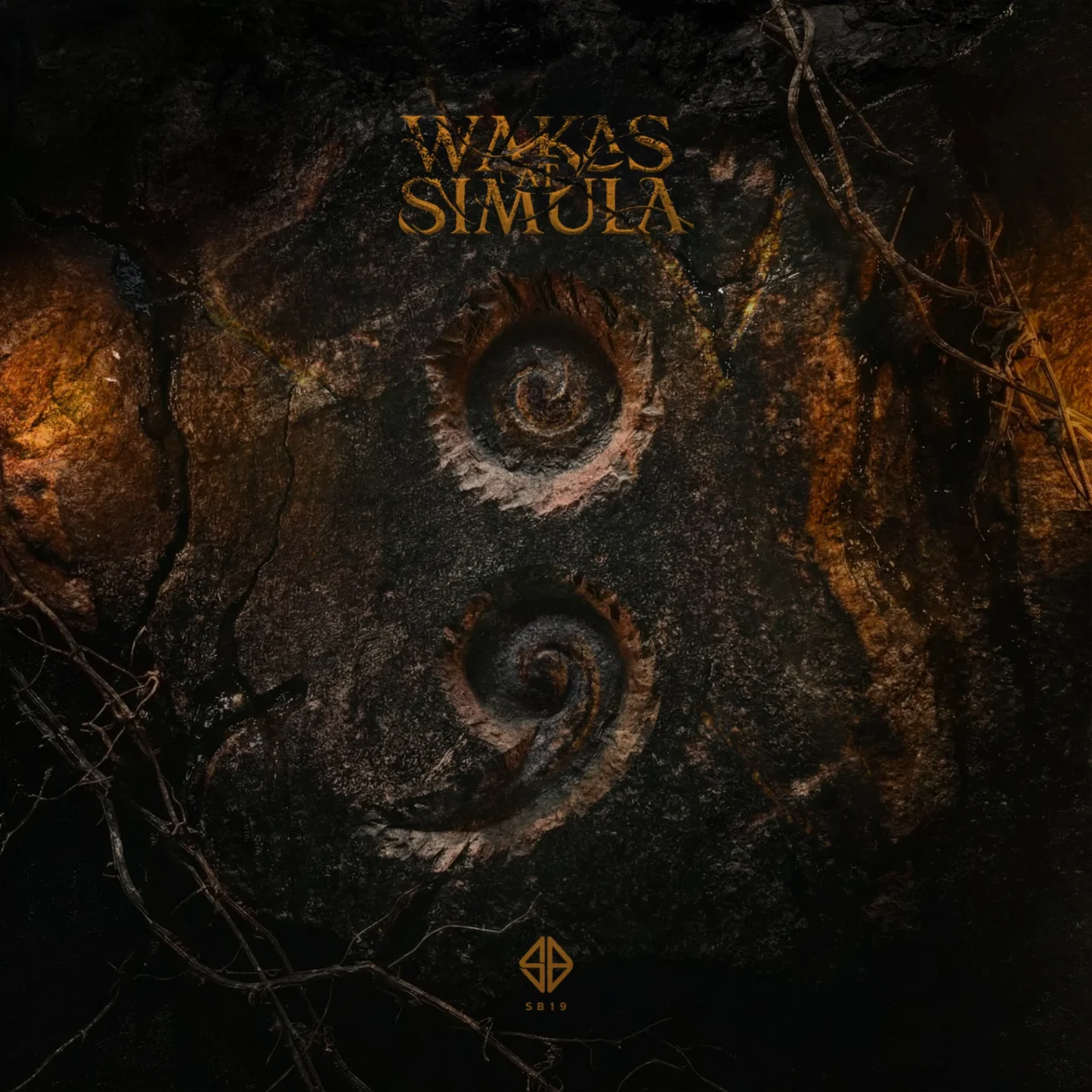
▸ Listen or download here
https://smji.lnk.to/SB19WaS
- VISA
- Memories
- Toyfriend
- Everblack
- Emoji
- Wakas
- What? (Wakas At Simula)
- MAPA (Wakas at Simula)
- Mana (Wakas At Simula)
- Bazinga (Wakas At Simula)
- Ikako (Wakas at Simula)
- SLMT (Wakas At Simula)
- GENTO
- I WANT YOU
- CRIMZONE
- ILAW
- LIHAM
- FREEDOM
- DAM
- Time
- 8TonBall
- Quit
- Shooting for the Stars
- DUNGKA!
SUMMER SONIC 2026
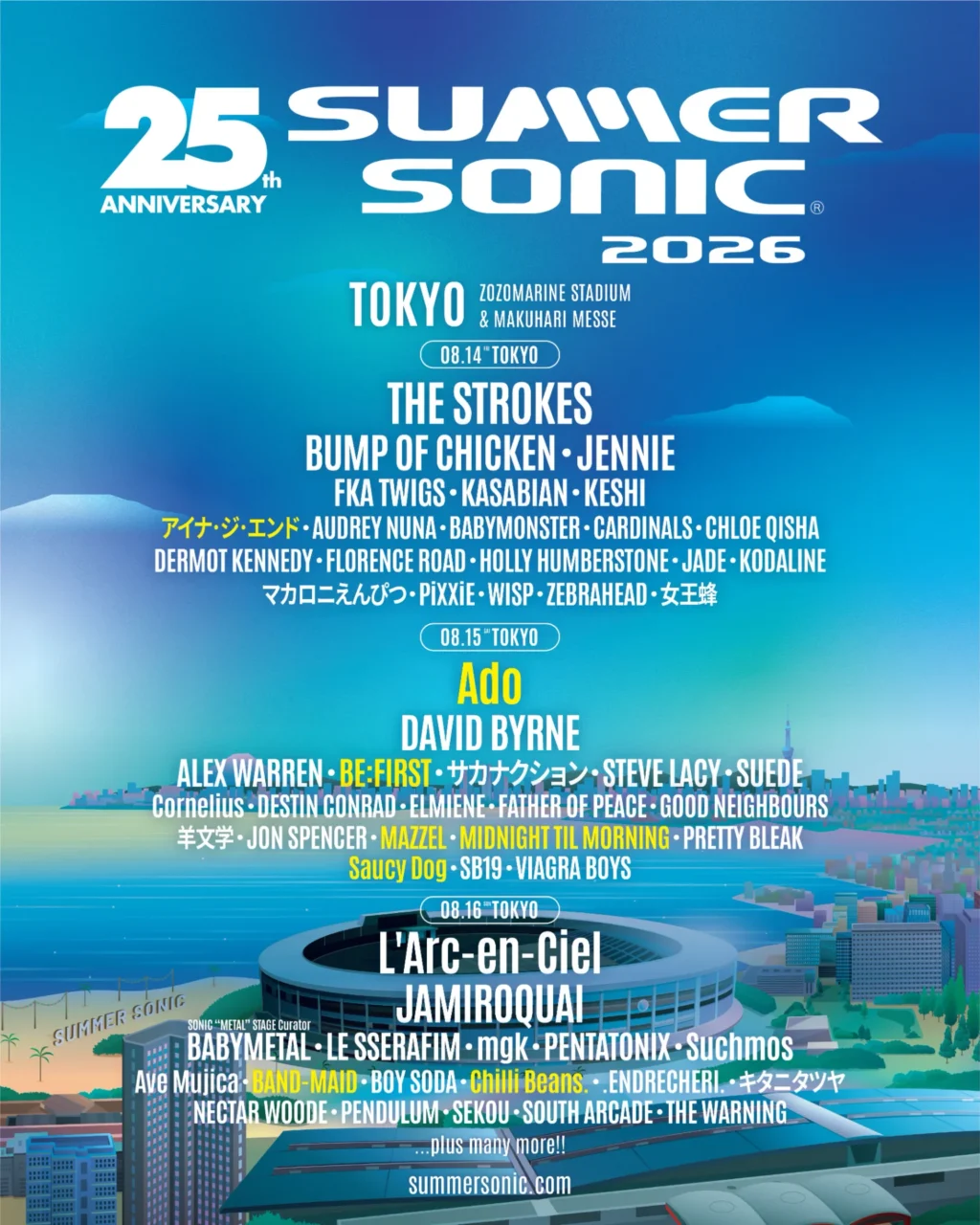
Performance Date: Saturday, August 15, 2026
Official Website: https://www.summersonic.com/
*Performance in Tokyo only