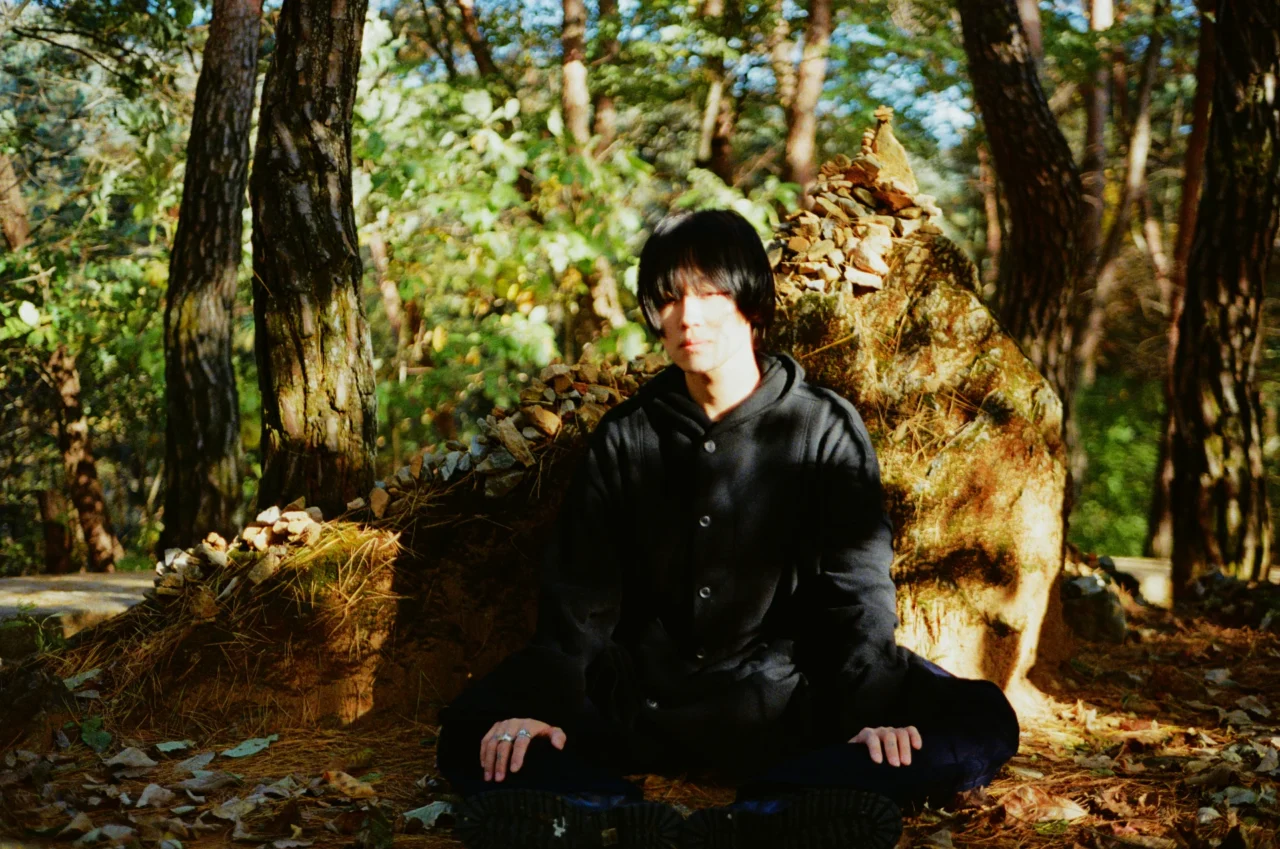
There is a quiet kind of loneliness that runs through the music of DAMONS YEAR. The Korean singer songwriter’s fragile melodies and emotionally raw lyrics have become a refuge for young listeners navigating anxiety, alienation, and the invisible pressures of modern life. At the same time, his songs carry an almost cinematic sense of intimacy, turning deeply personal emotions into something strangely universal.
That emotional pull has taken DAMONS YEAR far beyond Korea’s indie scene. His music has racked up tens of millions of views on YouTube, while his growing presence in Japan has included a Tokyo performance with Saho Terao and an appearance at the TOKYO ART BOOK FAIR. Now, ahead of his first solo Japan tour in May 2026, we spoke with him about the feelings hidden inside his lyrics, the influence of cinema including Shunji Iwai, and the philosophy that continues to shape his work.
INDEX
The Quiet Power of DAMONS YEAR’s Emotional Honesty
Browsing through the YouTube comment sections for DAMONS YEAR’s songs is fascinating in itself. Beneath the music, listeners leave deeply emotional reflections about memories, lost relationships, and moments from their past that the songs unexpectedly brought back to the surface.
“I happened to hear this song you once told me you loved, and it made me want to put a few feelings into words.”
“No matter how hard I try to forget, why are you the only person I can’t let go of? Even when I look back on this year, it feels completely filled with thoughts of you.”
DAMONS YEAR never hides emotions like anxiety, regret, or emotional instability. Instead, he turns them directly into song. Even feelings often dismissed as weakness — dependency, obsession, attachment — are portrayed without denial or shame. Memories of former lovers are not reduced to bitterness either; he quietly revisits the good moments they shared, sometimes even allowing traces of gratitude to emerge.
What runs through his music is not an attempt to neatly overcome pain or resolve emotional wounds, but a willingness to simply carry them as they are. His songs are not built around messages like “you’ll get through this” or “everything will be okay.” Instead, there is a deeper feeling underneath them all: if you are about to fall apart, maybe it is okay to fall apart.
That is why his music feels so comforting. It gently affirms listeners even while they are still holding emotions that feel close to collapsing.
INDEX
“A Work Means Something When It Fully Reflects Who You Were at That Moment”
I heard that you were originally quite shy. Despite that, your lyrics are incredibly direct and emotionally exposed. Was there a particular turning point that led you to start expressing yourself that openly?
DAMONS YEAR: Ever since I was young, I’ve been very introverted. I was never the type to openly reveal my emotions in front of other people. Because of that, there were many times when I couldn’t say what I truly wanted to say in the moment. And the more experiences like that pile up, the more those unspoken feelings refuse to disappear. Instead, they stay with you as regret — like, “I should’ve said this back then.”
That’s why, at least when I write songs, I try to let those emotions out. For me, it felt like the most natural way not to remain trapped in the past. Over time, my lyrics naturally became more and more personal, and I started writing my feelings exactly as they were in that moment.
When I release those emotions through music, they begin to untangle themselves. It makes things feel a little lighter, and it helps me move forward. So for me, music isn’t just a form of expression. It feels more like a process for surviving life itself.
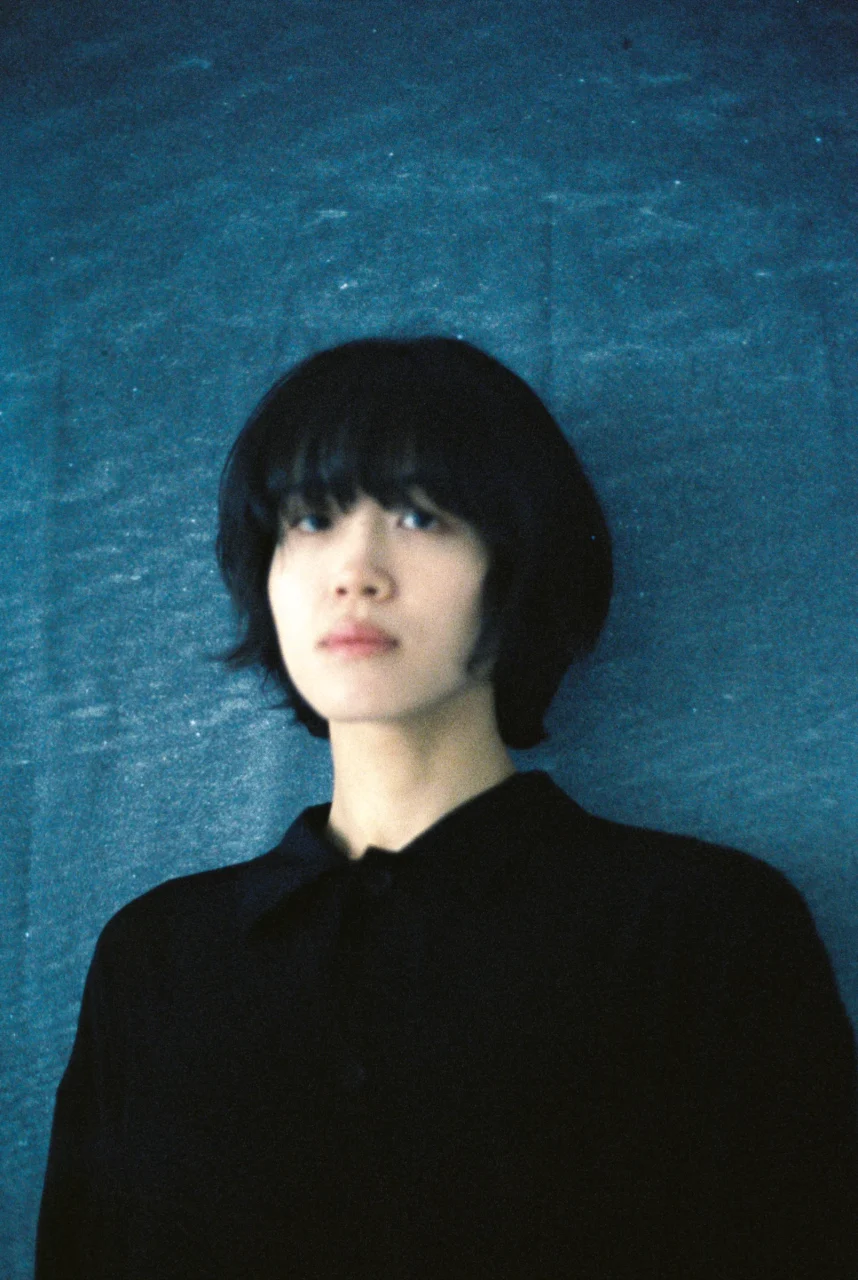
Born on November 8, 1994, DAMONS YEAR is a South Korean singer songwriter known for his delicate vocal style and emotionally vulnerable lyrics rooted in folk music. His work, often centered around feelings of loss and emotional fragility, has earned him a devoted following within Korea’s indie scene, where his solo concerts frequently sell out immediately.
After making his debut in 2017, he gained widespread attention with the 2019 song “yours.” In 2026, he held his first solo concert in Japan with a one man show in Tokyo.
Would you say that “being honest” is one of your core principles when writing lyrics?
DAMONS YEAR: Yes, I think so. To me, music feels like a direct reflection of a person’s way of thinking. When I write lyrics, I try to preserve my emotions exactly as they were in that moment as much as possible. No matter how personal the subject matter is, I usually don’t hesitate to write it honestly. A lot of the music I loved growing up was like that too, and I always wanted to make music in the same spirit.
Which musicians influenced you in that kind of emotionally honest expression?
DAMONS YEAR: In Korea, there are legendary senior artists like Yoo Jae-ha and Kim Kwang-seok. When I was in middle school, I also listened to The Black Skirts a lot. And because I started music relatively late, the influence of Frank Ocean — whom I discovered in my twenties — was especially huge for me.
His music feels extremely personal, but I think that’s precisely why it reaches so many people. Even if a song isn’t glamorous, I believe there’s value in work that clearly captures who you were in that exact moment. And honestly, I think creating music like that is what makes someone an artist.
Emotions like anxiety, obsession, and attachment appear frequently in your lyrics. It almost feels as though those emotions themselves are what drive your creativity.
DAMONS YEAR: I think those emotions are part of my energy too. Everyone is born with different tendencies. Some people naturally carry positive energy, while others carry negative energy. I’m very clearly the latter.
When I was a teenager, I didn’t know how to deal with that darker side of myself, and it was honestly painful. At first, I didn’t want to accept who I really was, so I tried writing songs while pretending to be someone else. But when I listened back to those songs later, they felt embarrassing. I couldn’t even bear to hear them.
At one point, I went through a complete emotional collapse. After that experience, I realized, “I can’t lie in my music anymore either.” Since then, I’ve only written about the emotions I genuinely felt in that exact moment.
The song I wrote during that period became my debut single, Couldn’t Sleep. It was the first time I could truly say, from the bottom of my heart, that I liked one of my own songs. Before that, I think I had always been trying to decorate or stylize my music somehow. But writing that song made me realize, “This is how I should express myself.” In a way, it also felt like the song saved me a little.
Earlier, you mentioned that you began writing your emotions exactly as they were in the moment. On your latest album “CORPUS 0,” I was especially struck by how THE BEACON OF HOPE portrays the feeling of being unable to let go of an almost impossible possibility within a romantic relationship. Generally speaking, emotions like anxiety or obsession are often treated as weaknesses people are supposed to overcome, but this song feels more like it embraces those feelings instead.
DAMONS YEAR: In today’s society, whenever people point out someone else’s flaws or mistakes, it often feels like there’s an unspoken assumption that human beings are supposed to already be complete and emotionally perfected from the very beginning. I’ve always felt slightly uncomfortable with that idea.
Personally, I don’t think human beings are capable of fully controlling their emotions. When you truly love someone, attachment naturally follows. And I think it’s also completely natural for people to experience impulsive emotions that others might not understand. To me, those contradictions are part of human nature itself.
Working on this album especially made me feel that even more strongly. That’s why, in THE BEACON OF HOPE, I didn’t want to forcibly reject or overcome negative emotions. I wanted to express them exactly as they existed.