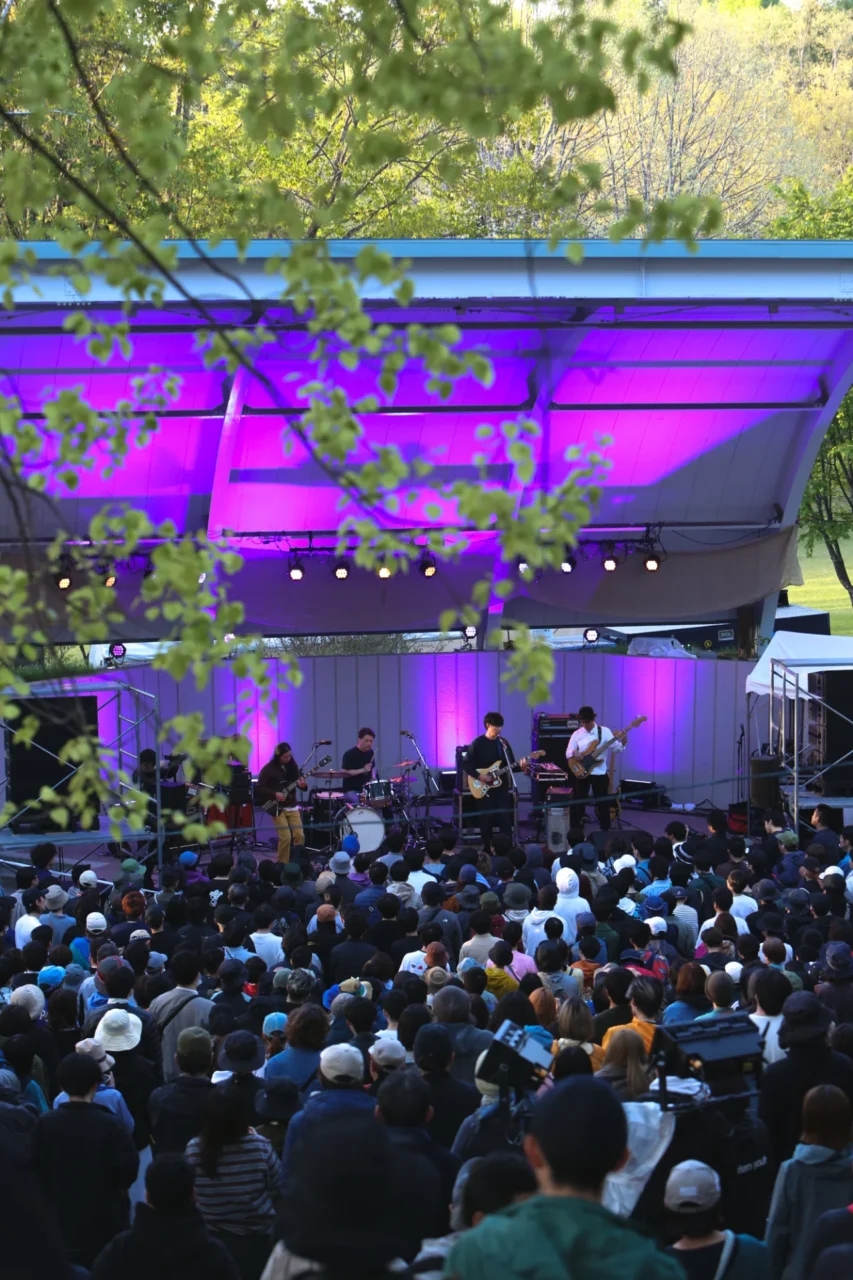
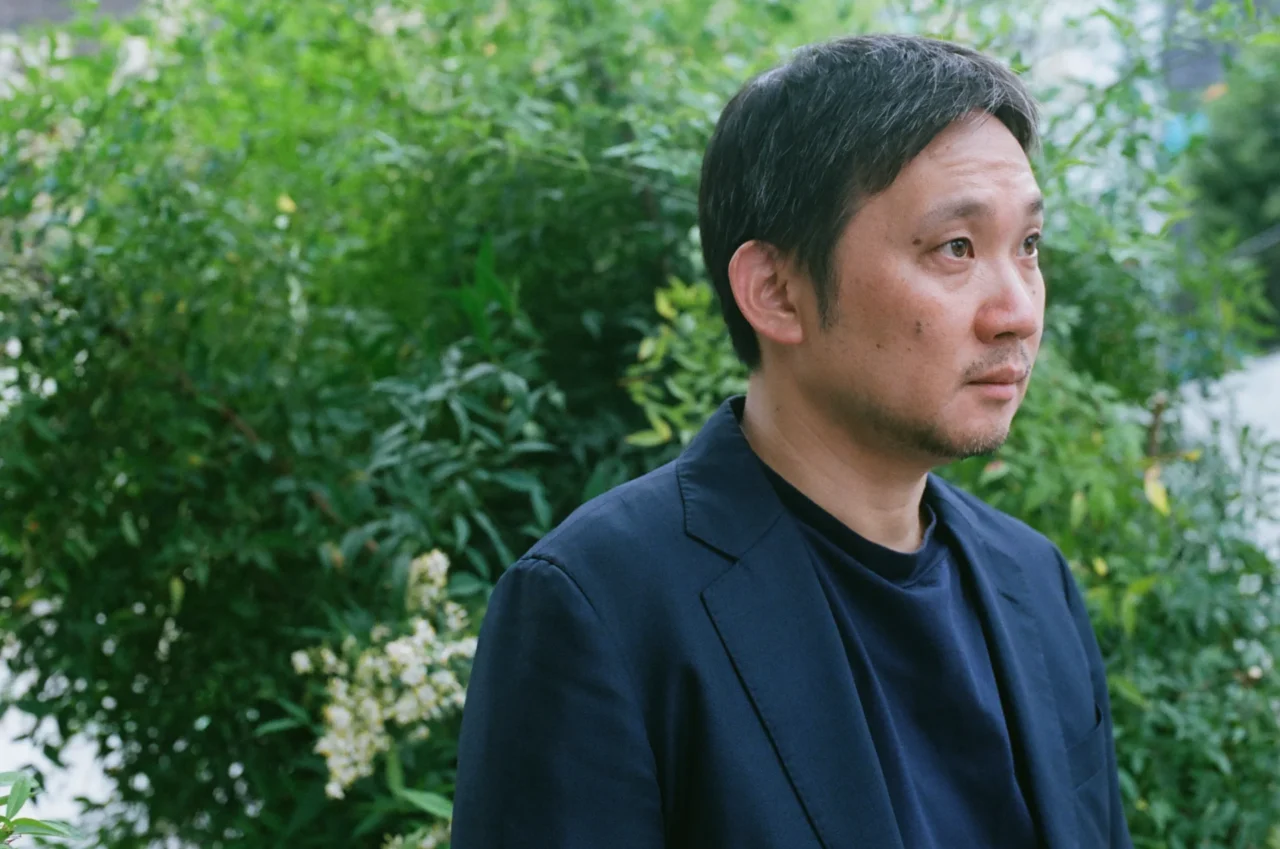
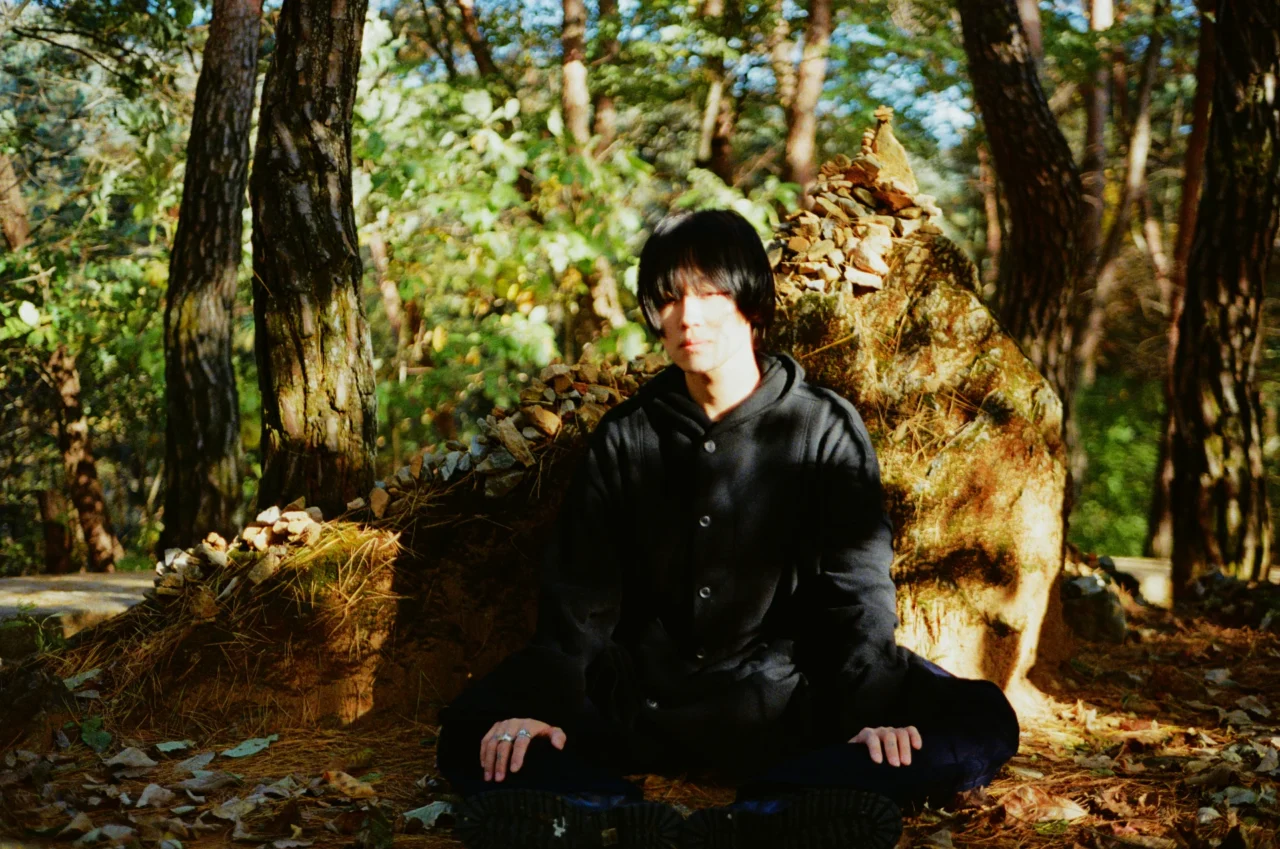
kanekoayano has been added to the Osaka date of OGRE YOU ASSHOLE’s self produced event “DELAY 2026,” marking a reunion that feels less like a booking and more like a continuation of an ongoing dialogue. Having appeared at the event’s inaugural Osaka edition in 2024, and with OGRE YOU ASSHOLE returning the gesture at her own show last December, the two have built a quietly reciprocal relationship over time.
At a glance, their connection reads as understated, but the overlap runs deeper. Kaneko has long cited OGRE YOU ASSHOLE as an influence, and her project’s drift toward psychedelic and krautrock textures mirrors a shared musical language. Behind the scenes, they are also linked by key collaborators such as engineer Soichiro Nakamura and live PA Yukio Sasaki, pointing to a common approach to sound. More than anything, what binds them is an attitude. Their sustained commitment to live performance in Japan and abroad feels almost defiant in an era increasingly shaped by digital saturation and flattened values. The exchange between Manabu Deto and Ayano Kaneko may unfold with quiet composure, but it carries a clear and unshakable intensity beneath the surface.
INDEX
Where OGRE YOU ASSHOLE and Ayano Kaneko First Crossed Paths
When did you two first meet?
Deto: I was invited to DJ at a uri gagarn event at Daikanyama UNIT, and Kaneko was performing a solo set. Do you remember how many years ago that was?
Kaneko: It has not been ten years yet. It was well before the pandemic, around May 2018.
Deto: We did not really talk much at the time, but it was my first time seeing her live, and it left a strong impression. I was simply struck by how powerful her singing was. And then when she finished, even though she had just delivered something so intense, the way she walked off stage felt almost like she was saying that what you just saw has nothing to do with me anymore. That contrast really stayed with me.
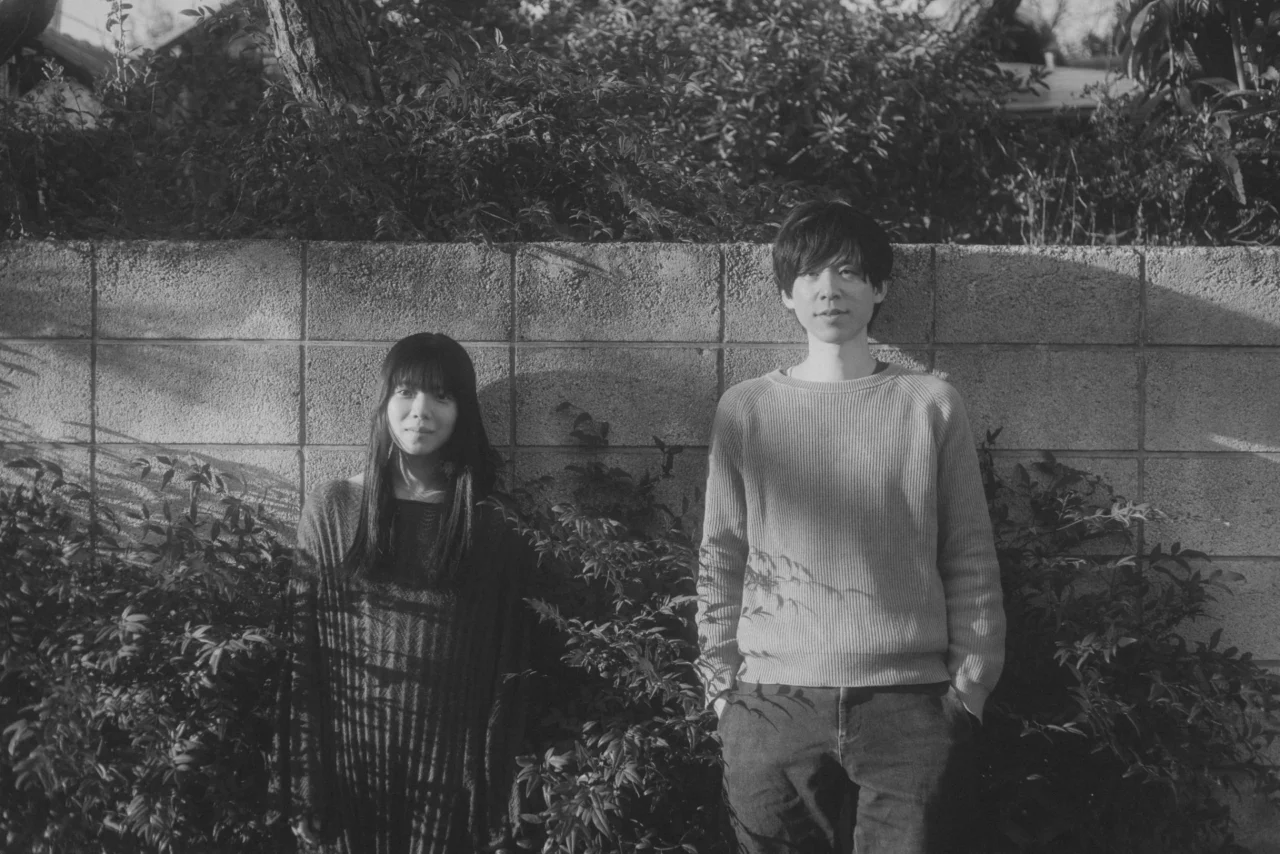
You were already familiar with OGRE YOU ASSHOLE before that, right?
Kaneko: Of course. I even bought a ticket and went to see their show at Hibiya Open Air Concert Hall in heavy rain in September 2018, and I had seen them earlier at Shimokitazawa SHELTER too, so at first I was just a regular fan. Then later, we properly shared a bill for the first time at an event organized by Shibuya WWW in February 2022 at Meguro Persimmon Hall. It felt like a moment where we were starting to think about doing more things together going forward.
That was also around the time when your band was going through changes, like switching support members, right?
Kaneko: That show actually became a bit of a turning point for me. Since it was a co-headline show with OGRE YOU ASSHOLE, Soichiro Nakamura was there, right? He had already been mastering my work, so we had known each other for a while.
That day was also the first time I used an old combo amp I had just bought, but the roadie had set it up using a head instead. Nakamura said something like, you bought that amp because you like its sound, so why are you doing that? It was a small thing, but it made me realize I was starting to forget the sound I actually love.
I had been so focused on other things that I was about to lose sight of it, and that moment really pulled me back. In that sense, that day has stayed with me very strongly.
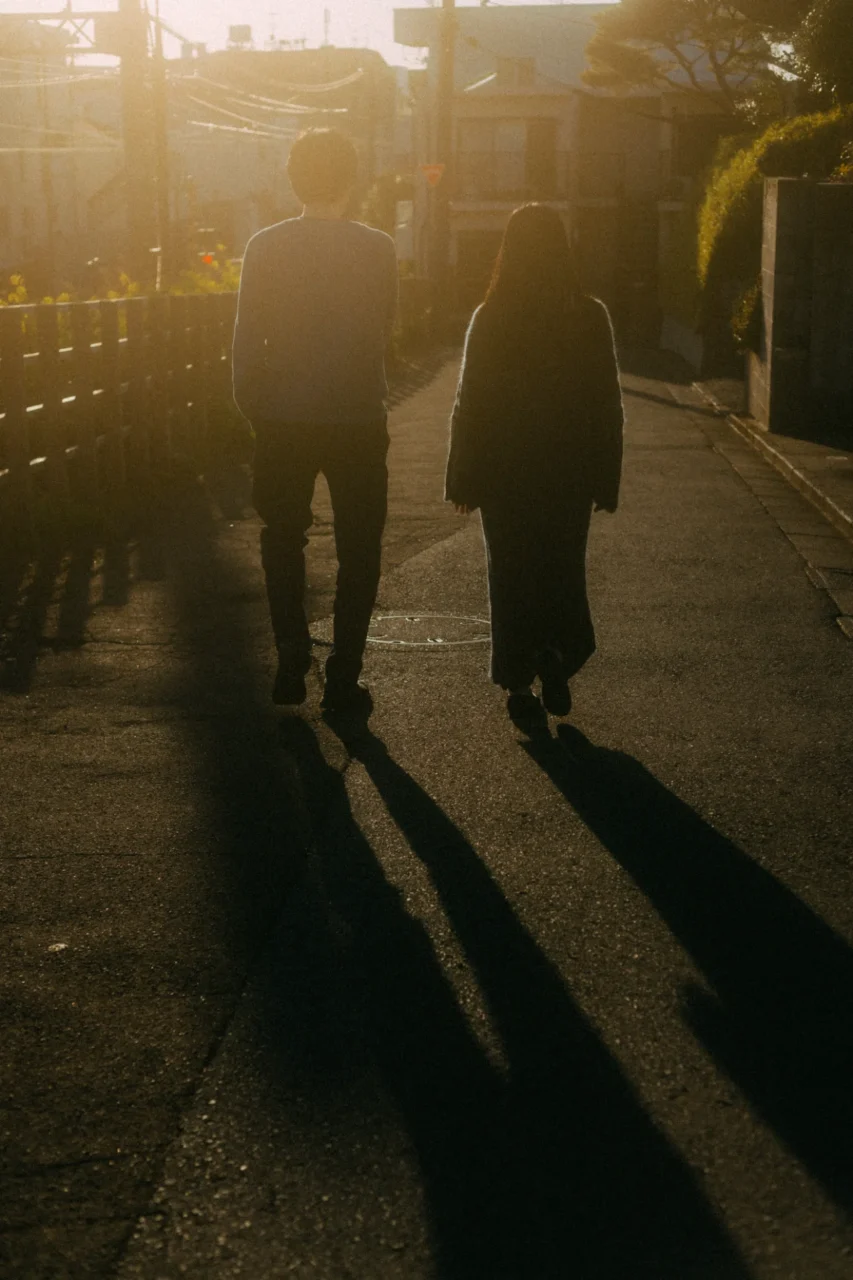
Deto: About two years after that, we asked her to play our event “DELAY,” and we did another co-headline show at Misono Universe. By then, the impression was completely different. It felt like something really significant had happened. I had been hearing people say things like, Kaneko’s band is incredible right now, and that was part of why we invited her. But when I actually saw it, it had truly become something else. I was honestly surprised.
How had it changed?
Deto: The sound of the band had this much deeper presence to it. I had not seen them that many times, so I cannot exactly explain what had changed on a technical level, but the way it hit you was completely different. Before, there was still an impression of her as a solo performer, with her voice at the center and the band supporting it. But at that point, it felt more like a solid mass of sound coming at you all at once.
Even though the name kanekoayano had always been used, and the live setup already leaned more toward a band than a typical singer songwriter format, it felt like the sense of being a band really intensified over those two years, right?
Kaneko: There were some lineup changes, so that was a big part of it. The effects I use and the overall sound direction have not changed that drastically, but changing the rhythm section had a huge impact. That might be the key difference. But also, what I mentioned earlier, being asked that question at the Persimmon Hall show, what is it that you really want to do, that was probably a big moment too. It made me rethink everything from there.
INDEX
A Lasting Love for Bands
There was the Osaka show of “DELAY” in June 2024, and about two months later, your band activities formally shifted under the kanekoayano name. Looking back, why did you decide to become a band?
Kaneko: It already felt like we were a band even before that, we just had not really named it that way. We were arranging everything together anyway, so making it official felt like the most natural and straightforward decision.
I have also always been drawn to bands, so in a way it just made things clearer for me. And if calling it a band meant everyone could commit more fully and push things further together, then that felt like the right direction to take.
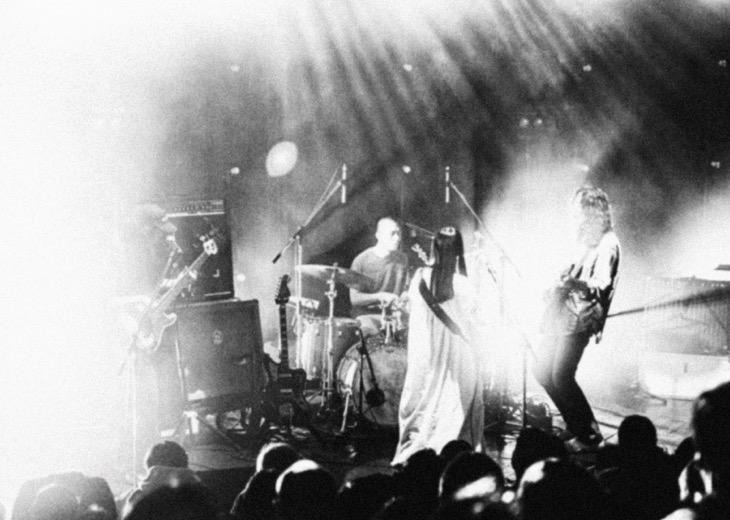
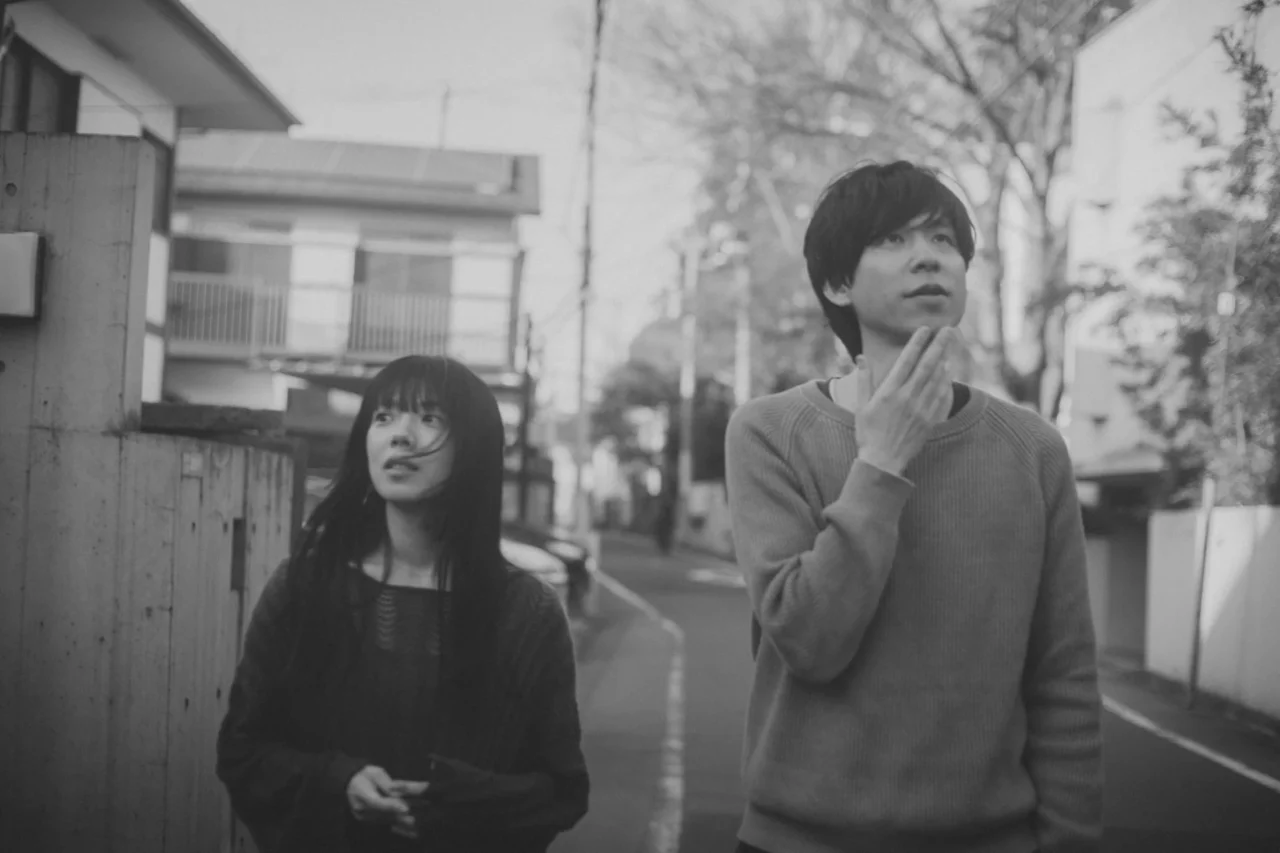
Vocal and guitar Ayano Kaneko
Guitar Hirotoshi Hayashi
Bass takuyaiizuka
Drums SEI NAGAHATA
Led by Ayano Kaneko, kanekoayano is a band that formally took shape in 2024 with the addition of Hirotoshi Hayashi on guitar and takuyaiizuka on bass. In April 2025, they released their first album as a band, Ishi no Ito. In January 2026, SEI NAGAHATA officially joined on drums.
In recent years, the group has expanded their presence overseas, including their third UK tour in 2025, as well as their first tours in Australia and across Asia. They also performed as a sub headliner on the RED MARQUEE stage at Fuji Rock Festival 2025.
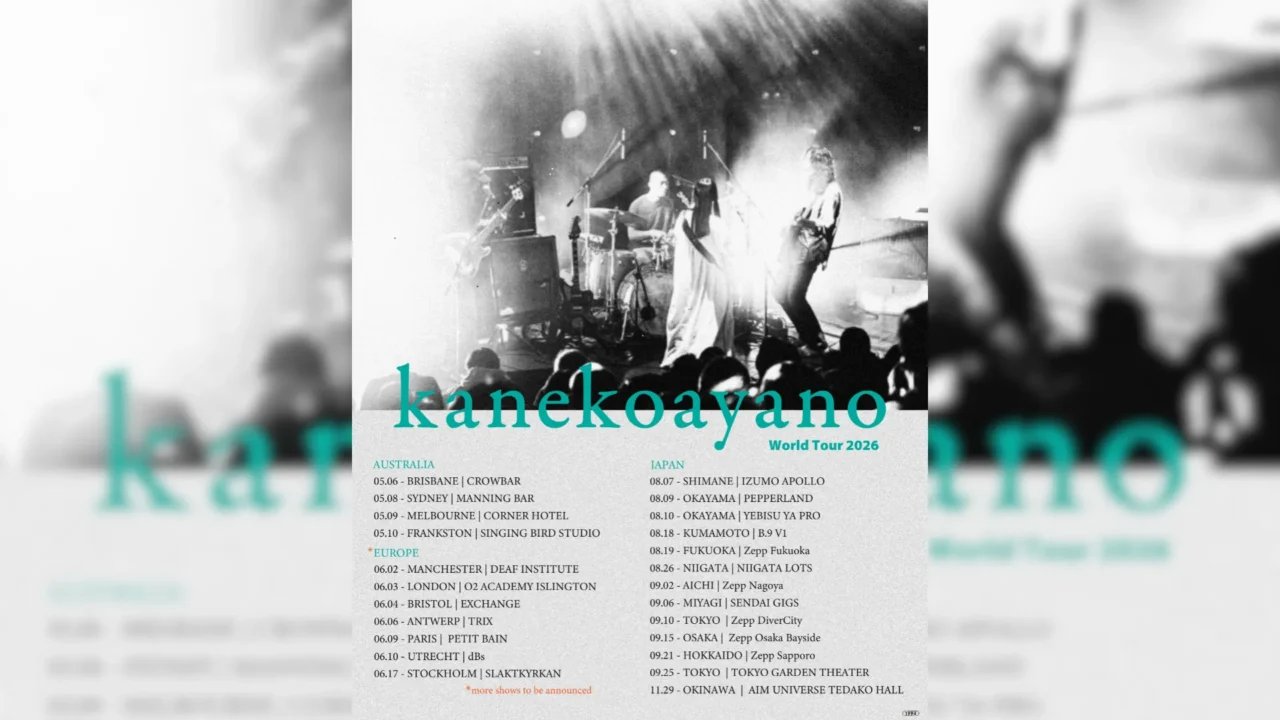
On January 15, 2026, kanekoayano held their first ever solo show at Nippon Budokan. Starting in May, they are set to embark on the kanekoayano World Tour 2026, with dates across Australia, Europe, and Japan.
You have always had a sense of admiration for bands, including OGRE YOU ASSHOLE, right?
Kaneko: Yeah, definitely. In the end, I have always just loved bands.
And Deto, you have always been in a band as well. Have you ever thought about doing solo work?
Deto: Not really, at least not at this point. I feel like I am able to do everything I want to do within the band, so the urge to do something else does not really come up.
If I were to do solo work alongside the band, even if I took it seriously, it might still be seen as something secondary or just a side project. I would not want that. So I am putting everything into the band.
In recent years, your songs seem to lean more toward a krautrock influence, with a stronger emphasis on repetition. For example, I imagine some listeners may have been reminded of OGRE YOU ASSHOLE when hearing “Taiyo wo Mezashiteru.” How do you feel about that shift?
Kaneko: I think a big part of that is the current rhythm section. The two of them are really good at that kind of approach. Also, I realized that making songs with just two chords can actually be really fun.
In a more singer songwriter style, you might feel the need for more chord changes, but with a band approach, you can still create something compelling with just two chords.
Kaneko: That said, I do think it can be risky if you lean too much into that. Lately I have been going back to writing in a more traditional way too, like the kind of songs I used to make on my own. Ideally, I would like to be able to do both. There is something unique about the current members, but there is also meaning in the fact that I am the one writing the songs, so finding a balance between the two would be ideal.
What draws you to repetition?
Kaneko: I have always liked repetition in words. When you repeat the same phrase over and over, the meaning starts to shift. It can become heavier, or sometimes lighter. The same goes for sound as well. That is something I really love.
INDEX
Finding Reassurance in OGRE YOU ASSHOLE’s Live Shows
In December 2025, you invited OGRE YOU ASSHOLE to your own curated show.
Kaneko: Yes, that is right. It was incredible.
Deto: You were amazing too.
It came together pretty suddenly, right?
Kaneko: Yeah, it did. I just really wanted to see them, so I reached out
Deto: Thank you.
Kaneko: I would love to keep doing shows together, maybe once a year or so.
Deto: Sounds good, let’s do it.
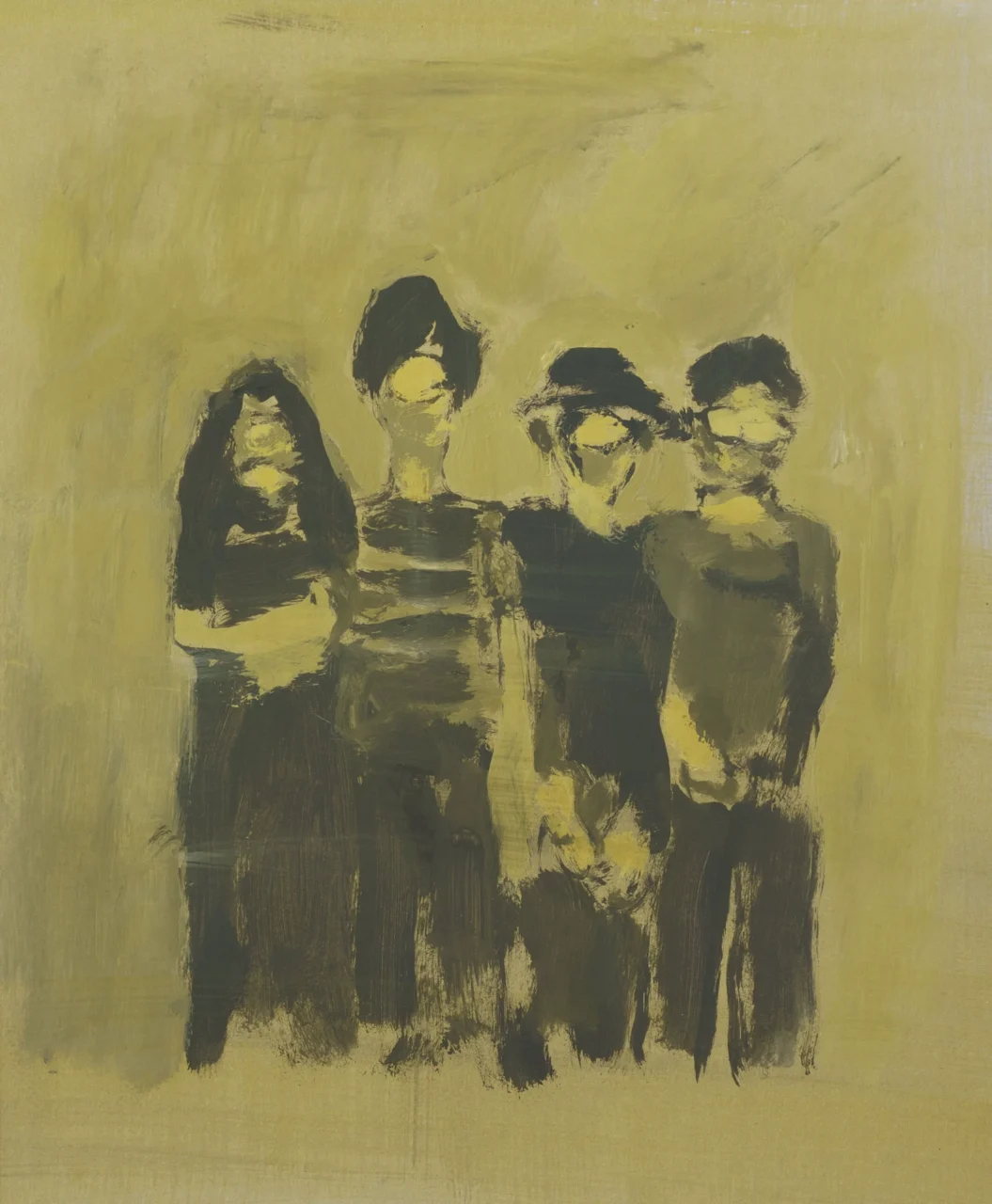
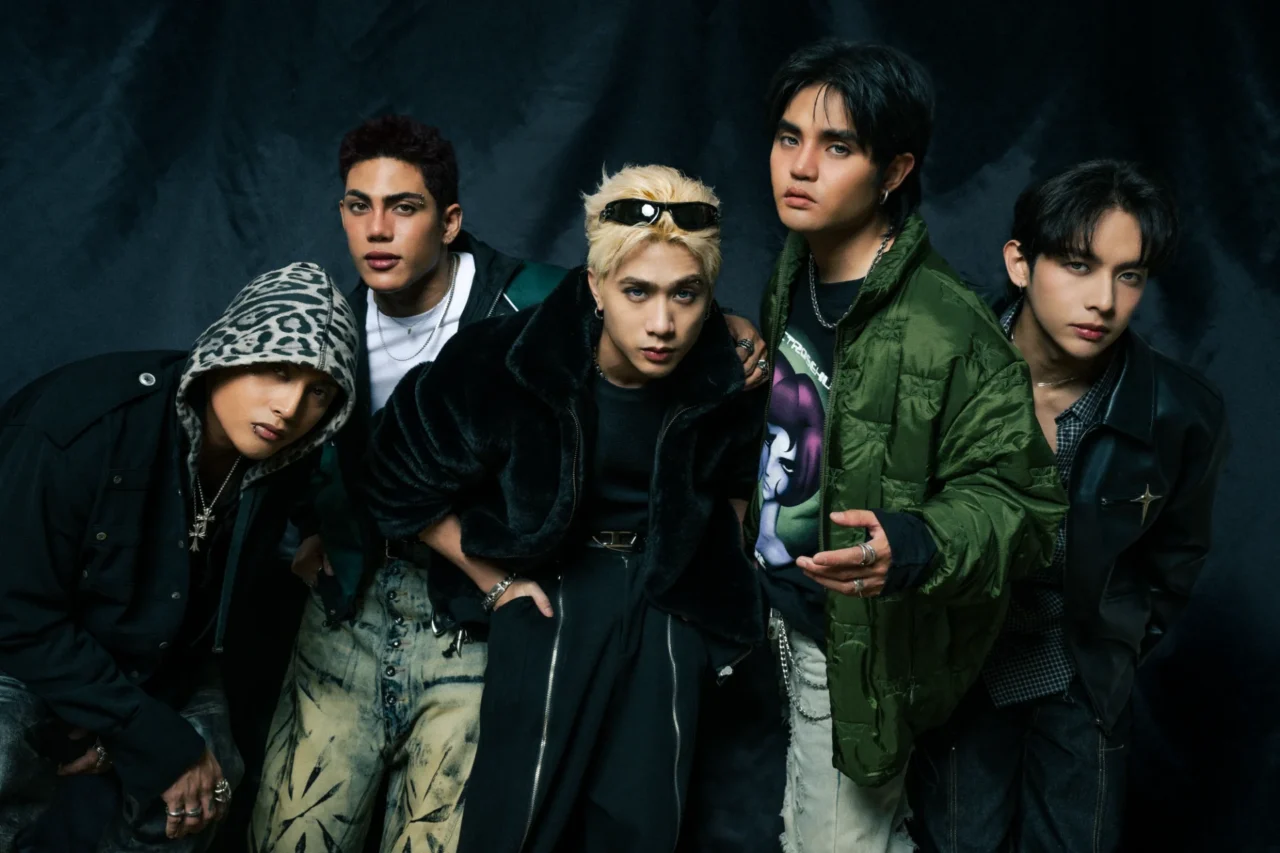
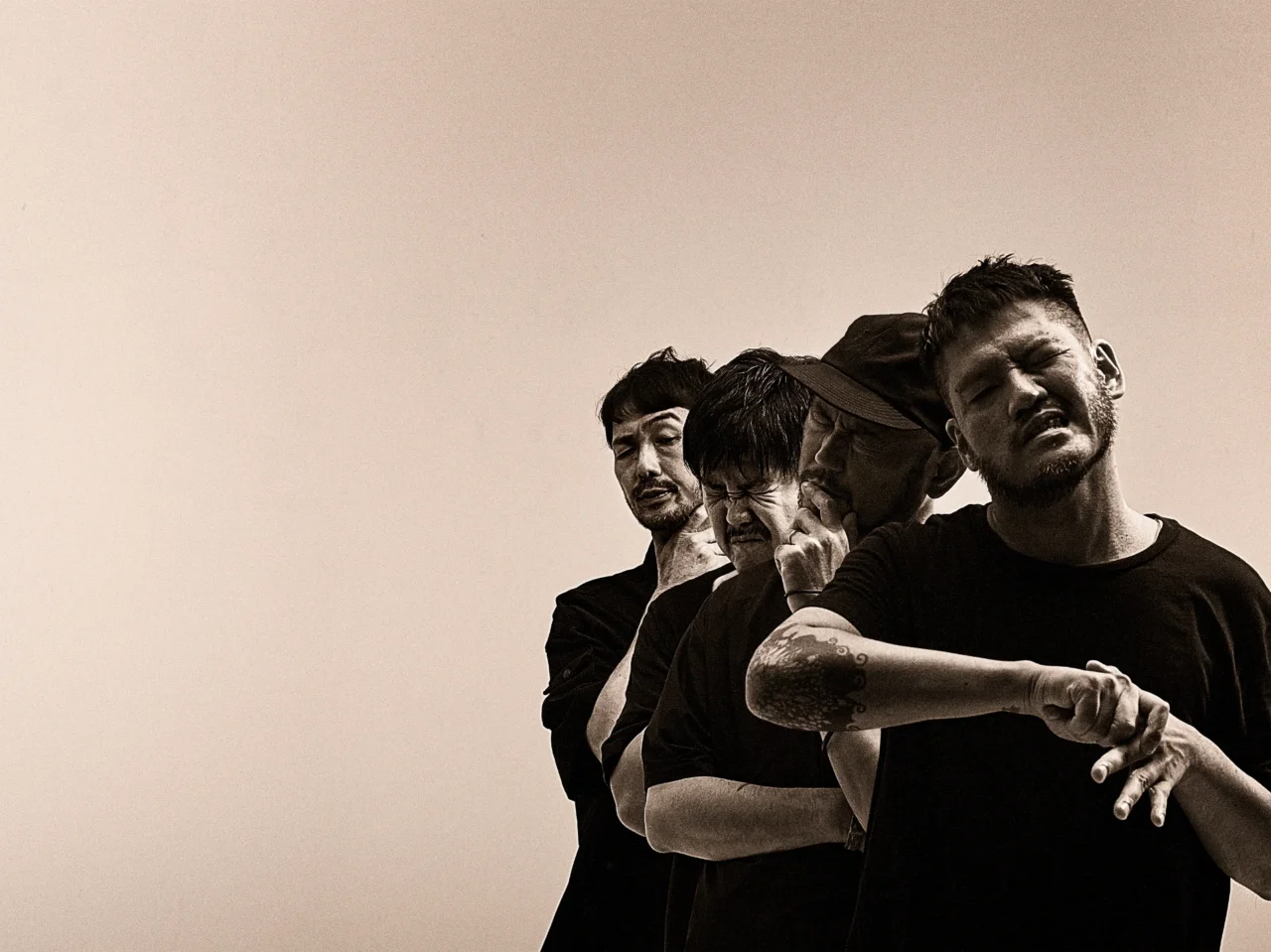
Manabu Deto guitar, vocal
Kei Mabuchi guitar
Takashi Katsuura drums
Takashi Shimizu bass
OGRE YOU ASSHOLE are one of Japan’s most compelling live bands, known for their mellow psychedelia and a sound that has inspired a wide following. Emerging with guitar textures in sync with 2000s US indie, they went on to establish their reputation through a conceptual trilogy produced by Yo Ishihara, incorporating elements of psychedelic rock and krautrock across Homely, 100 Nen Go, and Papercraft.
With their first self produced album Before Letting Go of the Handle, the band further expanded their distinct sonic language, earning strong critical acclaim.
In 2010, they were invited on a North American tour, performing across 18 cities in the US and Canada. They appeared on the White Stage at Fuji Rock Festival in 2014, and held a solo show at Hibiya Open Air Concert Hall in 2018.
They released the album Atarashii Hito in September 2019, followed by Asa alternate version / Akuma no Numa remix and workshop3 in 2020. In 2022, they performed on the Red Marquee stage at Fuji Rock Festival, and in 2023 released the four track EP Ie no Soto e.p..
What stood out to you in particular?
Deto: They have songs with a strong sense of emotion, and others that feel almost narrative driven, and of course the performances often reinforce that mood or storyline. But then there are moments that do not follow that direction. Moments where the vocals or the playing shift into something that feels slightly out of line with the song’s intended mood.
It is in those moments, that sense of misalignment, that things suddenly feel very raw and immediate. That is what makes them such a compelling band to me.
From your perspective, is that something intentional, or does it happen naturally?
Kaneko: I am not totally sure. The people I play with tend to be quite intense in how they perform, so when we all lock into that energy together, that might be part of it. Maybe that is something we share.
But in a way, OGRE YOU ASSHOLE always has this kind of cool, almost mechanical feel, and then as the repetition builds, you suddenly catch glimpses of something very human within it. I think those moments are incredibly powerful.
That kind of intensity can actually get harder to express as you get older, but those flashes are exactly what make a band so moving. I feel like I have always been drawn to music because of that. Even when I start thinking, maybe it is not so easy anymore, I watch an OGRE YOU ASSHOLE show and there are these moments where everything just hits, and I think, this is it, this is exactly what it should be. I feel genuinely grateful in those moments.
INDEX
Intensity That Isn’t Forced but Inevitably Leaks Out
When you watch OGRE YOU ASSHOLE live, that sense of human intensity within something otherwise mechanical really comes through. From your perspective, how much of that is intentional, and how much just happens as a result?
Deto: It is more of a result. We are not trying to create something intense, it just sort of leaks out.
Kaneko: That sense of it leaking out is what makes it so good. I think in our case, it is more like we are letting it spill out ourselves.
In recent years, OGRE YOU ASSHOLE have been using analog synths and running sequences, but without relying on a click, creating a kind of groove that comes from slight shifts between players. That seems connected to what you are describing.
Deto: We started using synths during the pandemic, when we could not rehearse as a band. But if you layer too many sequences, the band kind of dies.
So we kept stripping things away, saying we do not need this, we do not need that, until in songs like “Ie no Soto,” in a live setting it is basically just a single repeated tone going bu bu bu bu bu. But that actually feels better.
If you stack too many synced elements, the performance ends up following them, and that becomes the whole ensemble. But with just a simple repeating tone, even if things shift slightly out of time, it does not really matter. You can stretch and compress the timing more freely. That is something we realized through playing together and refining it over time.
That balance seems to create both a kind of mechanical quality and the human feeling that leaks out of it.
Deto: In that sense, maybe we are trying to make it leak out too. If you run too many synced elements, nothing leaks. So we are trying to let it leak, while also trying not to force it too much.
It is hard to imagine your band playing while following a backing track.
Kaneko: Yeah, that does not really feel like something we would do. Playing to a fixed track with strict timing is not something I am against, but I feel like it would gradually pull me away from what I actually want to do. There is a kind of vague sense of risk in that.
Deto: The way your timing stretches and compresses in a solo performance is incredible, and the fact that you can bring that into a band setting is what makes it so special. That is a big part of the appeal.
Kaneko: Yeah. Even in a band, I feel like it is fine to follow whatever tempo feels right in that moment. The way time expands and contracts within a song is part of what makes it human, and that is exactly why it is meaningful to perform live.
Of course, there is also something compelling about live shows that use backing tracks, but recently, in talking to different artists, I have been hearing more people say they have stopped using them, or stopped playing to a click. During the pandemic, more people started producing with DTM, and using a click in live settings became more common, but now it feels like there is a shift toward reconsidering that approach.
Kaneko: Maybe the spread of social media and AI has something to do with that too… I do not know though.
In your conversation at “DELAY” last year, you were also talking about AI with Oyamada, right?
Deto: Yeah, Oyamada seemed relatively positive about it, depending on how it is used.
Kaneko: I see.
What about you since then?
Deto: I have not used it at all. (laughs).
Kaneko: It feels like there are so many more technically skilled people now. With social media and AI, there are already these fully formed references and learning materials available from zero.
For example, in singing, being able to hit extremely high pitches like a Vocaloid voice, or pulling off things that would normally feel impossible, that kind of ability is becoming the new standard of excellence. But when I see that “goal of skill” shift too much in that direction, it can feel a bit unsettling.
The kind of music I love still has roughness, and a sense of stretching and shifting in time. I want to believe that it is exactly because humans and bands create that, that it can truly move people and resonate on a deeper level.
Deto: That discomfort comes from the sense that there is a single correct answer, and that value is becoming unified around it. Things like playing to a click or hitting perfect pitch, everyone training toward the same fixed goal. But music is not like that. It is not about competing within one set of values, it is more like, that person is interesting, and that person is interesting too.
Kaneko: Exactly. There is something great about seeing someone go all out, even if it feels a bit chaotic or hard to explain. That can be really exciting. But now it feels like being able to play something incredibly difficult while keeping a cool, composed face is what gets valued more. It feels like the answer is already decided, and that is a little scary to me.
INDEX
The Acoustic Appeal and Yukio Sasaki Behind Both Bands
One clear point of overlap between OGRE YOU ASSHOLE and kanekoayano is that your live sound is often handled by Yukio Sasaki and others from Acoustic. Could you talk about your relationship with Sasaki, and what you prioritize in shaping your live sound?
※Acoustic Co., Ltd. is a sound company led by Yukio Sasaki, handling live sound for a wide range of artists including YMO, Denki Groove, Sakanaction, Hitsujibungaku, and Shintaro Sakamoto, as well as sound systems for venues such as Ebisu LIQUIDROOM and Spotify O East.
Deto: We basically leave everything to Sasaki.
Kaneko: Same for me. During rehearsals I might ask things like, does this sound feel okay, but when it comes to the front of house sound, I leave it to him.
What makes that level of trust possible?
Deto: When you see other bands he works with, it is obvious how good it is. Everyone at Acoustic, including Itoga who is handling the Osaka show this time, has their own individuality, but there is a shared core in the quality of the sound.
Kaneko: I have gone to see several shows that Sasaki was working on, and none of them sound the same. Each one reflects a different interpretation of the band, and they are all great.
I also really like how he lets the sound fully open up. It is not just about volume. For example, when Hayashi is playing a big guitar solo, if I jokingly say before the show, go all out there, he really pushes it to the point where everyone might be taken aback. But it never feels harsh or painful.
I do not really like overly compressed, brittle sounding mixes, but with Sasaki, it feels less about loudness and more about density. That is what I like.
Deto: I totally get that. I have never felt like the sound was hurting my ears.
Kaneko: Exactly. It is loud, but it never hurts.
Both OGRE YOU ASSHOLE and your band have a wide dynamic range in your live shows. When it gets loud, it is really loud, but it never feels harsh or painful.
Kaneko: Yeah, and even when it is loud, it does not feel tiring. That is what is so impressive.
Deto: Sasaki also works with artists like Denki Groove and Sakanaction, and he originally came up doing PA for DJs. So he is used to shaping sound in environments where music is playing all night long.
That is why he is so good at creating a space where you can listen for ten hours without getting fatigued. I think he is always reading the atmosphere of the room and the audience, and adjusting things like volume based on that.
Kaneko: That definitely feels true. It is almost like he is part of the band, building the live together with us.
Deto: This time, Itoga will be handling PA for both bands, which gives me a sense of reassurance. Sometimes at co-headline shows, when each act has a different engineer, the entire atmosphere of the room can shift so much that it almost feels like a different venue.
In that sense, I think this edition of “DELAY” will have a real continuity to it, like a single space being shaped and shared across the night.