INDEX
Intensity That Isn’t Forced but Inevitably Leaks Out
When you watch OGRE YOU ASSHOLE live, that sense of human intensity within something otherwise mechanical really comes through. From your perspective, how much of that is intentional, and how much just happens as a result?
Deto: It is more of a result. We are not trying to create something intense, it just sort of leaks out.
Kaneko: That sense of it leaking out is what makes it so good. I think in our case, it is more like we are letting it spill out ourselves.
In recent years, OGRE YOU ASSHOLE have been using analog synths and running sequences, but without relying on a click, creating a kind of groove that comes from slight shifts between players. That seems connected to what you are describing.
Deto: We started using synths during the pandemic, when we could not rehearse as a band. But if you layer too many sequences, the band kind of dies.
So we kept stripping things away, saying we do not need this, we do not need that, until in songs like “Ie no Soto,” in a live setting it is basically just a single repeated tone going bu bu bu bu bu. But that actually feels better.
If you stack too many synced elements, the performance ends up following them, and that becomes the whole ensemble. But with just a simple repeating tone, even if things shift slightly out of time, it does not really matter. You can stretch and compress the timing more freely. That is something we realized through playing together and refining it over time.
That balance seems to create both a kind of mechanical quality and the human feeling that leaks out of it.
Deto: In that sense, maybe we are trying to make it leak out too. If you run too many synced elements, nothing leaks. So we are trying to let it leak, while also trying not to force it too much.
It is hard to imagine your band playing while following a backing track.
Kaneko: Yeah, that does not really feel like something we would do. Playing to a fixed track with strict timing is not something I am against, but I feel like it would gradually pull me away from what I actually want to do. There is a kind of vague sense of risk in that.
Deto: The way your timing stretches and compresses in a solo performance is incredible, and the fact that you can bring that into a band setting is what makes it so special. That is a big part of the appeal.
Kaneko: Yeah. Even in a band, I feel like it is fine to follow whatever tempo feels right in that moment. The way time expands and contracts within a song is part of what makes it human, and that is exactly why it is meaningful to perform live.
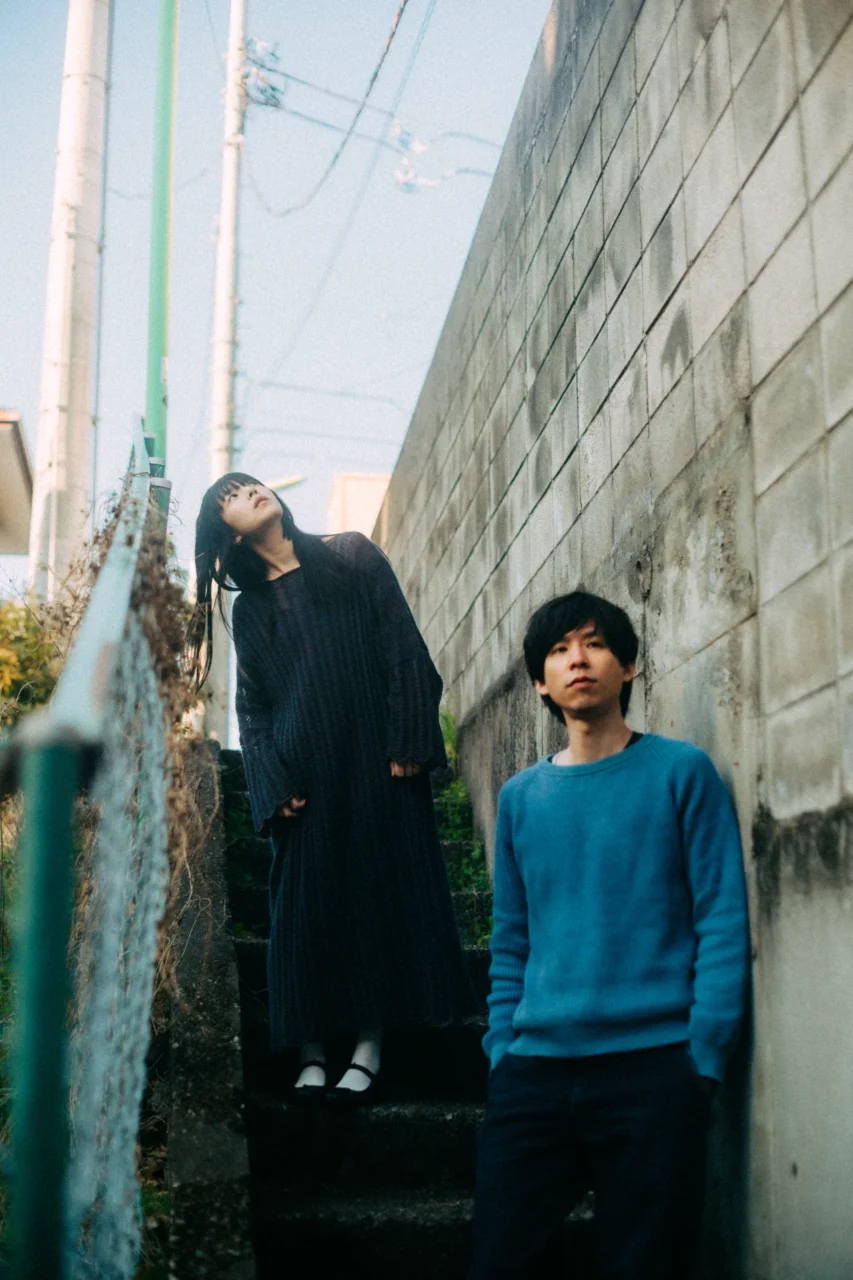
Of course, there is also something compelling about live shows that use backing tracks, but recently, in talking to different artists, I have been hearing more people say they have stopped using them, or stopped playing to a click. During the pandemic, more people started producing with DTM, and using a click in live settings became more common, but now it feels like there is a shift toward reconsidering that approach.
Kaneko: Maybe the spread of social media and AI has something to do with that too… I do not know though.
In your conversation at “DELAY” last year, you were also talking about AI with Oyamada, right?
Deto: Yeah, Oyamada seemed relatively positive about it, depending on how it is used.
Kaneko: I see.
What about you since then?
Deto: I have not used it at all. (laughs).
Kaneko: It feels like there are so many more technically skilled people now. With social media and AI, there are already these fully formed references and learning materials available from zero.
For example, in singing, being able to hit extremely high pitches like a Vocaloid voice, or pulling off things that would normally feel impossible, that kind of ability is becoming the new standard of excellence. But when I see that “goal of skill” shift too much in that direction, it can feel a bit unsettling.
The kind of music I love still has roughness, and a sense of stretching and shifting in time. I want to believe that it is exactly because humans and bands create that, that it can truly move people and resonate on a deeper level.
Deto: That discomfort comes from the sense that there is a single correct answer, and that value is becoming unified around it. Things like playing to a click or hitting perfect pitch, everyone training toward the same fixed goal. But music is not like that. It is not about competing within one set of values, it is more like, that person is interesting, and that person is interesting too.
Kaneko: Exactly. There is something great about seeing someone go all out, even if it feels a bit chaotic or hard to explain. That can be really exciting. But now it feels like being able to play something incredibly difficult while keeping a cool, composed face is what gets valued more. It feels like the answer is already decided, and that is a little scary to me.