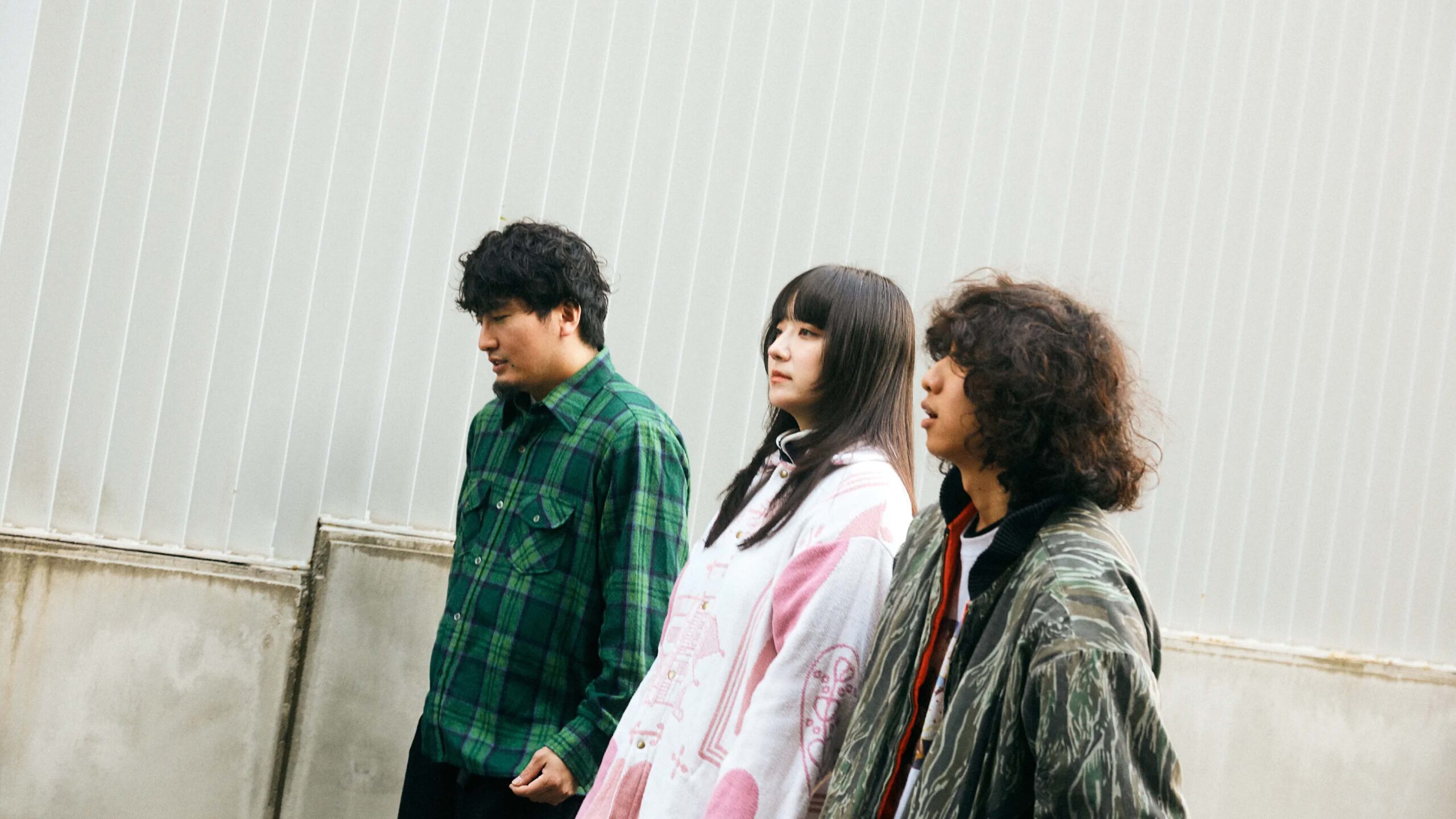
A voice from inside a story leans toward “you” in a dream and begins to speak. At that moment, a quiet question surfaces: what kind of dream does someone inside a story see? Maybe it is nothing more—or less—than the reality we are living in. The thought lands with a jolt.
“Nee, kimi wa doushite yume no naka demo kimi no omou you ni kimi o shinai no?”
Repeated in the album’s closing track “Atoaji Warui ya|sour”, the line sharpens into a message that leaps out of the music and strikes the listener head-on. This is a work that trusts the listener to receive it.
Following their February 2025 release ”Nemuru – walls”, Laura day romance have now unveiled a new album, ”Nemuru – bridges”. As its title suggests, the record was created as a direct continuation of the previous work. Together, the two albums form ”Nemuru – walls or bridges”, the band’s third full-length album—a 20-track double album completed as a single, cohesive statement. To create a long-form, concept-driven work in this era, and to embark on such restless musical adventures within that extended narrative, is no small feat. This is a monumental album. More than that, it is a work that will become inseparable not only from the band themselves, but also from those who receive it—an album deeply entwined with the reality of 2025. It brings the contours of the present moment sharply into focus.
As with the first part, I had the opportunity to speak again with the three members of Laura day romance. I wanted to ask not only about the artistic vision behind the album, but also about how the band has changed over the past year, because ”Nemuru – walls or bridges” clearly carries a documentary trace of their journey. Kagetsu Inoue (Vo) spoke candidly about how there was “no choice but to grow as a person.” Jin Suzuki (Gt) described an adventurous spirit drawn simultaneously to confusion and excitement. Yuta Isomoto (Dr) reflected on freeing himself from the pain of carrying too much responsibility alone. All of these stories feel like essential clues to understanding the album.
It’s a long interview—but then again, the album itself is long. That feels right. Take your time with it. Read slowly. Let it unfold. I believe that this willingness to linger—to spend time—is itself one of the messages this album, and Laura day romance as a band, are quietly sending out into the world.
INDEX
Choosing Action Over Hesitation and the Soundscape That Emerged
With the release of ”Nemuru – bridges”, the second half of ”Nemuru – walls”, this project is finally complete. At the same time, it also marks your major-label first full-length album. A major debut that arrives as a sequel feels very on-brand for Laura day romance.
Suzuki: It really does, yeah [laughs].
Looking back on the entire ”Nemuru” project, including the first part, do you feel there’s a gap between what you originally envisioned and where you ultimately arrived with the second half? Or did things land roughly where you expected?
Suzuki: With ”walls”, we had time, and I already had a fairly clear image of how it should begin. So that process was about carefully translating that vision into music. With ”bridges”, though, I think we worked with a much stronger desire to push beyond our own boundaries. This time, we made a simple rule for ourselves: “If we’re unsure, we do it.” Whenever we were faced with a choice—whether to commit to a bold arrangement or hold back—we always chose to go for it. As a result, the soundscape grew far larger than we’d imagined, and we ended up with many songs that spilled beyond the conventional shape of a single track. In that sense, the album expanded in unexpected directions. Personally, I was able to create it while feeling confused and excited at the same time.
Why did you decide on “if you’re unsure, do it” from the outset?
Suzuki: When I looked back at ”walls”, I felt it was a very polished, complete album. But because we followed the blueprint in my head so faithfully, it also ended up feeling slightly more compact than I had anticipated. It felt like an album that sat neatly along the extension of what we’d done before, and that stayed with me. When I thought about what it really means to move forward as musicians, I realized that unless we actively brought in new elements and made more daring choices, we’d never reach moments that even we couldn’t predict. That realization became a big turning point for me.
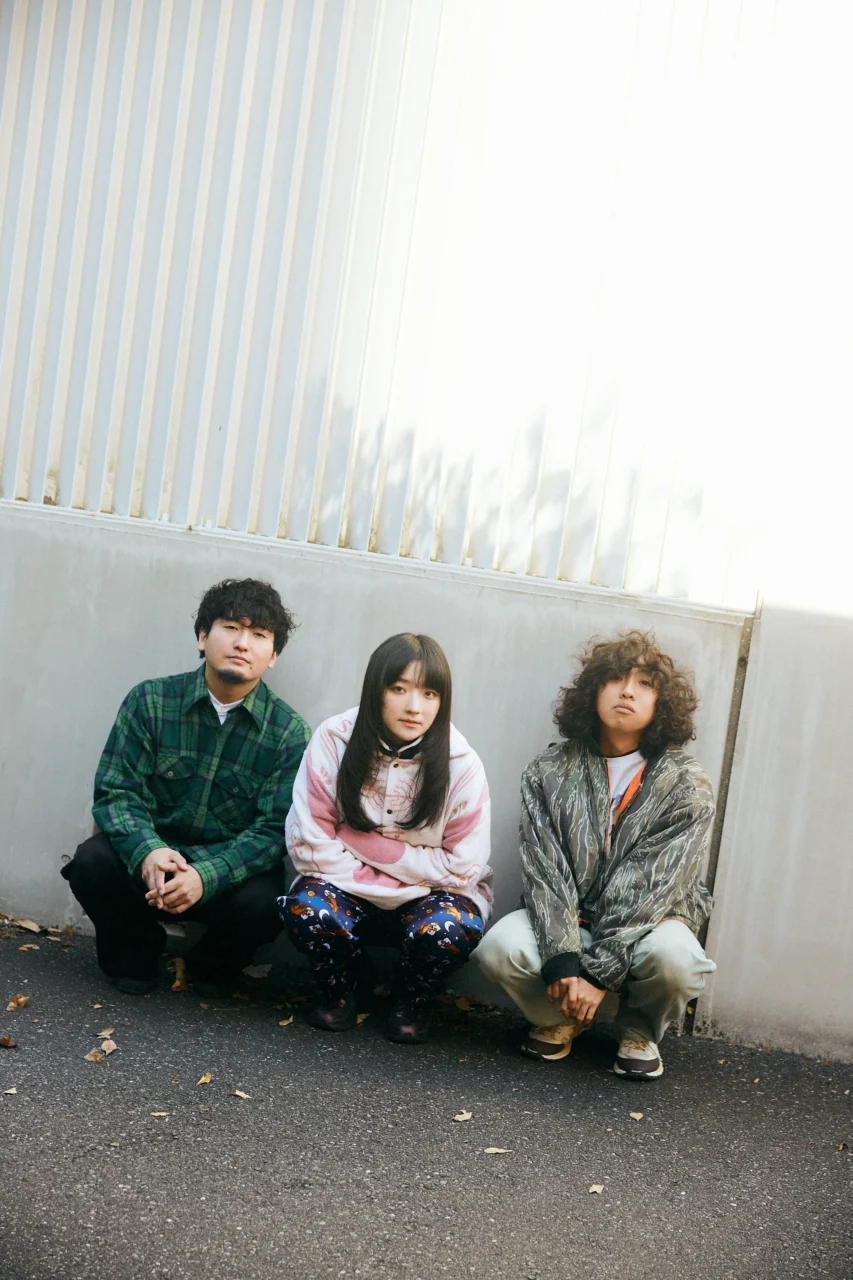
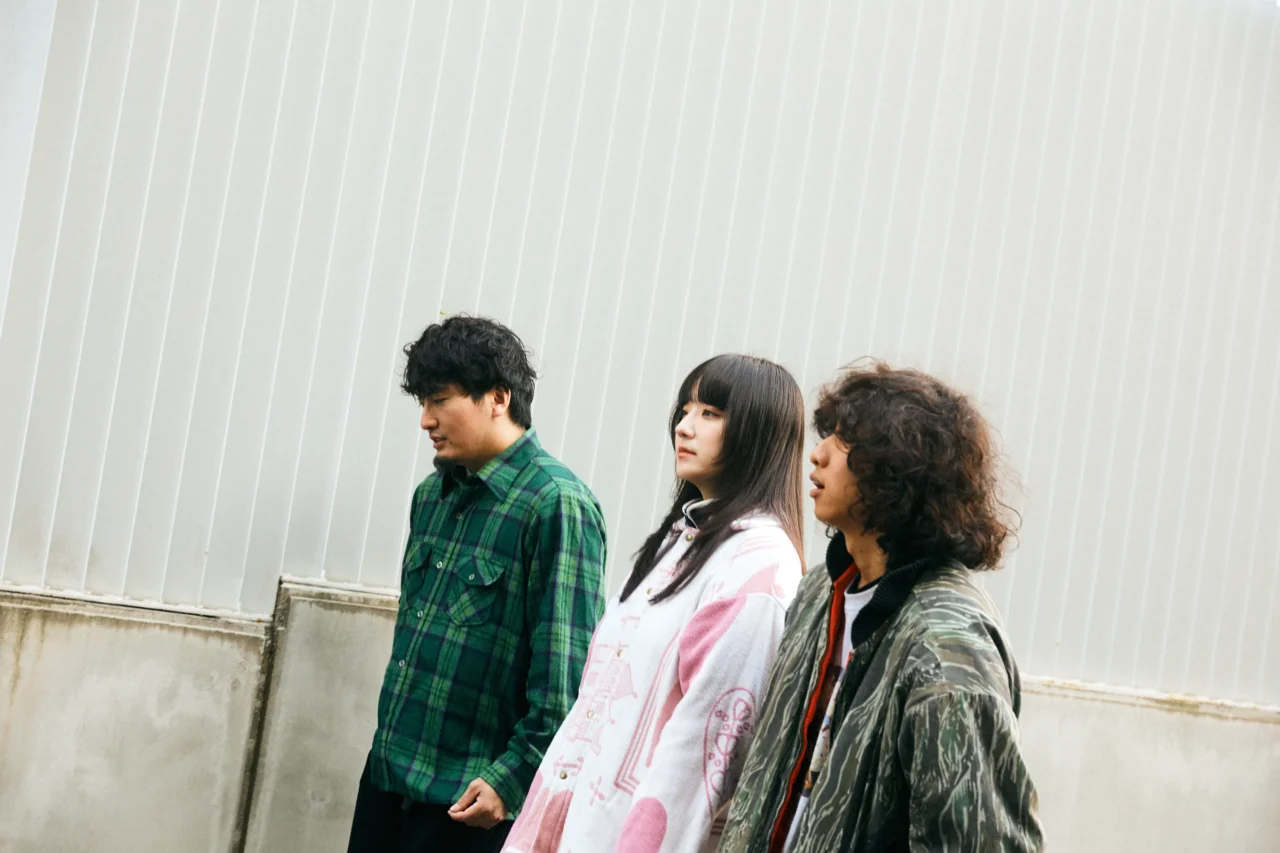
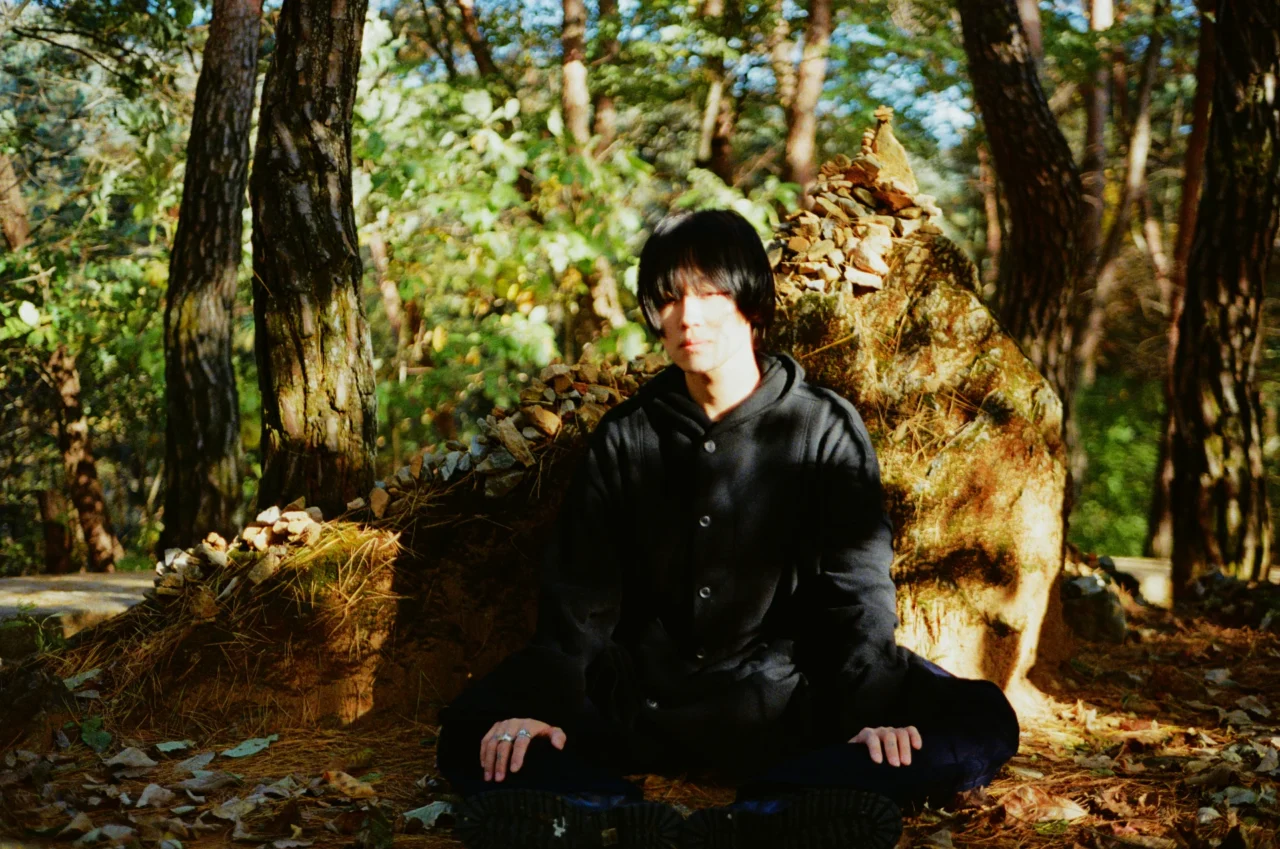
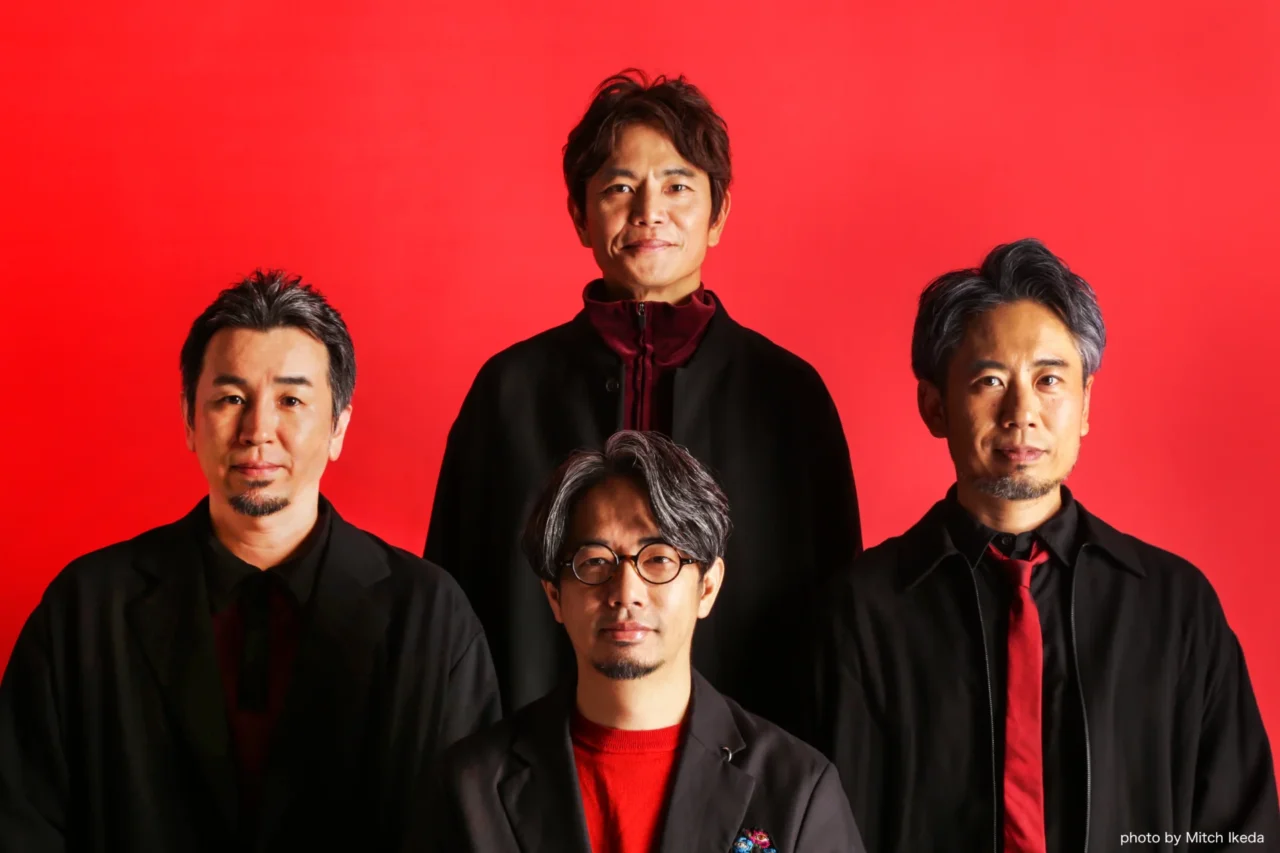
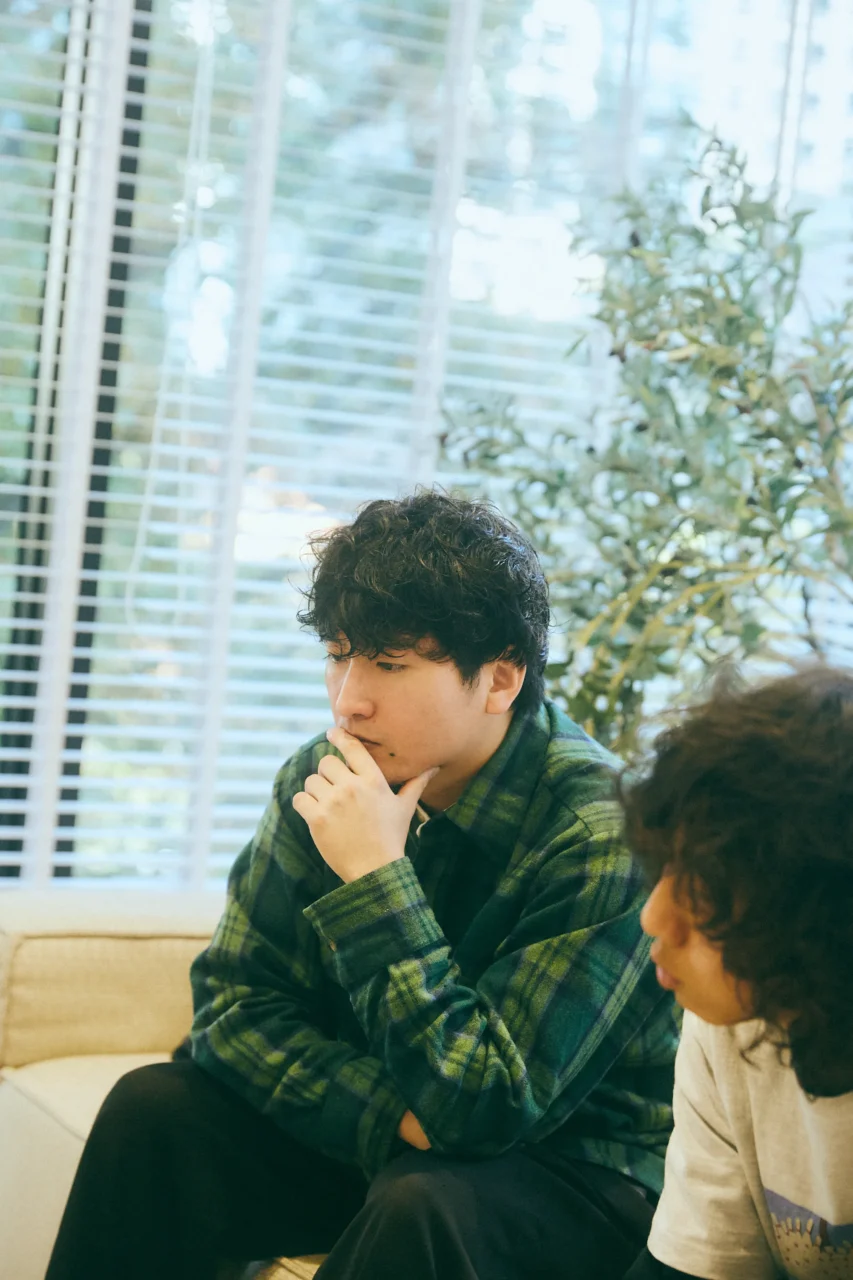
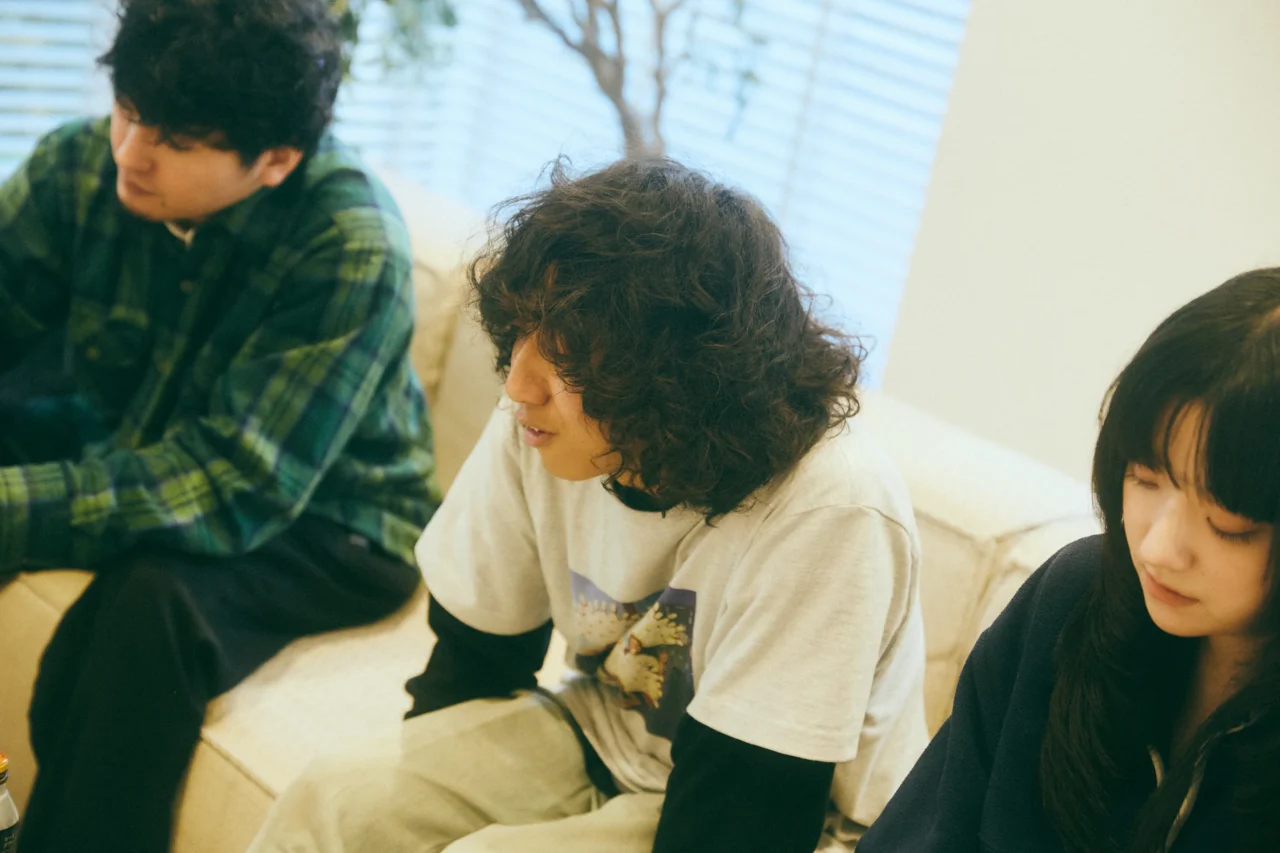
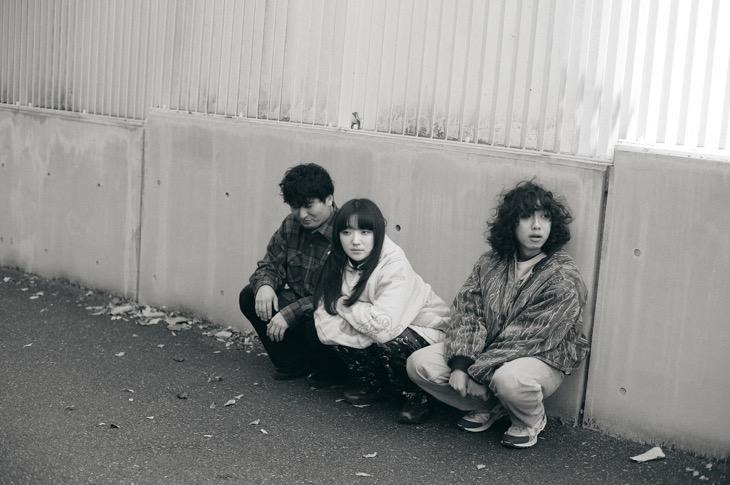
(From left: Yuta Isomoto [Dr], Kazuki Inoue [Vo], Jin Suzuki [Gt])
A Japanese band steadily expanding their fanbase among music lovers both in Japan and abroad. Laura day romance’s sound is shaped by the wide-ranging musicality of Jin Suzuki’s songwriting, Kazuki Inoue’s expressive vocals with a strong sense of world-building, and Yuta Isomoto’s drumming, which combines tight precision with flexibility — supported by carefully selected support members who join in the form best suited to bringing each song to life.
With every headline show, the scale of their live performances has continued to grow, culminating in a sold-out concert at Tokyo International Forum Hall C in April 2025. Beginning in March 2026, the band will embark on their first-ever hall tour, “Laura day romance hall tour 2026 ‘Fixing a hall’.”
Kazuki, how do you feel about the distance between where this “Nemuru” project began and where you ultimately arrived?
Inoue: When we were making the first half, we honestly had no idea what the second half would turn into. Even looking back at the demo stage, I never imagined the songs would expand to this extent. Jin kept refining the arrangements right up until just before the vocals were recorded, and as I was laying down vocals, I kept finding myself surprised—thinking, “So it’s going to be this diverse,” or “Wow, that sound comes in here.” It felt like all these sounds far more interesting than anything I’d imagined were flooding in. Compared to “walls,” it’s much more experimental, too — there are sounds in there that make you think, “There’s no way we could pull this off live” [laughs].
Suzuki: Hahaha [laughs].
Yuta, how did it feel from your perspective?
Isomoto: With the final track on “walls,” “Nagisa de Aimashou | on the beach,” it really felt like the end of a first season — like a clean break. So I kept wondering what the second half would look like. Would it be an epilogue to “walls”? A direct continuation? Or maybe something more fragmentary, like side stories? I spent a lot of time imagining different possibilities. But once we opened it up, each song felt like it was pointing in a different direction—in a good way. It constantly went against my expectations. So in terms of distance, it definitely ended up far from what I’d imagined. And I think I was able to dive into it with a huge sense of excitement.
That feeling of confusion and excitement existing at the same time seems like something all of you experienced while making “Nemuru – bridges,” and it also feels closely connected to what’s being depicted in the album’s story itself.
Suzuki: Yeah, that’s exactly right.
In the end, Laura day romance released the equivalent of two full albums’ worth of material in 2025, and even at the “walls” stage you didn’t yet know how it would all turn out. The second half must have come with significant time constraints. Listening to it, I had the sense that those limits may have worked in the album’s favor. Suzuki, how did you personally feel about the shortness of the production timeline?
Suzuki: In terms of release pace, it was definitely fast. But even while we were making the first half, we were already thinking in parallel about the second—about things like, “This song will probably end up there.” So it never felt like we were running out of time. That said, when you’re trying to create something on a scale that’s almost beyond your own control, there were moments where I felt genuinely confused—like I couldn’t fully grasp the entire shape of the work myself. And I do think that state of confusion ended up working in a positive way.
So the confusion was something you were actively seeking?
Suzuki: Well…
Isomoto: Hahaha [laughs].
INDEX
A New Beginning for the Band Built on Trust in the Listener
The combined title for the two-part project has been announced as ”Nemuru – walls or bridges”, and the choice of the conjunction “or” between walls and bridges really stood out. If it had been ”walls and bridges,” it would naturally recall John Lennon’s well-known album ”Walls and Bridges” (1974). Was that album part of the conceptual groundwork for this project?
Suzuki: It wasn’t an influence in a musical sense, but I did feel a strong connection between the Japanese title of that album, ”Kokoro no Kabe, Ai no Hashi” (Walls of the Heart, Bridges of Love), and the concept behind our own album this time. Beyond that, the circumstances under which ”Kokoro no Kabe, Ai no Hashi” was created, as well as its overall atmosphere, were things we did reference to some extent.
“Kokoro no Kabe, Ai no Hashi” is often discussed, historically speaking, as an album that emerged from what’s known as John Lennon’s “lost weekend,” isn’t it? A period when he was viewed with suspicion by the U.S. government, living apart from Yoko Ono, staying in California with his lover, and drinking heavily — by all accounts, a time of deep disillusionment. How do you personally take in an album that was born out of circumstances like that?
Suzuki: I’ve always had this image of John Lennon as someone defined by extremes — huge ups and downs. He feels difficult to approach, in a way [laughs], impulsive even, but the love at the core of him feels completely genuine. I imagine he was a complicated person like that. With “Kokoro no Kabe, Ai no Hashi,” I sense a kind of despair mixed in, something like the backlash of a manic phase in a romantic relationship. The bigger someone’s capacity for love is, the harder the swing back can be. That idea became a hint for us when we were making our own album.
In Laura day romance’s case, you connected “walls” and “bridges” with “or,” and that choice almost feels like standing in front of an unpredictable future, where you don’t yet know what will happen. Why did you decide on “or” as the conjunction?
Suzuki: I think it’s an “or” in the sense that everything comes down to judgment — how you choose to decide. It’s about asking, “Which way do we judge this?” That’s the kind of title we wanted. And honestly, I think it’s also possible that “walls” and “bridges” could be the same thing.
I sometimes feel that storytelling inevitably becomes a kind of document of its creators. To what extent do you think ”Nemuru – walls or bridges” functions as a document of Laura day romance as a band?
Suzuki: For me personally, when it came to making the second half, the decision to allow ourselves to make more aggressive, risk-taking judgments was something rooted in what we’ve built up so far, and in the trust we have in our listeners. We’ve made our major-label debut, and for everyone who’s stayed with us up to this point, there are things we didn’t want to change — mainly matters of quality. Those core elements stay the same, while we’re saying, “We’re going on a new adventure.” The soundscape of this album was born from that choice. In that sense, it does feel like a document of the band, shaped by our history… though, well, who knows.
Kazuki, what do you think?
Inoue: From a vocalist’s perspective, there are always multiple viewpoints at play: the narrator’s perspective, the protagonist’s perspective, and my own. I start from the premise that I need to weave those together in a balanced way as I sing. With that in mind, I feel that my own personal perspective comes through more strongly on “bridges” than it did on “walls.” Rather than fully slipping into the role of a protagonist, or staying purely objective as a narrator, there were more takes this time that were chosen because they felt like my own voice, my own song. My approach to singing also changed between “walls” and “bridges,” and you can hear that shift. In that sense, the visible progression itself might be what makes it feel documentary-like. Though, honestly, I think that applies to all of our work to some extent.
Yuta, how do you see the connection between this album and your own reality as a band?
Isomoto: When I think about the last two or three years for us, a lot has really happened. There were moments when things didn’t quite line up with other people, and about those kinds of issues, we talk as band members on a pretty regular basis. It’s not like we sit down formally and hash things out knee to knee, but we can talk about them casually, in a frank way. Because we’ve built up that kind of communication over time, even without having the album’s theme spelled out in advance, I was able to take this record in as something very personal to me.
Also, the changes in sound between the first and second halves reflect where we want to be headed as a band going forward. Whether it’s the themes or the sonic direction, I feel like the band’s own document is deeply embedded in this album.
INDEX
After the Major Debut: Embracing Change and Choosing Growth as the Only Way Forward (Inoue)
When I saw your live show at the end of November, it felt like Laura day romance were very naturally coming to terms with the way the scale of your stage keeps growing. Watching that, I had the sense that how you’ve faced the changes in your environment over the past year, in order to remain “Laura day romance,” must be deeply woven into this new work. How do you think the band has spent this past year?
Inoue: Hearing that we look like we’re “growing naturally” honestly makes me really happy. For me, this was a year where I kept telling myself to stay as unstrained as possible, no matter what situation we were in. And beyond that… I think sheer experience has started to count for a lot [laughs].
Suzuki: Hahaha [laughs].
Inoue: We’ve played an incredible number of festivals and shows, kept working on “bridges,” shot music videos too — it’s been a completely insane schedule. So there’s this feeling of, “Yeah, we’ve really done it” [laughs]. Lately it feels like there’s always this atmosphere of “we’ve just got to do it,” like there’s no other choice.
Suzuki: Did you slip into a kind of sports team mentality? [laughs]
Inoue: I think a sports team mentality has definitely taken hold of us [laughs]. And honestly, it’s been working pretty well. Having gotten through such a demanding schedule, I feel like we’ve gained a certain calm confidence — in a good way. Like, “No matter what stage we’re on, all we have to do is what we’ve always done.”
Over the past year, it’s felt like there’s been a real shift in your presence as a vocalist and as a frontperson, Inoue. Especially as the band’s spokesperson, you’ve often been in situations where you had to explain “what kind of band Laura day romance is.” Did that bring about any changes in how you see yourself?
Inoue: I realized that, more than I expected, what truly matters is simply what I genuinely want to do. No matter how much people around me say, “Why don’t you sing it like this?” or imagine, “Maybe you should carry yourself this way,” in the end, the best thing we can do is to fully commit to the choices we make. Someone actually said to me backstage earlier, “You really don’t try to look cool at all,” which I hear surprisingly often [laughs]. Maybe that side of me has started to come through on stage, too. I never thought I was putting on airs to begin with, but perhaps the moments where I tried to make myself look better than I am have been stripped away even more, and now I can step onstage just as myself. There’s no point in putting up a front — right?
Suzuki: Yeah. I think doing things naturally, without over-psyching ourselves up, has started to match the size of the stages we’re on now. Because we’ve built up a kind of basic stamina through experience, we don’t need to rely on that sense of being overly “amped up” to get through a show anymore.
“Amped up” is a term comedians often use, right? Like when someone’s too fired up and ends up overshooting a bit.
Isomoto: “Being amped up” is kind of our theme lately [laughs].
Which also means that going through that phase was important, and that you only realized certain things because you experienced it.
Suzuki: Exactly. There are times when performing in a way that makes yourself look bigger than you are is necessary. But for us, if we try to take shortcuts or push ourselves too hard into something that doesn’t suit our nature, we risk losing what’s actually good about us. And I think that kind of wavering comes across to the audience, too.
Inoue: Listening to what Jin just said, it made me think — over this past year, I’ve had more opportunities to appear in the media as a frontperson, and I’ve really felt that there’s no path forward other than trying to grow as a human being. Through the music, it felt like me as a person was being seen very directly. Because of that, no matter how much I try to dress things up or put on a façade, it’s ultimately meaningless. I’ve kind of given up on that idea and accepted that the only option is to keep raising my own baseline strength [laughs]. “Given up” might not be the right word — I guess I’ve resolved myself to it.
Looking back on the past year, how was it for you, Yuta?
Isomoto: Personally, it was pretty tough. To be honest, there was a long stretch where I felt like, “Live shows just aren’t fun at all.” When I started unpacking why that was, I realized that around the time “walls” came out, I often said in interviews that “my job is basically being part of the stage set.” I’d become too fixated on that idea of my role, and it really started to weigh on me. There were moments during shows when I’d think, “Wait—why am I even playing right now?” And there was even a time when I ended up having a panic attack while performing.
―I see.
Isomoto: But at some point, I started to find it interesting when things didn’t go well, or when something happened that was completely outside my expectations. Before, I was always thinking, “I need to do my job properly,” but once I tried properly accepting trouble and mistakes too, I began to feel like a much more interesting world might open up. Because of that, live shows have finally started to feel fun again lately [laughs]. At our recent one-man show, the very first thing I said after finishing the set was, “Ah, that was fun,” and that really felt like a change that had happened inside me over the course of this past year.
Listening to you now, it feels like what you’re describing connects directly to the nature of this album itself.
Isomoto: That’s true [laughs].
INDEX
A New Turn in the Band’s Sound, Where Diving into Emotional Depths Leads to Danceable Forms
When it comes to the sound, I was genuinely surprised when the single “Writer” came out. That percussive beat you hear right from the opening felt very different from the image Laura day romance had up to that point. Across bridges as a whole, it feels like you’re not just working with a band sound anymore, but actively incorporating more electronic elements, dance music, and ambient textures. Did your production approach itself change this time?
Suzuki: When we started working on the second half, I actually bought a MacBook. I shifted to making music using a DAW—Logic, for the first time. Compared to walls, I wanted to push the sound further, make it more radical and aggressive, and I felt that being able to immediately capture and develop ideas would be crucial. That choice ended up being a big one.
Did it feel very different, physically, from how you’d written songs before?
Suzuki: Once I started using a DAW, it felt like absolutely everything could become a starting point for a song. A small keyboard chord, a simple rhythm pattern—I’d just record it for now, and then it would gradually expand and turn into a full track. I had that kind of experience a lot while making bridges.
Personally, the sound of bridges felt punk in a sense that wasn’t so much about genre, but about attitude. It also felt very physical. When you think about the album as a narrative, what kind of feeling were you trying to express through these more danceable elements?
Suzuki: I had this sense that once I started working on a computer, the music would rise up from a very intimate place — almost like it was coming out of my bedroom. This time, the sound has become more physical, while the story itself feels like it’s going further inward, deeper into a person.
That’s exactly how it came across.
Suzuki: When you go inward like that, the focus naturally shifts toward emotion. And when you try to express emotion, it ends up becoming a very physical kind of ensemble. It’s quite ambivalent, really. By diving deeper inside, we actually found much bigger emotions waiting there. I think that’s what happened.
So going deeper didn’t mean becoming smaller, but actually becoming larger.
Suzuki: Exactly. You’d think that describing external events would lead to bigger songs, but instead, zooming in on the anger and sadness inside us resulted in more physical music. It was a strange experience in that sense.
How do you think these changes in the sound affected your vocals, Kazuki?
Inoue: Since many of the songs mix different genres, I felt that if I didn’t stay grounded in my own voice, it might end up sounding like I was just imitating other people. So, being able to fully embrace my own style while exploring all kinds of singing approaches—that’s the range I gained through this recording process. There were moments during tracking when I thought, “Oops, I might’ve overdone it,” and then producer Takeshi Iwamoto or Jin-kun would say, “It’s not exactly what we imagined, but this take works.” That kind of feedback was really fun and a big discovery for me. Honestly, I feel like this album is a straightforward reflection of my growth as a singer [laughs].
INDEX
Three Distinct Perspectives on Storytelling Within the Band
Ultimately, I feel this album carries a strong message aimed directly at the listener. Now that the second half is complete, how do you feel this album tries to communicate with its audience?
Suzuki: Originally, “sour” wasn’t even part of the album. The ending was supposed to be “orange and white.” That worked perfectly as a story—the relationship between the two characters resolves, and the story ends with them looking at each other. It was perfect in terms of narrative.
But I felt a bit stuck with how neatly it ended. I wanted something more — I wanted the characters themselves to leap out at me, the author, and say, “What about you?” That’s why we added “sour.” When we wanted to create an album that would stay with people for a long time, I wanted that jolt, that moment that catches you off guard. Earlier you mentioned feeling like you made eye contact with the characters—that’s exactly the feeling I wanted. I wanted to go further than something the listener could safely watch as “a story on stage.”
Kazuki and Yuta, how do you interpret ending the album with “sour”?
Inoue: I think it’s amazing. Ending with “sour” gives the album a sense of realism, making the characters feel like actual people. That line — makes me feel like the story keeps going. If you pursue realism, it doesn’t really end. Adding “sour” gave the album more depth; it made it feel three-dimensional. It was already fairly 3D, but this made it hit even harder.
Isomoto: I think the question of who “kimi” refers to is really important in understanding the album as a whole. Does it point to the characters, or the listener hearing the music? That’s never defined, and I think that’s great. If someone thinks it’s them, it makes them pause. In both good and challenging ways, I hope it shakes up the listener’s perspective.
The line <Nee, kimi wa doushite yume no naka demo kimi no omou you ni kimi wo shinai no? (“Hey, why don’t you even in your dreams be yourself the way you want to be?”)> is almost like a dialogue between the voice speaking and the listener. The drums as stage props are gone here. The listener may feel left alone in that moment, and I think it’s the perfect way to close an album that allows for so many interpretations.
I was thinking about what kind of people are depicted in this work, ‘Nemuru – walls or bridges’, and as a listener, I felt they are people who, despite carrying flaws and foolishness, are living with incredible earnestness. When that image of humanity became clear to me, it gave me a surprisingly uplifting feeling. How do you all see the people portrayed in this work?
Suzuki: For me, when writing a story about humans, I wanted the characters to be close to myself. Since I’m writing about emotions and actions, if the distance from myself is too great, I can’t write it realistically. So in a way, this is a mirror of myself. They’re embarrassing, they’re fragmented, thoughts come to mind that reject my recent actions, and then I act in ways that contradict those thoughts — but… yeah, I also see them as earnest. I think this story is about people who pay close attention to each individual, who try to really see and listen. Through the relationship of the two characters, over time, each person tries to reach that place in their own life. That’s also how I want to be.
Isomoto: I think the two people in this album can be seen not just as “self and other,” but also as “self and another self.” The “other” could even be oneself. It might be a past version of yourself living with a different set of values, or it might be a self that exists deep in the inner world of the mind. That’s how I looked at the lyrics.
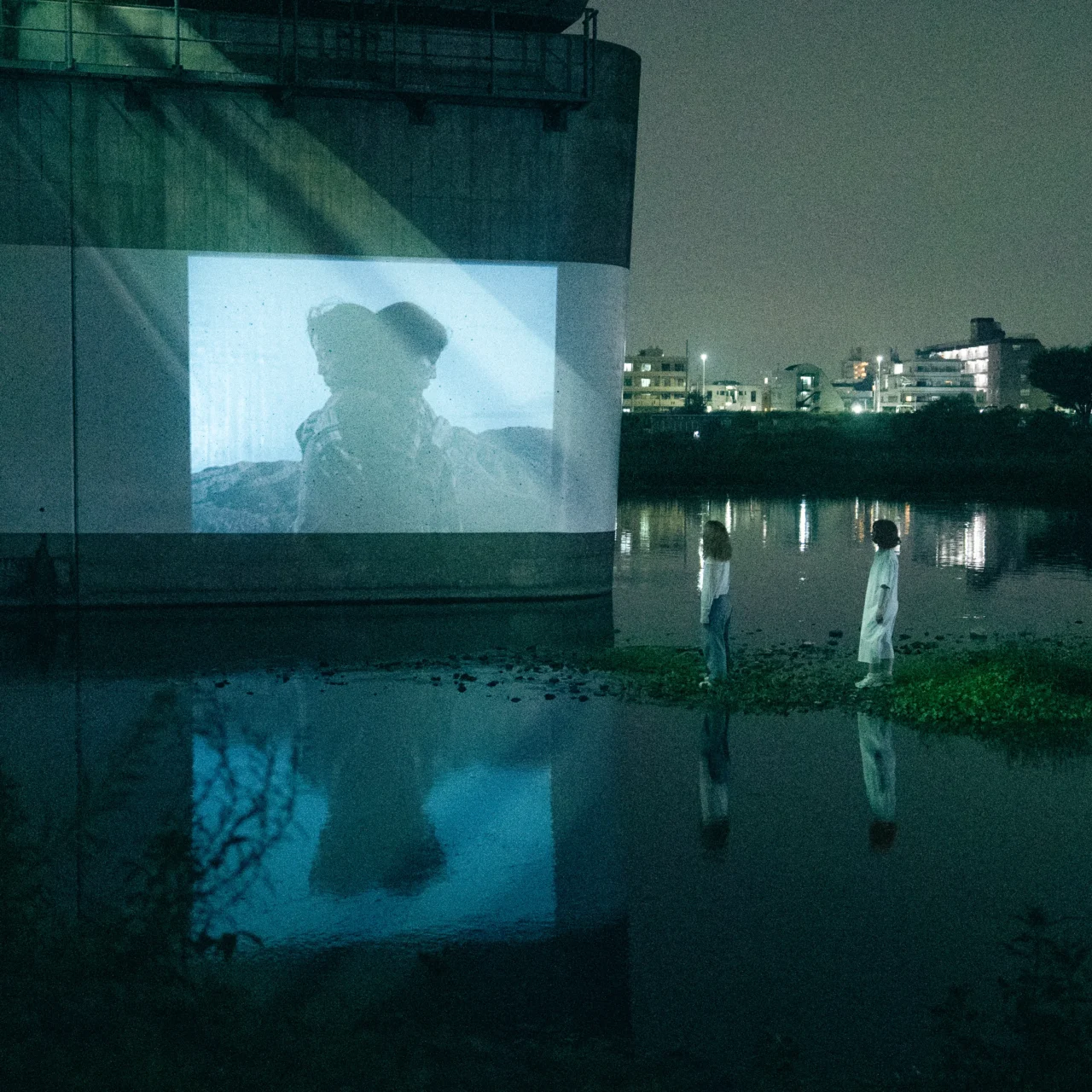
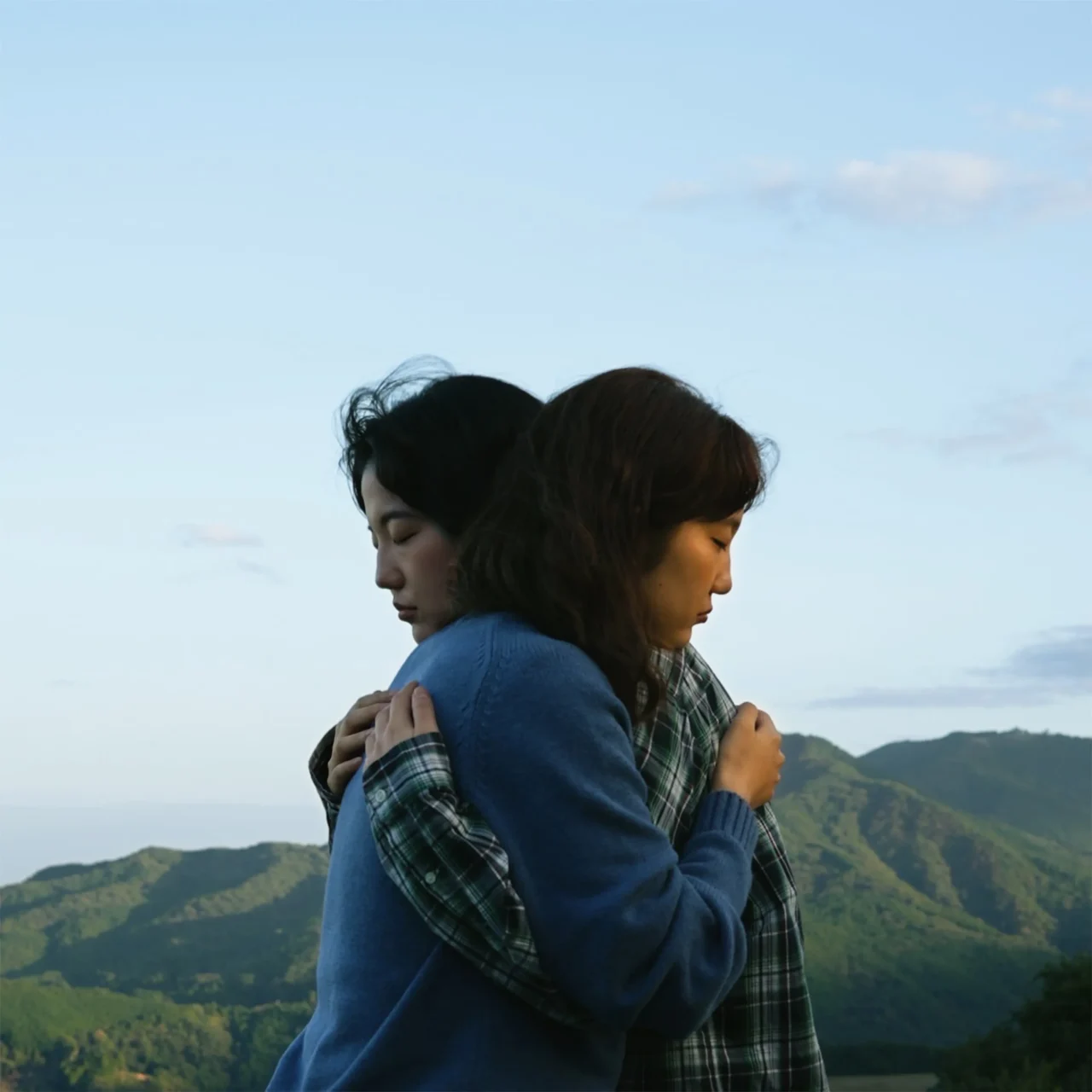
Inoue: That might have been the intention with the artwork. This time, I had a pair of twin friends appear in the visuals, so it can look like there are two versions of oneself. But since they’re not exactly the same, viewers can see it just as twins in the story, or they can see it as “myself and my past self.”