INDEX
Three Distinct Perspectives on Storytelling Within the Band
Ultimately, I feel this album carries a strong message aimed directly at the listener. Now that the second half is complete, how do you feel this album tries to communicate with its audience?
Suzuki: Originally, “sour” wasn’t even part of the album. The ending was supposed to be “orange and white.” That worked perfectly as a story—the relationship between the two characters resolves, and the story ends with them looking at each other. It was perfect in terms of narrative.
But I felt a bit stuck with how neatly it ended. I wanted something more — I wanted the characters themselves to leap out at me, the author, and say, “What about you?” That’s why we added “sour.” When we wanted to create an album that would stay with people for a long time, I wanted that jolt, that moment that catches you off guard. Earlier you mentioned feeling like you made eye contact with the characters—that’s exactly the feeling I wanted. I wanted to go further than something the listener could safely watch as “a story on stage.”
Kazuki and Yuta, how do you interpret ending the album with “sour”?
Inoue: I think it’s amazing. Ending with “sour” gives the album a sense of realism, making the characters feel like actual people. That line — makes me feel like the story keeps going. If you pursue realism, it doesn’t really end. Adding “sour” gave the album more depth; it made it feel three-dimensional. It was already fairly 3D, but this made it hit even harder.
Isomoto: I think the question of who “kimi” refers to is really important in understanding the album as a whole. Does it point to the characters, or the listener hearing the music? That’s never defined, and I think that’s great. If someone thinks it’s them, it makes them pause. In both good and challenging ways, I hope it shakes up the listener’s perspective.
The line <Nee, kimi wa doushite yume no naka demo kimi no omou you ni kimi wo shinai no? (“Hey, why don’t you even in your dreams be yourself the way you want to be?”)> is almost like a dialogue between the voice speaking and the listener. The drums as stage props are gone here. The listener may feel left alone in that moment, and I think it’s the perfect way to close an album that allows for so many interpretations.
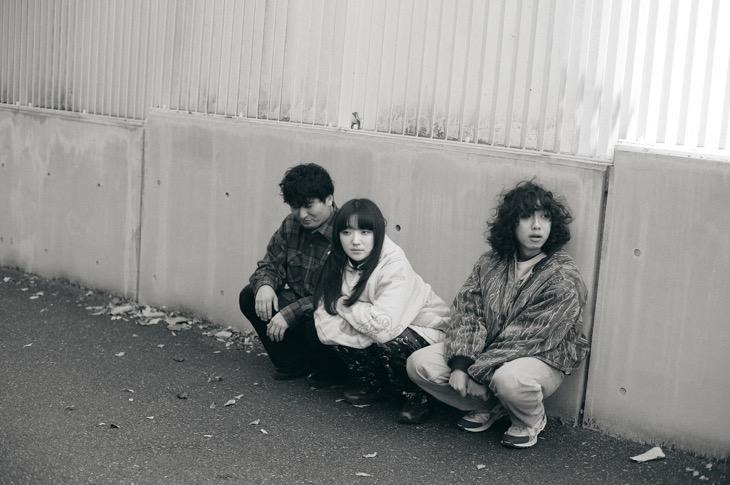
I was thinking about what kind of people are depicted in this work, ‘Nemuru – walls or bridges’, and as a listener, I felt they are people who, despite carrying flaws and foolishness, are living with incredible earnestness. When that image of humanity became clear to me, it gave me a surprisingly uplifting feeling. How do you all see the people portrayed in this work?
Suzuki: For me, when writing a story about humans, I wanted the characters to be close to myself. Since I’m writing about emotions and actions, if the distance from myself is too great, I can’t write it realistically. So in a way, this is a mirror of myself. They’re embarrassing, they’re fragmented, thoughts come to mind that reject my recent actions, and then I act in ways that contradict those thoughts — but… yeah, I also see them as earnest. I think this story is about people who pay close attention to each individual, who try to really see and listen. Through the relationship of the two characters, over time, each person tries to reach that place in their own life. That’s also how I want to be.
Isomoto: I think the two people in this album can be seen not just as “self and other,” but also as “self and another self.” The “other” could even be oneself. It might be a past version of yourself living with a different set of values, or it might be a self that exists deep in the inner world of the mind. That’s how I looked at the lyrics.
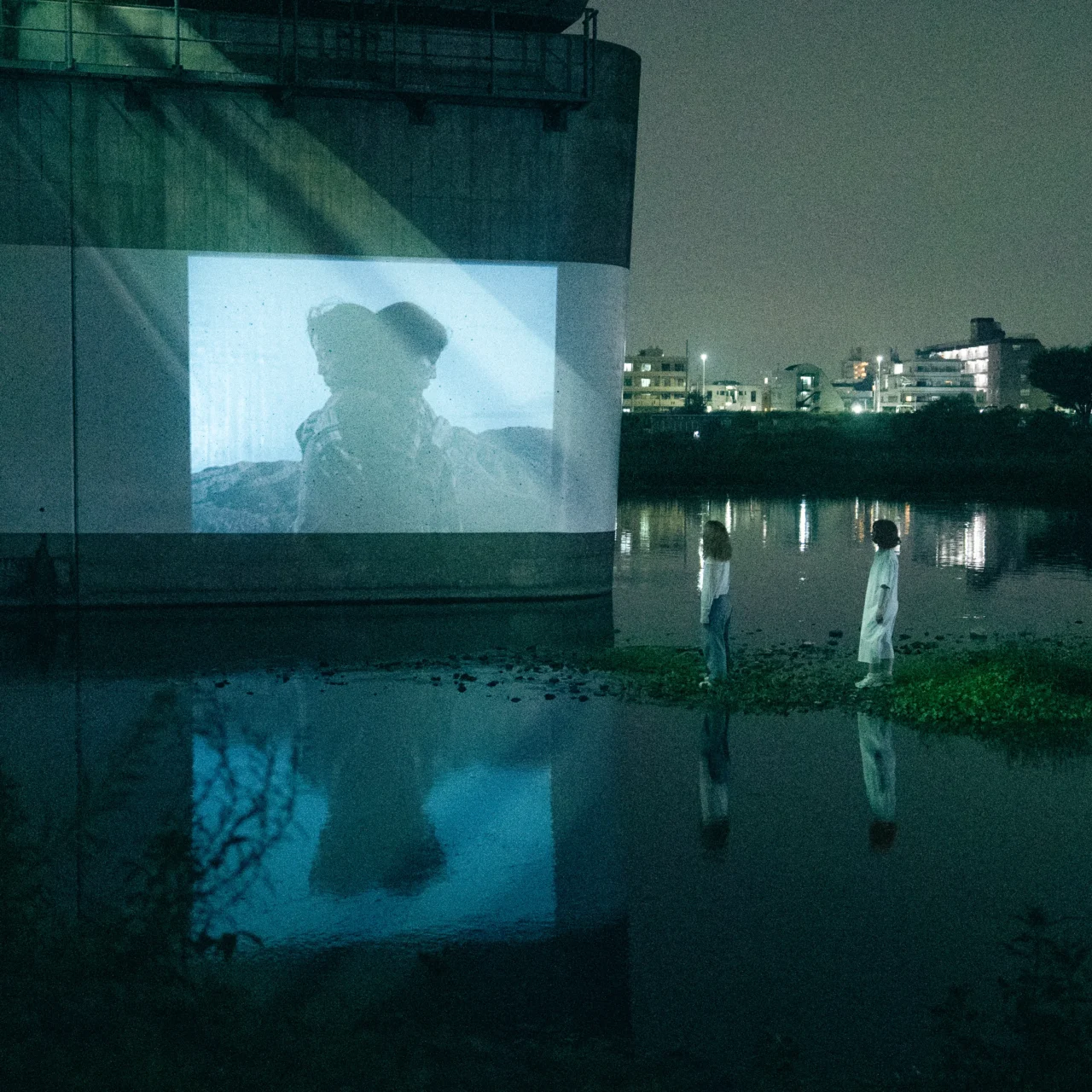
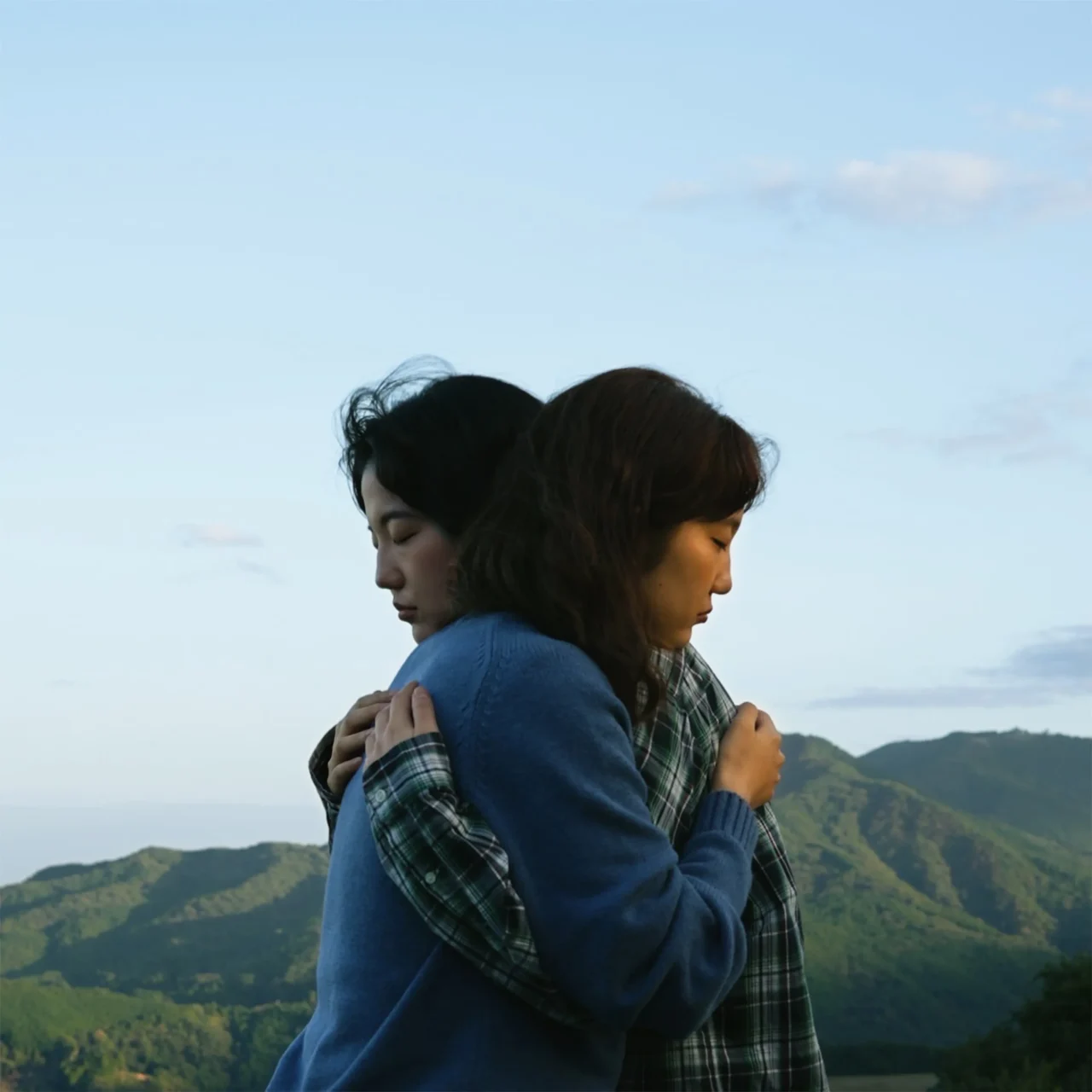
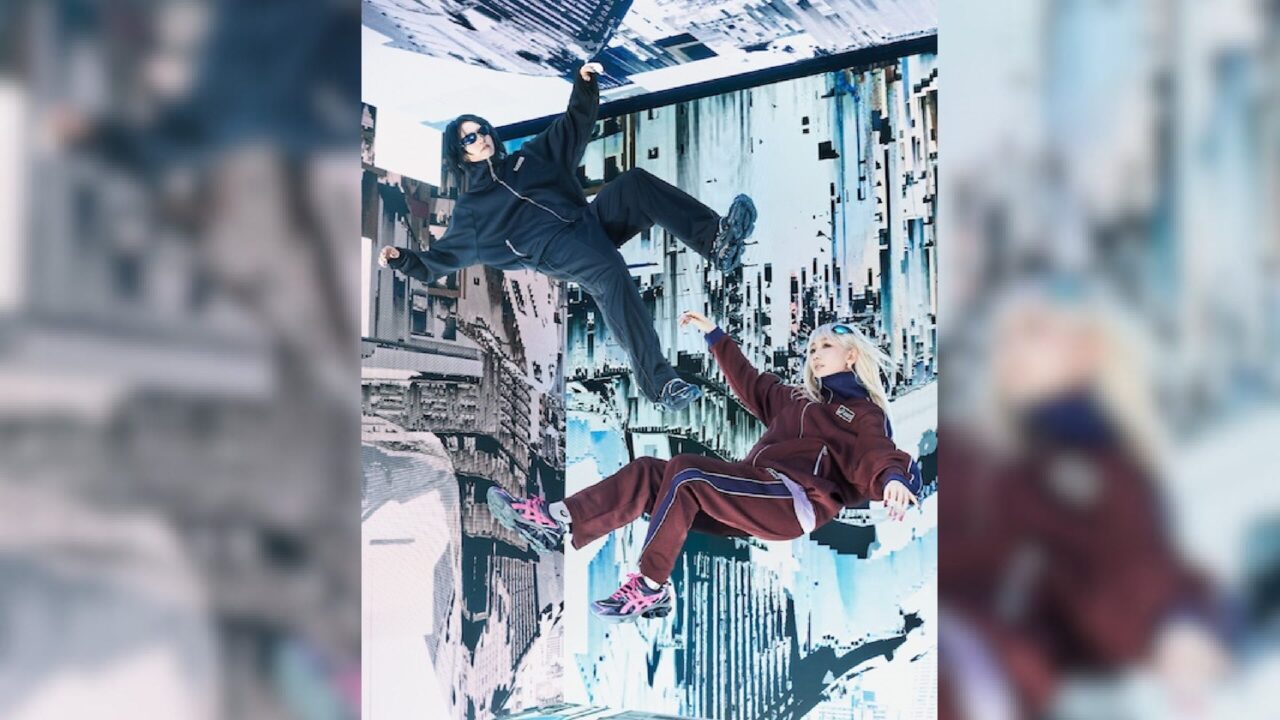
Inoue: That might have been the intention with the artwork. This time, I had a pair of twin friends appear in the visuals, so it can look like there are two versions of oneself. But since they’re not exactly the same, viewers can see it just as twins in the story, or they can see it as “myself and my past self.”