From a city far from the capital, a quiet movement began to take shape.
Based in Taichung, ”EMERGE FEST” has grown from a local experiment into one of Taiwan’s most influential outdoor music festivals. At its core is ”Emerge Music,” a collective that has spent more than two decades nurturing the indie ecosystem from the ground up. Since launching a record label in 1999 and opening Taichung’s first live venue, ”Laonuo Live House,” in 2001, they have insisted on building culture where they stand—patiently, persistently, and outside the spotlight of Taipei.
The launch of ”EMERGE FEST” in 2019 marked a turning point. What began as a homegrown gathering now draws artists from across Asia, with Japanese acts becoming a familiar presence on its stages, and the festival emerging as a vital hub for regional exchange.
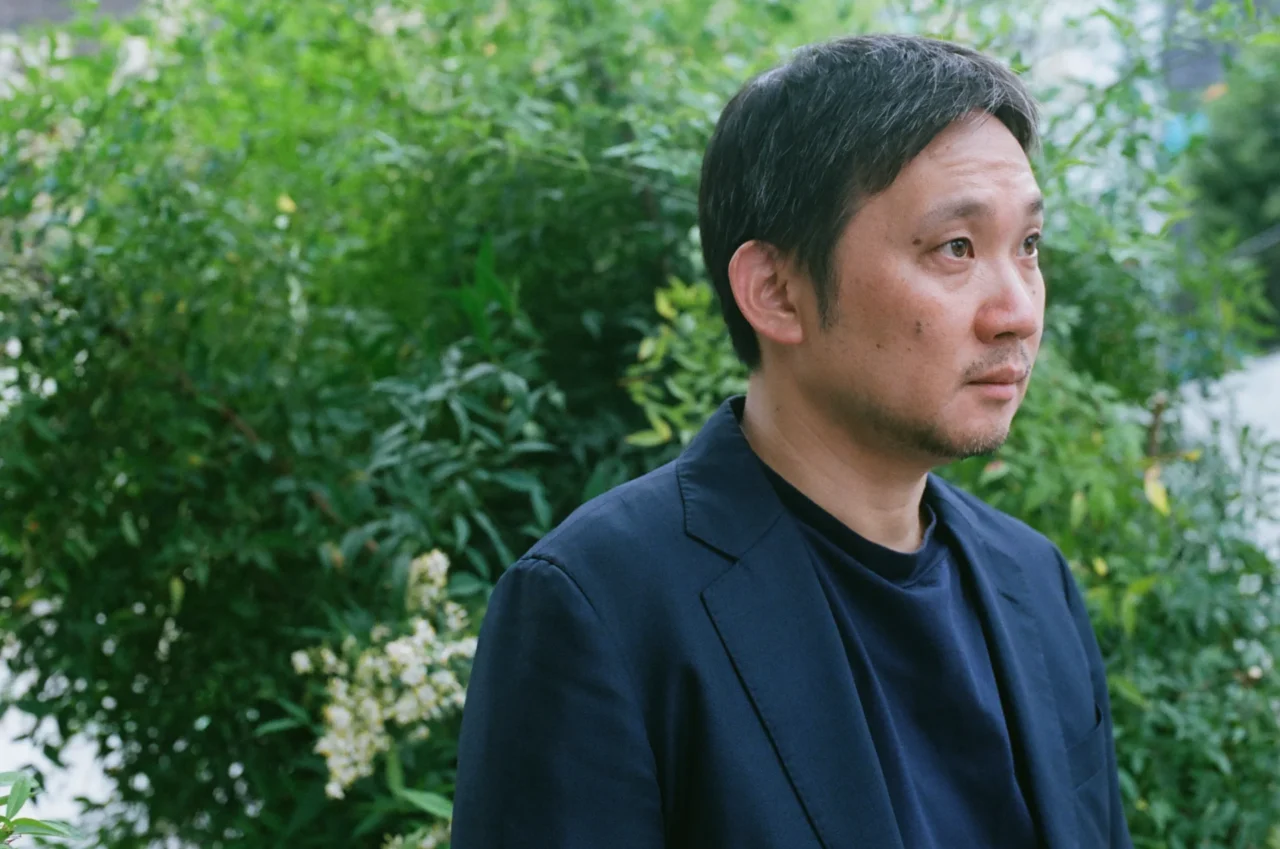
At the center of this story is Nuno, also known as Laonuo, the founder of ”Emerge Music.” Once a systems engineer juggling indie band life after military service, his unconventional path led him to plant the seeds of live house culture and festival-making in Taichung. That 25-year journey runs parallel to the rise of Taiwan’s indie scene itself—and today places Nuno among the key figures shaping Asia’s musical present.
Guided by the belief of “building bridges through kindness and vitality,” this interview traces what ”Emerge Music” has built so far, and looks ahead to the future Nuno continues to imagine.
INDEX
The Spark Behind Launching a Music Venue: Japanese Manga and a Glimpse of Tokyo
You founded a record label in 1999. Could you start by telling us how that came about?
Nuno: Before the 1990s, Taiwan didn’t really have dedicated live music venues. Most musicians performed in pubs, singing cover songs from overseas. But in the 1990s, more performance venues began to appear in Taipei, and singer-songwriters who wrote their own material started to emerge.
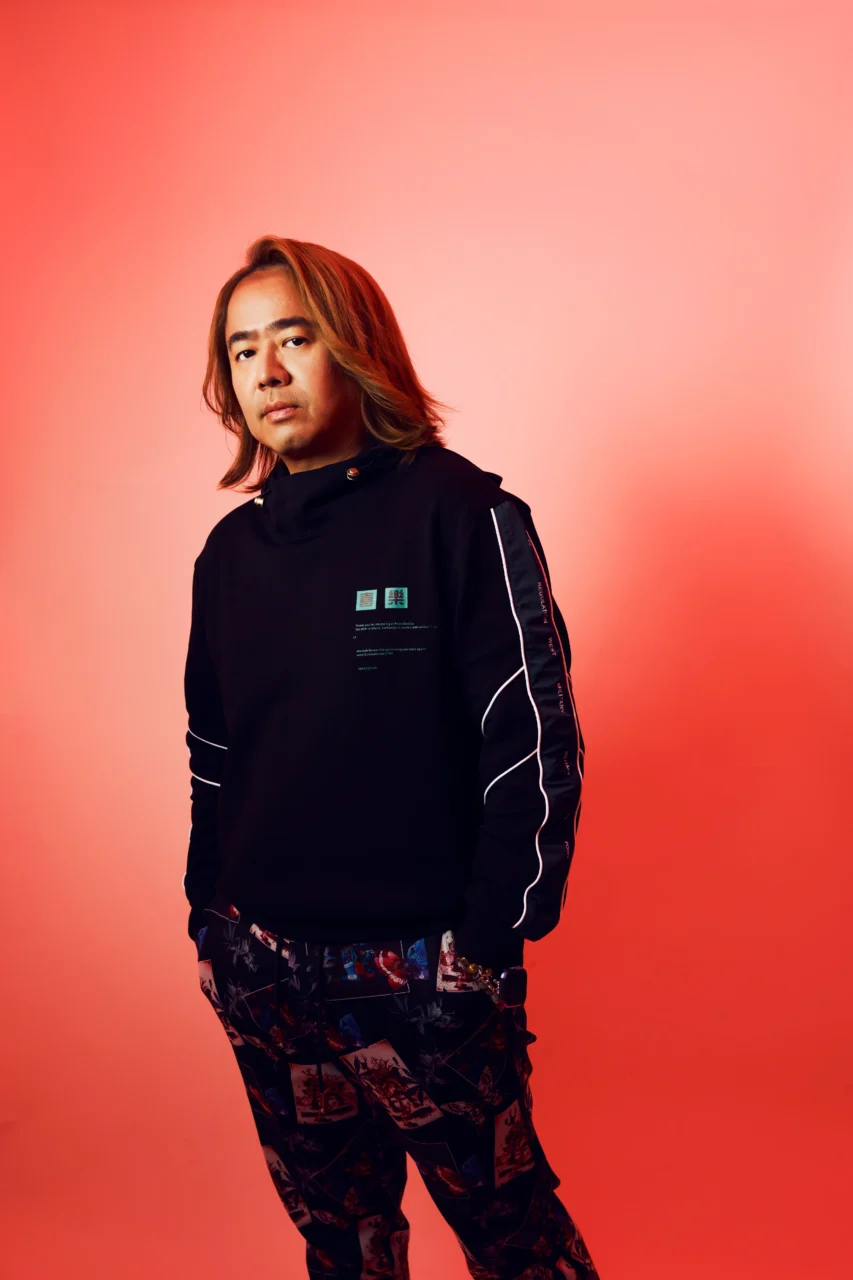
Nuno: After finishing my military service, I was performing in pubs as well. But I was inspired by Taiwanese bands who were playing original music, and that pushed me to start working as part of an indie band myself.
Through band activities, I made more friends from overseas. I began to think it would be exciting to bring great music from abroad into Taiwan and share it with people here. That idea led me to start a record label called ”GAMAA MUSIC,” which later became the foundation for what we do now.
So you were a band musician yourself from the beginning.
Nuno: Yes, I was always in metal bands. In the 1980s and 1990s, bands like Guns N’ Roses and Bon Jovi made their way into Taiwan, and later I was heavily influenced by Japanese bands such as X JAPAN and LUNA SEA.
Two years after founding the label, in 2001, you opened a music venue called ”Laonuo” in Taichung.
Nuno: In the early 2000s, Taiwan entered a downturn in CD sales, but at the same time, more and more live music venues were opening in Taipei. Around then, I visited Japan for the first time. I was struck by places like Shibuya and Shinjuku, where so many venues were clustered together in a single neighborhood.
Japan felt incredibly alive—people walking around carrying instruments, band members handing out flyers they had made themselves. It was exactly like the scenes I had seen in Japanese manga such as ”20th Century Boys,” ”BECK,” and ”Detroit Metal City (DMC).”
Seeing all of that convinced me that Taiwan, too, was heading into an era centered around live music venues. I felt there needed to be a base in central and southern Taiwan as well. That’s why I decided to open ”Laonuo” in Taichung — the first dedicated live music venue outside of Taipei.
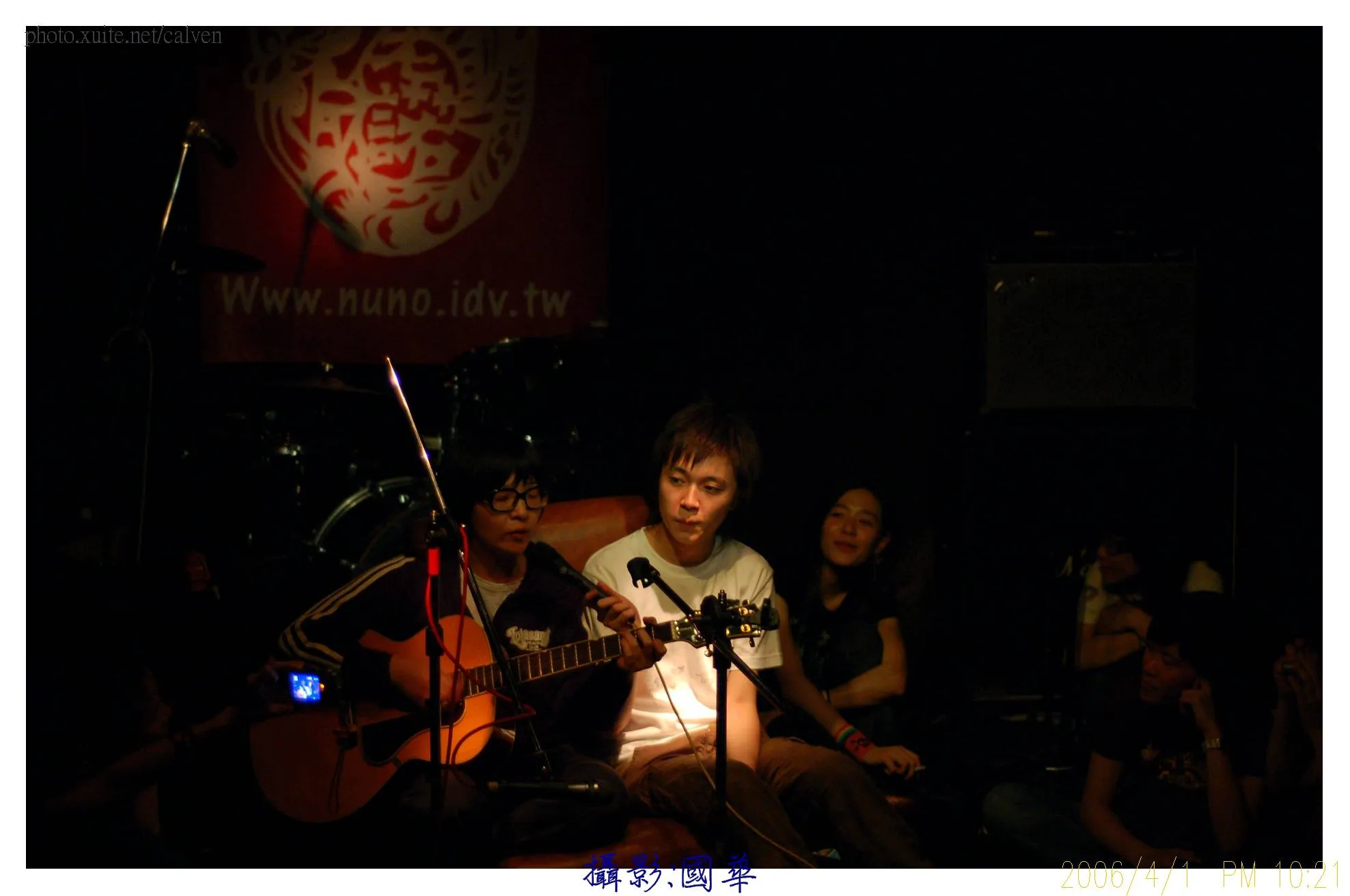
Building a live music venue culture in Taichung couldn’t have been easy. Can you talk about the challenges you faced early on, and when things finally began to turn around?
Nuno: It was definitely hard at first [laughs]. I left behind a stable job as a systems engineer to pursue music, so my family was strongly against it.
I was basically living in hiding inside the venue — I couldn’t go home, and I had no money. I became close with the staff at the shops downstairs, and they would secretly share food that was about to be thrown away so I could get by [laughs].
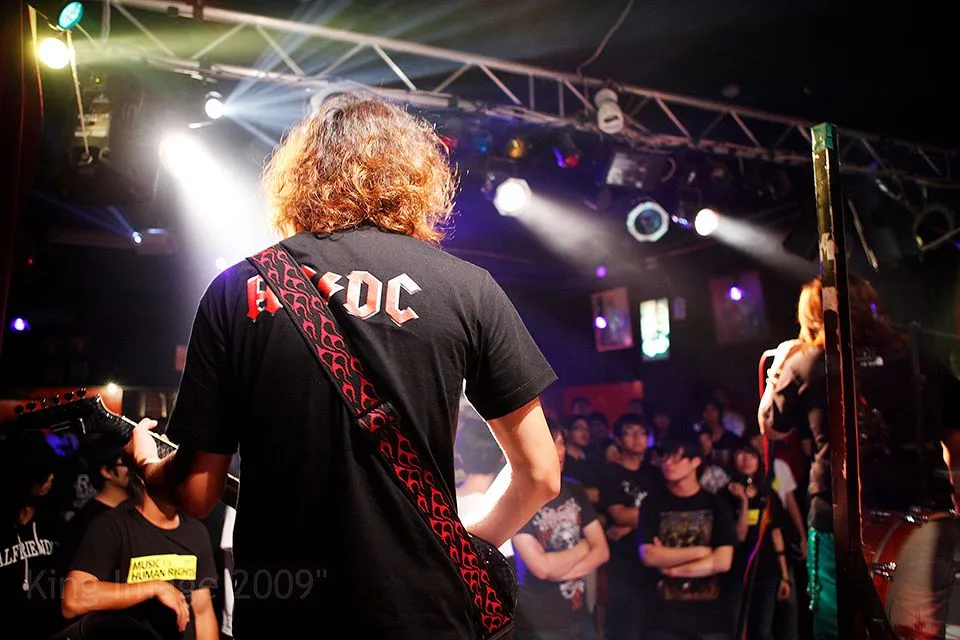
So it really was a tough period.
Nuno: I lived in poverty for a long time. But at the same time, Taichung didn’t have any other live music venues back then. If people wanted to see shows, they had no choice but to come to us — so in that sense, it was actually easier.
In fact, the very first band to play at my venue was ”Fire EX.” At their first show, there were only two or three people in the audience [laughs].
Fire EX. are now well known even in Japan. So you were supporting them from their very early days.
Nuno: Around 2010, live music venues really started to take off, and things finally became viable as a business. ”Laonuo” was a small space, so I began planning our next step—opening a venue that could hold around 1,000 people.
But in 2011, a tragic fire broke out at a nightclub in Taichung. Many people lost their lives, and in response, the government imposed strict regulations. Every live music venue and club was inspected, shut down, or forced to close.
In 2011, a fire at the Taichung nightclub ”Jack Daniel’s” killed nine people, including customers and part-time student workers, and injured twelve others.
To survive that crisis, I realized we had to move beyond the walls of a venue. That’s when I decided to shift our focus toward outdoor music festivals.
INDEX
Launching EMERGE FEST to Raise the Bar for Taichung’s Music Scene
You launched the music festival “EMERGE FEST” in Taichung in 2019. Was there a particular significance to holding the festival in Taichung?
Nuno: The main reason I’ve kept building a music brand here is because this is my hometown. If I were to run a festival in Taipei and it failed, I’d simply be another outsider who came and went. But in Taichung, even if it doesn’t succeed right away, I feel it can still help elevate the local music scene in some small but meaningful way.
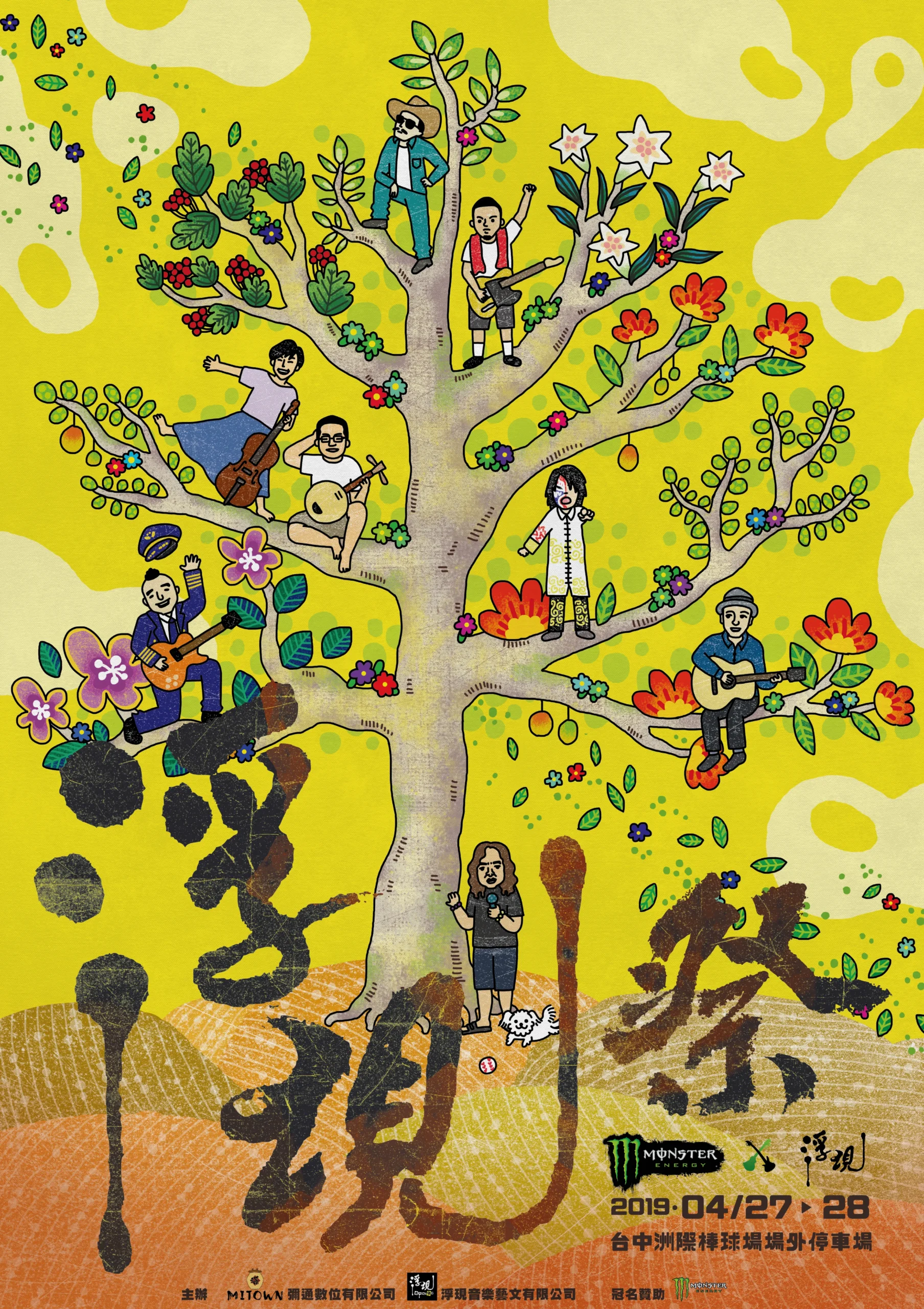
Nuno: More than making money, I see it as my mission to increase the number of people in Taichung who truly love bands and music. At the beginning, we had very limited resources, and it was tough—but there was real meaning in doing this work in my hometown.
Looking back, how do you think your activities have shaped Taichung today, and what goals have you managed to achieve?
Nuno: Of the two goals I set at the start, one has already been achieved: creating an environment where people are willing to buy tickets and pay to enjoy live music.
For a long time, Taichung placed little value on the arts, and most events were free. I spent over a decade working to establish a culture where paying for music — and valuing it as something worth supporting—felt natural. The fact that festivals in Taichung now sell tens of thousands of tickets represents a huge shift.
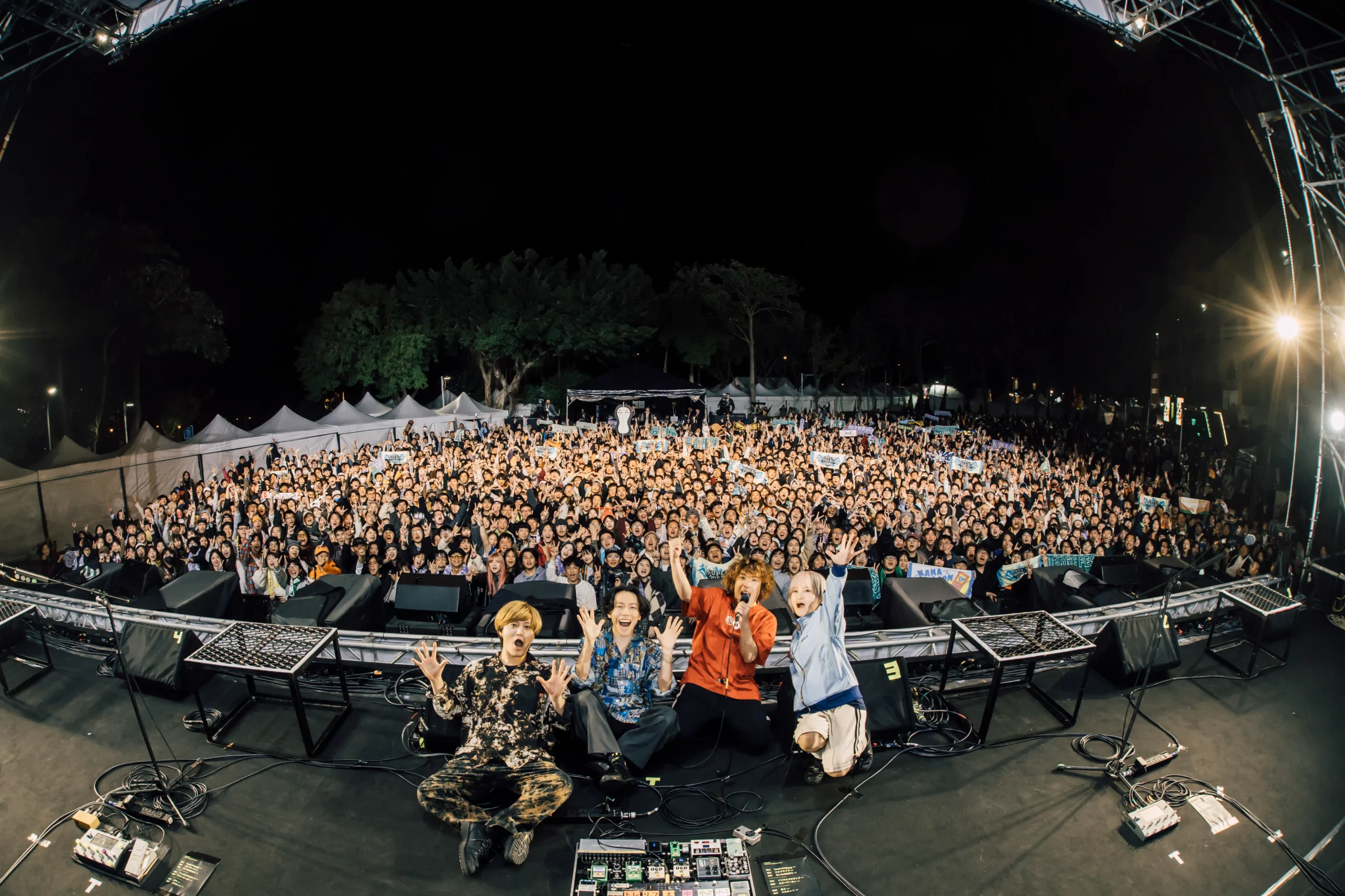
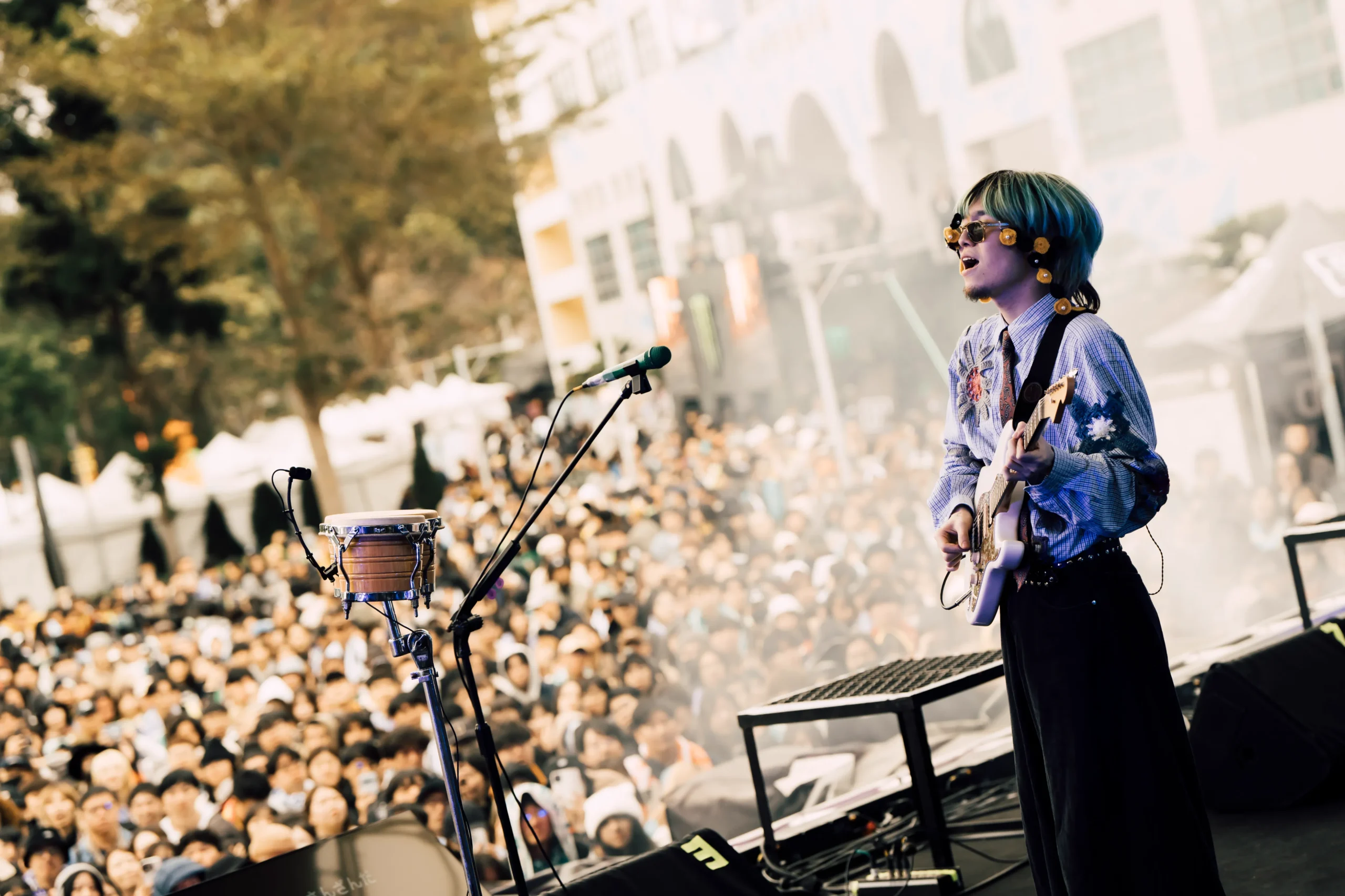
Nuno: However, the other half of that original goal—getting more people to listen to bands from Taichung—is still a work in progress. How to nurture local artists and bring them into the spotlight remains an ongoing challenge, and it’s something I want to continue supporting in my own way.
INDEX
IN-CON: Creating New Pathways into the Asian Music Market
Having watched Taiwan’s indie scene up close for so many years through music venues and festivals, how do you see the uniqueness of Taiwanese music, or the cultural differences compared to other countries?
Nuno: One moment that really stood out to me was when I brought the band JhenYueTang to Fuji Rock Festival in 2025 and saw how audiences reacted. Rather than mainstream pop, their music blends Taiwanese traditional arts and folk beliefs with contemporary sounds like rock and metal. That kind of approach draws attention wherever you go, and I believe embracing what’s uniquely Taiwanese is precisely what gives artists an edge on the international stage.
Nuno: Our goal is to help Taiwan’s indie music scene grow from the ground up and gradually make its way into the broader Asian pop music market.
To do that, we’ve built a matching platform called IN-CON, designed to connect Taiwanese indie artists with international opportunities. Through this system, we support Taiwanese bands so they can perform in places like Japan, Thailand, and South Korea, and take their first real steps onto the global stage.
So what exactly is IN-CON, and how does the system work?
Nuno: We start by compiling a list of Taiwanese bands. Curators and live music venues in different countries — such as Japan, South Korea, Malaysia, and Thailand—then select artists based on their own market needs and directions, choosing the acts they’re interested in or feel are a good fit for their local scenes.
Our role is mainly to provide support and facilitate the matching process. Through this, we’re able to observe patterns and characteristics shared by Taiwanese bands that have real potential for international expansion, and to steadily build up data around that.
How do you feel about the results so far?
Nuno: One of the most interesting outcomes of IN-CON is that the bands chosen by markets like Japan, South Korea, and Thailand often differ from the “Mandopop” styles that tend to be favored within Taiwan. This shows that there are bands with genuine overseas potential that may remain overlooked at home. That gap between domestic and international taste is precisely where the opportunity lies, and we want to keep turning that gap into real chances for these artists to cross borders and enter new markets.
INDEX
Connecting Asia Through Taiwan as a Hub
On the Emerge Music website, the phrase “building bridges through kindness and vitality” stands out. Bringing Taiwanese bands overseas feels very much in line with that idea, but is “building bridges” something you consciously see as the driving force behind your work?
Nuno: Yes, very much so. That idea carries two meanings for me. The first is about Taichung. Many young people born here eventually move to cities like Taipei or Kaohsiung. But if a music festival is still happening in their hometown, it gives them a reason to come back — to return home just to listen to music. I want to build a bridge that allows people who left Taichung to reconnect with their roots.
The second meaning is more international. Through the IN-CON system, I want to create bridges that take Taiwanese musicians abroad, allowing them to connect and interact with people all over the world. Those two ideas of “building bridges” are always at the core of what I do.
Emerge Music now has a branch in Thailand, and since 2022 you’ve also been holding a Japan edition of EMERGE FEST. Through these exchanges across different Asian countries, how do you see the current challenges facing Taiwan’s music scene today?
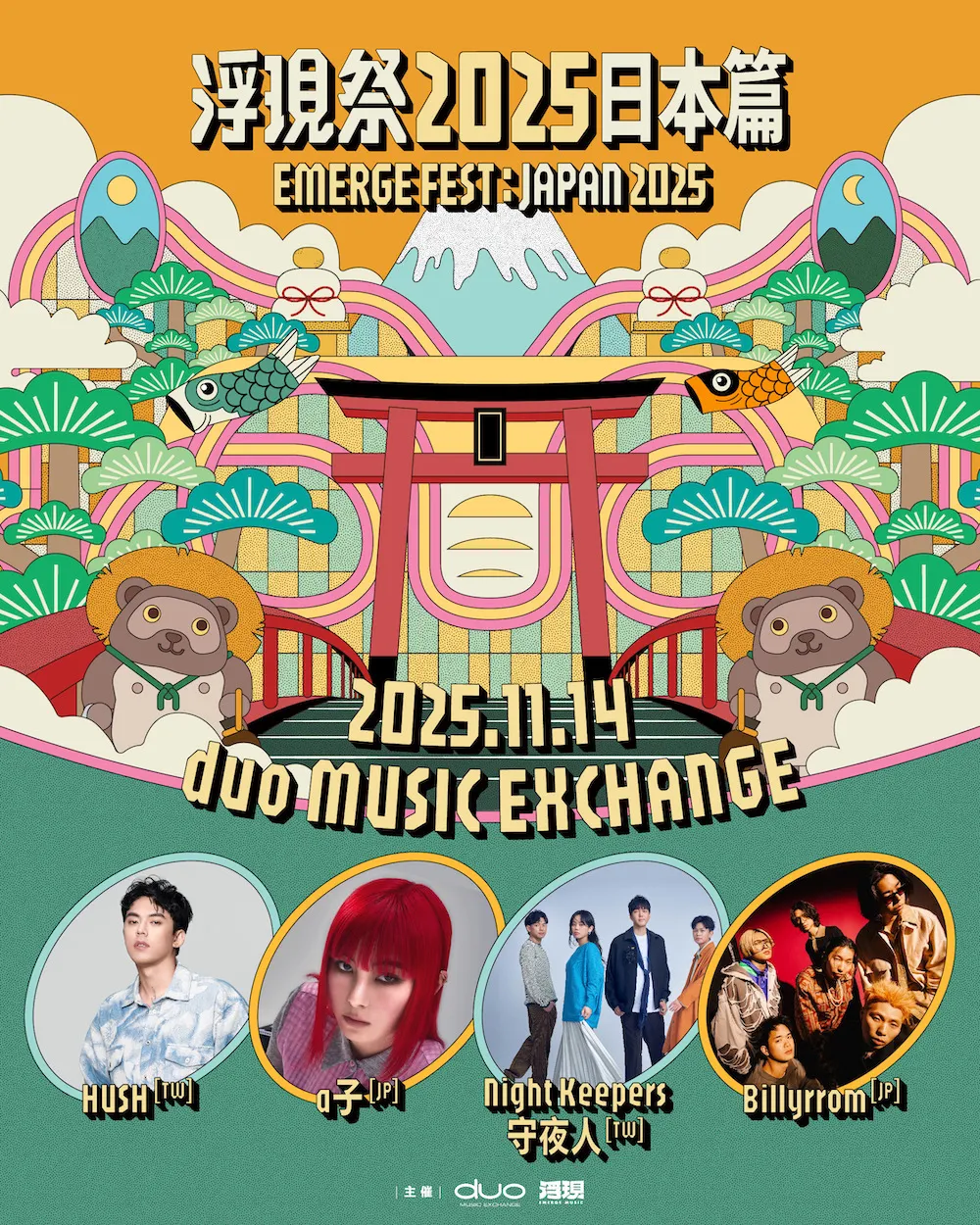
Nuno: Honestly, I’m a bit envious of Japan and South Korea. Japan has anime, and Korea has K-pop — both serve as strong cultural gateways to the world. Taiwan doesn’t yet have that kind of powerful, globally recognized export.
If Taiwan’s path into the global music scene is different from the Japanese or Korean model, what direction do you see it taking?
Nuno: Before 2000, Taiwan played a very important role in the Mandarin-language pop world. But as many major labels shifted their focus to the Chinese market, Taiwan may have seen strong commercial returns over the past 10 to 20 years. At the same time, though, it missed a key opportunity to take part in the broader development of the Asian music market.
Now, as China’s music market is beginning to contract, Taiwan faces a much higher hurdle in stepping back into the international scene. Still, over the past few years, indie music among Taiwan’s younger generation has been growing in a really powerful way — developing with its own distinct energy, identity, and style.
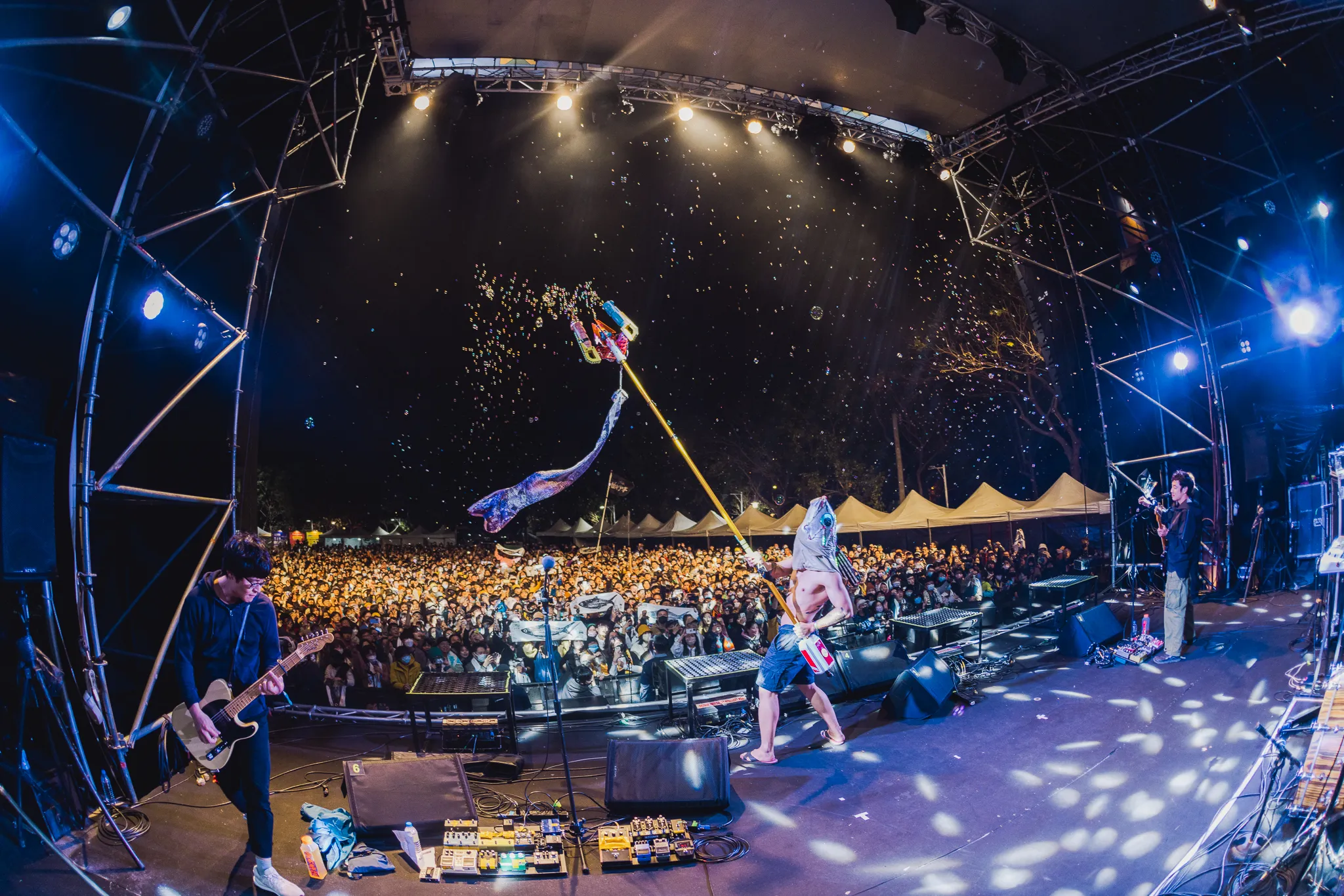
Nuno: Looking ahead, I hope this new generation of creators will carry that same momentum and passion forward — approaching things with a more open, Asia-focused perspective and a truly global outlook, and stepping back into the international music market. To do that, I believe the first step is building bridges within Asia.
Since 2024, the urban music event JAM JAM ASIA has been held in Taichung. What kind of potential do you see in it?
Nuno: JAM JAM ASIA is actually an initiative of the Taipei City Government. For a long time, the city has been thinking about how to promote Taiwan’s music and culture to the world. But rather than just pushing our culture outward in a one-way direction, I think it’s much healthier to also welcome other countries’ cultures in. When there’s real two-way exchange, it creates a much better feeling for everyone involved.
Nuno: So in my role as an advisor, I don’t just want to connect Taiwan with other Asian countries one by one. I want to help build a platform where Taiwan serves as a hub — linking all Asian countries in a circle, so everyone can connect and exchange with one another.
I’ve been advising the government that, rather than simply exporting Taiwanese culture in a one-way direction, it’s just as important to respond seriously to requests from other countries that say, “This is something we’d like to share or introduce in Taiwan.” True exchange has to be two-way — that’s what really matters.
INDEX
Working Closely Together to Energize Asia’s Music Scene
Toward the end of last year, several shows by Japanese artists in China were canceled, which highlights how cultural and political issues between Asian countries still affect the entertainment world. In the face of these challenges, how do you approach music?
Nuno: Politics and music are deeply connected, and they inevitably influence each other. For example, even during China’s long-running unofficial restrictions on Korean pop culture, South Korea’s music industry managed to expand into Southeast Asia and Western markets and continue growing. I believe the key to navigating the balance between music and politics lies in maximizing the potential of different markets.
※ In 2016, following South Korea’s decision to deploy THAAD (a U.S.-developed missile defense system), China imposed unofficial retaliatory restrictions on Korean popular culture — including K-pop, Korean dramas, films, and tourism.
Nuno: That’s why, when we run into problems, it’s important not to turn away from them but to actively try to work through them. At the same time, we can’t depend on just one place. Creating a flexible market structure is, I think, what allows us to get through difficult situations.
Finally, to further energize Asia’s music scene, what kind of collaboration would you like to pursue with Japan in the future?
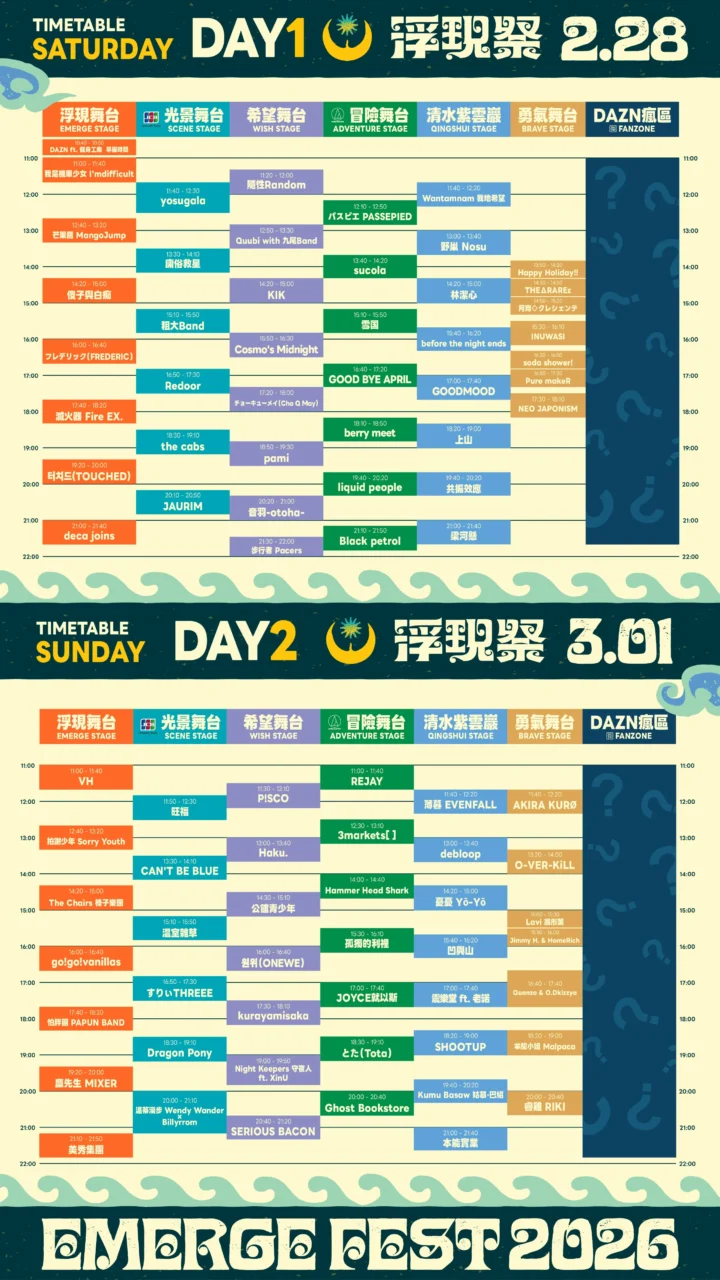
Nuno: Japan is the country we’ve collaborated with the most, and we hope to continue strengthening that relationship. We regularly invite Japanese artists to the four festivals we organize, and for EMERGE FEST in 2026, more than 20 Japanese acts have already been confirmed.
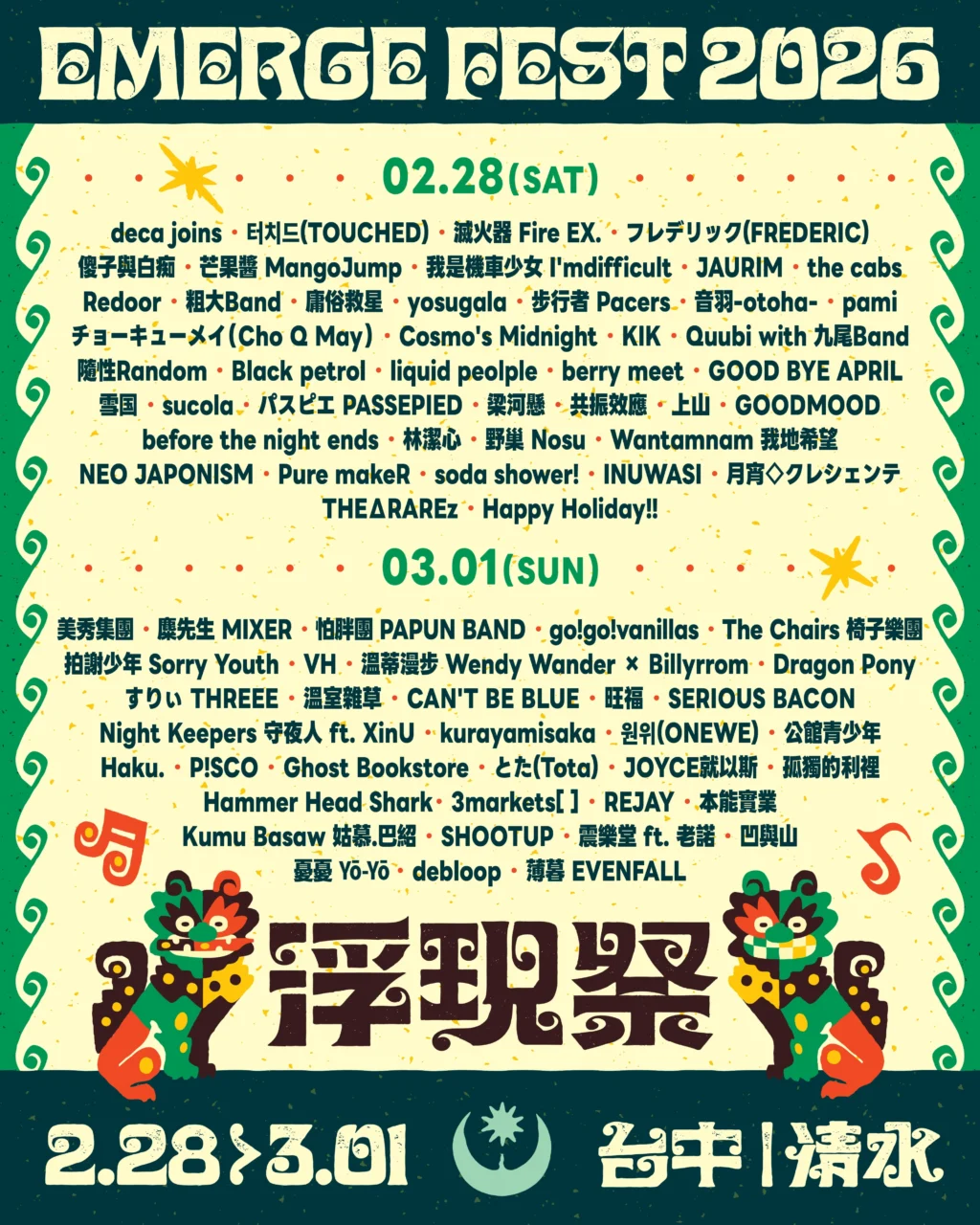
Nuno: In fact, after Taiwanese bands, Japanese bands are the ones who appear most frequently at our events. We also collaborate with FRIENDSHIP. to hold auditions.
Looking ahead, I’d like to bring even more Taiwanese bands to Japan. And beyond bands, we’re also seeing more idol groups emerging in Taiwan, influenced by Japan’s idol culture, so I’d love to create more opportunities for those kinds of artists as well.
So for Japanese artists who are interested in performing at events in Taiwan, I hope they’ll make use of IN-CON. I’d really like Japan to remain our closest partner country, and for us to keep working together to energize the Asian music scene.
𝐄𝐌𝐄𝐑𝐆𝐄 𝐅𝐄𝐒𝐓 𝟐𝟎𝟐𝟔
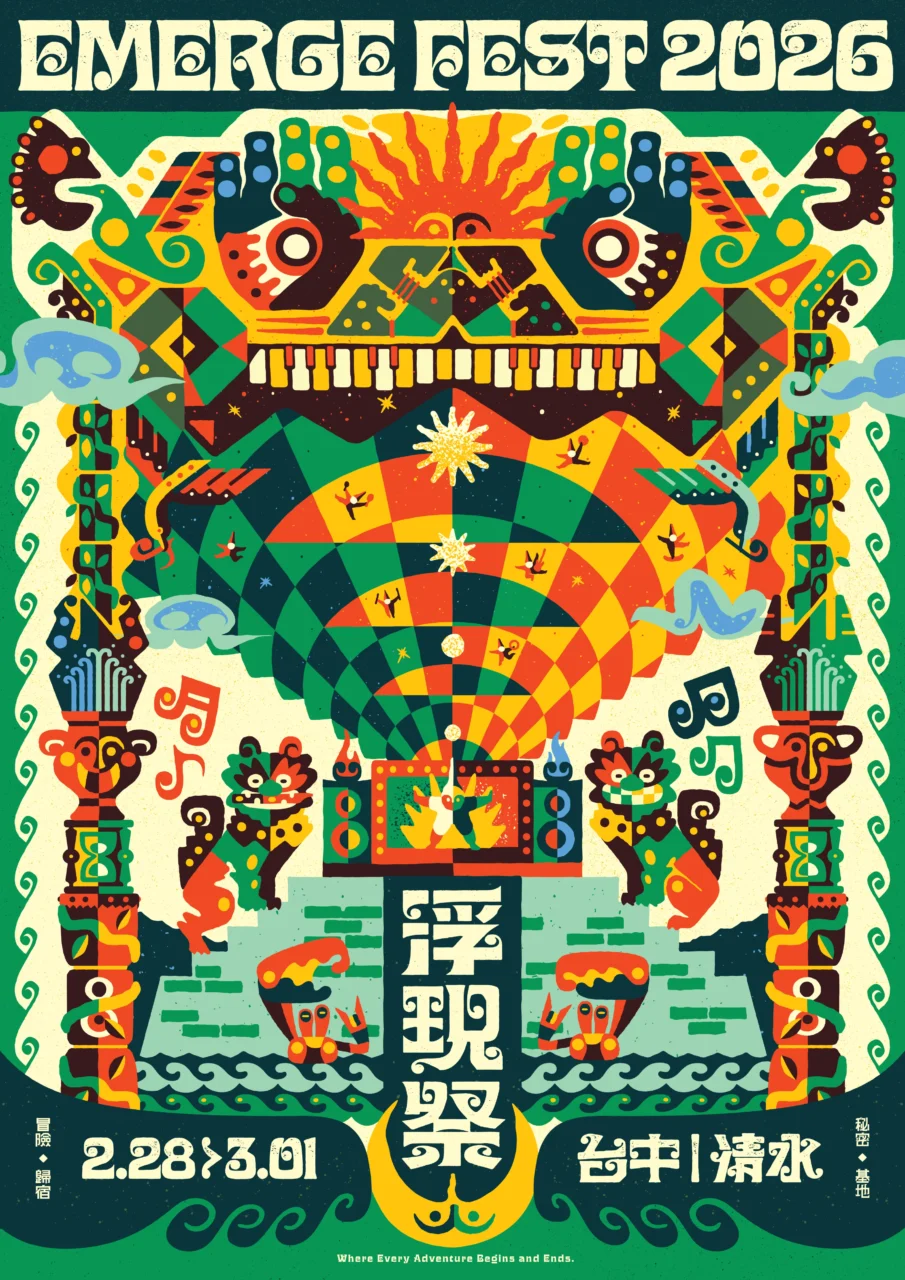
⭓ Dates | February 28–March 1, 2026
⭓ Time | DAY 1: 11:00–22:00 | DAY 2: 11:00–21:50
⭓ Venue | Aofengshan Sports Park, Qingshui, Taichung
⭓ Lineup
Bisiugroup|deca joins|JAURIM|TOUCHED|Fire EX.|MIXER|PAPUN BAND|FREDERIC|go!go!vanillas|The Chairs|MangoJump|Wendy Wander × Billyrrom|I’mdifficult|Sorry Youth|Fool and Idiot|Dragon Pony|Wonfu|VH|THREEE|Tota|Cosmo’s Midnight|SERIOUS BACON|pami|the cabs|otoha|溫室雜草|Vulgar Savior|Gongguan Youth|P!SCO|Thick Band|Haku.|Cho Q May|berry meet|ONEWE|Redoor|CAN’T BE BLUE|kurayamisaka|Snow Country|Ghost Bookstore|SHOOTUP|Liang Hexuan|Lonely Lily|REJAY|Instinct Industry|Ao & Mountain|JOYCE|Nosu|KIK|Lin Jie Xin|JhenYueTang ft. Nuno|PASSEPIED|INUWASI|Quubi with Nine-Tail Band|NEO JAPONISM|yosugala|soda shower!|Pure makeR|Tsukiyo Crescente|THEΔRAREz|Happy Holiday!!|debloop|Resonance Effect|Hammer Head Shark|3markets[ ]|EVENFALL|Yō-Yō|sucola|Random|Up the Mountain|Pacers|Black petrol|Wantamnam|Night Keepers ft. XinU|Kumu Basaw|GOOD BYE APRIL|liquid people|GOODMOOD|before the night ends|Malpaca|RIKI|Quanzo & O.Dkizzya|Jimmy H. & HomeRich|Lavi|O-VER-KiLL|AKIRA KURØ
■ Instagram
https://www.instagram.com/emerge_fest/