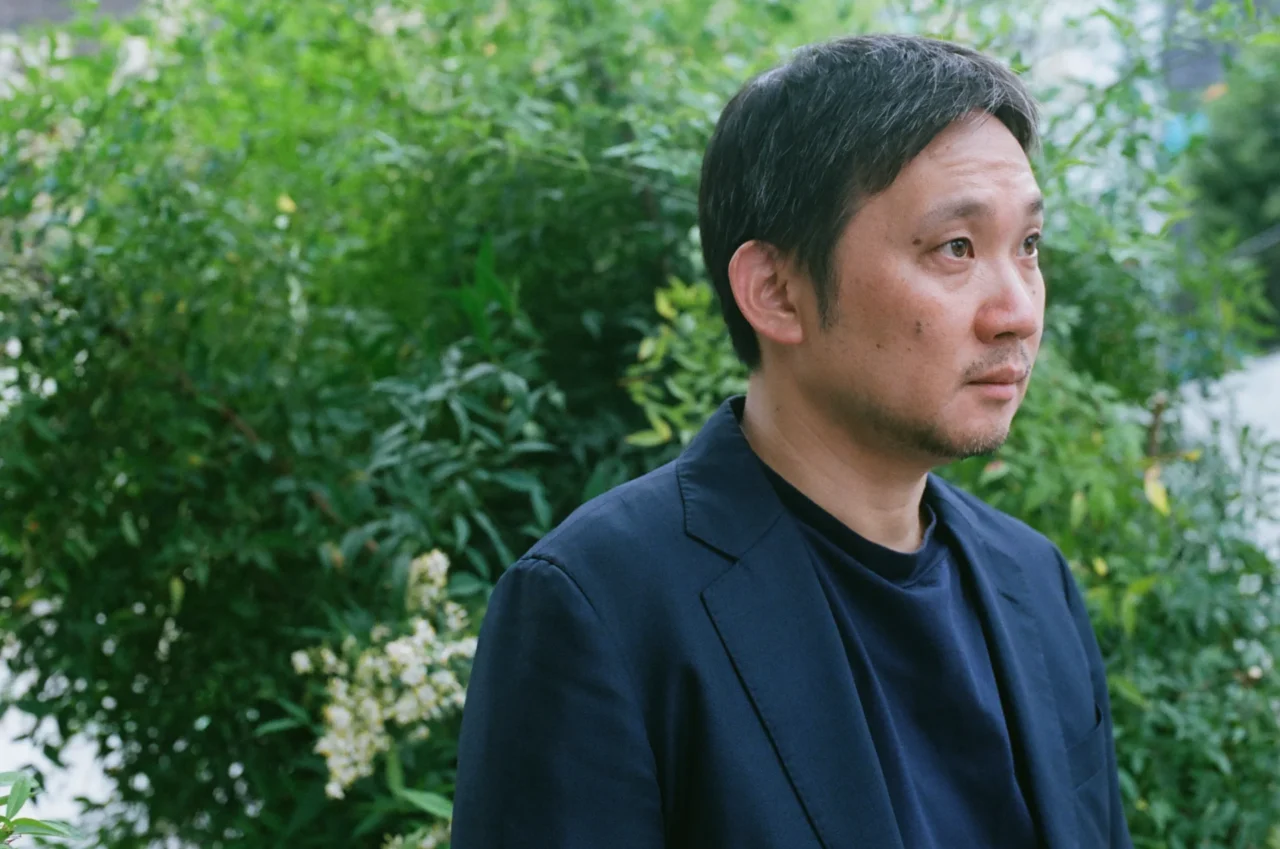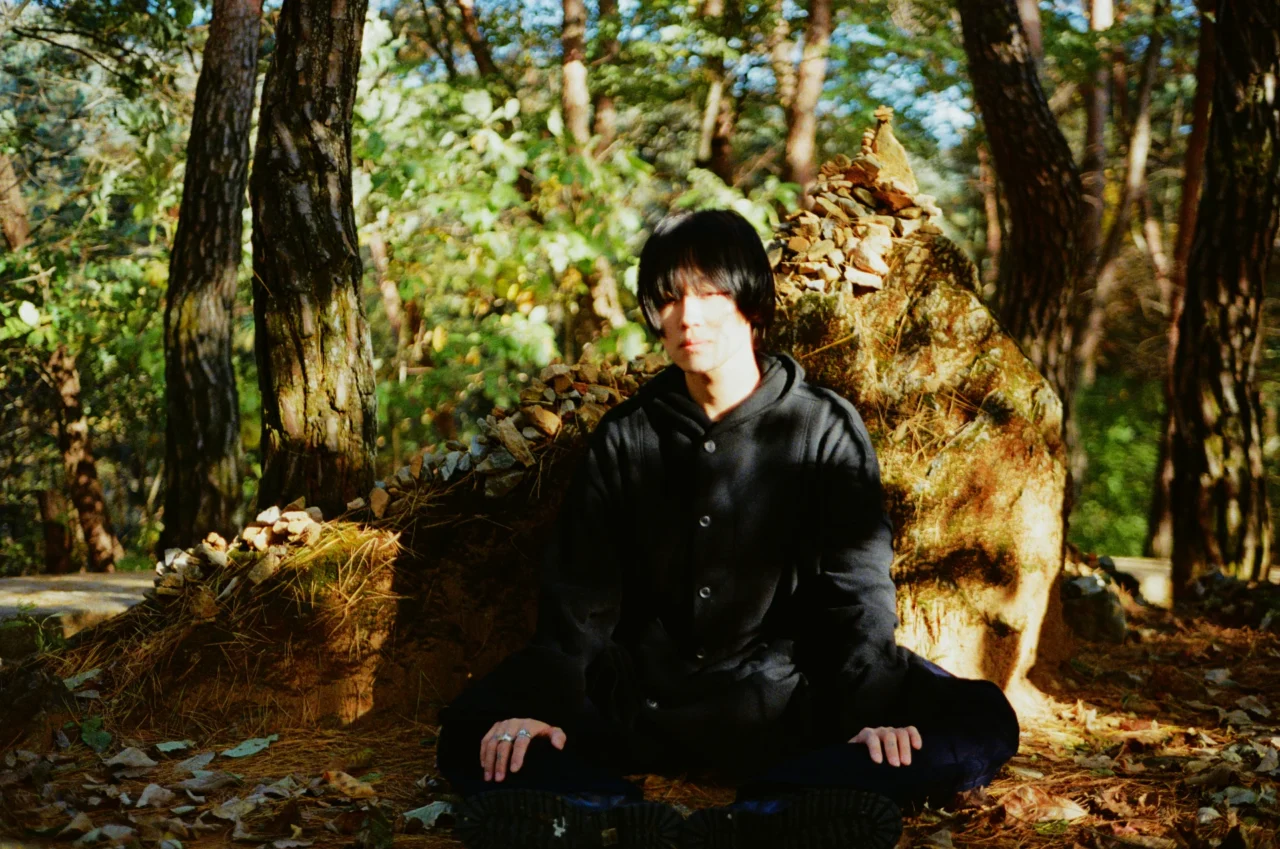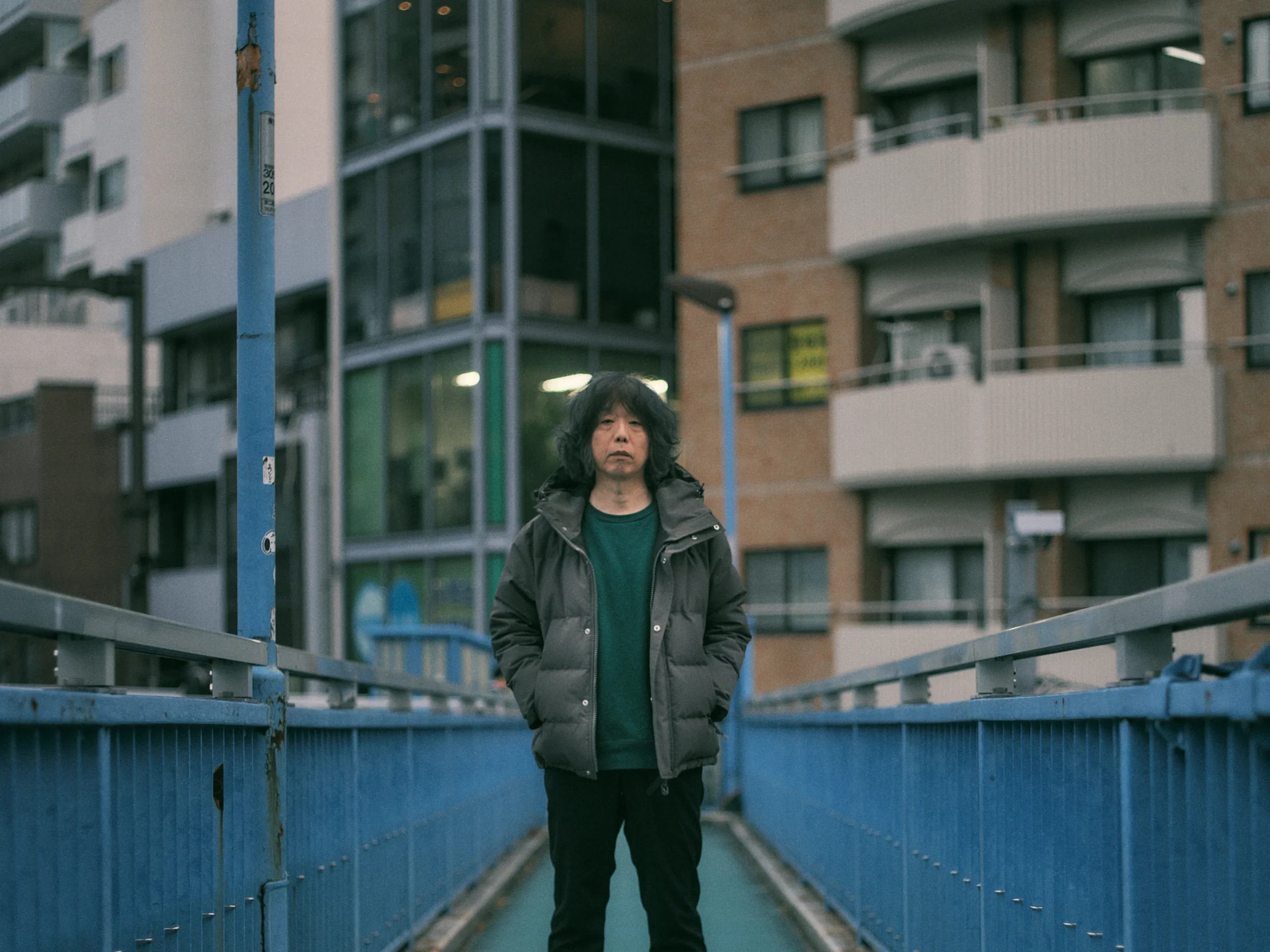
Some artists do not simply make work. They quietly become lenses through which we try to see the world anew.
People listen to music for all kinds of reasons, but Shintaro Sakamoto has long been the kind of musician who gathers a particular expectation. That somewhere in his songs, there might be a clue for how to live. As society grows more disoriented, I find myself returning to his music, listening not just for sound but for perspective, for how his gaze frames this unsettled world.
That is why ”Yoo-hoo,” his first new album in three and a half years, comes as such a surprise. The voice I once felt hovered slightly above reality now sings from within it. Rather than observing the world from a distance, Sakamoto steps into a place suspended in absurdity, speaking as someone caught inside it, unsure of the rules and unsure of the way forward.
“I do not know what standards to rely on anymore,” he says. “That feeling of not knowing what to do in times like these runs very deep.”
He offers this not as a declaration, but quietly and slowly. Coming from an artist of his stature, the weight of those words lingers. How does Shintaro Sakamoto see the world now. What follows is an interview by writer Ryohei Matsunaga, tracing that gaze as it moves through uncertainty.
INDEX
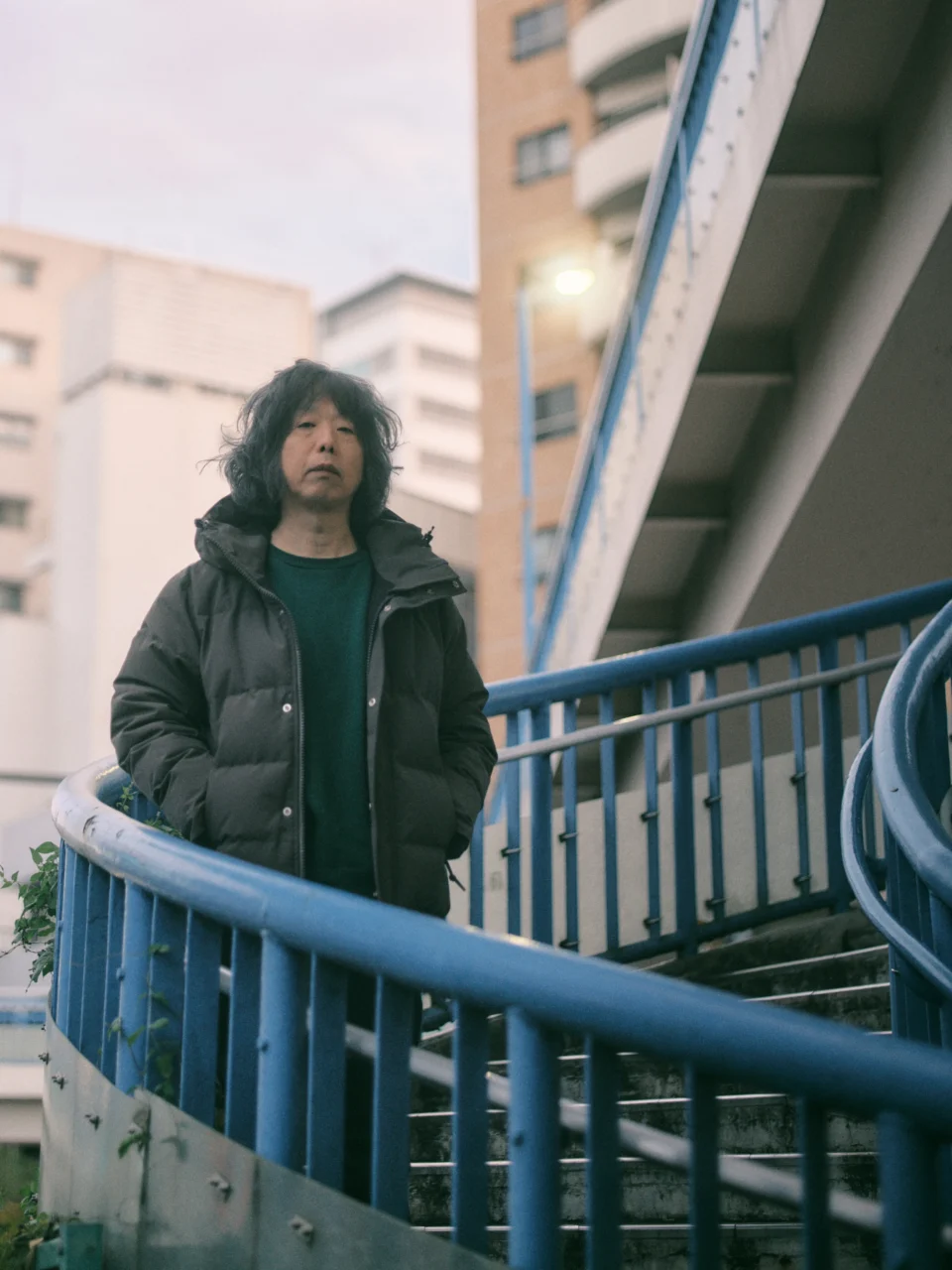
Following the band’s dissolution in 2010, Sakamoto quietly turned inward. In 2011, he began his solo career through his own label, ”zelone records,” carving out a body of work defined by a distinctive sense of distance, humor, and unease.
On January 23, 2026, he released ”Yoo-hoo,” his first new album in roughly three and a half years. Beyond his own recordings, Sakamoto’s creative reach extends across songwriting for other artists and visual work, moving fluidly between sound and image as part of a broader, ongoing practice.
A New Song That Stirred the Room, Yet Felt “Just Like Always” to the Artist
The first time songs from your new album ”Yoo-hoo” were performed live was at your LIQUIDROOM show last July, on July 16, 2025. You played ”Dear Grandpa,” ”Is There A Place For You There?”, and closed the night with ”Ghost Town” as the encore.
Sakamoto: Yes. Those were the new songs that were finished at the time.
It also felt quite unusual that you explicitly introduced them onstage as new songs.
Sakamoto: There had been more than half a year without any live shows leading up to the LIQUIDROOM gig in July 2025, and during that time I was planning to complete the album. But I could not quite finish some of the lyrics in time, so we decided to pause the recording for a while. That show fell right in the middle of that gap, and it just felt natural to try playing the new songs live then.
There was a subtle stir in the room. People did not shout or react out loud, but you could sense a shift in the air. Many seemed taken by surprise first by the easygoing tone of the lyrics in ”Dear Grandpa,” and then, even more so, by how immediately real the words of ”Is There A Place For You There?” felt when it followed. These are themes you have been singing about for a long time, but this time they seemed to register more directly, with some listeners taking them almost as a message.
Sakamoto: Do you think so? I have written lyrics about similar subjects before.
Listening back to those three songs from that night, and then hearing the completed album, I had the feeling that the weight of reality slowly and steadily comes toward the listener through your music. There are pop moments, of course, but overall they feel more restrained.
Sakamoto: Really? But the way I make music has not changed. I keep writing songs little by little, and when about ten of them feel good enough, I release an album. I am not working toward a clear image or concept for the album as a whole.
That said, the bar I set for myself keeps getting higher every year. Even when I finish a song that feels passable, I end up thinking I have already done this kind of thing many times before, or that it does not feel fresh at all, and it gets discarded pretty easily. These ten songs are the ones that managed to survive that process.
INDEX
No Room for Carefree Songs in the Mood of the Times
Which lyrics did you start with first?
Sakamoto: ”Dear Grandpa.”
Songs with that kind of light, rock and roll feel have appeared on your previous album too, but the lyrics this time felt quite striking.
Sakamoto: When I finished it, I honestly felt a bit embarrassed and wondered if it might be too much. But once you put something like that out there with a bit of courage, it starts to work on you later. I thought maybe being slightly embarrassing is actually the right place to be.
My age probably has something to do with it as well. There is a bit of self mockery in there. At the same time, I heard all kinds of interpretations. Some people thought it was about Taro Aso, a veteran Japanese politician known for his blunt remarks and long presence in power. Others took it as nothing more than a gentle, feel good song. It really made me realize how differently a song can sound depending on the listener’s state of mind.
Which song did you move on to next when writing the lyrics?
Sakamoto: ”Justice.”
That sense of suffocation you sing about in ”Justice” feels like something you have explored before, but here it comes across as more sharply focused.
Sakamoto: Does it? Maybe I have been getting simpler over time, to the point where it feels like I am just saying things directly now.
What about the title track, ”Yoo-hoo”?
Sakamoto: That one already had lyrics by early summer.
At first, I thought it might be a song about people who are no longer with us, like ”Star” from your previous album ”Like A Story” released in 2022. But it turned out to feel much more like a call directed at the present world.
Sakamoto: That might be true. ”Yoo-hoo,” like ”Dear Grandpa,” came together in a very offhand way, almost like something slipping out unintentionally. When there is already a melody, my personal rule is to try to keep whatever words come out naturally. Rather than choosing safe, inoffensive phrases, I feel it is better to go with the words that surface in the moment, even if they are a little embarrassing, and put them out there honestly.
Sakamoto: ”Yoo-hoo” looks like the English word “Yahoo!” when written out, but when I looked up the meaning, I learned it is actually a term used in mountaineering. It is something you call out to let people in the distance know where you are. I really liked that idea too. Visually, I also felt that having “Yoo-hoo” written on the album cover would work nicely.
It feels as though those words that slip out naturally are what give the song its resonance. There is also a sense that your music never feels out of step with the atmosphere or mood of the times.
Sakamoto: It is not that I am thinking in terms of marketing, like saying the world feels this way now so I should go in that direction. As I go about my daily life, I think about what kind of approach actually feels enjoyable for me, and a lot of ideas come up that feel slightly off or not quite right. What makes it through all of that and reaches my personal passing line is what becomes a song.
I do think the mood I am living in now affects how the music ends up sounding. Of course, there are people who probably feel very differently from me. In that sense, what I am really doing is just expressing how I personally experience things.
That is something you have been consistent about all along. You are not looking for people to fall in step with you.
Sakamoto: I think it really comes down to whether it feels at least tolerable for me to sing. In times like these, if I were singing something irresponsible or overly carefree, it would start to feel uncomfortable, even to me. If someone has the strength to push past that and keep singing relentlessly upbeat songs regardless, maybe that works for them. But for me, it just would not feel right.
INDEX
Maybe Everyone’s a Bit Mentally Worn Down
Which song did you feel really became the core of the album?
Sakamoto: Personally, I think ”Is There A Place For You There?” turned into something I had not really done before. It is a song I had been wanting to make for a long time, something built on a very familiar blues progression but that still feels strange, and this was the first time I felt I really got it right.
”Numb” also stands out to me. It feels like a song that would work well live, and that kind of track is actually difficult for me to write. In that sense, I was genuinely happy that it came together.
Which songs on the new album took the longest for the lyrics to come together?
Sakamoto: The ones that were left until the end were ”Numb,” ”Protect Your Brain,” ”The Clock Began To Move,” and ”Why Do This?”
Those are all key songs in the middle of the album. The stretch from ”On The Other Side Of Time” through ”Why Do This?” in particular feels almost painful to listen to. Lines like “the spell is starting to wear off” and “the clock began to move” in ”The Clock Began To Move” really make you stop and wonder what they mean.
Sakamoto: Yes.
The lines “my heart feels thin” and “my body feels slow” in ”Numb” also feel incredibly precise. They can sound like a kind of numbness brought on by the speed of social media or by living in a society shaped by AI, yet the song also says there is no going back. In ”Why Do This?” there is something like an affirmation of music, but it is framed in the past tense.
Sakamoto: Maybe it is because everyone’s hearts are a bit unwell. I think the way it comes across might have something to do with people feeling more sensitive right now. That probably includes me too. This time around, do you think I am really expressing that much anger in the lyrics?
I did not take the lyrics as a direct expression of anger. But compared to your earlier work, it feels like things that might once have been conveyed through different wording or imagery are now being stated more simply, almost as if you are no longer holding back in how you phrase them.
Sakamoto: I heard similar comments when ”Let’s Dance Raw” came out in 2014.
That is true, but this time it feels even more stripped down. And it also seems like the words take shape because they are rooted in what you yourself are feeling.
Sakamoto: I cannot really write about things I do not feel at all, so in that sense they do come from something inside me. At the same time, it is not as though everything in the songs is built solely from my own personal experiences.