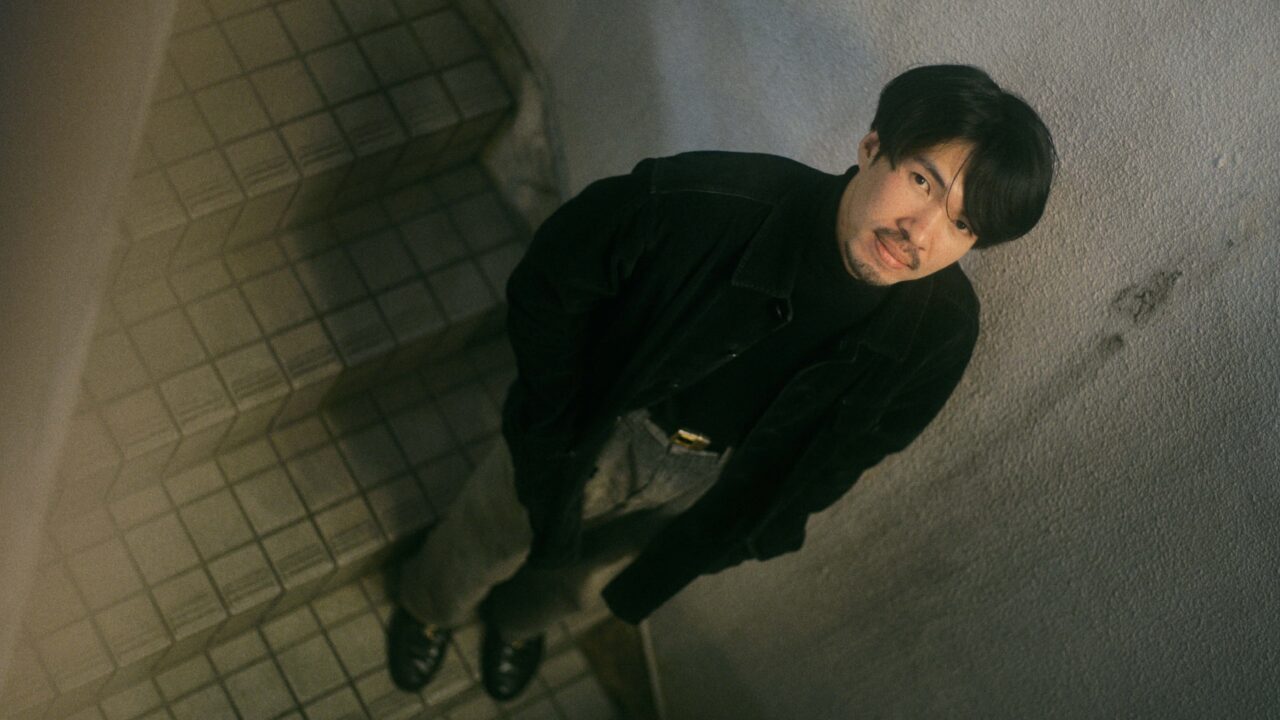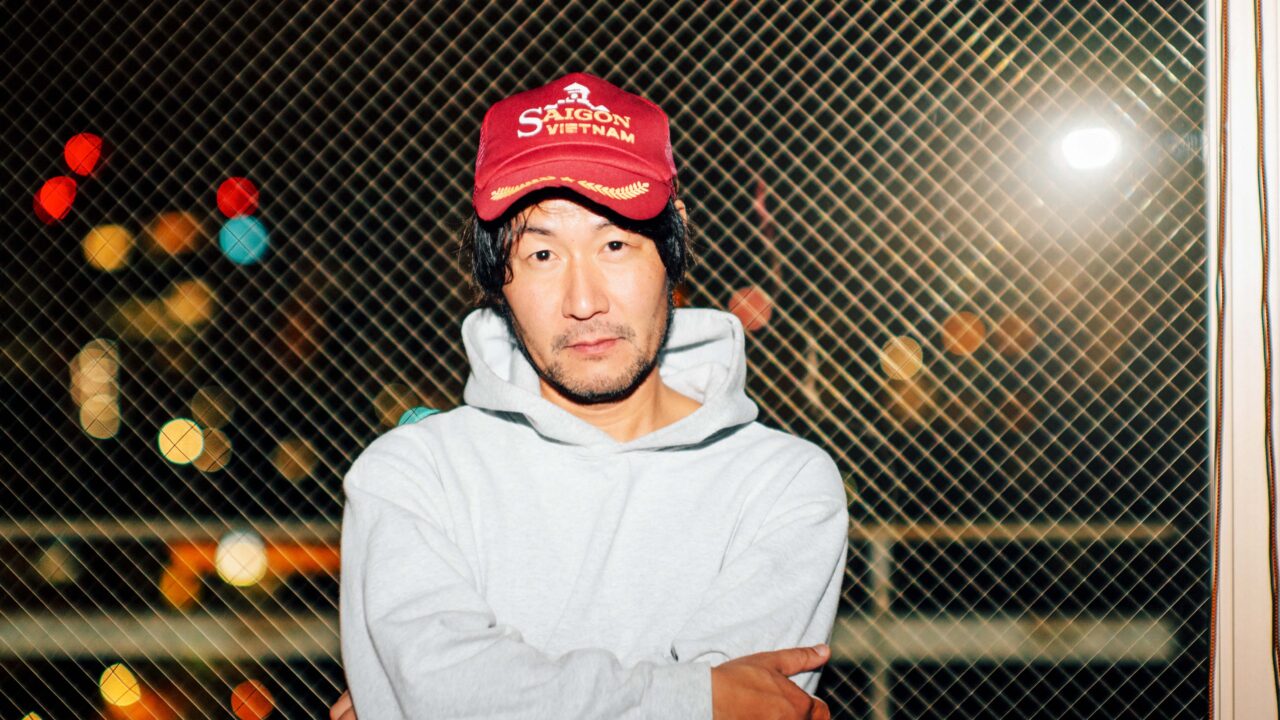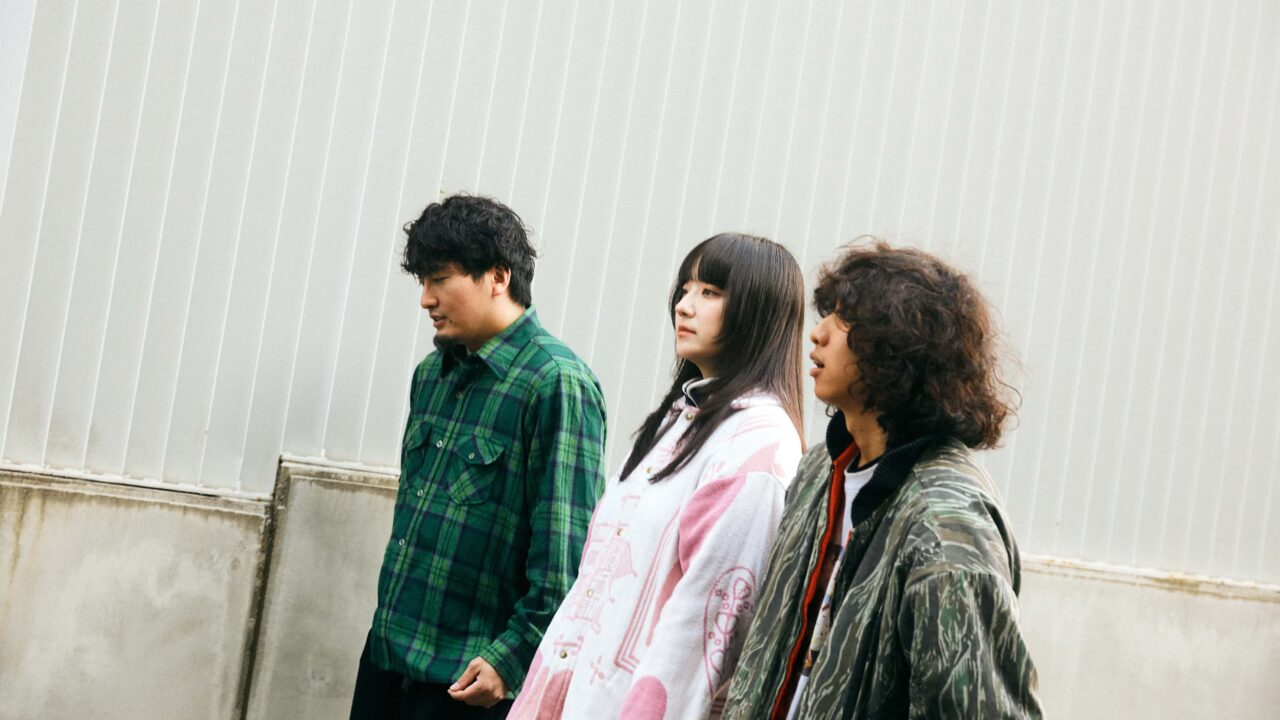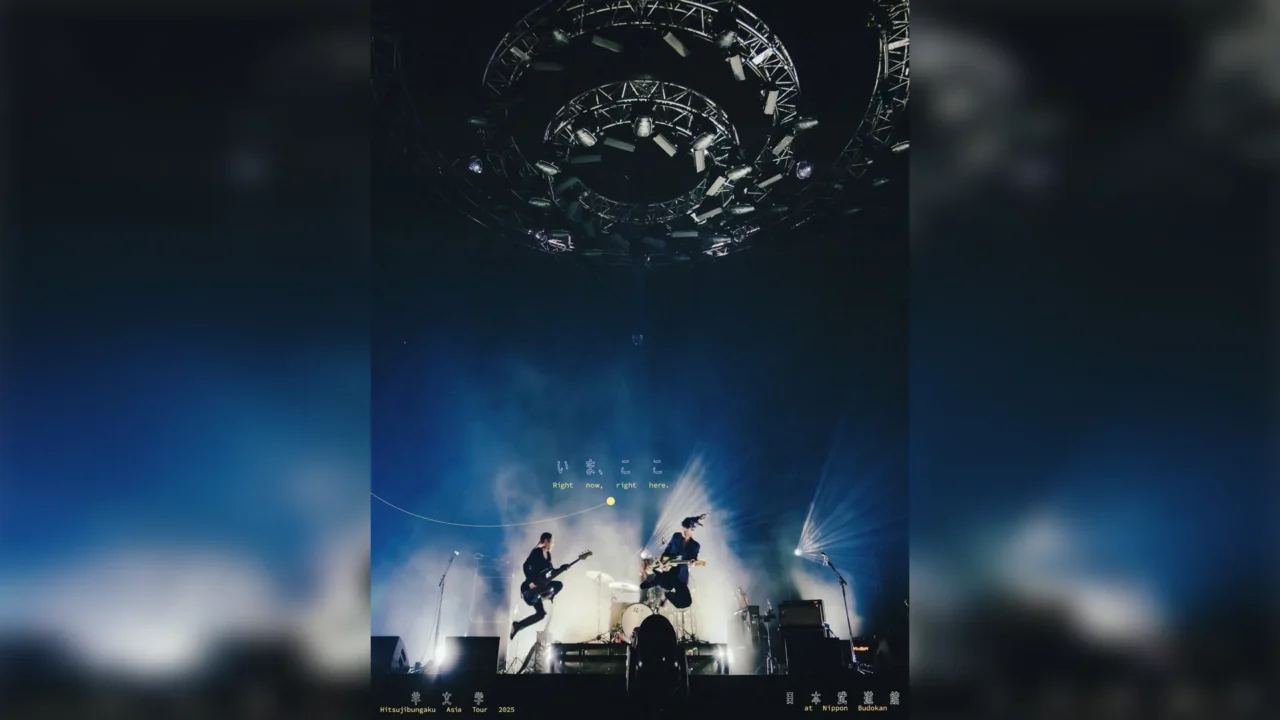
Some artists do not simply make work. They quietly become lenses through which we try to see the world anew.
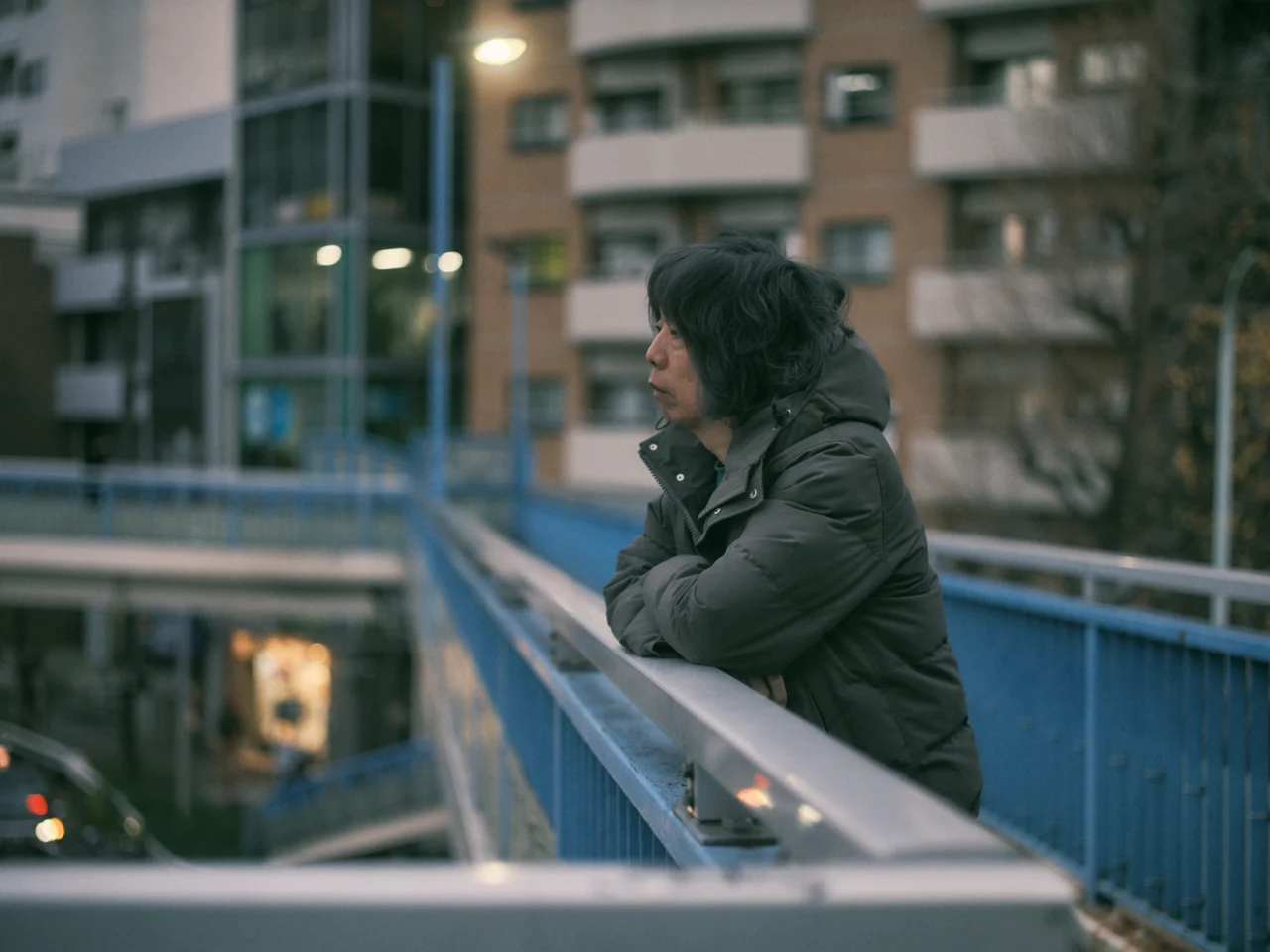
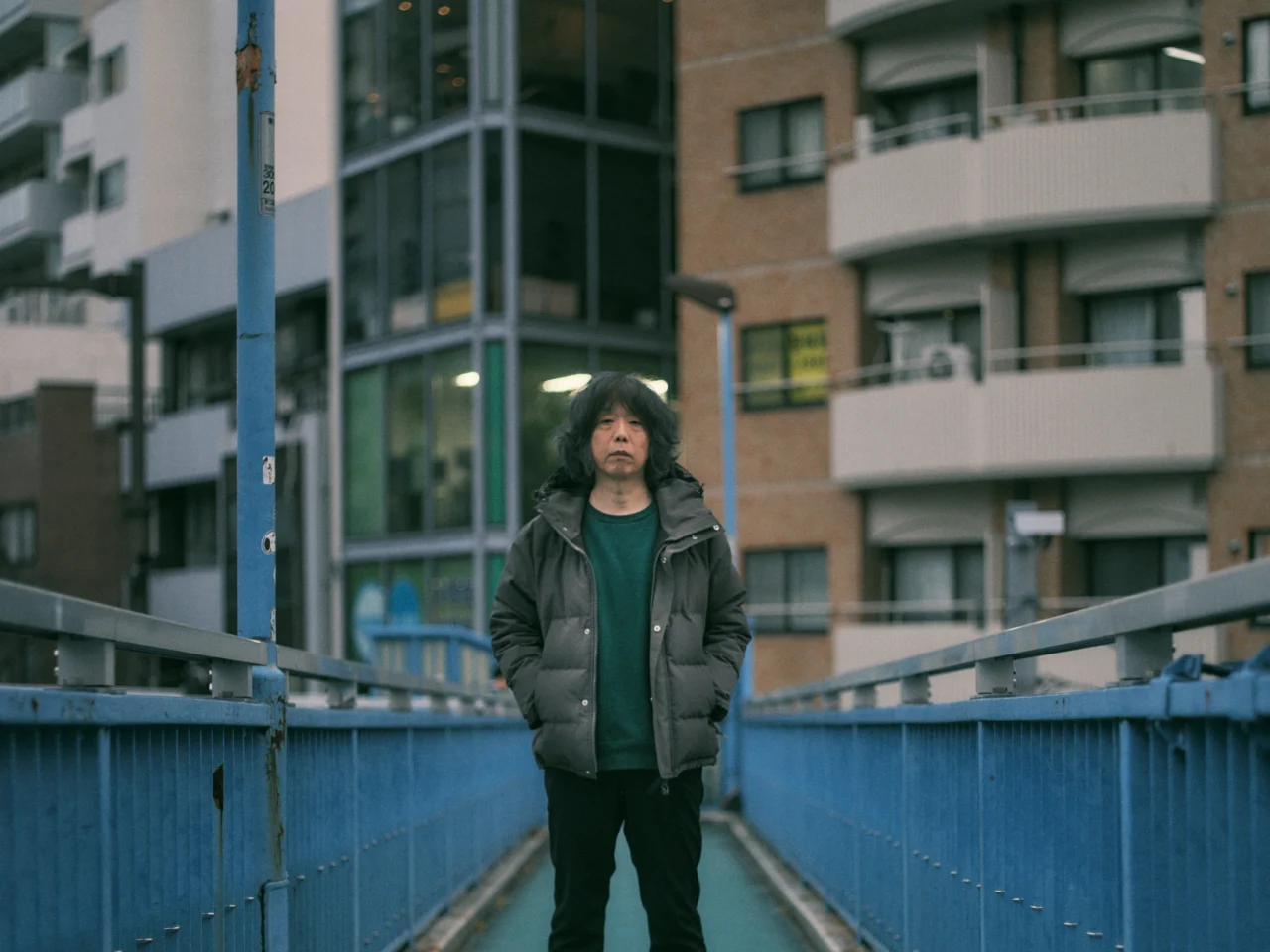
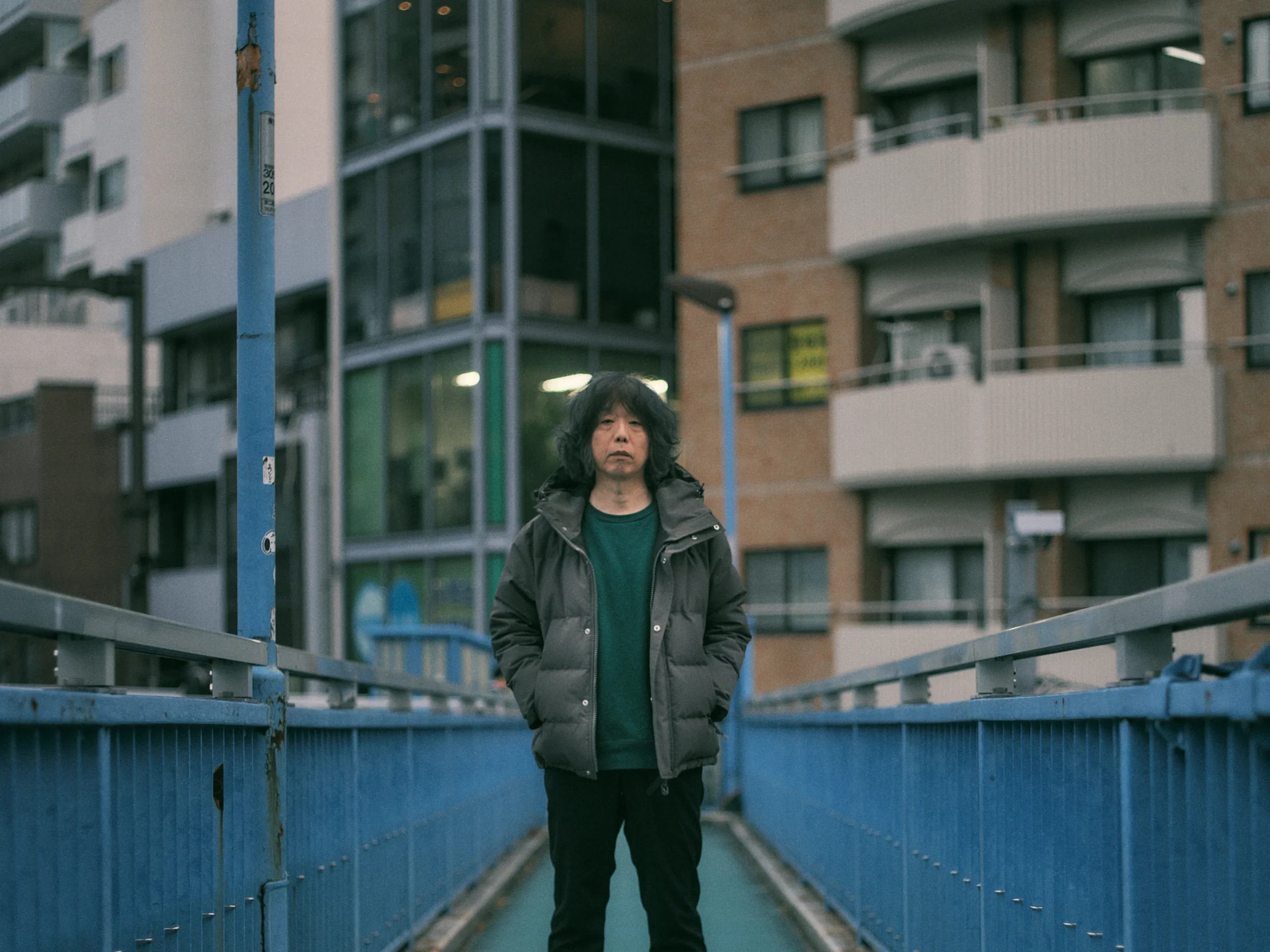
People listen to music for all kinds of reasons, but Shintaro Sakamoto has long been the kind of musician who gathers a particular expectation. That somewhere in his songs, there might be a clue for how to live. As society grows more disoriented, I find myself returning to his music, listening not just for sound but for perspective, for how his gaze frames this unsettled world.
That is why ”Yoo-hoo,” his first new album in three and a half years, comes as such a surprise. The voice I once felt hovered slightly above reality now sings from within it. Rather than observing the world from a distance, Sakamoto steps into a place suspended in absurdity, speaking as someone caught inside it, unsure of the rules and unsure of the way forward.
“I do not know what standards to rely on anymore,” he says. “That feeling of not knowing what to do in times like these runs very deep.”
He offers this not as a declaration, but quietly and slowly. Coming from an artist of his stature, the weight of those words lingers. How does Shintaro Sakamoto see the world now. What follows is an interview by writer Ryohei Matsunaga, tracing that gaze as it moves through uncertainty.
INDEX
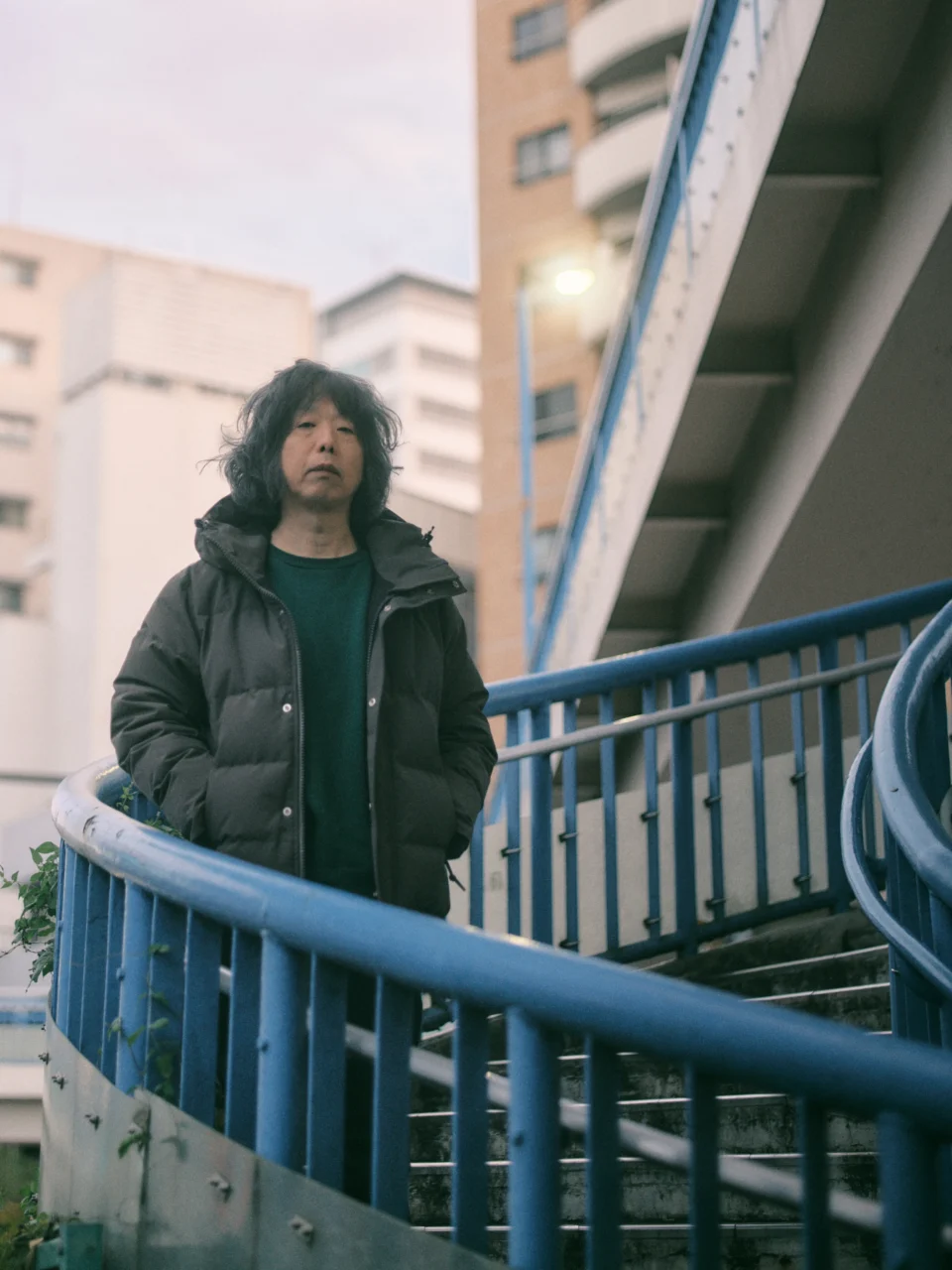
Following the band’s dissolution in 2010, Sakamoto quietly turned inward. In 2011, he began his solo career through his own label, ”zelone records,” carving out a body of work defined by a distinctive sense of distance, humor, and unease.
On January 23, 2026, he released ”Yoo-hoo,” his first new album in roughly three and a half years. Beyond his own recordings, Sakamoto’s creative reach extends across songwriting for other artists and visual work, moving fluidly between sound and image as part of a broader, ongoing practice.
A New Song That Stirred the Room, Yet Felt “Just Like Always” to the Artist
The first time songs from your new album ”Yoo-hoo” were performed live was at your LIQUIDROOM show last July, on July 16, 2025. You played ”Dear Grandpa,” ”Is There A Place For You There?”, and closed the night with ”Ghost Town” as the encore.
Sakamoto: Yes. Those were the new songs that were finished at the time.
It also felt quite unusual that you explicitly introduced them onstage as new songs.
Sakamoto: There had been more than half a year without any live shows leading up to the LIQUIDROOM gig in July 2025, and during that time I was planning to complete the album. But I could not quite finish some of the lyrics in time, so we decided to pause the recording for a while. That show fell right in the middle of that gap, and it just felt natural to try playing the new songs live then.
There was a subtle stir in the room. People did not shout or react out loud, but you could sense a shift in the air. Many seemed taken by surprise first by the easygoing tone of the lyrics in ”Dear Grandpa,” and then, even more so, by how immediately real the words of ”Is There A Place For You There?” felt when it followed. These are themes you have been singing about for a long time, but this time they seemed to register more directly, with some listeners taking them almost as a message.
Sakamoto: Do you think so? I have written lyrics about similar subjects before.
Listening back to those three songs from that night, and then hearing the completed album, I had the feeling that the weight of reality slowly and steadily comes toward the listener through your music. There are pop moments, of course, but overall they feel more restrained.
Sakamoto: Really? But the way I make music has not changed. I keep writing songs little by little, and when about ten of them feel good enough, I release an album. I am not working toward a clear image or concept for the album as a whole.
That said, the bar I set for myself keeps getting higher every year. Even when I finish a song that feels passable, I end up thinking I have already done this kind of thing many times before, or that it does not feel fresh at all, and it gets discarded pretty easily. These ten songs are the ones that managed to survive that process.