INDEX
Why Musical Knowledge and Skill Don’t Always Help
You play instruments and have a broad musical knowledge and skill set. On the other hand, many dance music creators can’t play instruments and don’t know much about music theory. How do you leverage your knowledge and skills when making house music?
Rasmus: First of all, I’d say that musical theory and instrumental skill don’t always work in your favor. Sometimes, they can even act as a kind of “shackle,” limiting creative freedom.
Producers who can’t play instruments often come up with new visions precisely because they aren’t bound by existing rules. It’s like how someone who is visually impaired develops a sharper sense of hearing. Many of the most innovative ideas in dance music have come from people who, lacking formal knowledge of theory, were simply driven by the desire to express themselves.
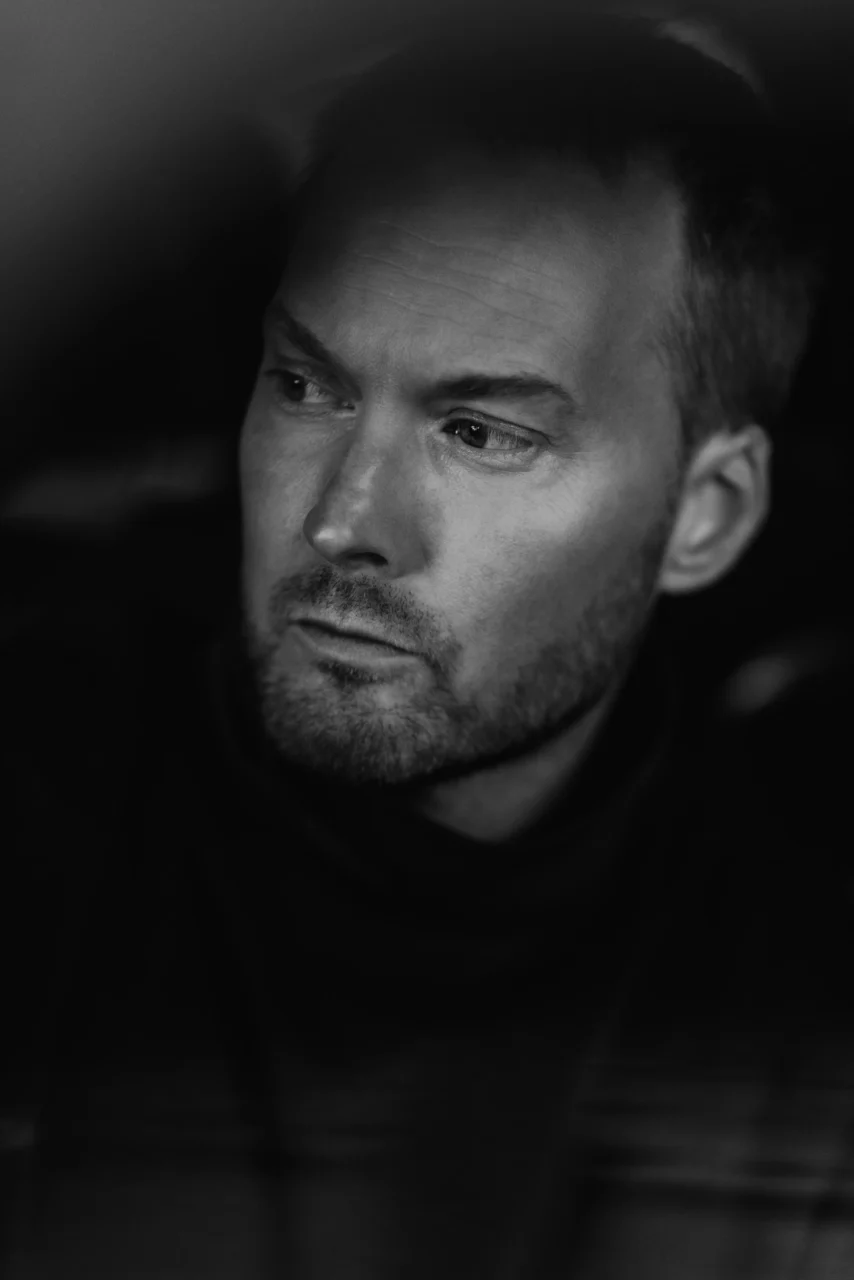
Rasmus: In my case, I can take techniques developed by others, like minimal loops, and use my own knowledge of music theory to expand on that style. It’s exactly the idea of “standing on the shoulders of giants”: building new creative discoveries on the foundation of insights already made by those who came before.
On the flip side, do you ever feel that your musical knowledge, theory, or technical skills get in the way when making dance tracks?
Rasmus: Oh, absolutely. The main purpose of dance music is, of course, to make people move, but my priorities naturally lean toward musical expression.
As a result, I sometimes create tracks that are “too musical,” and it’s not uncommon for other DJs to tell me, “Hey, there’s a bit too much going on here” (laughs). Balancing the track’s purpose with its expressive qualities has always been a challenge.
So for DJs, a dance track functions as a tool to get the crowd moving, but you tend to overcraft it as a “piece of music” in its own right.
Rasmus: Exactly. Especially when I started making house tracks around 2002, I hadn’t DJed yet, so I didn’t even understand why intros and outros needed to be long. It wasn’t until I began DJing around 2004 that I truly felt, firsthand, why an intro needs to last as long as it does.
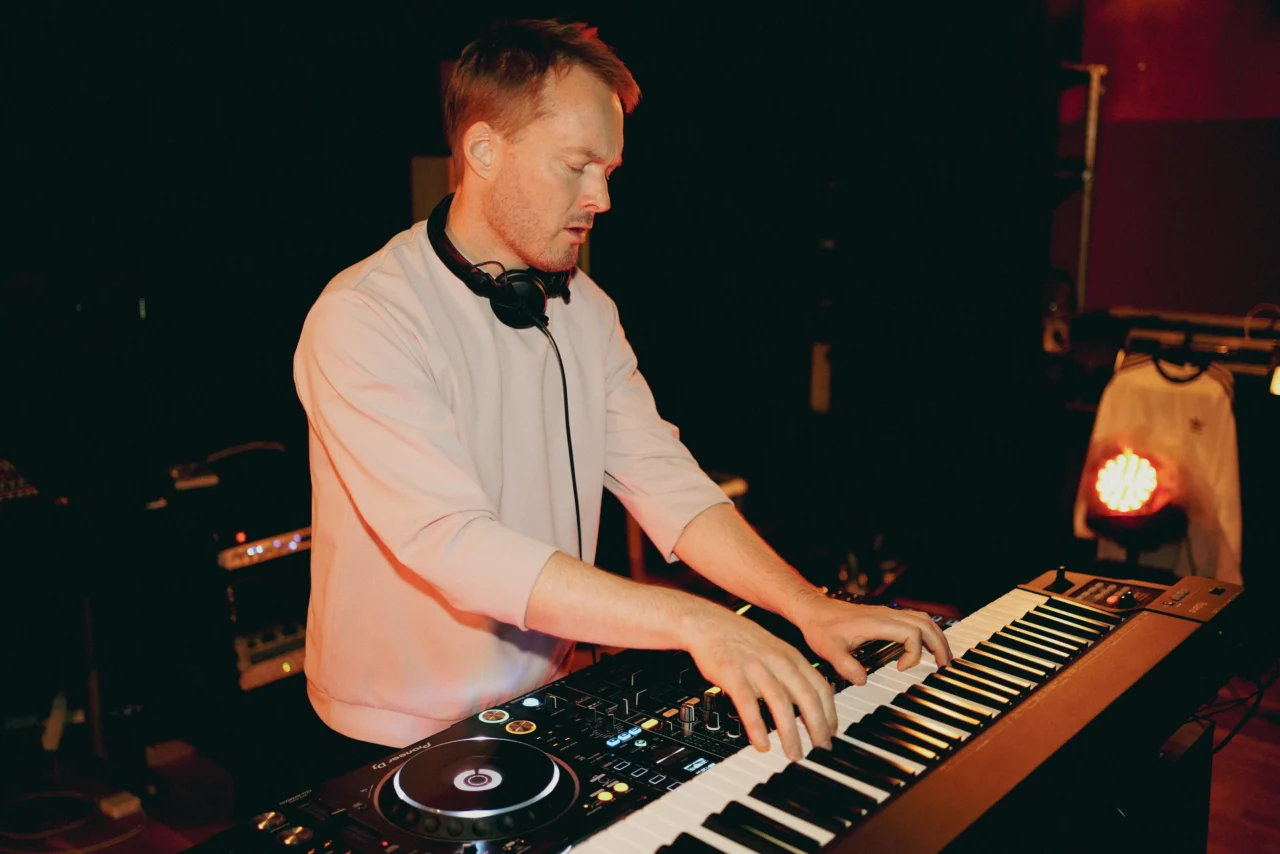
I see. Listening to your recent tracks, they feel, in a good way, very much like your early work — pop, elegant, melodic, and refined. Is that a conscious choice, or does it simply reflect your fundamental musical taste?
Rasmus: I think it’s largely just my taste coming through naturally. I’ve explored many styles over the years, but lately I’ve been trying not to overthink things, just to take whatever comes to mind and turn it into music as honestly as I can.
Rasmus: Fortunately, in recent years, there seems to be a new wave of house music that emphasizes melody and songwriting. I felt that this shift created a scene that would once again welcome the kind of sound I love.