INDEX
Admiration for Music of the Everyday
Even so, it’s clear that premodern layers continued to flow beneath popular culture. For example, in Japanese films up until around the 1950s, ordinary people are often shown singing traditional long songs or reciting poetry. Doesn’t this suggest that it all depends on where you focus and how you choose to view your own culture? I feel that Yanagi Sōetsu’s concept of “mingei” also emerged from this kind of perspective.
Okada: I see the title of konoma as evoking a viewpoint between trees, a perspective that comes from observing through gaps. More broadly, I think that having an external viewpoint like the Afro-mingei concept presented by non-Japanese artist Theaster Gates makes us, as Japanese, notice things we might otherwise overlook.
Listening to you, I’m reminded of what Natsume Sōseki said over a hundred years ago in his lecture Modern Japan’s Civilization: “Japan’s modernization is externally driven.” Perhaps this way of thinking, responding to foreign influences, is itself a very Japanese approach.
Okada: I agree. At some point, I think we’ve learned to objectify ourselves in that way. But this isn’t only since the Meiji era. Much of Japanese culture since the Jōmon period could be described as externally influenced. The Japanese have always had a strong ability to take what comes from outside and transform it internally into something new.
At the same time, what makes this album truly remarkable is that it seems to go beyond that kind of critical framing. It carries something that transcends the individual creative ego, something that aligns with Yanagi’s idea of “mingei,” an admiration for the beauty only nameless creators can achieve.
Okada: Ever since I started collecting records, I’ve been drawn to huge names like The Beatles or The Beach Boys, but I’ve also sought out albums by unknown folk singers who could have been like Bob Dylan but were not. Back then, producing a self-released record was far more difficult than it is today. People invested enormous effort to make a record, shared it with those close to them, and somehow, through all kinds of channels, it ended up in a Japanese record store. There is something romantic in that.
Some records feature deeply personal songs, others include family histories on the back cover. Some follow trends, while others have no information at all and it is impossible to know who made them. I feel that these records, while fictional in some ways, are never dishonest. What draws me to music is the honesty with which people confront their interests and the things they care about at that particular moment.

Photo credit:CONNECTION
Takuro Okada – konoma
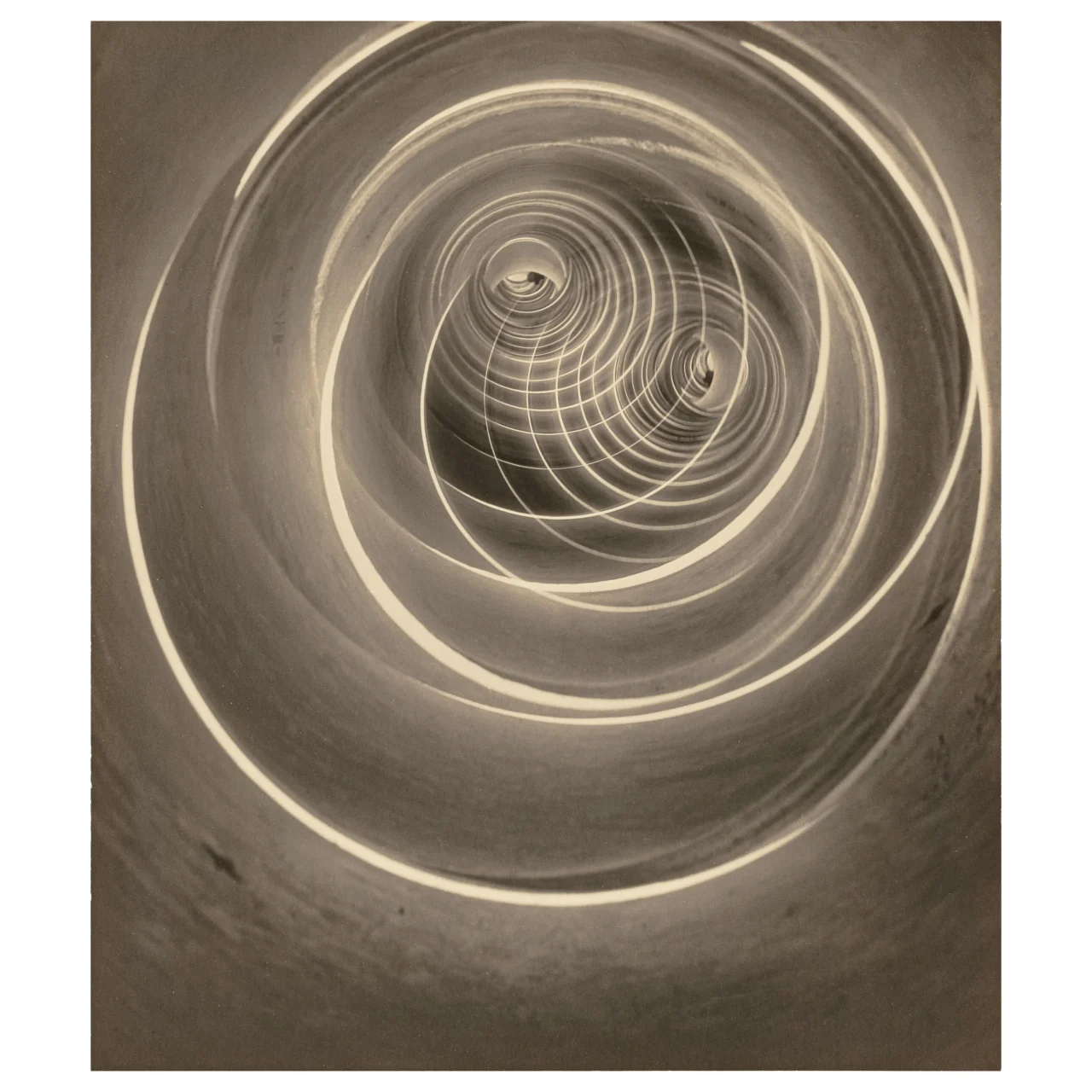
Takuro Okada – konoma
Available now (LP / Digital)
DRFT21 / ISCHF-006
Temporal Drift / ISC Hi-Fi Selects
Tracklist
1. Mahidere Birhan
2. Sunrise
3. Nefertite
4. Galaxy
5. November Owens Valley
6. Portrait of Yanagi
7. Love
8. Acute Angle Black Button