Japanese musicians are increasingly finding audiences around the world. Yet the path taken by Ichika Nito stands apart.
In 2016, while still a university student, he began posting short guitar performance videos on Instagram. Built around a distinctive tapping technique, those clips quickly began circulating overseas, turning social media into an unlikely launchpad for a global career. When he opened his YouTube channel in 2018, the momentum only grew. Today it has around 2.8 million subscribers, the overwhelming majority outside Japan. In 2021, he became the first Japanese artist to release a signature model with the renowned guitar brand Ibanez. And since the pandemic eased in 2023, he has taken his music around the world, captivating audiences with nothing more than a single guitar.
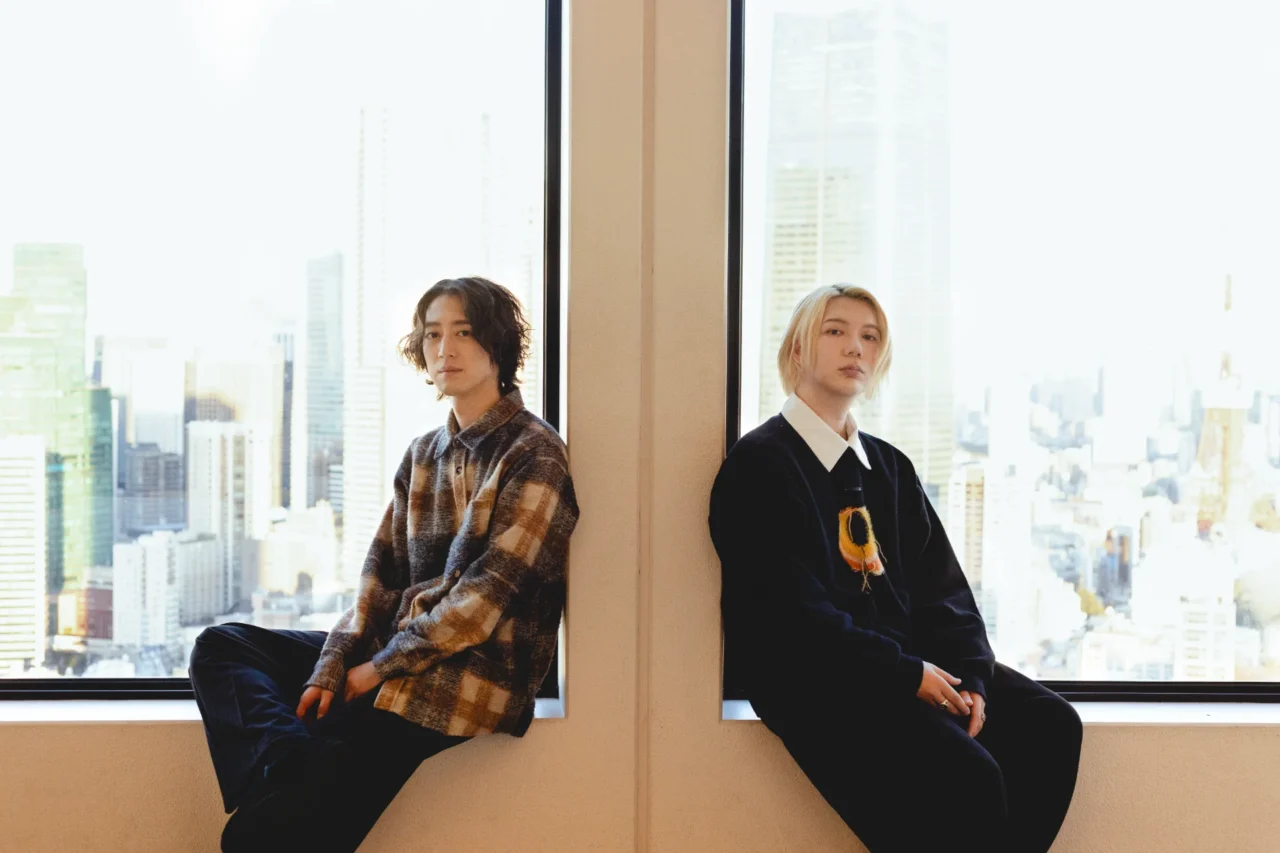
Now, with the release of his debut album The Moon’s Elbow this January, Ichika Nito sits down for a conversation with pianist Hayato Sumino. Guitar and piano may belong to different musical traditions, but the two share striking parallels. They are from the same generation, both committed to performing as soloists, both first discovered by global audiences through YouTube, and both now regularly performing abroad.
What does it mean to stand alone on stage, carrying both the freedom and the weight of being a soloist? And how do you find your own sound without being confined by the conventions of instrument or genre? In this conversation, the two reflect on the joys and struggles of their paths, and the futures they are beginning to imagine.
INDEX
A Shared Foundation in the Piano
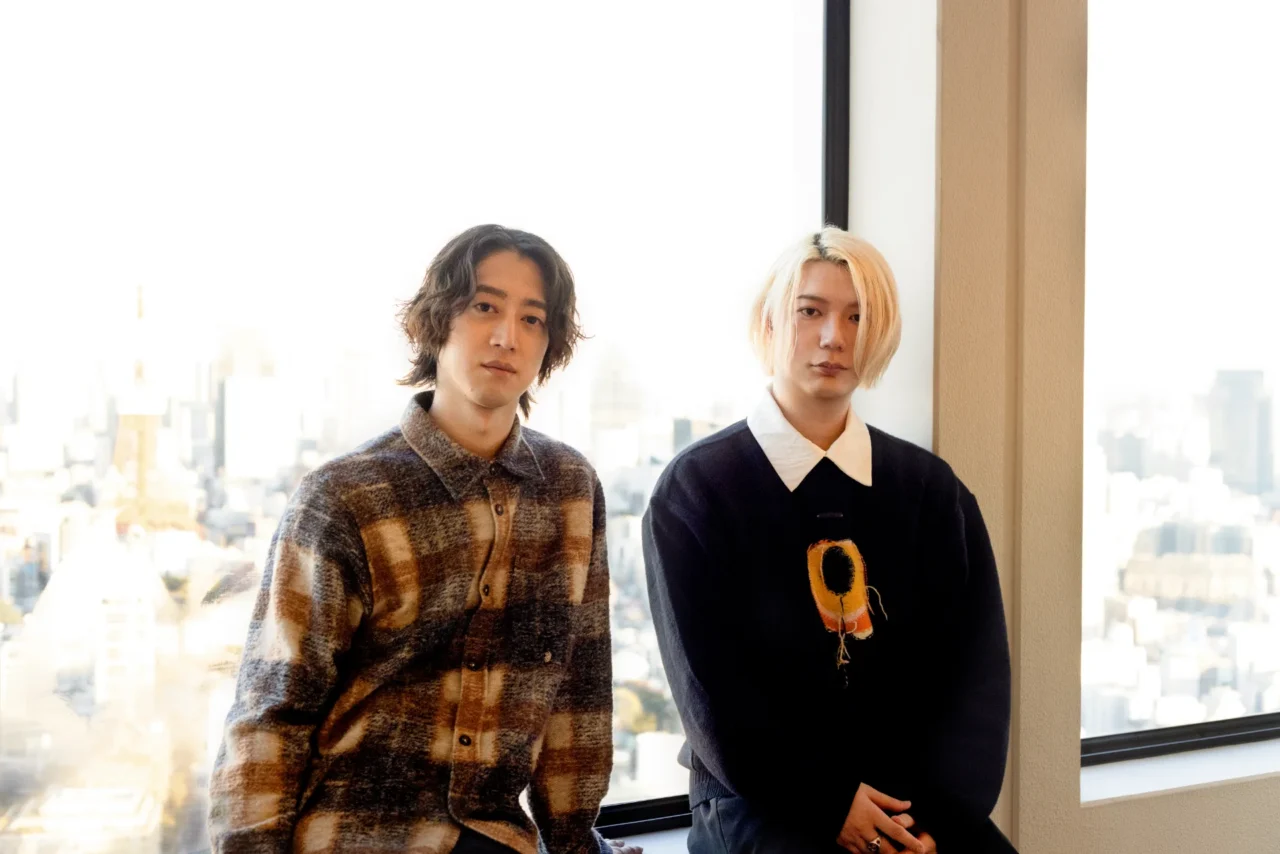
I heard the two of you first met during the pandemic through a mutual acquaintance, the photographer Ogata. What were your impressions of each other at the time?
Ichika: Even before we met, I had seen Cateen’s videos on YouTube — that’s Hayato’s name on the platform — and thought, “There’s a really interesting pianist out there.” He seemed around my age too, so I kind of hoped we might become friends someday. I already had a good impression of him, so when we actually got to meet, I was really happy.
Sumino: Same here. I had been watching Ichika’s videos too, and I remember thinking I’d like to meet him someday. I had this feeling that we’d probably run into each other somewhere eventually, so I was kind of looking forward to that.
Ichika: I also remember thinking he was really interesting once we started talking. It felt like we shared a similar sensibility, or a similar way of thinking about music. I’ve met a lot of musicians over time, and often our perspectives are quite different. But with Hayato, I felt like we could get into deeper conversations right away. That’s something I remember feeling even back then.
Ichika, the first instrument you played wasn’t guitar but piano, and you’ve mentioned artists like Bill Evans and Ryuichi Sakamoto as musicians you listened to growing up.
Ichika: I said I already had a good impression of him before we met, but honestly I’ve always had a huge admiration for pianists. If anything, I’ve always felt this kind of “main character energy” from pianists even more than from guitarists. So when I watched Hayato’s videos, my reaction was basically, “Whoa, that’s so cool!”
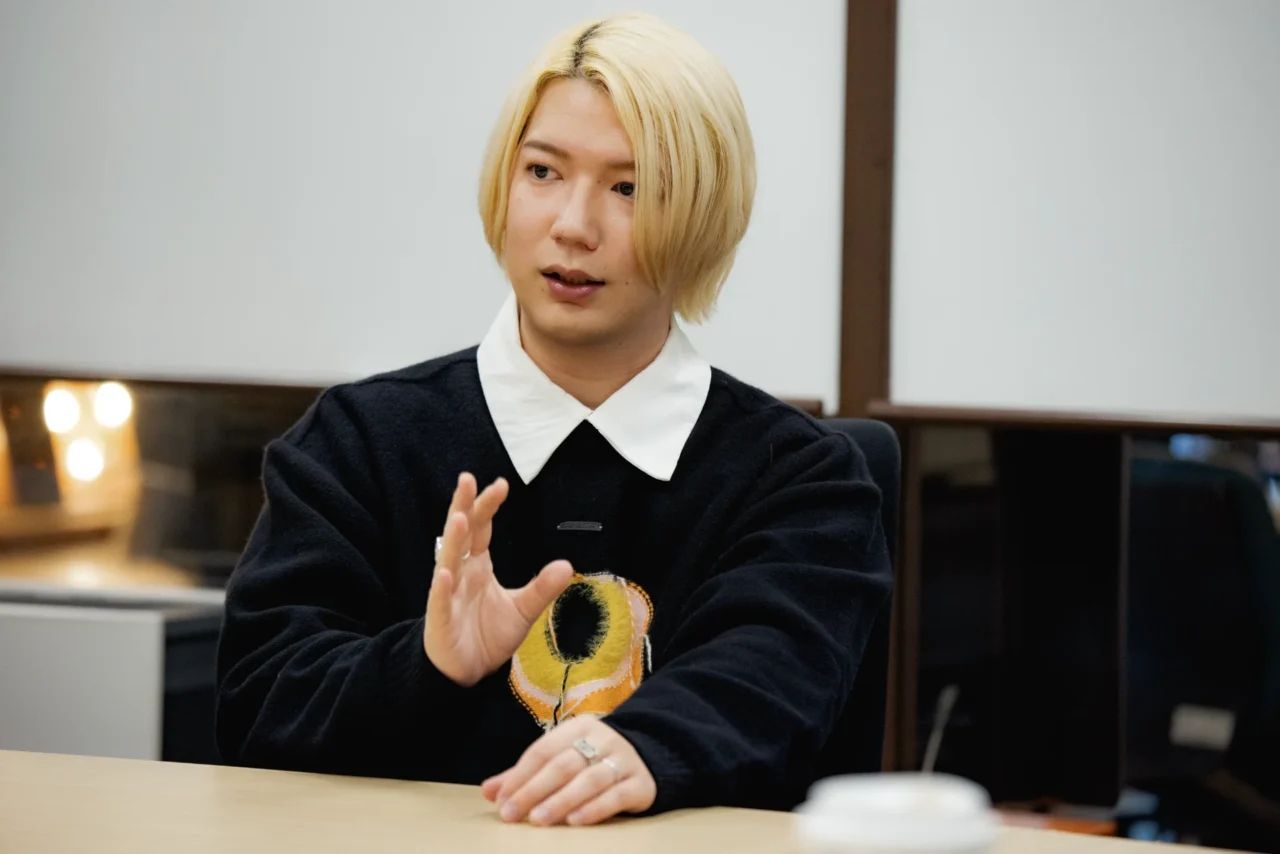
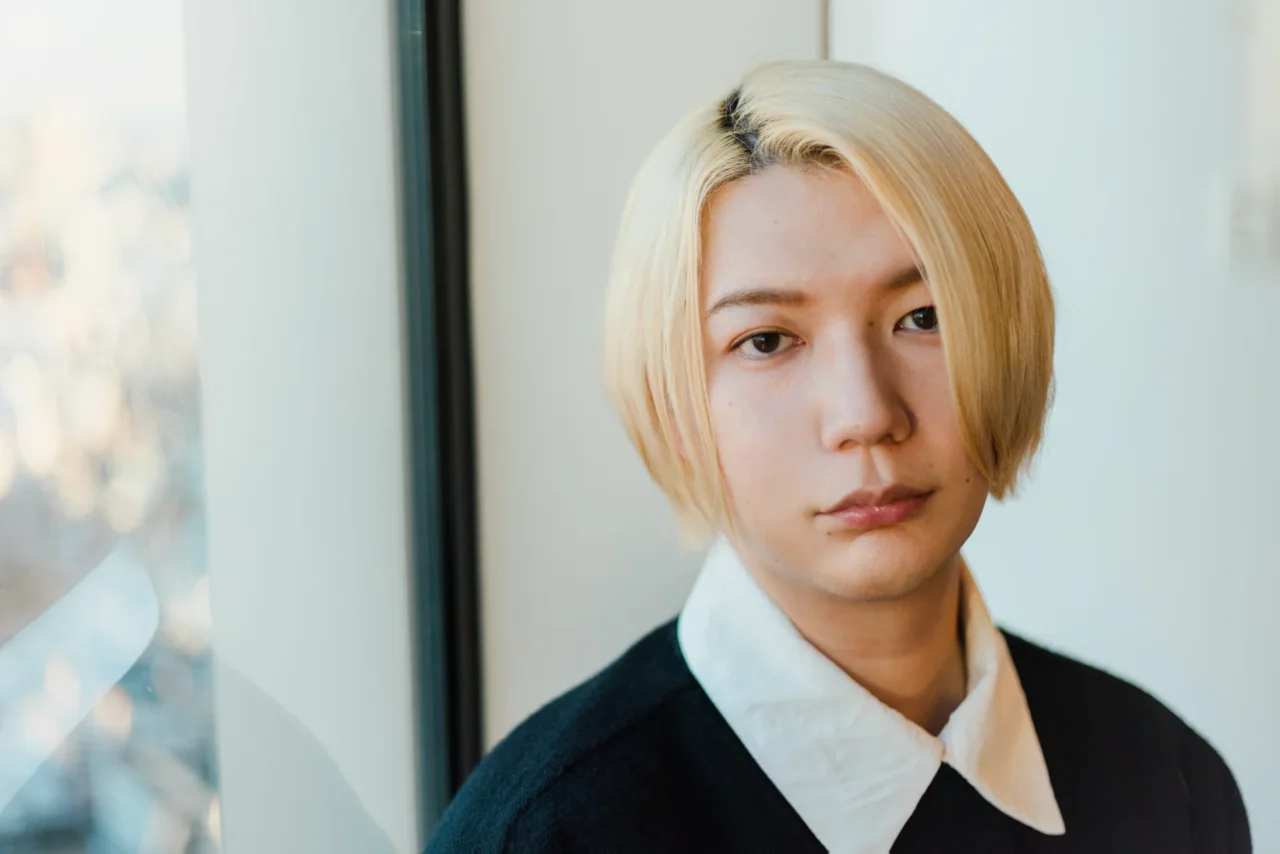
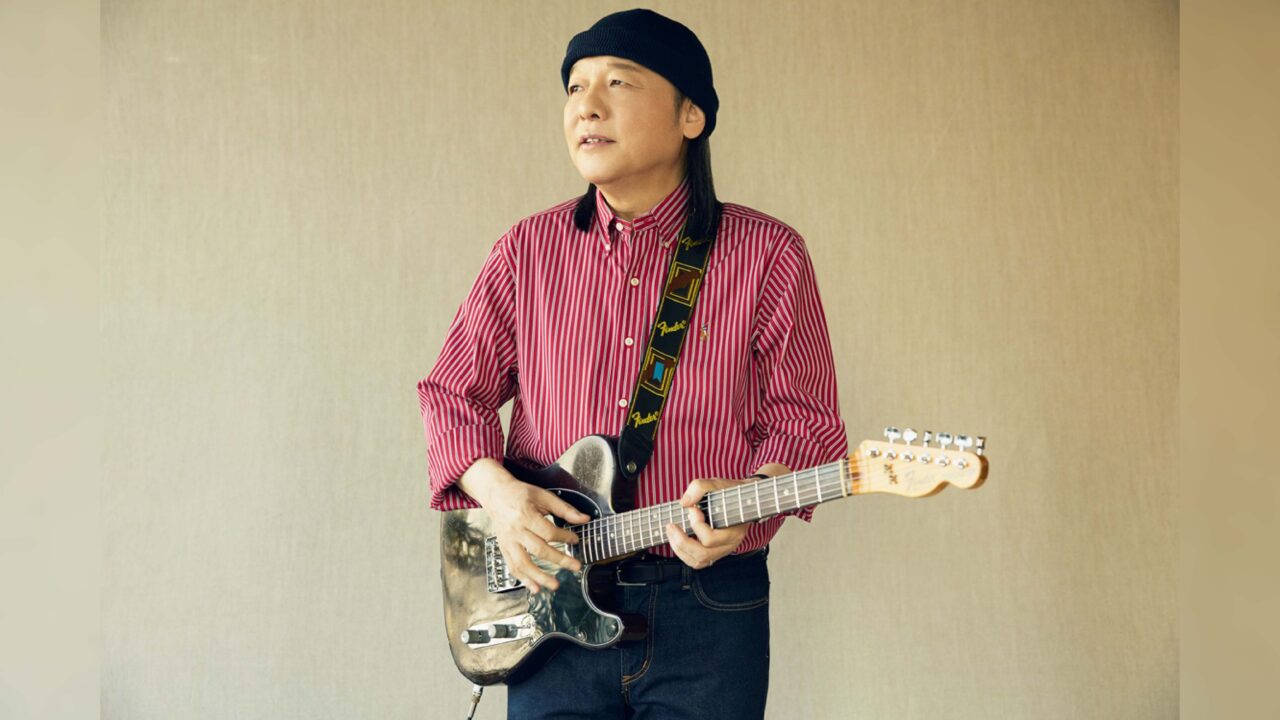
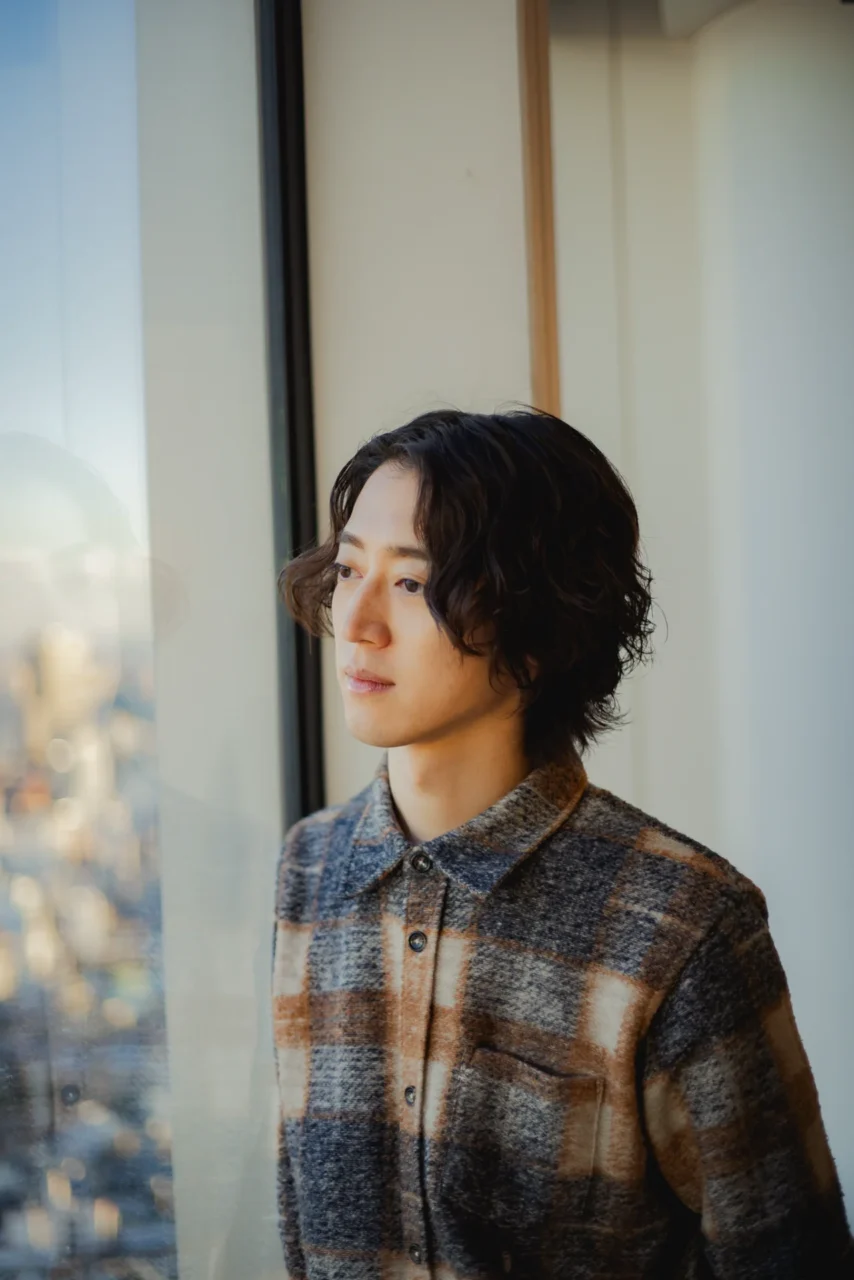
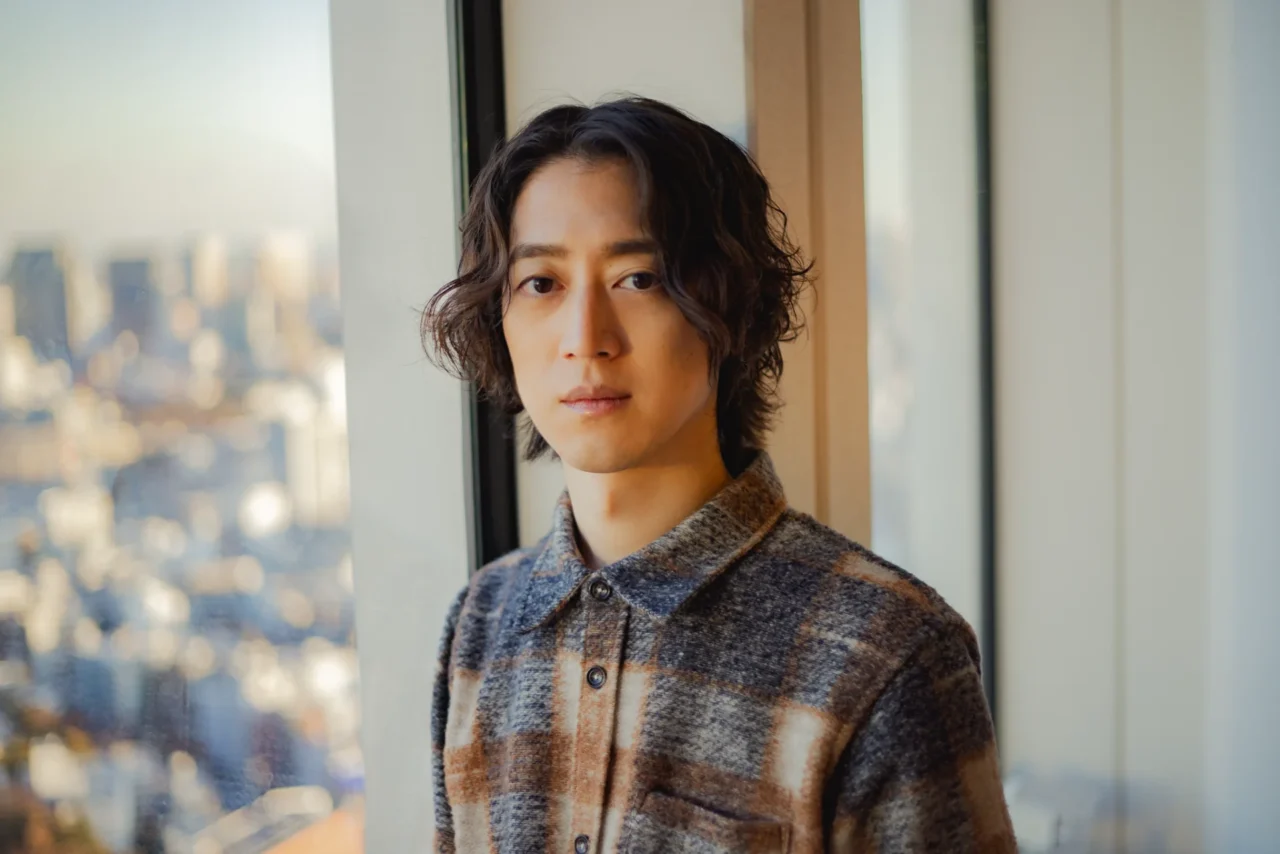
Born in Osaka in 1994, Ichika Nito began posting guitar performance videos while still in university, launching his career as his distinctive two-handed playing technique quickly gained attention overseas. He now has more than five million followers across social media, with roughly 70% of his audience based outside Japan. In 2021, he released the ICHI10, the first signature model by a Japanese artist with the guitar brand Ibanez. In 2022, he contributed to an album by Machine Gun Kelly, which was nominated for a Grammy Award. In Japan, he is also active as a member of ichikoro and Dios. In January 2026, he released his long-awaited first solo full-length album, The Moon’s Elbow.
Sumino: I usually find myself admiring pianists, but when it came to Ichika’s videos… it’s kind of strange, but I don’t think I was watching them with the mindset of “this is a guitarist.” I was simply drawn to how good the sound felt.
And the style of the videos, too. I felt there was something similar about them, almost like the idea that “the performance is everything.” No captions, no flashy thumbnails — just presenting the music as it is. I really liked that about them as well.
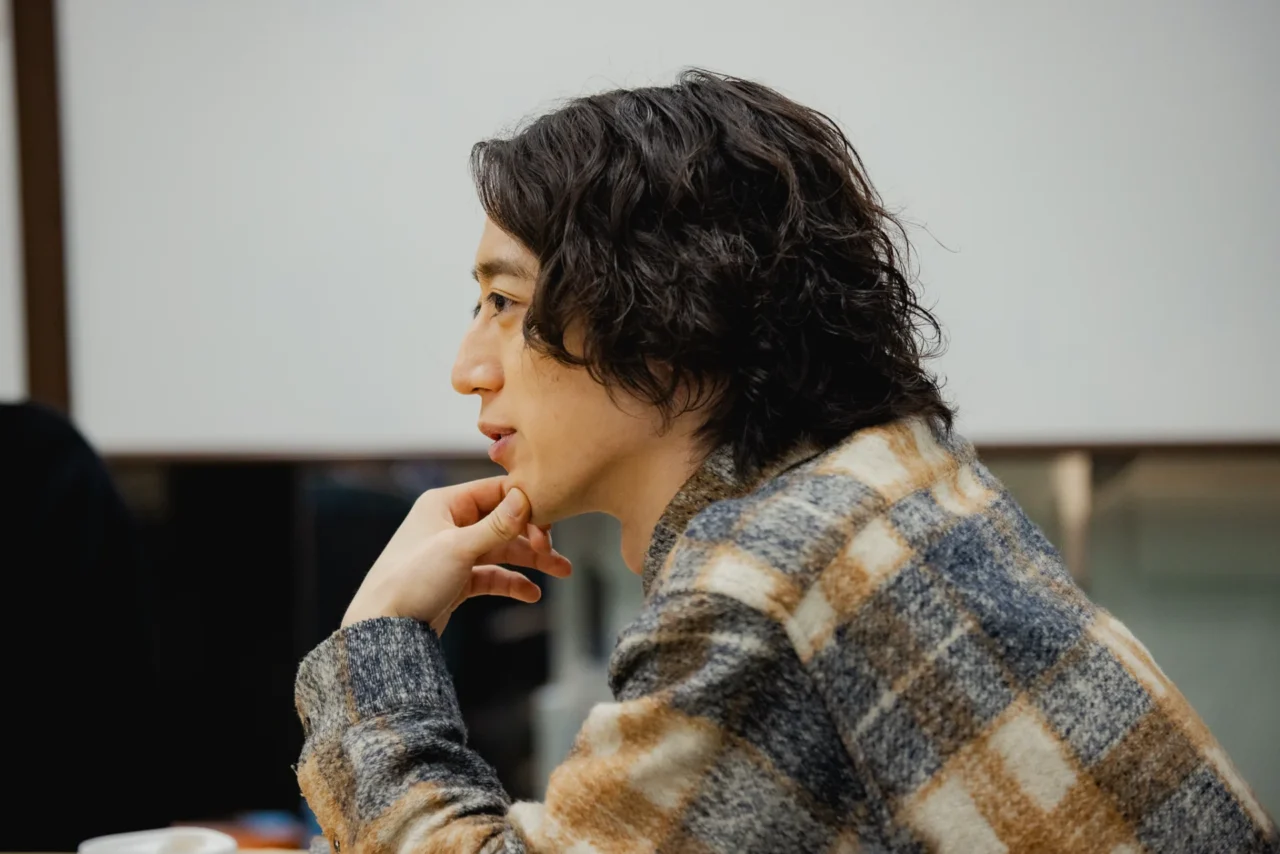
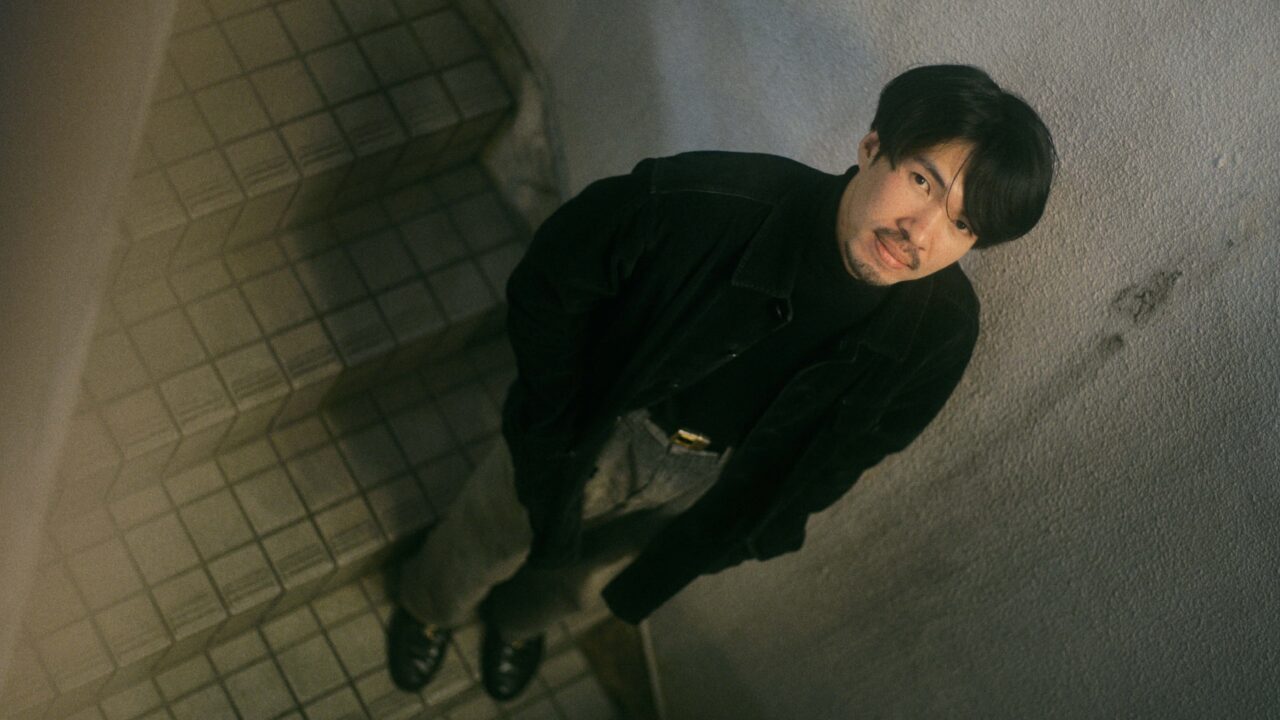
Born in Chiba in 1995, Hayato Sumino began his professional music career in earnest after winning the Grand Prix in the Special Grade of the PTNA Piano Competition in 2018 while still a graduate student at the University of Tokyo. In 2021, he was selected as a semifinalist at the International Chopin Piano Competition. He is also active on YouTube under the name Cateen, where his channel has surpassed 1.5 million subscribers. In 2024, he released his global debut album Human Universe on Sony Classical and successfully held a solo concert at Nippon Budokan. His latest album, CHOPIN ORBIT, was released in January 2026. Now based in New York, he continues to perform widely in Japan and abroad.
Ichika, did you listen to a lot of classical music as well?
Ichika: Not really. The only exposure I had was playing famous pieces when practicing piano as a kid. When did you start playing piano?
Sumino: Pretty much from the moment I was born. But when I was little, I didn’t know about Ryuichi Sakamoto or Bill Evans at all. When you’re that young, before starting school, the only music you really know is children’s songs or classical.
Ichika: My grandmother was a piano teacher, so she taught me a lot. My dad also loved music — his main thing was hard rock and heavy metal — but he was really into film scores too, and that’s how I remember discovering Ryuichi Sakamoto. Oh, and I just remembered something — I’ve always loved this guitarist named Russell Malone.
The well-known jazz guitarist.
Ichika: Yeah. This was before I had even started playing guitar, but I was actually copying Russell Malone’s playing on the piano. I was trying to recreate those cascading jazz guitar arpeggios on the piano. I remember doing that when I was around five or six. So in that sense, the piano really is a big part of my roots.
INDEX
Balancing Life as a Researcher and a Musician
Both of you spent part of your student years pursuing research before eventually focusing fully on music. Could you talk about the kind of research you were doing at the time?
Sumino: When I was in university, I was researching something called source separation. It’s similar to how Siri works — extracting important information from noisy audio, or isolating the sound of a specific instrument within a performance. My research focused on improving the accuracy of that process using machine learning techniques, which were just starting to gain momentum at the time.
In graduate school, I worked on automatic transcription and automated arrangement based on it at IRCAM, the French Institute for Research and Coordination in Acoustics/Music. Since I often play different kinds of music on the piano by ear, the question I was exploring was whether a machine could do something similar. It was a line of research that felt very close to my own musical interests.
Ichika: I was researching ways to use viruses to kill cancer cells. It’s part of cancer treatment research. There’s a type of DNA structure called a plasmid, and the idea was to cut out a portion of it and insert a new DNA segment, essentially creating a virus that could shrink cancer cells. Then we’d culture it, modify the genes, and run experiments to see whether it actually had the intended effect. I basically spent a long time doing that kind of work over and over. So for me, it had nothing to do with music at all [laughs].
But looking at what both of you have gone on to do as musicians, I feel there’s something very researcher-like in your approach. Maybe that background is part of why you connected so quickly.
Ichika: That’s true — there might be a logical side to how I approach music. At the same time, there’s also a philosophical aspect that’s really important, so maybe it’s not entirely scientific. But in my case, I tend to imagine something first and then genuinely want to make it real. To get there, I think through the logic very carefully, gather data, and experiment. In that sense, it does feel a bit like running experiments.

Sumino: When I shifted from being a researcher to becoming a musician, I think the mindset I developed during my research years had a huge impact on me. At the same time, there were parts of it I consciously tried to move away from, so it’s really a mix of both.
One side is that experimental spirit — wanting to try things out, take in different influences, and build one more step on top of what people before us have already achieved.
The other side has more to do with being a musician, or an artist. It’s about expressing something that comes from an inner urge — something you genuinely feel compelled to put into the world. As a researcher, objectivity is everything, no matter how far you go. So the challenge for me was learning how to think more subjectively. In the few years after graduating, I think my awareness around that shifted quite a lot.
Ichika: What would you say the balance is like now?
Sumino: I think fifty-fifty is ideal. My ideal state is having two constantly competing sides of myself, each perpetually critiquing the other.
Ichika: Ideally, it’s fifty-fifty. In my mind, there are always two versions of myself in tension — constantly questioning and critiquing each other. That kind of balance is probably the ideal state for me.
Ichika: I feel exactly the same way. When you’re trying to turn your ideals into reality, you have to look at things very objectively, and there are times when it’s honestly not that fun. It can get pretty stressful. But at the same time, it’s really important that the music remains a form of self-expression — something you truly want to make and genuinely enjoy. So figuring out how to keep those two sides in balance is something I think about all the time.
INDEX
The Pursuit of Sound and Responsibility as Soloists
Even though your instruments are different — guitar and piano — it seems like you both share a strong commitment to being “soloists.”
Ichika: There’s a part of me that can only really feel satisfaction from music where I take full responsibility for everything from start to finish. Of course, there’s joy in playing in a band or creating something with other people, too, but that kind of beauty often comes from chance. What I’m talking about is different — writing the blueprint myself, building it piece by piece, and achieving the result I envisioned. If that’s the goal, then expressing music alone is the best way to do it.
Sumino: I think there are many different types of musicians. Some shine within an orchestra, some shine as part of a band, and some shine by standing at the center.
In my case, being a soloist just happens to suit me. To be honest, walking onto a stage with nothing but a single piano in a 2,000-seat concert hall is incredibly nerve-wracking. But at the same time, I feel that’s where I can truly shine. It’s not so much about wanting to carry all the responsibility myself — it’s more that I enjoy being completely free. Of course there’s responsibility, but within that responsibility, I can do anything I want. That freedom is probably the biggest thing.
Performing a concert alone must come with an immense amount of tension and pressure, but the sense of fulfillment when you pull it off by yourself must be even greater.
Sumino: Exactly. It’s a cycle. After a concert ends and you see the audience smiling and enjoying it, you feel that sense of being alive. But then, right before the next concert… you’re like, “Ah…” [laughs].
For soloists performing alone, attention to sound itself must be incredibly important. How did each of you go about finding “your own sound”?
Ichika: I’m very particular about tone. With a typical clean electric guitar sound, once it goes through an amp, the low frequencies tend to get boosted and the highs get compressed, which makes them harder to hear. To me, that makes chords sound less beautiful. I figured the cabinet might be part of the problem, so I tried bypassing it altogether.
When I did that, the opposite happened — the highs became too strong. But that actually felt closer to the sound I had in mind, so I decided to build my tone without using a cabinet at all.
Then I use EQ to cut out any unnecessary high frequencies. That way, all six strings come through with roughly the same sense of volume, and each note remains clearly separated, creating a neutral clean tone. Starting from that foundation, I then think about how to shape it for each piece — what kind of “seasoning” to add in order to express the emotions I want the music to convey. That’s basically how I approach it.
Sumino: The tone of the piano is kind of mysterious. In the end, all that’s happening is a hammer striking a string, yet the sound can change so dramatically. It really comes down to how the motion accelerates and how the hammer meets the string — those subtle physical differences are created by the speed curve of the touch.
I think my sound has a very fast attack. Especially in the higher register, it tends to have a strong, focused attack. Playing that kind of sound with shorter note values is probably one of my defining characteristics.
Another difference between piano and guitar is that on the piano you can press up to ten keys at once, so there’s a huge amount of harmonic information in the chords. The balance within those chords can really shape what we perceive as tone color. I personally love classical harmony, so I’m very sensitive to those harmonic shifts. In that sense, I think that’s also part of my tone — or my style.
Ichika: It’s true that chords might be a stronger element on the piano, but on the other hand, I think the expressive potential at the level of a phrase is something unique to the guitar. That’s why I place a lot of importance on phrasing. Rather than thinking in terms of bar lines, I try to think of music in phrases — each one having its own narrative arc, like a beginning, development, turn, and resolution.
For example, if you just play a phrase with simple tapping, it can end up sounding a bit cheap. So while my left-hand pinky is sustaining a note on the first string, I might double a note on the second string with my right-hand index finger. That way the first string keeps ringing, while I add a slight vibrato nuance only with the right-hand finger.
Really thinking through how a phrase can feel alive — how it can resonate with a listener emotionally — and pushing that as far as possible might be one aspect of sound-making that’s uniquely mine.
Sumino: Earlier you mentioned building a clean base sound and then adding color on top of it. Hearing that made me realize that might be one reason I like Ichika’s sound so much. I think about something very similar when I play the piano.
When you play a chord and it sounds beautiful, it’s usually because each note that makes up the chord is clear and well balanced.
And by “balanced,” I usually mean that the top note has just a little more presence than the others — just enough to give it a core without overwhelming the rest. So in that sense, I’m also the kind of person who believes the foundation of a piece has to start from a clean base before anything else is added on top.
Ichika: There’s also a way of shaping sound that I feel inspired by the piano. With the piano, I imagine the sound not as a straight line but as something that traces an arc. That feels very different from the more linear quality of a guitar tone.
I find that arc-like shape incredibly musical and beautiful, so when I produce a note, I try to be conscious of whether the sound is actually forming that kind of arc.